
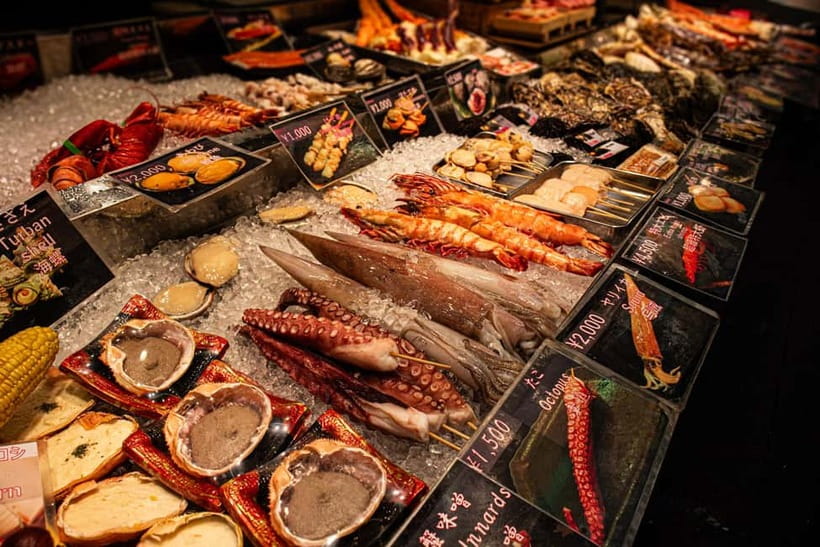
Reviewed · KUROMON MARKET TOURS
Osaka: Kuromon Market Street Food Tour with Pro Local Guide
One bite at a time, Osaka makes sense fast. This Kuromon Market street-food tour is a tight 2-hour loop that mixes famous stalls with side streets like Sennichimae Doguyasuji Shotengai and Hozenji Yokocho, guided by someone who knows what locals actually order and why.
I like that you get 4–5 well-chosen samples (think grilled scallops, yakitori skewers, and takoyaki) instead of a random snack parade. I also love the human part: the small group max of 10 makes it easier to ask questions, and guides like Goku and Yuna reportedly personalize the stops for likes and dislikes while sharing practical etiquette and market know-how. One thing to consider: the tour isn’t suitable for people with food allergies, and you’ll want to be comfortable walking and eating while the market scene stays busy.
In This Review
- Key things I’d focus on before you go
- Kuromon Market and Osaka street-food rhythm in 2 hours
- Meet your pro local guide: why names matter here
- Starting points and how the timing usually feels
- The core stop: Kuromon Ichiba Market and 4–5 Osaka bites
- Sennichimae Doguyasuji Shotengai: more than just a shopping lane
- Hozenji Yokocho: alleyway atmosphere after your first big hits
- Price and value: is $51 for 2 hours a fair deal?
- What to bring (and what can trip you up)
- Who this Kuromon food tour fits best
- Should you book this Osaka Kuromon Market street food tour?
- FAQ
- How long is the Osaka Kuromon Market Street Food Tour?
- What does the tour include?
- What is the group size?
- What languages are available for the guide?
- Can you accommodate dietary requests?
- Are people with food allergies allowed?
- What should I bring with me?
- Where do I meet the guide?
Key things I’d focus on before you go
- Small-group max of 10: more interaction, less waiting, and easier changes for your preferences
- 4–5 tastings that represent Osaka street food, not just a long shopping stroll
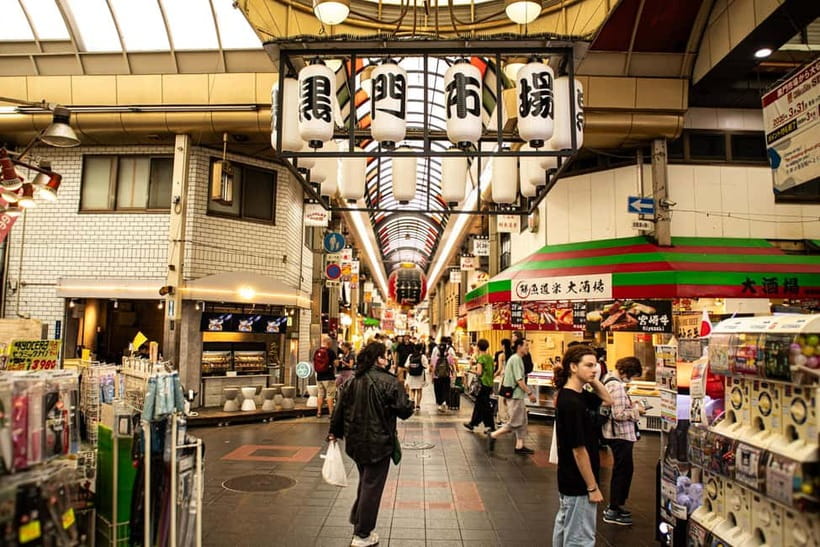
- Kuromon Ichiba Market as the core stop, often called Osaka’s kitchen
- Sennichimae Doguyasuji Shotengai for kitchenware culture and traditional shopfronts
- Hozenji Yokocho for narrow alley atmosphere after you’ve fueled up
- Cash + comfortable shoes: you’ll enjoy it more when you’re ready to buy/try on the spot
Another lap of the Kuromon stalls
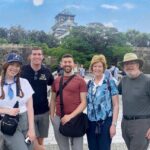
Kuromon Market and Osaka street-food rhythm in 2 hours
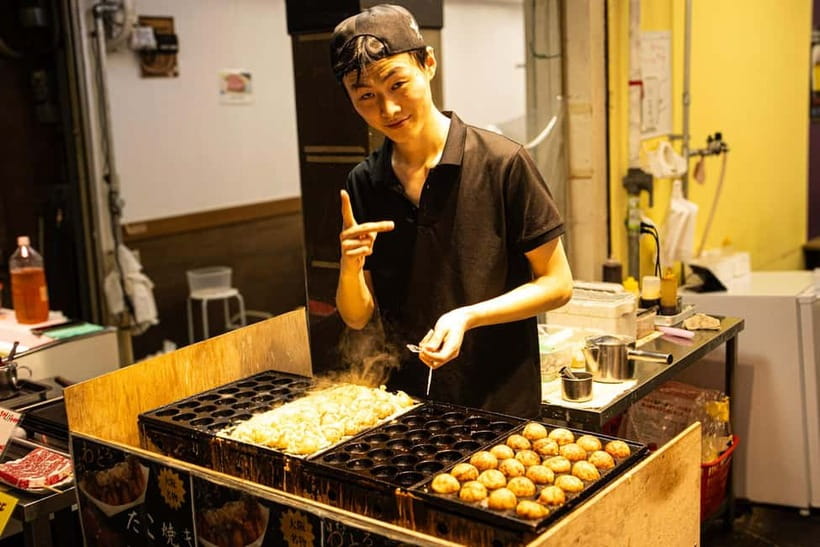
If you want Osaka to click quickly, start in the one place built for eating decisions: Kuromon Ichiba Market. In just 2 hours, you’re walking through an area where food is the main language, so you get context with every stop rather than treating it like a checklist.
This tour is designed for short attention spans and hungry schedules. You don’t just see stalls—you sample dishes and learn how people think about freshness, portion sizes, and market etiquette while you’re still standing there.
And because you’re with a professional local guide, you’re not stuck guessing what’s worth the line (or what’s just loud marketing). From guide reports, Goku and Yuna also connect with traders personally, which is a big part of why the experience can feel smoother than going alone.
Meet your pro local guide: why names matter here
The biggest difference on this kind of tour is the guide. This one is led by a Japanese guide, and the experience runs in English with other languages available on request (French, Spanish, Russian, Japanese).
In the feedback, Goku is praised for getting along well with the group and for sharing lots of recommendations beyond the food. Yuna is singled out for living in Osaka for many years, plus knowing many traders personally, which helps explain what you’re tasting while keeping the pace realistic.
You’ll feel that in how the tour moves. Instead of one generic talk at the front, guides can adjust when people want different flavors or have different comfort levels with what they’re trying. That personal flexibility is one of the strongest reasons this format works.
Starting points and how the timing usually feels
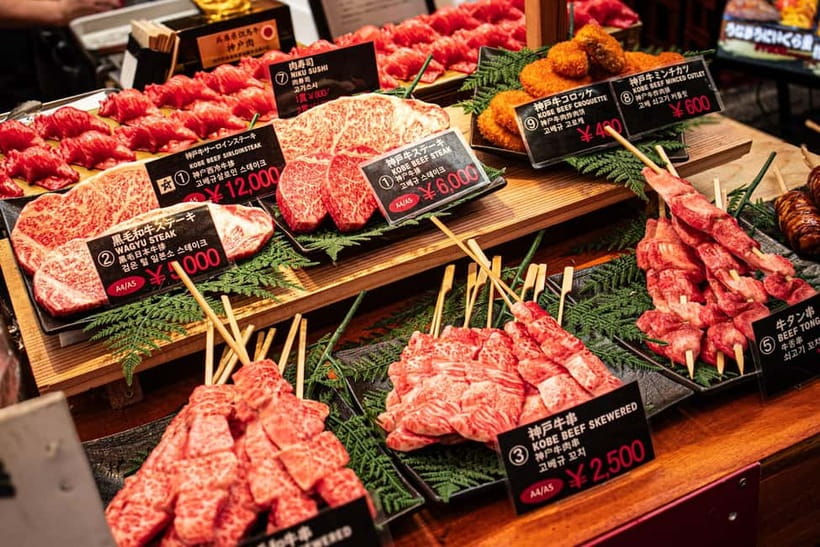
You’ve got two possible meeting options, depending on what you booked: ピカソ日本一ビル (Picasso Nihon-ichi Building) or a Sumitomo Mitsui Banking Corporation ATM. The drop-off spots match the start options, so you’re not stuck navigating a long way back after you eat.
Duration is 2 hours, and that matters. It means you’ll likely hit the key areas without getting worn down, even though markets can involve lots of short walks and standing time.
Before you go, plan for a simple mindset: come ready to snack now, not later. You can bring a camera, and you’ll want comfortable shoes because you’ll be moving around Kuromon Market and the neighboring shopping lanes.
Come hungry: more eating your way through Osaka
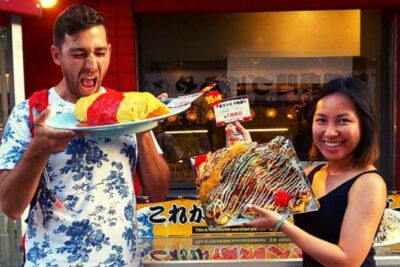
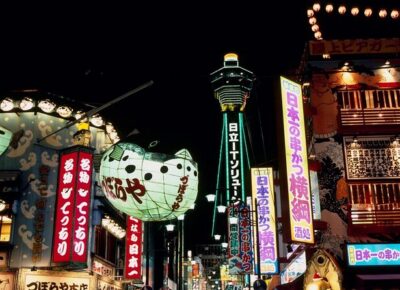
The core stop: Kuromon Ichiba Market and 4–5 Osaka bites
This is the heart of the tour. Kuromon Ichiba Market is known as Osaka’s kitchen, and the guide uses that setting to teach you how a market turns into a daily food source for locals.
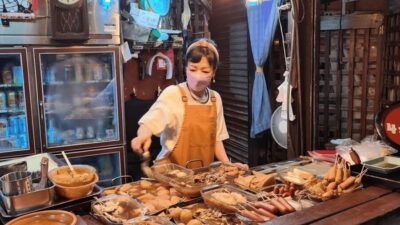
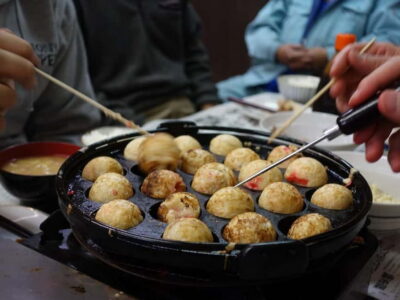
You’ll try 4–5 curated samples (handpicked by your guide) instead of trying to figure it out on your own. The examples you’re likely to encounter include grilled scallops, yakitori skewers, and takoyaki. The exact mix can vary, but the point stays the same: you’ll get a snapshot of Osaka street-food flavors in small, manageable bites.
Why this is good value: those dishes aren’t just tasty. They’re also the kind of foods that show up in Osaka culture over and over—simple, easy to share, and best enjoyed right where they’re being made. When you taste them with guidance, you also learn what to look for, how people typically eat them, and what makes one stall’s approach different from another.
Small practical tip: bring cash. The tour doesn’t include additional food and drinks beyond the included samples, so you may want money for extras if something grabs you mid-walk.
Sennichimae Doguyasuji Shotengai: more than just a shopping lane
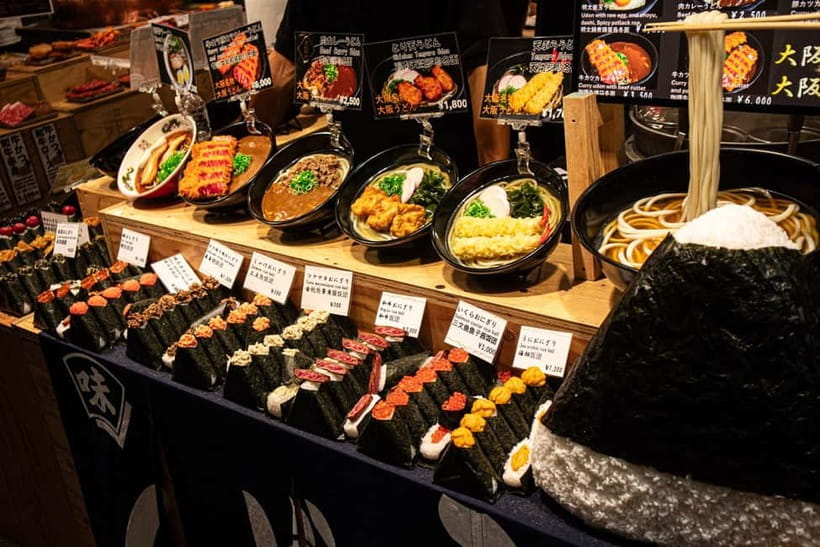
After Kuromon, you’ll head toward Sennichimae Doguyasuji Shotengai, a side area known for traditional shopping and—according to the tour description—Japanese kitchenware. This stop is useful because it shows the support system behind the food: the tools, cookware, and shop culture that make cooking and serving part of everyday life.
This is where the tour shifts tone a bit. You’re not just tasting; you’re learning what locals may buy for their kitchens and why these shop streets exist next to the food market ecosystem.
If you like souvenirs that aren’t random keychains, this is the kind of place where your guide can point you toward practical options. The tour description specifically calls out learning insider tips for souvenirs, so you’re more likely to leave with something that actually fits your trip and your home kitchen.
Hozenji Yokocho: alleyway atmosphere after your first big hits
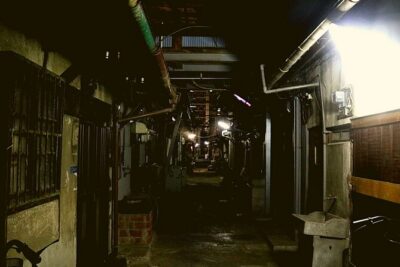
Next is Hozenji Yokocho, an area made of narrow lanes and traditional alley atmosphere. The value here is the contrast: after you’ve eaten in a market setting, you experience Osaka’s smaller-scale street life—still food-focused, but in a more old-school, walk-through form.
You’re likely to slow down here. The alley layout makes it feel like you’re stepping into a different Osaka. It’s also a helpful moment to reflect on what you’ve tasted so far, because the sights and smells reinforce the food culture your guide has been describing.
From the tour format, this segment isn’t about sending you off alone to hunt. You’re still with the guide, so you can ask questions about etiquette, what to order if you return later, and what’s worth remembering for your next meal.
Price and value: is $51 for 2 hours a fair deal?
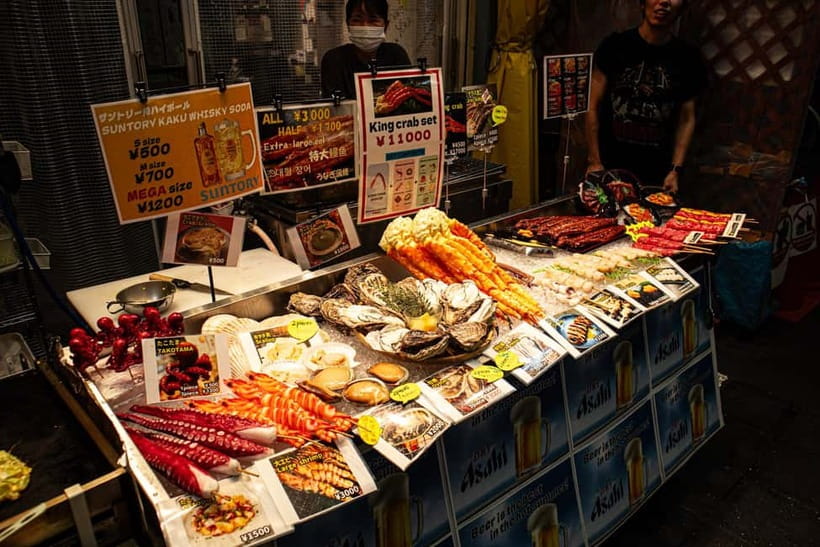
At $51 per person for a 2-hour small-group walking tour, you’re paying for three things you usually can’t buy separately: a knowledgeable Japanese guide, structured tastings, and access to the right stops in a tight time window.
You’ll typically sample 4–5 dishes, with examples including yakitori skewers, takoyaki, and grilled scallops. The included stops—Kuromon Ichiba Market, Sennichimae Doguyasuji Shotengai, and Hozenji Yokocho—cover both food and the surrounding culture that makes the food meaningful.
Not included is also important. Transportation to and from the meeting point isn’t covered, and the tour doesn’t include additional food and drinks. So the value math is: you’re getting enough included tasting to feel satisfied without turning this into an all-day food crawl.
Where it feels especially worth it is if you’re short on time. Doing Kuromon well on your own can mean lots of indecision. With a guide, you spend less time wondering and more time eating with context.
What to bring (and what can trip you up)
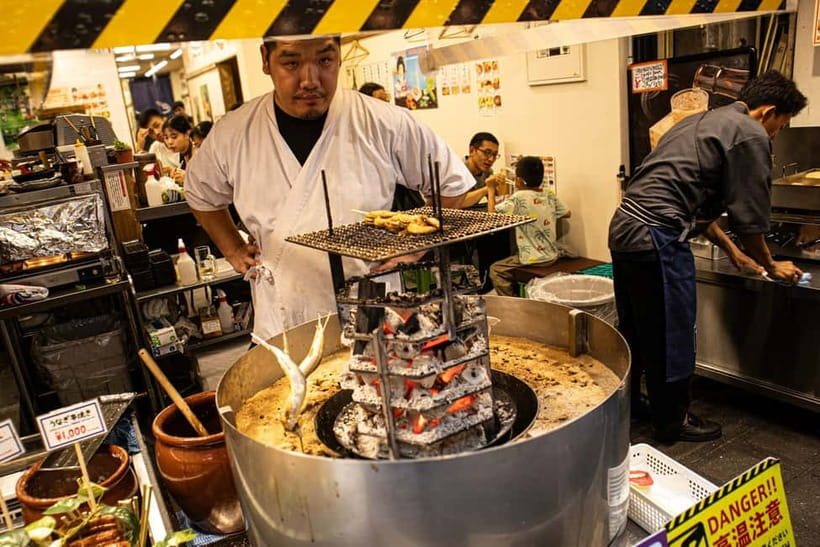
Keep it simple. Bring comfortable shoes, a camera, and cash. If you plan to buy kitchenware or small souvenirs at the market lanes, having cash makes life easier.
Also, consider your dietary needs carefully. The tour description says dietary requests can be accommodated, which is a big deal when you’re choosing street food. If you have a preference (vegetarian, religious restrictions, or you dislike certain ingredients), plan to communicate it when you book so the guide can steer you toward options that fit.
But there’s a hard limit: people with food allergies aren’t suitable for this tour. That’s not a minor detail. Street food involves multiple ingredients and shared environments, and this format doesn’t claim to be allergy-safe.
Finally, expect a walking pace that suits a city tour. You’re moving through markets and lanes, not strolling in a car. If you’re sensitive to crowds or standing, wear shoes that can handle it.
Who this Kuromon food tour fits best
This tour is a strong match if you:
- want Osaka street food without spending hours figuring it out
- like learning food culture and etiquette while you eat
- prefer a small group (max 10) over a big bus-style crowd
- enjoy practical souvenirs, especially around kitchenware shopping
It’s also a good choice if you’re traveling as a couple, a friend pair, or solo and you want conversation with a guide. The feedback on Goku and Yuna points to friendly interpersonal energy, which matters more than people think on short tours.
If you need strict allergy accommodation, skip it. And if you’re the type who only eats sit-down meals at set times, a street-food walking format may feel like too much standing and decision-making.
Should you book this Osaka Kuromon Market street food tour?
I’d book it if you want a fast, guided way to understand Osaka through food. The big reasons are the structured 4–5 tastings, the mix of Kuromon Ichiba Market plus nearby lanes, and the fact that the guide can personalize the flow for the group. When a guide like Goku or Yuna can connect with traders and adjust for different tastes, the tour feels less scripted and more like you’re being shown the city.
Skip it if food allergies are a factor or if you know you don’t enjoy walking and eating in active market settings. In those cases, you’ll likely be more stressed than excited.
If you can be flexible with snacks and you’re ready to try the classics, this is a solid, focused experience that earns its price in food, guidance, and time.
FAQ
How long is the Osaka Kuromon Market Street Food Tour?
It lasts 2 hours.
What does the tour include?
You get a 2-hour street food walking tour with a professional Japanese guide, visits to Kuromon Market, Sennichimae Doguyasuji Shotengai, and Hozenji Yokocho, plus 4–5 curated samples of local dishes.
What is the group size?
It’s a small-group tour with a maximum of 10 people.
What languages are available for the guide?
The live guide runs in English, and other languages may be available on request: French, Spanish, Russian, and Japanese.
Can you accommodate dietary requests?
Yes, dietary requests can be accommodated.
Are people with food allergies allowed?
No, the tour is not suitable for people with food allergies.
What should I bring with me?
Bring comfortable shoes, a camera, and cash.
Where do I meet the guide?
The meeting point can vary depending on your option, with two choices listed: ピカソ日本一ビル (Picasso Nihon-ichi Building) or a Sumitomo Mitsui Banking Corporation ATM.
More Tour Reviews in Osaka
- Osaka Go Karting Tour with Funny Costume★ 5.0 · 2,658 reviews
- Osaka Castle: Museum and Tower Entry Ticket★ 4.5 · 2,380 reviews
- Osaka: Shinsekai Food Tour with 13-15 Dishes at 5 Eateries★ 4.8 · 2,204 reviews
- Osaka Food Tour: 13 Dishes at 5 Local Eateries★ 5.0 · 2,149 reviews
- Hungry Osaka Street Food Tour:15 Tastings & 3 Drinks with a Local★ 5.0 · 1,727 reviews
The Kuidaore List: Eat More of Osaka
- Osaka: Shinsekai Food Tour with 13-15 Dishes at 5 Eateries★ 4.8 · 2,204 reviews
- Osaka Food Tour: 13 Dishes at 5 Local Eateries★ 5.0 · 2,149 reviews
- Hungry Osaka Street Food Tour:15 Tastings & 3 Drinks with a Local★ 5.0 · 1,727 reviews
- Deep Backstreet Osaka Tours (Option to add Dinner)★ 5.0 · 1,290 reviews
- Osaka Local Foodie Walking Tour in Dotonbori and Shinsekai★ 5.0 · 985 reviews
Kuromon, Stall by Stall
- Kuromon Market Food Walking Tour in Osaka (6 stops, 6 tastes)★ 5.0 · 550 reviews
- Osaka: Kuromon Market Food Walking Tour (6 stops, 6 tastes)★ 4.6 · 272 reviews
- Kuromon Market Tour: All inclusive 6~8 Dishes & 3~4 samplings★ 5.0 · 103 reviews
- PRIVATE 6hr, Food tour from Osaka Castle, Kuromon, Dotonbori.★ 5.0 · 68 reviews
- All Inclusive Kuromon Markets Tour: Flavors Of Osaka★ 4.7 · 31 reviews
The Newest Osaka Write-Ups
- Private Photoshoot in Osaka with a Professional Photographer
★ 5.0 · 3 reviews - Osaka Early Morning Osaka Castle Tour Avoid Crowds
★ 5.0 · 3 reviews - Nara Private Tour with Pick and Drop and English Speaking Driver
★ 3.5 · 3 reviews - Osaka: Modern Vegetarian Sushi Cooking Class
★ 5.0 · 3 reviews - Nara Day Trip from Osaka with a Licensed Guide
★ 5.0 · 3 reviews
Kuromon Market Tours, compared.
 ★ 5.0Kuromon Market Food Walking Tour in Osaka (6 stops, 6 tastes)From $50550 reviews
 ★ 4.6Kuromon Market Food Walking Tour (6 stops, 6 tastes)From $49272 reviews
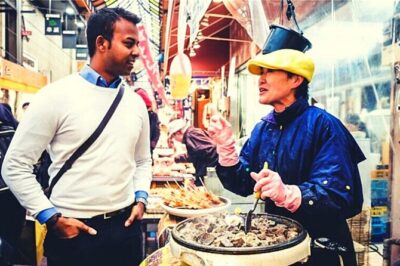 ★ 5.0Kuromon Market Tour: All inclusive 6~8 Dishes & 3~4 samplingsFrom $63103 reviews
 ★ 5.0PRIVATE 6hr, Food tour from Osaka Castle, Kuromon, Dotonbori.From $15568 reviews
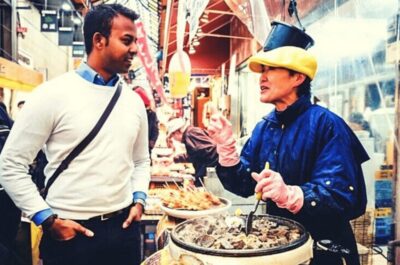 ★ 4.7All Inclusive Kuromon Markets Tour: Flavors Of OsakaFrom $6131 reviews
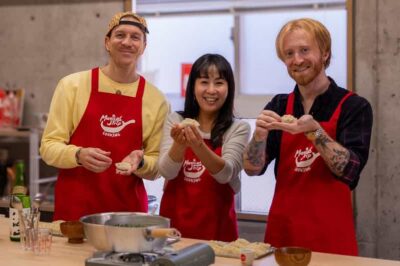 ★ 4.8Cooking Class & Sake Tasting with Local Market VisitFrom $9031 reviews
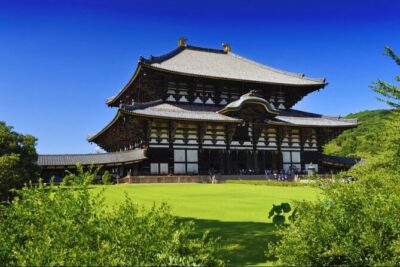 ★ 3.5Nara, Todaiji Temple & Kuroshio Market Day BUS Tour from OsakaFrom $9918 reviews
 ★ 4.5Food Tour Kuromon Market & Dotonbori with GuideFrom $8415 reviews
Browse the lists this tour appears in