
Reviewed · OSAKA PRIVATE TOURS
Osaka: Highlights & Hidden Gems Private Walking Tour
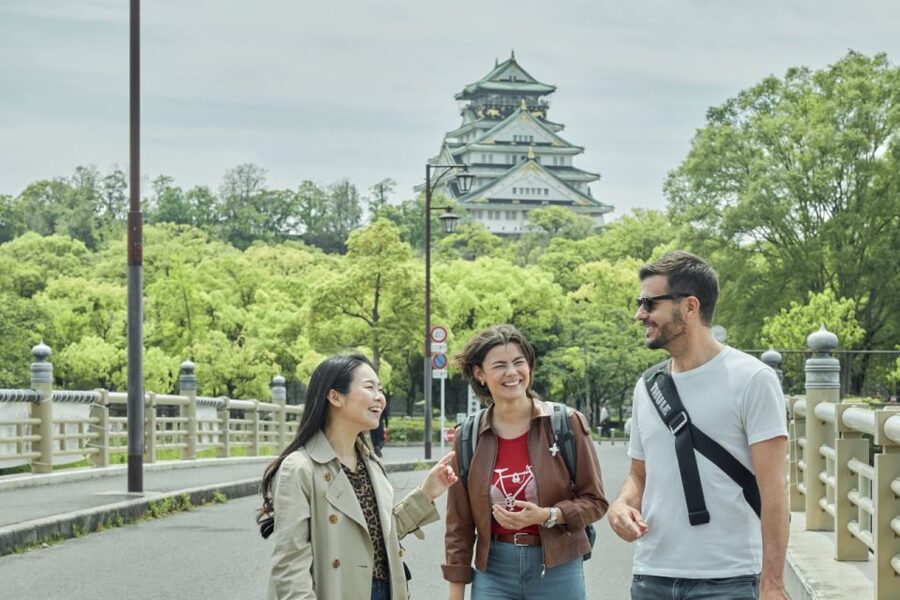
Osaka can feel like sensory overload. That’s exactly why a private walking guide helps you make sense of it fast, and why I love the idea of getting a route built around your interests and your pace. You’ll also spend time in places like Hozenji Yokocho, where lantern-lit side streets show a calmer Osaka under the neon. One catch: if you want heavy history stops only, you should say so up front, because a fast-food-and-nightlife plan can take over if you don’t steer it.
What makes this experience work is the matching part. After you book, you’re paired with a guide based on your preferences and personality, and that matters when you’re trying to go beyond photo stops and actually understand what you’re seeing. I also like that you get language support (English and Japanese) and plenty of time for questions, like how locals bargain, what to order, and how neighborhood vibe changes street by street.
The only possible drawback I’d flag is stamina and expectations. It’s a walking tour across multiple districts, and transportation and food aren’t included, so you’ll want to plan for breaks, snacks, and covered-market time so the day stays fun rather than exhausting.
In This Review
- Key things to know before you go
- Why a private Osaka guide keeps it from getting chaotic
- Namba and Kuromon Market: how to eat your way through the noise
- Hozenji Yokocho: stone-paved calm in the middle of Osaka
- Sennichimae Kitchenware Street and Soemon-cho: quirky shopping with context
- Den Den Town: cameras, computers, and anime shopping energy
- Dotonbori, Glico Running Man, Shinsaibashi, and America-mura
- Shinsekai and local Osaka tastes beyond the obvious
- How long should you book: 2 hours vs 8 hours
- Price and value: what $67 buys you in Osaka
- Practical details that affect your comfort
- Should you book this Osaka walking tour?
- FAQ
- Is this tour private or shared with others?
- What languages will the tour guide speak?
- How long is the Osaka walking tour?
- What’s included in the price, and what isn’t?
- Where do we meet, and can the tour start at a hotel?
- Is the tour wheelchair accessible?
- Can I cancel for free, and can I pay later?
Key things to know before you go
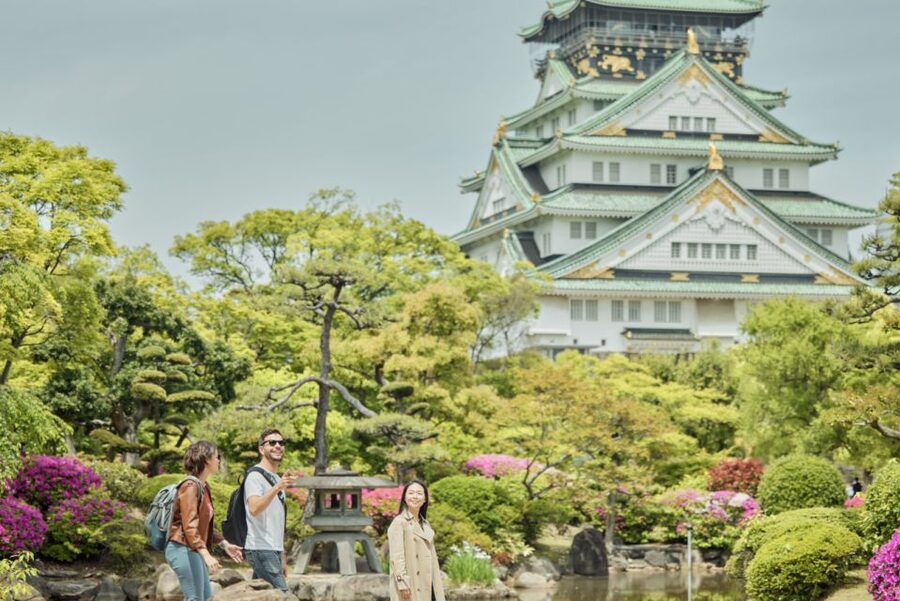
- Matched guide: You’ll be assigned a local based on your interests and personality, not just a generic script.
- Hozenji Yokocho + Dotonbori mix: You get contrast—quiet stone lanes and then the big neon canal energy.
- Kuromon Market with help: A guide can help you navigate the crowds and pick seafood you actually want.
- Retro Osaka shopping: Den Den Town and America-mura turn shopping into a guided story.
- Flexible timing: Choose 2 to 8 hours, and your itinerary adjusts to your booked time and preferences.
- Private group pacing: Private normally means small groups (up to 6), which helps with photos and questions.
Osaka block by block, more routes on foot

Why a private Osaka guide keeps it from getting chaotic
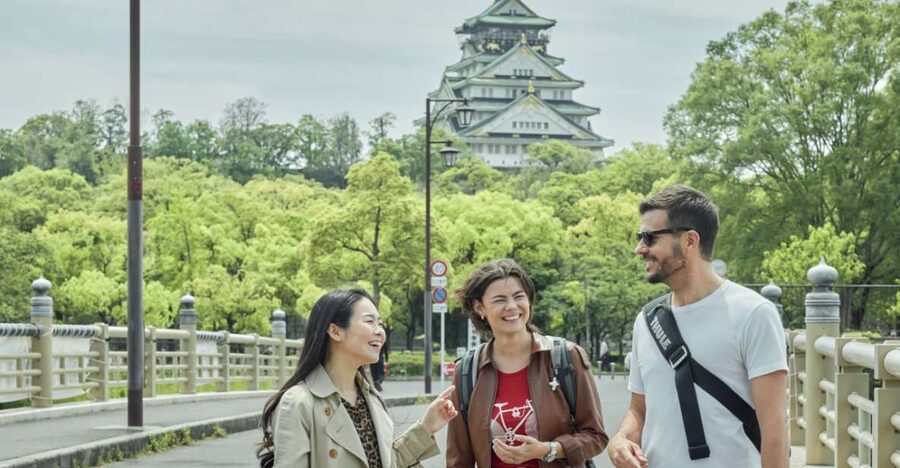
Osaka has a way of pulling you in every direction—shopping streets, alleyway izakaya lights, and constant signs that say eat here, buy this, look at that. The value of a private guide isn’t just someone walking next to you. It’s having someone read the day in real time: how fast you want to move, how long you want to stop for photos, and what kind of explanations land best.
I also like that the guides cover both English and Japanese. In real life, that can mean smoother interactions at busy spots where ordering and etiquette aren’t always simple. From guide feedback, you can also expect a lot of patience with photo time. For example, Maria was praised for letting people take photos without rushing and for checking in during heat, which is the kind of small human detail that makes a walking tour feel effortless.
One more practical angle: private groups here are normally small, commonly up to 6 people. That matters because you’re not stuck listening over other voices while someone else decides the pace. If your group is larger, you’ll need to make that known so arrangements can be adjusted.
Namba and Kuromon Market: how to eat your way through the noise
Most first-time visitors hit Namba and Kuromon and immediately feel the crowd pressure. This tour handles that by putting you into the energy with a plan, instead of letting you wander and miss the best moments.
You start with high-energy Namba and then hop to Kuromon Market, a covered market packed with over 100 shops and vendors. The market is especially useful for seafood cravings—there’s a strong focus on street food and shellfish. You’ll be able to point out what you’re in the mood for, from options like scallops to sea urchin, then watch vendors cook in front of you.
Here’s the thing you’ll appreciate if you hate wasting time: a local guide can help you choose where to look and what to ask for so you don’t burn your appetite on the wrong stall. And because bargaining is part of the culture (not everywhere, but it’s definitely traditional in some vendor interactions), a guide can help you read the rhythm of negotiations so it doesn’t feel awkward.
Potential drawback: if your main goal is eating and you’re comfortable navigating markets on your own, the market portion might feel like something you could do without a guide. Still, the guide value is often in what you don’t know you should try and how you order with confidence.
Hozenji Yokocho: stone-paved calm in the middle of Osaka
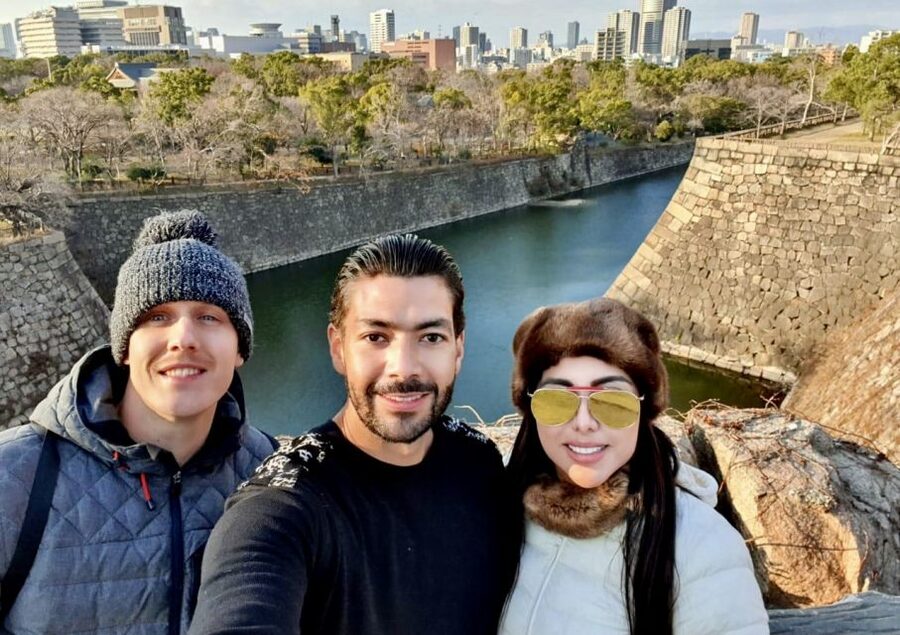
After the big market-and-street buzz, Hozenji Yokocho is the tonal reset. It’s a stone-paved lane lined with long-standing bars and restaurants that keeps the spirit of Osaka from earlier days.
This stop is worth it because it shows you Osaka isn’t only loud neon. You’ll get a more old-school atmosphere—narrow, lantern-lit, and built for lingering. It’s also a great place to ask your guide to explain local customs and neighborhood patterns, since the pace slows down and the surroundings make the stories feel grounded.
Also, if you’re trying to decide what kind of Osaka you want to explore later (more izakaya lanes, more shopping, more pop culture), this is a strong place to calibrate your next steps. The contrast between Hozenji Yokocho and the later canal-side lights makes the whole day click.
A guide to yourselves, more private days out
Sennichimae Kitchenware Street and Soemon-cho: quirky shopping with context
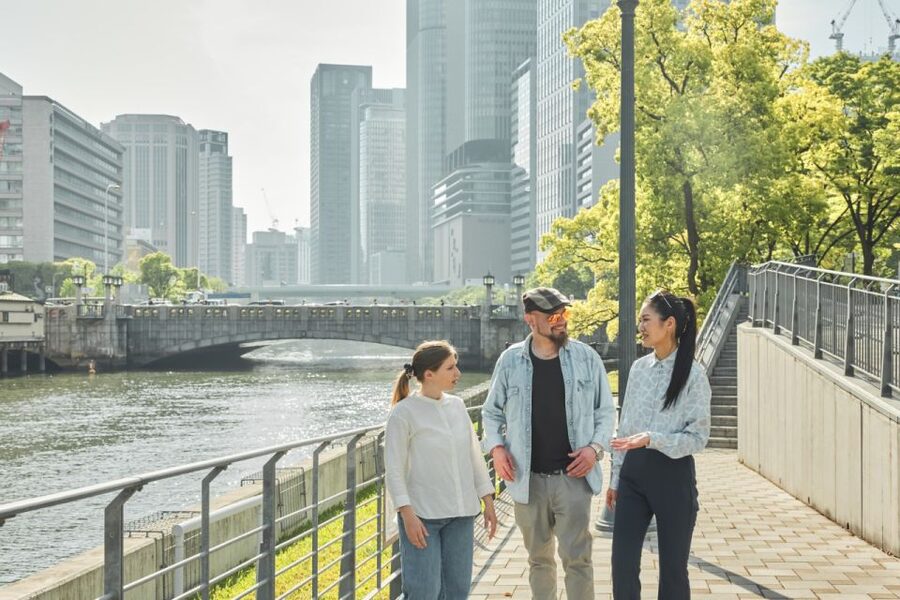
Osaka loves practical obsession. That’s exactly what you see at Sennichimae Kitchenware Street, where the street is dedicated to kitchen utensils and food supplies.
Even if you’re not shopping for pots and pans, this stop teaches you something important: Osaka food culture isn’t just about eating out. It’s about the tools, the prep, and the craft behind the scenes. When you see specialty shops side by side, you’ll understand why locals talk about cooking and ingredients like they matter every day.
Next, you visit Soemon-cho, an entertainment district with more than 400 years of history. Since this tour is personalized, your guide may steer how much time you spend on the storytelling side versus the walking-and-snapping side. Either way, it helps to have someone explain how older entertainment districts shaped today’s nightlife patterns.
One consideration: if you specifically want deep historical coverage, you’ll want to say that clearly at the start. A guide can’t read your mind, and you don’t want to realize halfway through that your day leaned more toward food streets and modern shopping lanes.
Den Den Town: cameras, computers, and anime shopping energy
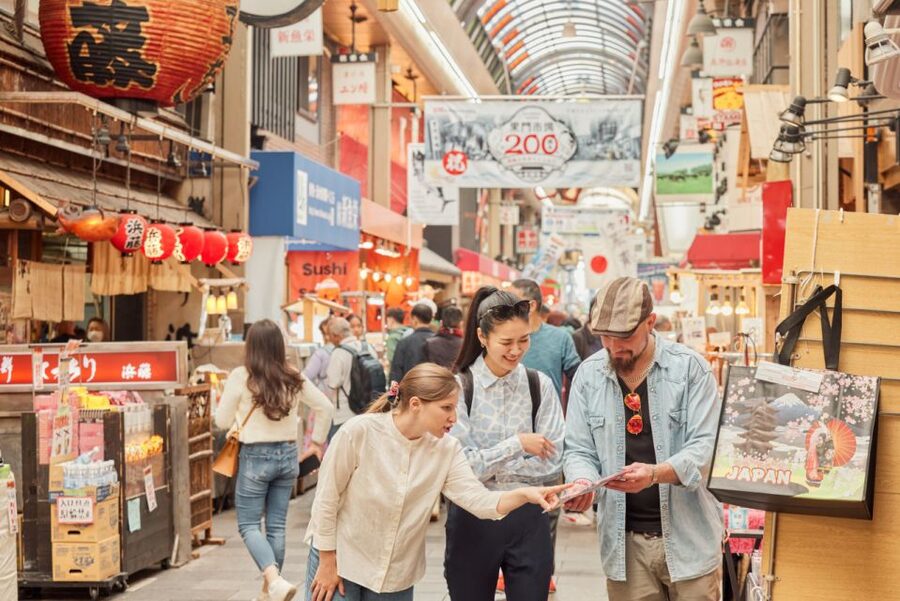
When you hit Den-Den Town, the vibe changes again—this is Osaka for people who like gadgets and pop culture. You’ll find shops focused on cameras, computers, pop culture items, games, and anime.
This stop works well with a private guide because you don’t just wander aisle-to-aisle. You can ask questions like what to look for, which shops are most interesting depending on your interests, and how the area’s specialties differ block by block. You’ll also be more likely to find stores you’d skip if you were trying to guess from signage alone.
This is also a good moment to slow down. If you’re the type who loves browsing rather than buying, Den Den Town can turn into a highlight simply because you can take your time. Your guide’s pacing matters here—people often want to compare prices and products, and a private guide can keep you moving only when you’re ready.
Dotonbori, Glico Running Man, Shinsaibashi, and America-mura
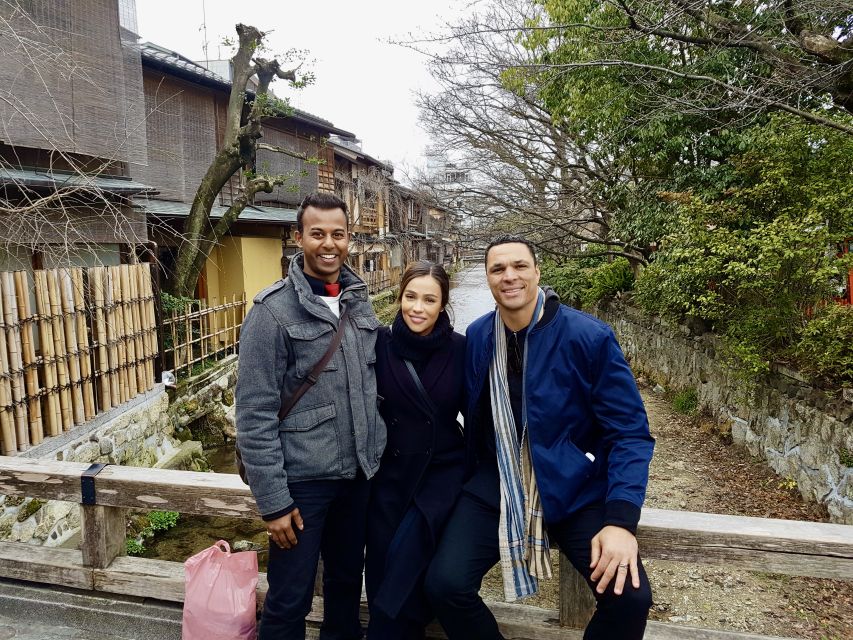
If Osaka is a loud song, Dotonbori is the chorus. It’s the snapshot most visitors recognize: colossal food signs, flashing lights, and that classic canal-side energy around Ebisubashi Bridge.
Don’t miss the Glico Running Man above the bridge. It’s not just a photo prop; it’s a good anchor point so you know you’re in the heart of Osaka’s commercial spectacle. Walk through with your guide and you’ll understand how the signage culture works—why those signs are where they are and how the area funnels foot traffic.
Then you head toward Shinsaibashi and the youth-oriented America-mura. America-mura is where the tone gets retro: independent stores, galleries, and cafés with more individuality than standard chain shopping. If you want souvenirs that feel more like you found them, this area is a strong move.
This stretch is where the tour is at its best if you enjoy variety. One minute you’re looking at neon food hype, the next you’re in a more creative shopping pocket. The guide helps you connect the dots so it feels like a plan rather than random walking.
Shinsekai and local Osaka tastes beyond the obvious
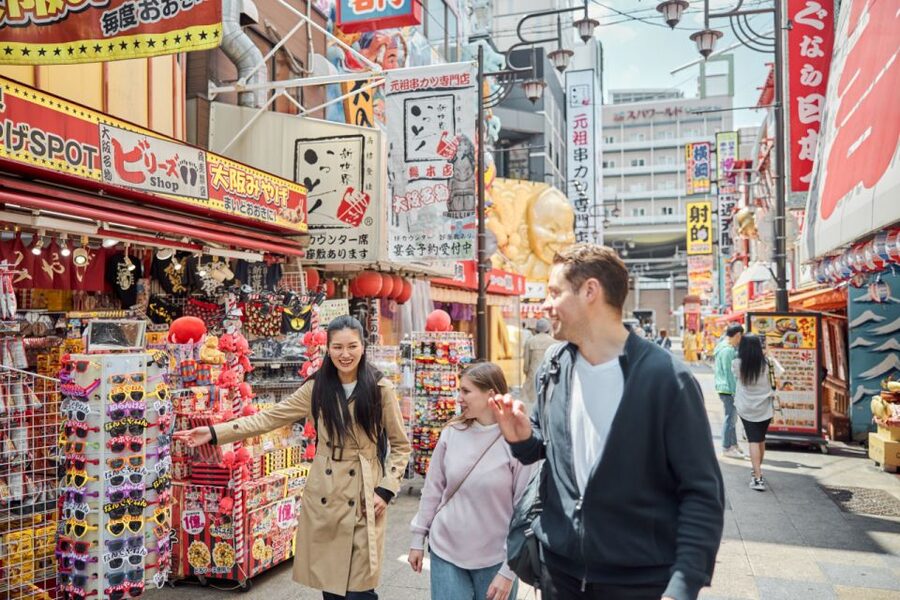
Shinsekai is mentioned as one of the areas locals love, and that’s exactly why it belongs in an Osaka highlights-and-lesser-known plan. It gives you another flavor of the city—less about global-brand familiarity and more about neighborhood identity.
You’ll also hear about Osaka food culture in a way that goes beyond ordering. The tour information points out that seafood is treated seriously, and that fishermen is considered a delicacy. It also notes that vendors may treat bargaining as a traditional art form, which is useful context if you want to shop or snack without feeling lost.
In practice, this kind of stop is about understanding. Shinsekai helps you see Osaka as people do: through neighborhood habits, not just major landmarks.
How long should you book: 2 hours vs 8 hours
The duration range—2 to 8 hours—isn’t just flexibility for scheduling. It changes what “private” actually feels like.
- If you book 2 hours, you should treat it like a focused highlights sampler. You’ll likely hit the biggest name districts, plus one or two slower lanes.
- If you book 4 to 5 hours, you can usually do a better mix of markets, a quieter side street, and a longer walk through shopping neighborhoods.
- With 6 to 8 hours, the day starts to feel like a true local circuit. You can linger more, swap priorities mid-day (food-first versus photo-first), and get more explanation time.
Pick based on your walking comfort and how many priorities you have. If you’re coming from another busy day and your energy is low, choose shorter. You’ll get more enjoyment from having time to absorb the neighborhoods than from checking off every stop.
Price and value: what $67 buys you in Osaka
At $67 per person, the best value isn’t the list of stops. It’s the private guide time and the customization.
Included in the price:
- a guide
- a hotel meet-up option from a central location (available on request)
- recommendations for the rest of your stay
Not included:
- food and drinks
- tickets for paid attractions
- transportation
That trade-off is important. You’re paying for guidance, not for restaurant tabs or entrance fees. The good news is that Osaka is set up for good walking and open-air district exploring, so you can get a lot of value even without ticketed attractions. And because your itinerary is adapted to your preferences and booked hours, you can steer time toward what you actually care about—food streets, retro shopping, or a calmer lane like Hozenji Yokocho.
If you’re traveling as a small group, private often becomes even better value than you expect, because the guide time is shared across your party rather than split across strangers.
Practical details that affect your comfort
Meeting points can vary by option, so confirm where you’ll start. If you want a hotel meet-up, request it, and it’s typically from a central location.
Transportation isn’t included, but the tour does mention using the train to reach areas like Namba. This means you’ll want to have transit flexibility. If you’re planning to use transit anyway, the non-inclusion of transport usually isn’t a problem—it’s more about managing expectations so you don’t get surprised mid-day.
Wheelchair accessibility is listed, and the tour is designed for private groups, generally no more than 6. If you have mobility needs, it’s smart to mention them when you speak with the operator so the day can be planned with less stress.
One last practical point: because this is personalized, the places you visit may differ from what you expect at first. That’s good—so long as you communicate what you want. The first review highlighted that historical parts might not be prioritized unless you ask, which is a simple fix: tell your guide you want more history, less food, or a specific mix.
Should you book this Osaka walking tour?
Book it if you want a private, flexible Osaka day with a guide who can steer you toward neighborhoods that match your interests. It’s a great fit if you’re overwhelmed by choices, want help navigating markets like Kuromon, and like the idea of pairing quieter lanes (like Hozenji Yokocho) with high-energy districts (like Dotonbori).
Skip or adjust expectations if you mainly want to self-explore and you already feel confident navigating Osaka food areas on your own. Also, if history is your top priority, message that early so the itinerary leans that way.
If you do book, give your guide clear priorities at the start—food vs. photos vs. shopping vs. history—and you’ll get more value out of every hour you spend walking Osaka’s streets.
FAQ
Is this tour private or shared with others?
This is a private group tour. Private groups are normally no larger than 6 persons.
What languages will the tour guide speak?
The live tour guide is available in English and Japanese.
How long is the Osaka walking tour?
The tour duration ranges from 2 to 8 hours. Starting times depend on availability.
What’s included in the price, and what isn’t?
Included: tour guide, and hotel meet-up from a central location upon request, plus recommendations for the rest of your stay. Not included: food and drinks, entrance into ticketed attractions, and transportation.
Where do we meet, and can the tour start at a hotel?
The meeting point may vary depending on the option booked. Hotel meet-up is available upon request from a central location.
Is the tour wheelchair accessible?
Yes, the tour is listed as wheelchair accessible.
Can I cancel for free, and can I pay later?
Yes. It offers free cancellation up to 24 hours in advance for a full refund, and it also offers reserve now & pay later so you can book without paying today.
More Tour Reviews in Osaka
- Osaka Go Karting Tour with Funny Costume★ 5.0 · 2,658 reviews
- Osaka Castle: Museum and Tower Entry Ticket★ 4.5 · 2,380 reviews
- Osaka: Shinsekai Food Tour with 13-15 Dishes at 5 Eateries★ 4.8 · 2,204 reviews
- Osaka Food Tour: 13 Dishes at 5 Local Eateries★ 5.0 · 2,149 reviews
- Hungry Osaka Street Food Tour:15 Tastings & 3 Drinks with a Local★ 5.0 · 1,727 reviews
Your Osaka, at Your Pace
- Private Osaka Walking Tour: Highlights & Hidden Gems★ 5.0 · 569 reviews
- Osaka 4hr Private Tour with Government-Licensed Guide★ 5.0 · 314 reviews
- 3/4/5 Hours Private Tour in Osaka with Local Guide★ 5.0 · 189 reviews
- Osaka’s Best and Brightest: Private Full-Day Tour by Vehicle★ 5.0 · 147 reviews
- Kyoto & Nara Private customized tour with English speaking Guide★ 4.5 · 99 reviews
Osaka at Street Level
- Osaka Local Foodie Walking Tour in Dotonbori and Shinsekai★ 5.0 · 985 reviews
- Osaka: Deep Backstreets Walking Tour with Dinner Option★ 4.9 · 902 reviews
- Ultimate Osaka Walking Tour: Castle, Dotonbori & Hidden Gems★ 5.0 · 862 reviews
- Osaka: Main Sights and Hidden Spots Guided Walking Tour★ 4.9 · 702 reviews
- Private Osaka Walking Tour: Highlights & Hidden Gems★ 5.0 · 569 reviews
The Newest Osaka Write-Ups
- Private Photoshoot in Osaka with a Professional Photographer
★ 5.0 · 3 reviews - Osaka Early Morning Osaka Castle Tour Avoid Crowds
★ 5.0 · 3 reviews - Nara Private Tour with Pick and Drop and English Speaking Driver
★ 3.5 · 3 reviews - Osaka: Modern Vegetarian Sushi Cooking Class
★ 5.0 · 3 reviews - Nara Day Trip from Osaka with a Licensed Guide
★ 5.0 · 3 reviews
Osaka Private Tours, compared.
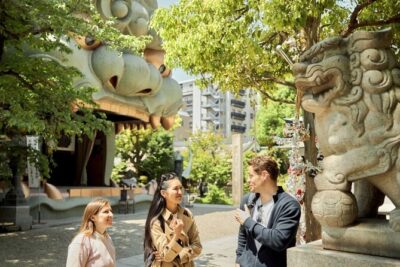 ★ 5.0Private Osaka Walking Tour: Highlights & Hidden GemsFrom $81569 reviews
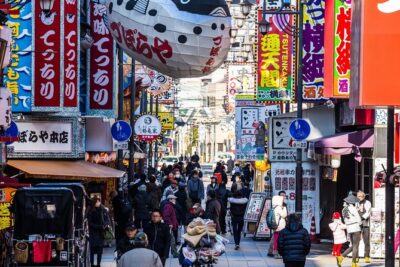 ★ 5.0Osaka 4hr Private Tour with Government-Licensed GuideFrom $105314 reviews
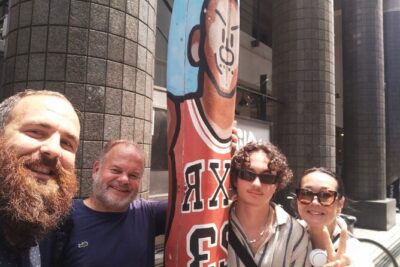 ★ 5.03/4/5 Hours Private Tour in Osaka with Local GuideFrom $95189 reviews
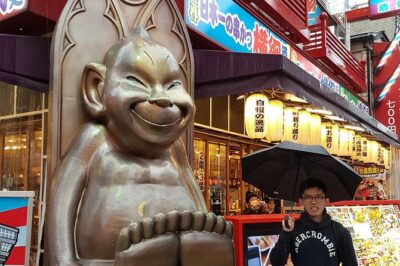 ★ 5.0Osaka’s Best and Brightest: Private Full-Day Tour by VehicleFrom $600147 reviews
 ★ 5.0Full Day Tour of Kyoto with Private TransportationFrom $247130 reviews
 ★ 4.5Kyoto & Nara Private customized tour with English speaking GuideFrom $54999 reviews
 ★ 4.6Private Custom Walking Tour with a Local GuideFrom $6297 reviews
 ★ 4.93/4/5 Hours Private Tour With Local GuideFrom $11686 reviews
Browse the lists this tour appears in