
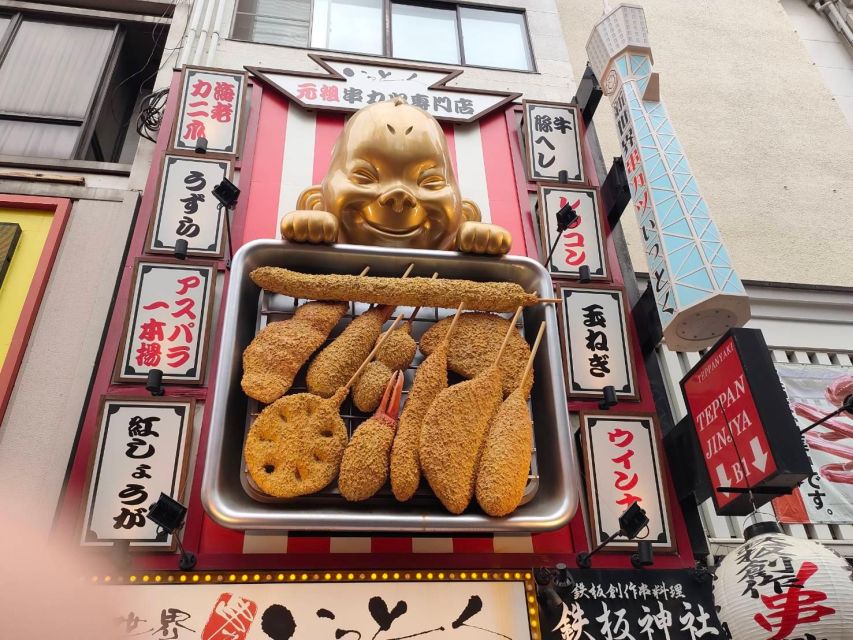
Reviewed · OSAKA WALKING TOURS
Osaka: Half-day Ultimate Highlights Guided Walking Tour
Neon and history, stitched into one walk. A bilingual expat guide with 20+ years of experience keeps the story straight as you move from Osaka Castle grounds to Kuromon Ichiba Market without feeling rushed.
Two things I really like: the way the tour connects Osaka’s merchant past to today’s neon streets, and the included lunch of Osaka-style street food with a drink.
The main thing to consider is that this is mostly on foot in rain or shine, so you’ll want comfortable shoes and a headspace for steady walking.
In This Review
- Key Highlights Worth Marking On Your Map
- Why Osaka’s “Past + Neon” Works in 5–7 Hours
- Meeting Point: JR Osakajokoen Station and a Clear Start
- Osaka Castle Grounds: The Samurai Story Without the Castle Ticket Time
- Namba to Shinsaibashi-suji: Covered Shopping Street for 400 Years of Merchants
- Ebisu Bridge to Dotonbori Canal: Neon Heartbeat and Street-Food Reality
- Hozenji Yokocho: The Old-World Alley Moment You Didn’t Know You Needed
- Kuromon Ichiba Market: Osaka’s Kitchen Where Seafood Takes Over
- Doguyasuji and Osaka’s Shopping Nerd Side
- Shinsekai and Tsutenkaku: Retro Osaka After Dark Without the Long Detour
- Lunch: Included Osaka Street Food and How to Use the Time
- The Pace, Trains, and the Walking Reality Check
- Price and Value: What $61 Buys (and What It Doesn’t)
- Should You Book This Osaka Highlights Tour?
- FAQ
- How long is the Osaka Half-Day Ultimate Highlights Walking Tour?
- Is Osaka Castle entrance included?
- Is lunch included in the price?
- Are train fares included?
- Where do I meet the guide?
- Is hotel pickup included?
- What should I bring?
- Is the tour suitable for everyone?
Key Highlights Worth Marking On Your Map
- Bilingual expat guidance (20+ years): you get context that helps Osaka make sense fast.
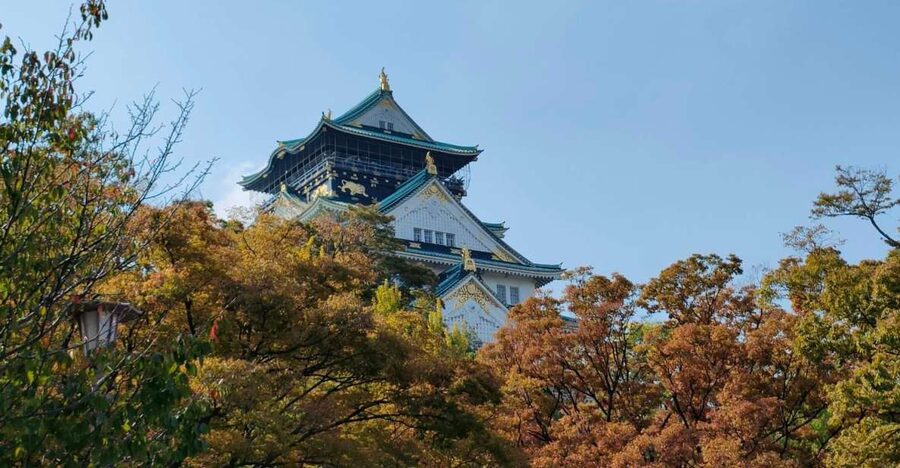
- Osaka Castle grounds, not the interior: learn the samurai-era significance while avoiding ticket-line time.
- Dotonbori + Ebisu Bridge photo stops: neon, canal vibes, and the Glico Man spot you’ll recognize instantly.
- Hozenji Yokocho’s quiet contrast: a narrow old-world alley with a small 17th-century temple break from the noise.
- Kuromon Ichiba Market’s “Osaka Kitchen” reputation: a 200-year-old place where seafood, meat, and produce are the center of gravity.
- Shinsekai and Tsutenkaku retro energy: old Osaka vibes alongside modern visitors and snacks.
Osaka block by block, more routes on foot

Why Osaka’s “Past + Neon” Works in 5–7 Hours
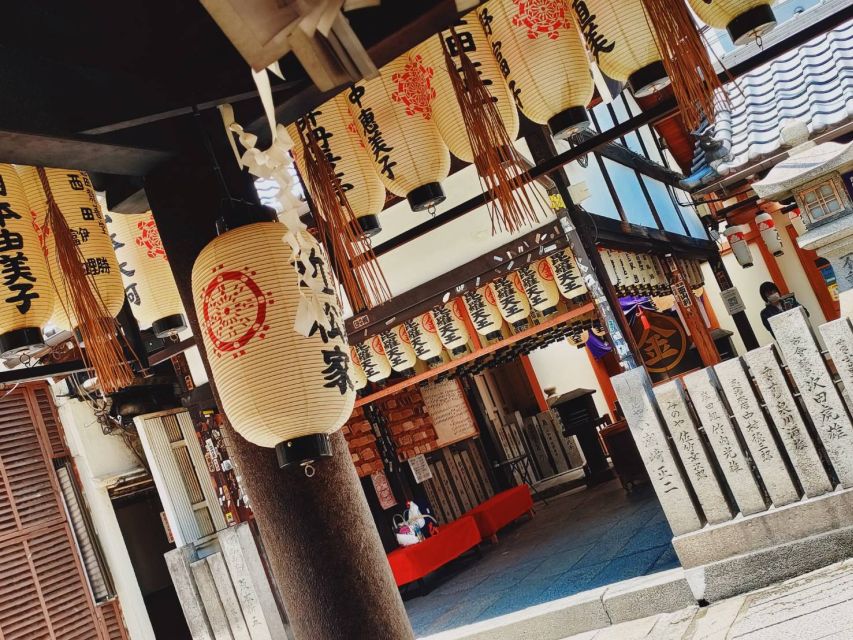
Osaka can feel like a lot—shopping, food, crowds, and constant motion. This tour works because it chooses neighborhoods that each tell a different part of the same story: power and control (Osaka Castle grounds), merchant hustle (markets and wholesaler lanes), and today’s show-your-energy city (Dotonbori and Shinsekai).
I like that the focus isn’t just “see this, then see that.” The guide ties together why these places matter, so your photos come with meaning. And the included street-food lunch is the kind of practical touch that saves you time later.
One warning, though: this isn’t a sit-and-scroll tour. You’ll be walking and hopping trains for short stretches, and the schedule keeps moving rain or shine.
Meeting Point: JR Osakajokoen Station and a Clear Start
The day begins at JR Osakajokoen Station on the JR Osaka Loop Line. You meet in front of the 7-11 kiosk, inside the station building—just outside the ticket gates. Arrive 15 minutes early so your group forms up smoothly.
If you book a private tour, hotel pickup can be arranged, but only for private options. Group tours meet at the station. Also note the practical heads-up: WhatsApp is mandatory for receiving tour info and updates, so install it before you travel.
Osaka Castle Grounds: The Samurai Story Without the Castle Ticket Time
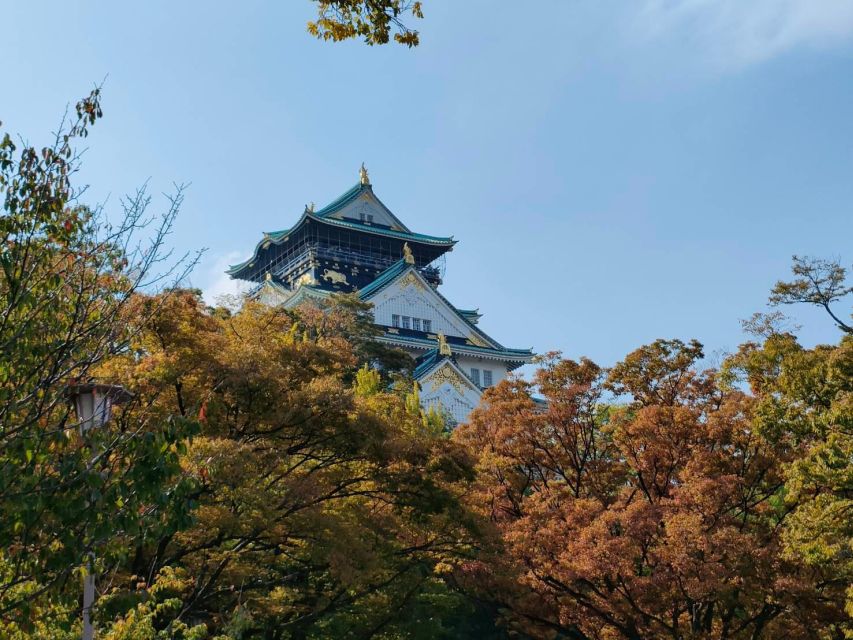
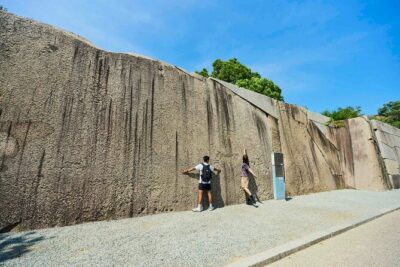
You start with Osaka Castle grounds and walk them with your guide (about 75 minutes). The big idea here is history you can understand with your feet on the ground. Osaka Castle is tied to the samurai era and the unification battles of the 16th century, and you’ll hear how the castle became a symbol of power in Kansai.
Important expectation-setting: the tour does not include entry into Osaka Castle on group tours. You still get the walking experience and the historical significance from the grounds, which makes sense for a half-day format. If your dream is to go inside museum galleries or climb areas, you’ll likely need separate tickets.
This stop is also where you’ll appreciate the guide’s pacing. Reviews repeatedly mention crowd management and a “don’t burn out” rhythm, and that pacing matters on castle days.



Namba to Shinsaibashi-suji: Covered Shopping Street for 400 Years of Merchants
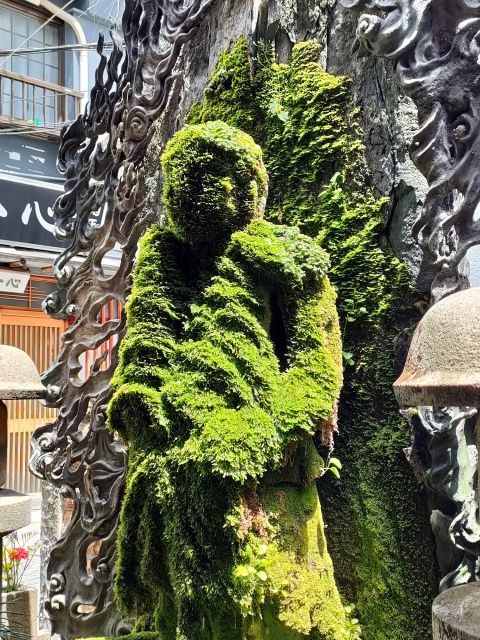
After Osaka Castle, you take a short subway/metro segment (about 15 minutes) and reach Namba, where you’ll explore the shopping zone around Shinsaibashi-suji—a covered shopping street that’s been an important shopping area for about 400 years. The street is roughly 600 meters long, and you’ll pass hundreds of shops.
Why this matters: Osaka isn’t only temples and scenic towers. It’s also a city built on commerce—people selling, trading, and adapting. Walking this kind of street helps you feel the “merchant city” mindset, not just hear about it.
You also get a break time and lunch window after Namba (about 30 minutes). It’s built-in breathing room so you can reset before the neon hits.
Ebisu Bridge to Dotonbori Canal: Neon Heartbeat and Street-Food Reality

Next up is a quick walk from Ebisu Bridge to Dotonbori. Ebisu Bridge is known as a local meeting spot near the famous Glico Man sign, and it has an older connection too: it was originally made out of wood in the 1600s. That mix of old and new is classic Osaka—history doesn’t retire here.
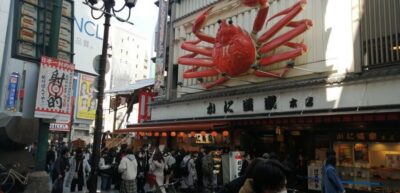
Then you hit Dotonbori, the canal area famous for its nightlife, neon lights, and a constant wave of signs, bars, and people. The guide points out the spots that work for photos—especially the Glico Man area, which is a popular snapshot location for locals and visitors.
You’ll likely also get snack ideas along the way. Reviews mention stopping for classic Osaka street food such as takoyaki and okonomiyaki, which fit the neighborhood’s identity perfectly. This is one of the best places on the tour to switch your brain from sightseeing mode to “what should I eat first” mode.
Hozenji Yokocho: The Old-World Alley Moment You Didn’t Know You Needed
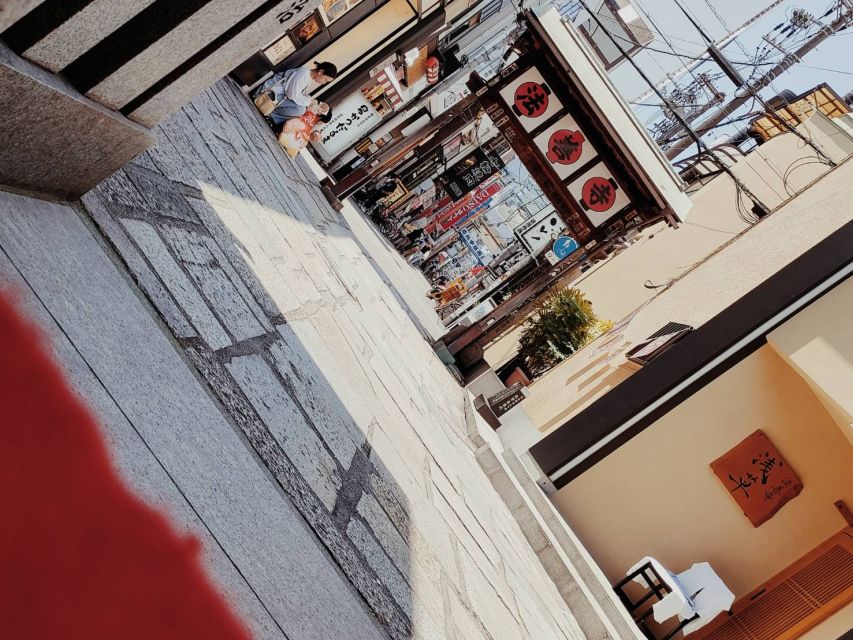
After the canal’s energy, the tour steps into Hozenji Yokocho, a small, hard-to-find alley with traditional lanterns and cobblestone paths. This is the kind of place where you immediately lower your voice without trying.
You’ll also hear about Hozenji, a Buddhist temple built in the 17th century, tucked just off Dotonbori. The result is a real contrast: the same area, two different atmospheres. That contrast is exactly why I think this stop is worth protecting—especially if you’re short on time in Osaka.
The stop is about 20 minutes, long enough to notice the details and get a calmer reset before you head to the market.
Kuromon Ichiba Market: Osaka’s Kitchen Where Seafood Takes Over
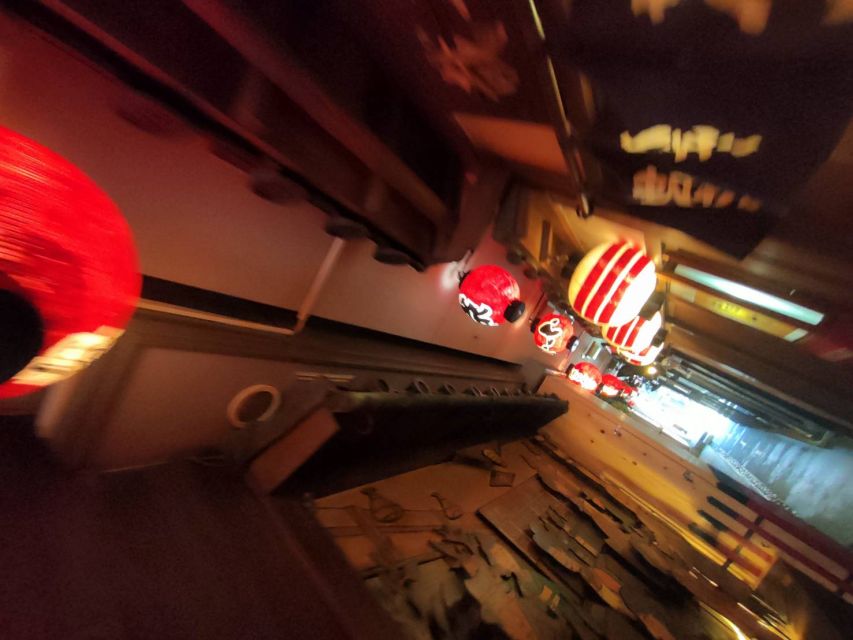
Then comes the food-focused core: Kuromon Ichiba Market (about 30 minutes of guided time). This is described as the heart of Osaka’s kitchen scene and has served the city for over 200 years.
Here’s what you should expect to notice quickly:
- stalls packed with fresh seafood
- meat and produce alongside it
- lots of people eating and watching
- strong “local rhythm” energy rather than museum energy
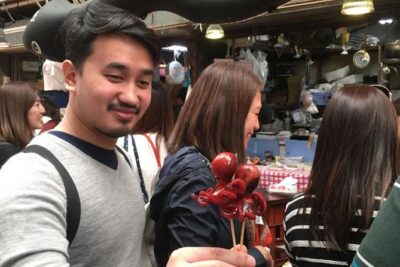
The market is also a great place for first-time Osaka eaters because you can see what looks freshest without translating every menu item. Reviews mention oversized crab legs and tuna, and that’s the kind of sight that makes the market feel like a living marketplace, not a themed food court.
If you’re a seafood person, this is where you’ll want to pay attention to what the stalls are doing—what’s being prepped, what’s being eaten there, and how quickly lines form.
Doguyasuji and Osaka’s Shopping Nerd Side
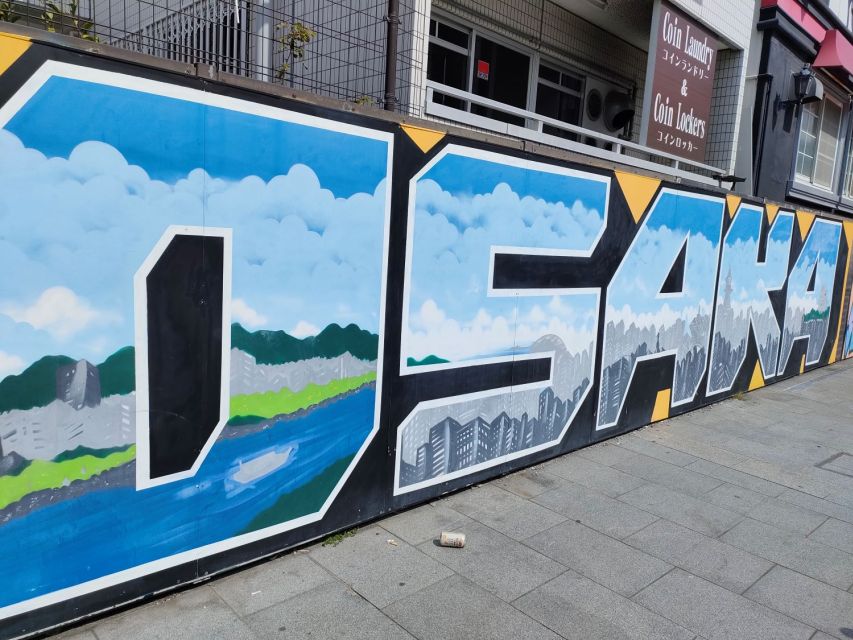
Between markets and retro districts, you’ll pass through or near lanes that support Osaka’s older trading strengths—specifically the vibe around Doguyasuji. This area is packed with wholesalers and specialty shops, especially things like cutlery and crockery.
Why I think this belongs on a highlights walk: it explains Osaka’s “built for daily use” identity. This is not only about souvenirs. It’s about tools, goods, and the small objects that make daily life work—then how those trades shaped the city’s economy.
This is also a good moment to ask the guide what’s worth buying (and what’s mostly for tourists). The tour isn’t a shopping push, but the context helps you spend money smarter if you do buy.
Shinsekai and Tsutenkaku: Retro Osaka After Dark Without the Long Detour
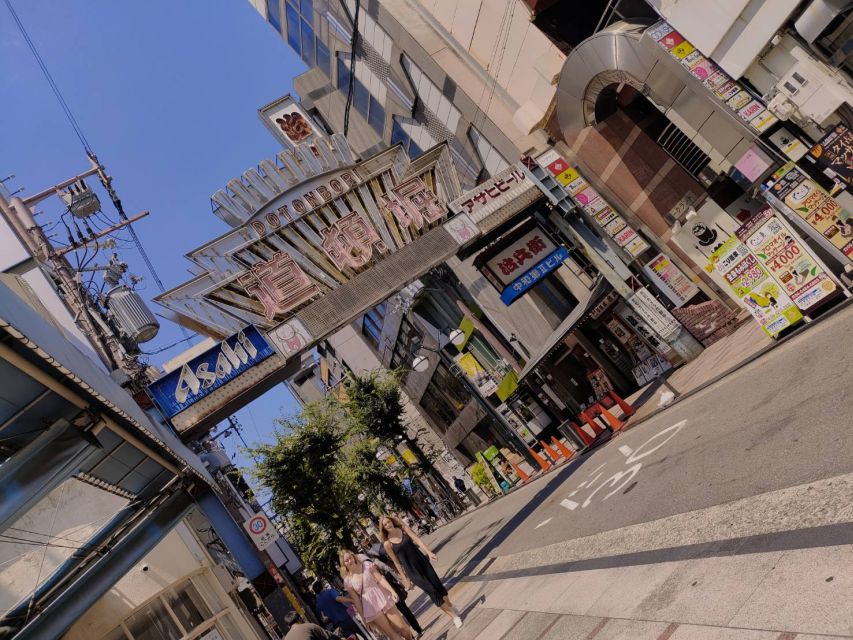
The last major neighborhood is Shinsekai, a retro district developed before World War II, anchored by the Tsutenkaku Tower. Even if you’ve seen it in photos, it hits different in person because the area’s vibe mixes nostalgia with constant modern foot traffic.
You’ll walk for about 20 minutes here, and the guide frames it as an iconic Osaka district where old and new sit side by side. This is also described as a hidden-feeling local-color stop, which is exactly what you want at the end of a half-day tour: a place that feels like Osaka beyond the postcard.
The tour ends at Dobutsuen-Mae Station, so plan your last train connection from there.
Lunch: Included Osaka Street Food and How to Use the Time
Lunch is included: a complimentary meal with Osaka-style street food plus a drink at a local restaurant. Reviews specifically mention takoyaki and okonomiyaki, and that matches Osaka’s street-food identity.
A practical tip: keep your hunger settings realistic. By the time you hit Kuromon, you’ll be surrounded by tempting food options, and the tour’s timing can make you want to snack on everything. If lunch is filling, it helps you enjoy the market without feeling like you’re spending money faster than you can taste.
Dietary notes: the tour data doesn’t list vegan or gluten-free meals as included, so if you have strict needs, plan ahead. The tour does not promise tickets to attractions either, and it keeps the experience focused on walking and local food culture rather than food customization.
The Pace, Trains, and the Walking Reality Check
This tour runs 5–7 hours, mostly on foot, with two short train rides required. Train fares are not included (listed as ¥240 and ¥190), so budget for that.
The walking time and the rain-or-shine rule are the main practical considerations. Reviews mention breaks and a pace that avoids turning the day into a march. Still, you should prepare for a solid amount of walking.
Also note:
- Filming isn’t permitted during the tour.
- Luggage or large bags aren’t allowed, so travel light.
- The tour is not suitable for people with mobility impairments and not suitable for pregnant women, based on the provided rules.
If you’re the kind of traveler who gets cranky after long walks, this might not be your easiest day. But if you can handle steady walking, it’s a good “greatest hits” route.
Price and Value: What $61 Buys (and What It Doesn’t)
At $61 per person, the deal is strongest when you value three things: a guide, time savings, and food included.
What’s included:
- a bilingual local guide throughout
- lunch with Osaka street food and a drink
- history and practical city context as you walk
- mostly walking with short transit hops
What’s not included:
- train fares
- entry tickets to attractions (and group tours don’t enter Osaka Castle)
- tickets to any attractions
- vegan/gluten-free diet accommodations as an included item
So the value is mostly about “you’re paying for guidance and structure.” If you were to DIY this route, you’d still have to navigate train segments, decide what to prioritize, and figure out what’s worth eating. This tour compresses that into a single day with a guide handling the flow.
Should You Book This Osaka Highlights Tour?
Book it if you want a guided, high-density half-day that covers Osaka Castle grounds, the Dotonbori neon corridor, Hozenji’s quiet alley moment, Kuromon’s market energy, and the retro wallop of Shinsekai. It’s a smart choice for a first Osaka visit, or if you’re fitting Osaka into a Kyoto day trip and still want the city’s personality.
Skip it or adjust expectations if you strongly want to go inside Osaka Castle, need strict dietary accommodations like vegan or gluten-free meal plans, or don’t handle long walking well. Also remember filming isn’t allowed, and you’ll be using public transit briefly.
If your goal is to leave Osaka with a clearer mental map and a better instinct for where the city’s food and culture live, this tour is set up for that.
FAQ
How long is the Osaka Half-Day Ultimate Highlights Walking Tour?
The tour lasts about 5–7 hours, depending on the starting time.
Is Osaka Castle entrance included?
No. The tour explores the castle grounds, and it does not include entrance into Osaka Castle on group tours.
Is lunch included in the price?
Yes. Lunch is included and features Osaka-style street food with a drink at a local restaurant.
Are train fares included?
No. Train fares are listed separately (¥240 and ¥190) and are not included.
Where do I meet the guide?
Meet at JR Osakajokoen Station (JR Osaka Loop Line) in front of the 7-11 kiosk inside the station building, just outside the ticket gates. Arrive 15 minutes early.
Is hotel pickup included?
Hotel pickup is offered for private tours only. For group tours, meeting is at the station meeting point.
What should I bring?
Bring comfortable shoes.
Is the tour suitable for everyone?
The tour is not suitable for people with mobility impairments or pregnant women, and it runs rain or shine.
More Tour Reviews in Osaka
- Osaka Go Karting Tour with Funny Costume★ 5.0 · 2,658 reviews
- Osaka Castle: Museum and Tower Entry Ticket★ 4.5 · 2,380 reviews
- Osaka: Shinsekai Food Tour with 13-15 Dishes at 5 Eateries★ 4.8 · 2,204 reviews
- Osaka Food Tour: 13 Dishes at 5 Local Eateries★ 5.0 · 2,149 reviews
- Hungry Osaka Street Food Tour:15 Tastings & 3 Drinks with a Local★ 5.0 · 1,727 reviews
Osaka at Street Level
- Osaka Local Foodie Walking Tour in Dotonbori and Shinsekai★ 5.0 · 985 reviews
- Osaka: Deep Backstreets Walking Tour with Dinner Option★ 4.9 · 902 reviews
- Ultimate Osaka Walking Tour: Castle, Dotonbori & Hidden Gems★ 5.0 · 862 reviews
- Osaka: Main Sights and Hidden Spots Guided Walking Tour★ 4.9 · 702 reviews
- Private Osaka Walking Tour: Highlights & Hidden Gems★ 5.0 · 569 reviews
The Newest Osaka Write-Ups
- Private Photoshoot in Osaka with a Professional Photographer
★ 5.0 · 3 reviews - Osaka Early Morning Osaka Castle Tour Avoid Crowds
★ 5.0 · 3 reviews - Nara Private Tour with Pick and Drop and English Speaking Driver
★ 3.5 · 3 reviews - Osaka: Modern Vegetarian Sushi Cooking Class
★ 5.0 · 3 reviews - Nara Day Trip from Osaka with a Licensed Guide
★ 5.0 · 3 reviews
Osaka Walking Tours, compared.
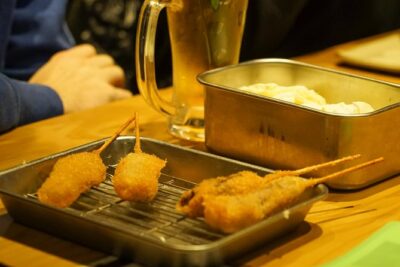 ★ 5.0Osaka Local Foodie Walking Tour in Dotonbori and ShinsekaiFrom $111985 reviews
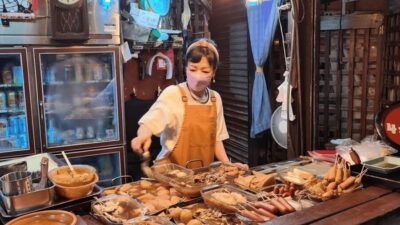 ★ 4.9Deep Backstreets Walking Tour with Dinner OptionFrom $40902 reviews
 ★ 5.0Ultimate Osaka Walking Tour: Castle, Dotonbori & Hidden GemsFrom $73862 reviews
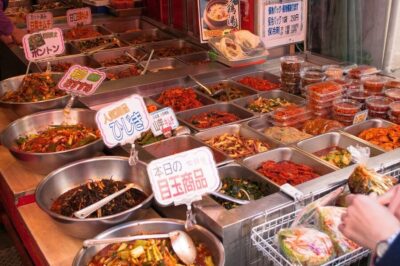 ★ 4.9Main Sights and Hidden Spots Guided Walking TourFrom $59702 reviews
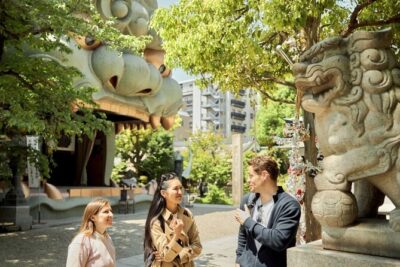 ★ 5.0Private Osaka Walking Tour: Highlights & Hidden GemsFrom $81569 reviews
 ★ 5.0Osaka Castle Walking Tour and Castle Tower AdmissionFrom $23561 reviews
 ★ 5.0Kuromon Market Food Walking Tour in Osaka (6 stops, 6 tastes)From $50550 reviews
 ★ 4.7Five Must-See Highlights Walking Tour & Ramen LunchFrom $56411 reviews
Browse the lists this tour appears in