
Reviewed · OSAKA PRIVATE TOURS
Nara private tour (Shore excursion available from Osaka or Kobe port)
Nara is famous for deer with opinions, and this tour helps you handle them. I like the private, customizable format and the included lunch, which keeps a shore-day from turning into a chaotic hunt for food and tickets. You’ll hit the big names—Todai-ji and Kasuga Grand Shrine—plus Nara’s older streets without feeling rushed.
The biggest drawback is cost reality: the tour price covers your guide and stops, but transportation isn’t included, so you’ll want to budget for train/taxi/van depending on your group.
In This Review
- Key things to know before you go
- Why this Nara private tour works for cruise days
- Price and logistics: what the $235.15 covers (and what it doesn’t)
- How the day flows: 9:00 am start and an 8-hour rhythm
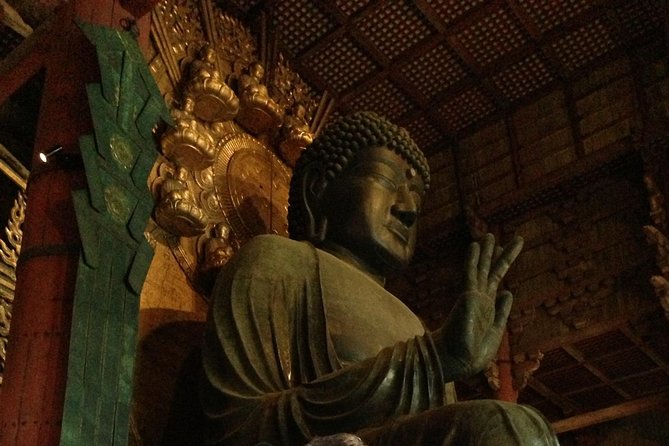
- Todai-ji Temple: giant Buddha scale and peaceful breathing room
- Kasuga Grand Shrine: Shinto setting with deer roaming nearby
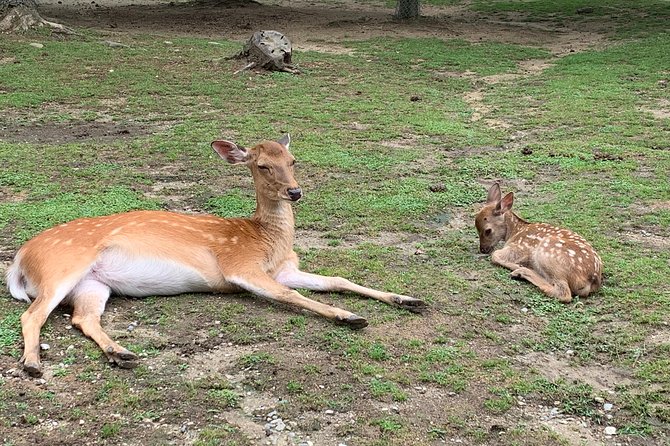
- Nara Park: cracker time, deer etiquette, and a big open break
- Naramachi: old-town streets, a traditional house visit, and optional sake tasting
- Lunch included: why it’s not a small bonus
- Your guide makes or breaks the day: Ichiro, Akie, Miyo, Kaori, Minako, and Kiko as examples
- Who should book this Nara tour (and who should think twice)
- Should you book this Nara shore excursion?
- FAQ
- What time does the tour start?
- How long is the Nara private tour?
- Is pickup and drop-off included?
- What’s included in the price besides the tour guide?
- Is transportation included?
- Are refunds available if a cruise ship misses the port arrival?
Key things to know before you go
- Port-to-temple pickup that saves time when your cruise schedule is tight
- Lunch included, so you’re not zigzagging for a quick bite mid-day
- Todai-ji and Kasuga tickets included, with a clear 8-hour pacing plan
- Deer park time built in for cracker-feeding and photos (with room to breathe)
- Naramachi old-town stop with a traditional house visit and optional sake tasting
- English-speaking guides who focus on explanations and keeping the day moving
A guide to yourselves, more private days out

Why this Nara private tour works for cruise days
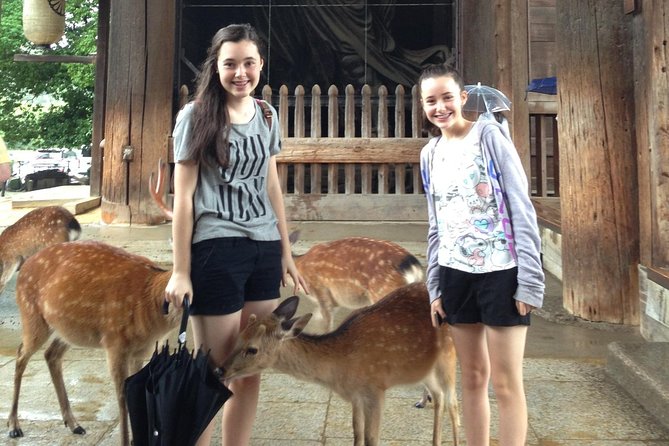
If you’re doing Nara as a shore excursion from Osaka or Kobe, time is the real boss. This is a private tour that starts around 9:00 am, with pickup from the port or your hotel and a return at the end of the day. That matters because trains, ticket lines, and “where do we meet?” moments can eat up the very hours you need for temples and a real lunch.
Nara is also a place where you can easily over-plan. You can spend half a day just getting from one landmark to another, especially if you’re not familiar with the area. Here, the day is built as a practical loop: Todai-ji first, then Kasuga Grand Shrine and Nara Park, then Naramachi.
The best part is that it’s customizable to your interests. That doesn’t mean you’ll get random stops; it means your guide can adjust pacing and emphasis—more time for shrine photos, more time for traditional streets, or extra explanations around what you’re seeing.
Price and logistics: what the $235.15 covers (and what it doesn’t)
The posted price is $235.15 per person for a private, guided day in Nara (about 8 hours). What you do get is solid: a professional guide, hotel/port pickup, drop-off, private tour, and lunch.
What you should plan for separately is transportation. The data you’ll want to remember:
- Public transportation: around 4,000 JPY per person
- Private van: from around 80,000 JPY per party for up to 8 hours
This is where the value math changes depending on your group. If you’re a small party using trains, the total cost stays closer to the base price. If you’re a larger group that prefers taxi/van comfort, you may pay more for convenience.
Also note: alcoholic drinks are not included, but you may find drinks available during the Naramachi area stop.
How the day flows: 9:00 am start and an 8-hour rhythm
This tour is structured enough that you won’t lose time, but it’s not “see everything in ten minutes” frantic. You start at 9:00 am, and the stops are grouped so you’re not constantly crossing the city.
A helpful way to think about the pacing:
- You start with something huge and calm (Todai-ji).
- You move into shrine atmosphere and deer-zone walking (Kasuga + Nara Park).
- You end with a more local, human-scale street experience (Naramachi).
Your guide’s job here isn’t only interpretation—it’s also logistics. People doing this from Osaka or Kobe often have questions like which way to enter, where to stand for photos, and how to move through crowds. You’ll feel that guidance most during the transitions between stops.
Fitness-wise, the info calls for moderate physical fitness. That usually translates to walking on temple grounds and old streets. If you have mobility limits, it’s worth thinking ahead about breaks and pace before you book.
The deer will still bow: more Nara days
Todai-ji Temple: giant Buddha scale and peaceful breathing room
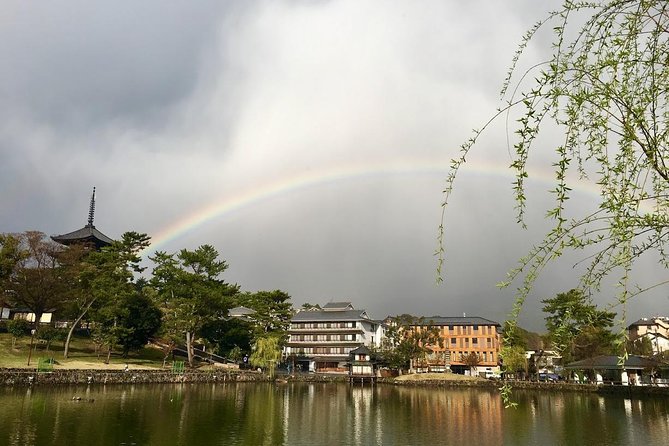
Todai-ji is the headliner, and the tour gives it the time it needs: about 1 hour, with admission ticket included.
The key experience here is the sheer scale of what you’re looking at. Todai-ji is famous for the biggest wooden building in the world and a famous Buddha statue. Even if you’ve seen Buddha images before, standing in a real temple hall hits differently—height, depth, and the quiet rhythm of people moving through sacred space.
What I like about building Todai-ji as the first major stop is energy management. You’re fresh after pickup, and the morning light tends to make photos easier. It also sets the tone: after Todai-ji, everything else feels connected, not random.
Practical tip: plan to watch your footing. Temple grounds can have uneven areas and crowds, and you’ll be moving for photos even if you aren’t rushing.
Kasuga Grand Shrine: Shinto setting with deer roaming nearby
Next comes Kasuga Grand Shrine, about 1 hour, with admission ticket included.
This shrine is known for its Shinto character and its very walkable connection to Todai-ji. The experience isn’t only the buildings; it’s the walk itself, with deer often in the background and people slowing down for shrine details.
I like how this stop naturally feeds into the deer theme without turning into a free-for-all. You get the sense of Nara as a place where the animals belong to the landscape—not just a photo prop.
If you’re someone who enjoys ritual and design, Kasuga is a good moment to slow your pace. Your guide can explain what you’re seeing in plain terms, so you’re not staring at structures without context.
Nara Park: cracker time, deer etiquette, and a big open break
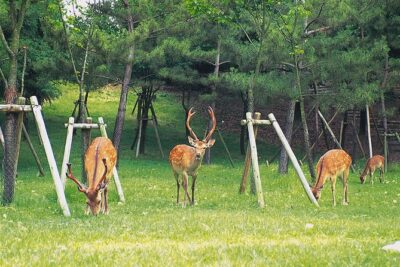
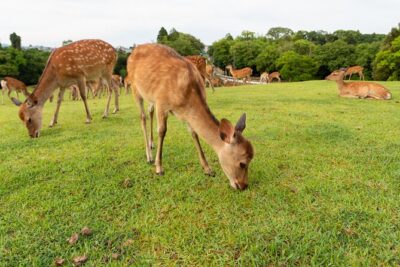
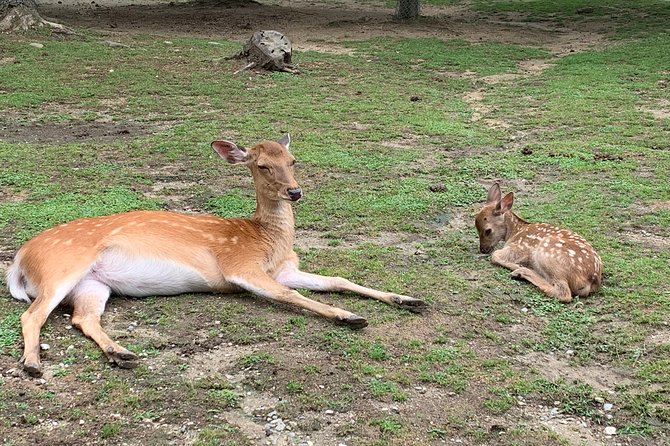
Then you hit Nara Park, roughly 30 minutes, with admission ticket free. This is your short reset: open space, atmosphere, and time to interact with the famous deer.
You can feed them special crackers. This is exactly where your guide’s presence earns its keep. Deer feeding can look simple until the mix of people, momentum, and attention becomes chaotic. A good guide helps you know when to step in, how to hold crackers safely, and how to move so you’re not blocking someone else’s photos.
A smart mindset: treat deer feeding like a quick cultural moment, not a long zoo-style activity. The park portion is short on purpose—it keeps the day balanced and protects time for Naramachi at the end.
Photo tip: turn your camera down and watch the deer for a minute before shooting. They change behavior fast depending on where people stand and how loud foot traffic is.
Naramachi: old-town streets, a traditional house visit, and optional sake tasting
The last stop is Naramachi, the older town area. You’ll spend about 1 hour 30 minutes, with admission ticket included.
This is the part that often surprises first-timers. Temples and shrines are the big ticket, but Naramachi is where you see daily texture: old houses, shops, and small food spots. The tour includes a visit to a traditional old house, which helps you connect Nara’s past to how people actually lived.
The details matter here. A shrine hall can only tell you so much about life. Naramachi shifts the focus to homes, street scale, and everyday craft.
There’s also sake tasting available in a sake shop. Alcohol itself isn’t included, but the tasting option can be a fun way to end the day with something local and low-pressure.
If you want to shop, this is also the time to do it. Naramachi is the more walk-and-browse portion of the itinerary, not the temple-photo-and-go portion.
Lunch included: why it’s not a small bonus
Having lunch included sounds like a minor detail, but it changes the feel of the whole day. In Nara, decent meals take planning, and you don’t want your best temple time shrinking because your group is searching for a place that can seat everyone.
An included lunch also means your guide can steer you toward a plan that fits the schedule—especially important when you’re coming from a port with limited land time.
Practical note: the tour doesn’t mention dietary customization in the info you provided. If you have allergies or strict requirements, it’s worth checking directly before booking.
Your guide makes or breaks the day: Ichiro, Akie, Miyo, Kaori, Minako, and Kiko as examples
Because this is a private tour, the guide isn’t background. In the way this tour is described, guides like Ichiro, Akie, Miyo, Kaori, Minako, and Kiko are key to how smooth the day feels.
What stands out:
- Meeting you promptly at the port or hotel, so you start without stress
- Explaining temples and shrines clearly, with fluent English noted by many experiences
- Staying patient when deer feeding and photo stops slow things down
- Helping groups use transit when coming from Kobe Port or Osaka
One more detail I like: the day is structured, but guides still adjust to your group. If someone in your group is more curious about culture, you’ll likely get extra context. If people just want photos with a light explanation, you’ll still get meaningful guidance without a lecture marathon.
Who should book this Nara tour (and who should think twice)
This tour fits best if you want:
- A stress-free Nara day from Osaka or Kobe, especially with cruise timing
- The main icons (Todai-ji, Kasuga, Nara Park) plus Naramachi
- A private format where you control the pace
- Lunch handled so you can keep moving
It might be less ideal if:
- Your group is totally comfortable building transit plans on your own
- You’re trying to keep the total cost as low as possible (transport fees add up)
- You expect a purely “no walking” day—this tour assumes moderate physical fitness
Also, kids must be with an adult. If you’re traveling with children, you’ll want to factor in patience for deer and crowd flow.
Should you book this Nara shore excursion?
I think this is a strong booking when you care about time and flow more than DIY. The combination of private pickup, included lunch, major UNESCO-style sites, and a finish in Naramachi makes it easier to get a rounded Nara experience without thinking too hard all day.
Before you hit the button, do two quick checks:
- Budget for transportation on top of the base price, especially if you want a private van.
- Be realistic about walking and crowd conditions around deer and temple entries.
If those fit your plan, booking this Nara private tour from Osaka or Kobe is a smart way to turn limited land time into a day that feels complete.
FAQ
What time does the tour start?
The tour start time is 9:00 am.
How long is the Nara private tour?
It runs about 8 hours (approximately).
Is pickup and drop-off included?
Yes. The tour includes hotel/port pickup and drop-off at the designated area.
What’s included in the price besides the tour guide?
The tour includes admission tickets for Todai-ji Temple and Kasuga Grand Shrine, lunch, and it covers the private tour experience.
Is transportation included?
No. Transportation cost is not included and is estimated at around 4,000 JPY per person for public transportation, or from around 80,000 JPY per party for a private van up to 8 hours.
Are refunds available if a cruise ship misses the port arrival?
No refunds are issued if the tour is missed due to late or non-arrival of the cruise ship.
Kobe, Himeji and a Hot Spring
- From Osaka: Himeji Castle, Arima Onsen & Mt. Rokko Day Tour★ 4.6 · 339 reviews
- Volleyball in Osaka, Kobe & Kyoto with locals!★ 4.8 · 131 reviews
- Discover Himeji, Kobe and Nara from Osaka★ 5.0 · 101 reviews
- Pickleball in Osaka, Kobe & Kyoto with Locals!★ 4.7 · 80 reviews
- Himeji Castle, Arima Onsen & Mt. Rokko: 1-Day Bus Tour from Osaka★ 4.0 · 28 reviews
A Day Among the Nara Deer
- Ancient Capital Tour: Kyoto and Nara Highlights from Kyoto/Osaka★ 4.5 · 332 reviews
- Kyoto and Nara Day Trip from Osaka★ 4.0 · 175 reviews
- Full Day Guided Tour to Kyoto and Nara from Osaka by Van★ 5.0 · 144 reviews
- Discover Himeji, Kobe and Nara from Osaka★ 5.0 · 101 reviews
- Kyoto & Nara Private customized tour with English speaking Guide★ 4.5 · 99 reviews
Your Osaka, at Your Pace
- Private Osaka Walking Tour: Highlights & Hidden Gems★ 5.0 · 569 reviews
- Osaka 4hr Private Tour with Government-Licensed Guide★ 5.0 · 314 reviews
- 3/4/5 Hours Private Tour in Osaka with Local Guide★ 5.0 · 189 reviews
- Osaka’s Best and Brightest: Private Full-Day Tour by Vehicle★ 5.0 · 147 reviews
- Kyoto & Nara Private customized tour with English speaking Guide★ 4.5 · 99 reviews
The Newest Osaka Write-Ups
- Private Photoshoot in Osaka with a Professional Photographer
★ 5.0 · 3 reviews - Osaka Early Morning Osaka Castle Tour Avoid Crowds
★ 5.0 · 3 reviews - Nara Private Tour with Pick and Drop and English Speaking Driver
★ 3.5 · 3 reviews - Osaka: Modern Vegetarian Sushi Cooking Class
★ 5.0 · 3 reviews - Nara Day Trip from Osaka with a Licensed Guide
★ 5.0 · 3 reviews
Osaka Private Tours, compared.
 ★ 5.0Private Osaka Walking Tour: Highlights & Hidden GemsFrom $81569 reviews
 ★ 5.0Osaka 4hr Private Tour with Government-Licensed GuideFrom $105314 reviews
 ★ 5.03/4/5 Hours Private Tour in Osaka with Local GuideFrom $95189 reviews
 ★ 5.0Osaka’s Best and Brightest: Private Full-Day Tour by VehicleFrom $600147 reviews
 ★ 5.0Full Day Tour of Kyoto with Private TransportationFrom $247130 reviews
 ★ 4.5Kyoto & Nara Private customized tour with English speaking GuideFrom $54999 reviews
 ★ 4.6Private Custom Walking Tour with a Local GuideFrom $6297 reviews
 ★ 4.93/4/5 Hours Private Tour With Local GuideFrom $11686 reviews
Browse the lists this tour appears in