
Reviewed · KOYASAN & WAKAYAMA DAY TRIPS
Mt Koya Full Day Tour from Osaka with Licensed Guide and Vehicle
One sacred mountain, a full day of meaning. This private Mt. Koya tour from Osaka mixes big-name Shingon Buddhism sites with time to understand what you’re actually seeing, not just snap photos. I like that you go with a licensed local English-speaking guide, and the pace is set up so you can learn each place’s role in Koyasan’s religious world.
Two things make this outing especially worth your time: the comfort of a private vehicle for the round-trip, and the way the guide helps you connect the dots between Kobo Daishi, temple art, and famous graves. The main drawback to plan around is practical: entrance fees and lunch are not included, and you’re also choosing 3–4 sites rather than trying to cover everything in one day.
In This Review
- Key highlights to look for
- Why Mt. Koya feels different from the start
- What you pay for: private car to Koyasan (and why it can be worth it)
- From Osaka to Koyasan: how the day stays manageable
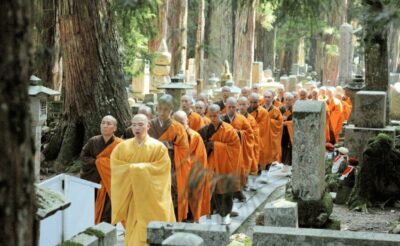
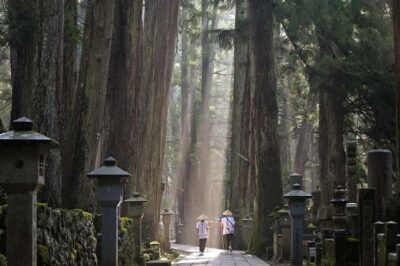
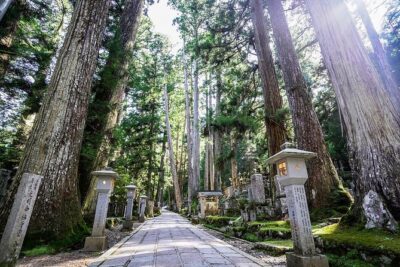
- Okunoin: Kobo Daishi’s resting place and the grave-lined heart of Koyasan
- Kongobu-ji Temple: where Shingon life, leadership, and art overlap
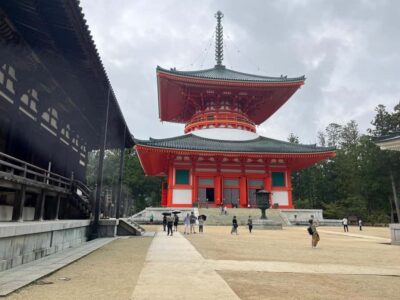
- Danjo Garan: the sacred ground where Koyasan began
- Reihokan Museum: preserved treasures, plus a temple-style entrance
- Daishi Kyokai and Tokugawa’s Mausoleum: administration and political closeness to the sacred
- How to choose your 3–4 stops without missing the day
- Weather and comfort tips that actually matter on Mt. Koya
- The guide factor: why licensed English explanation changes the experience
- Should you book this Mt. Koya day tour?
- FAQ
- Is pickup from Osaka included?
- How long does the Mt. Koya full-day tour take?
- What size group is this tour for?
- Which Koyasan sites can we visit?
- Are entrance fees and lunch included?
- Are service animals allowed?
- Is a refund possible if plans change?
Key highlights to look for
- Licensed local English-speaking guide helps you read Koyasan’s meaning, not just its signs
- Private car from Osaka keeps the day calm and efficient
- Customizable 3–4 sites means you can match the day to your interests
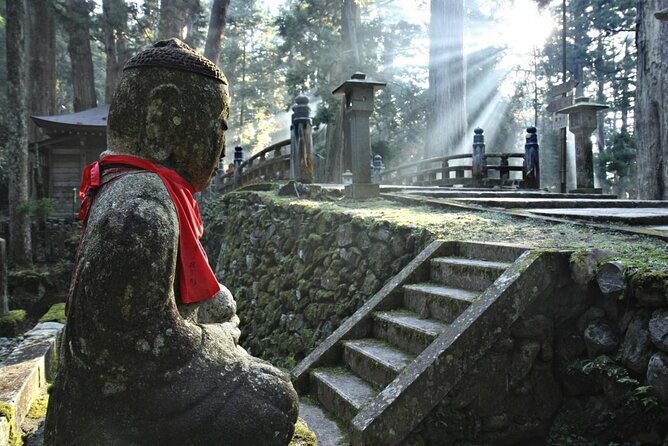
- Okunoin gives you the most iconic Koyasan experience, including Kobo Daishi’s resting place
- Reihokan Museum adds context with preserved treasures and a temple-style entrance hall
Up the mountain to Koyasan, more routes south
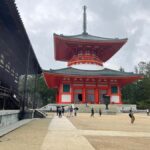
Why Mt. Koya feels different from the start
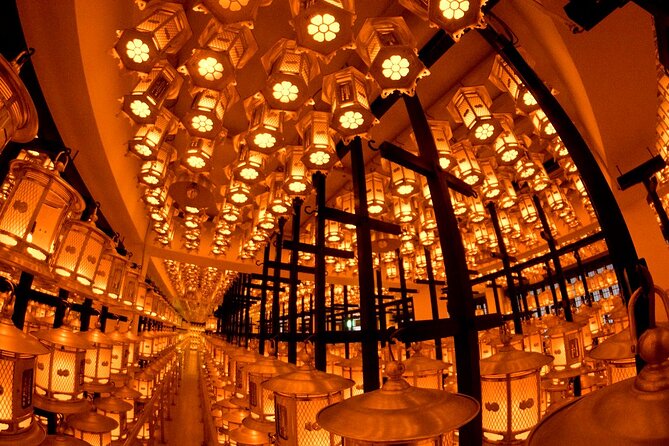
Mt. Koya (Koyasan) isn’t a stop that works as a quick photo break. You’re stepping into one of Japan’s best-known centers of Shingon Buddhism, tied to Kobo Daishi (Kukai), a name that comes up again and again across the temples. The tour’s best value is that it’s structured around understanding, so you’re not wandering through religious spaces like a sleepwalker.
I also like how the experience is built for people who want to see something outside the Osaka rush. You get to trade city noise for quiet temple grounds and explanations that put each site in context. And yes, weather can play a role: one account notes that rain and thick fog made the morning feel even more mysterious, which is exactly the kind of atmosphere you can’t fake with perfect planning.
One more point: because this is a private day trip, you can ask questions as you go. That matters at Koyasan, where the details are part of the story.
What you pay for: private car to Koyasan (and why it can be worth it)
At $898.72 per group (up to 2), this is not a budget day. The value comes from three big elements bundled together: a licensed guide, a private vehicle, and a day planned around 3–4 Koyasan sites rather than a scattershot route.
If you’re traveling as a pair and want a smooth day with minimal logistics stress, the price can start to look reasonable. Instead of coordinating buses, transfers, and timing, you’re using one vehicle for the day and letting the guide shape the stops around what you want to prioritize.
If you’re traveling solo, or you’re the type who’s happy to self-navigate temples with a guidebook only, you may feel the cost more sharply. Also remember what’s not included: lunch and entrance fees. Even if many of the stops on this route are marked as admission-free, your day still needs a bit of personal spending allowance.
From Osaka to Koyasan: how the day stays manageable
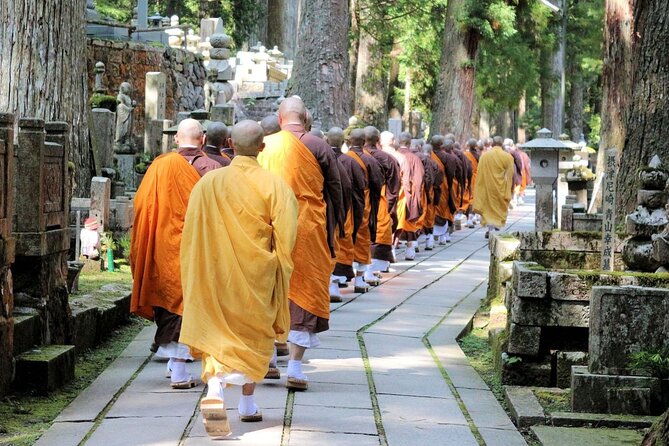
The tour runs about 8 hours, and it includes pickup offered. In practice, this means you’re less likely to lose half your day to transfers and timing. You meet your guide and then head out from Osaka toward Wakayama Prefecture to reach Mt. Koya.
That matters because the day includes several sites with different “styles” of experience. You don’t just see buildings; you move through spaces that feel ceremonial, historical, and art-focused. With a private schedule, you can keep the day from turning into a rush—especially if one stop needs extra time because you want to look closely or ask more questions.
One small planning note: the tour mentions limited car seats and booster seats, and rear-facing car seats are not available. If that affects you, you’ll want to contact the operator directly early.

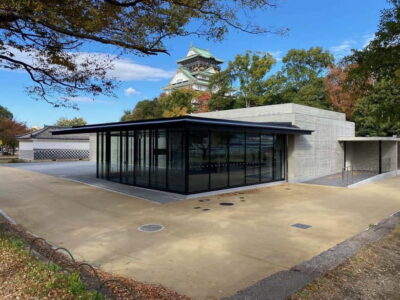
Okunoin: Kobo Daishi’s resting place and the grave-lined heart of Koyasan
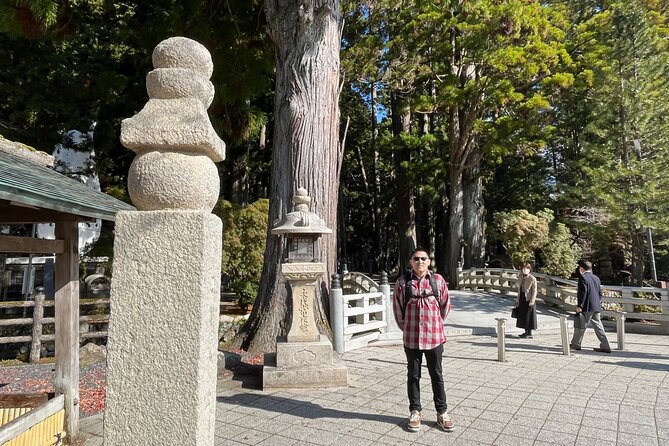
Okunoin is the emotional center of Mt. Koya, and it’s easy to see why the tour gives it a long, about 2-hour block. This is where Kobo Daishi (Kukai) is revered and where you’ll find many prominent graves along the area. Even if you don’t know the full religious background, the place communicates “this is sacred space” the moment you’re there.
What you’ll love here is how the guide links the geography to the faith. Okunoin isn’t just a landmark; it’s a spiritual anchor for the Shingon community. The value of a guide on a site like this is that you learn the difference between what looks old and what is still actively understood within the tradition.
A practical consideration: Okunoin-style environments reward slow movement. If your plan is strictly “move fast, see everything,” you might feel impatient. If you can give it time, this stop becomes the day’s most memorable piece.
Kongobu-ji Temple: where Shingon life, leadership, and art overlap
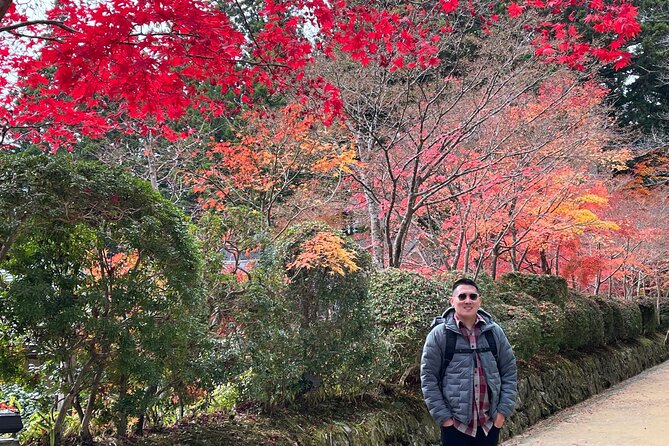
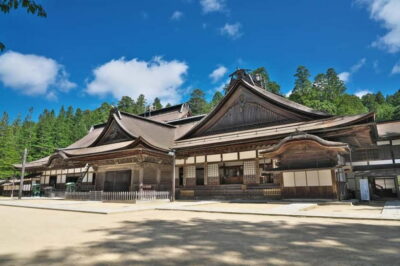
Kongobu-ji is described as the main headquarters of the Shingon Sect, with thousands of temples across Japan and millions of followers worldwide. The stop runs about 1.5 hours, which is a good length: long enough to see important parts without turning the visit into a blur.
Here’s what you should pay attention to: religious artifacts and temple art like fusuma sliding door paintings. That kind of detail is easy to miss if you’re just looking at architecture. With the guide’s explanation, those elements start to make more sense as visual teaching tools, not decorative wallpaper.
One good reason to include Kongobu-ji is that it helps balance Okunoin’s cemetery-like solemnity. This stop shifts you toward the institutional side of Koyasan—temple leadership, tradition, and how religious life organizes itself.
If you’re choosing only three or four sites for the day, I’d still treat Kongobu-ji as a “must” unless your interest is solely in the most famous graves and memorial spaces.
Danjo Garan: the sacred ground where Koyasan began
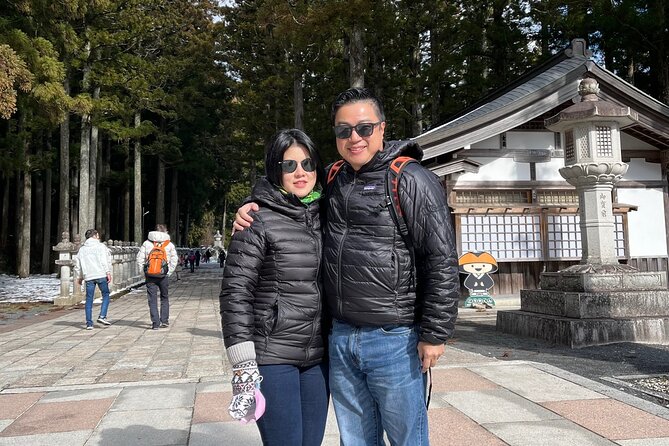
Danjo Garan gets about 1.5 hours, and it’s tied to Koyasan’s origin story. The grounds are tied to the founding in the 9th century, and Kobo Daishi is connected to ceremonies held on this exact ground. You’re also told it’s one of the two most sacred sites in Mt. Koya.
This stop is worth your time because it connects a lot of dots. The same sacred mountain can feel confusing if you only visit one type of site. Danjo Garan gives you the “beginning” side—why the location matters and how the tradition took root.
The potential drawback is simple: if you’re already feeling “temple-fatigued,” Danjo Garan can feel like another set of sacred buildings. The fix is the guide’s focus. Use them. Ask what makes this place different from the others you saw earlier that day.
Reihokan Museum: preserved treasures, plus a temple-style entrance
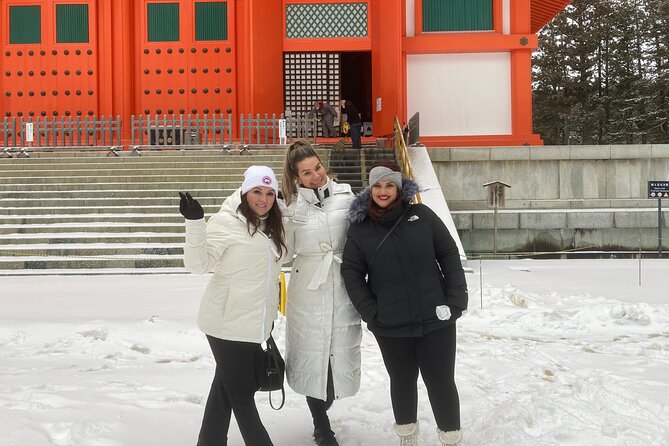
The Koyasan Reihokan Museum is about 1 hour and acts like a reset button. After moving through temple spaces, the museum helps you slow down and process what you learned. It’s built to preserve religious and cultural treasures of Koyasan.
One specific detail worth noting: the museum entrance hall is styled after Byodoin Temple in Uji. That’s a nice reminder that Japanese religious art and architecture speak to each other across regions. Inside, you’ll see the museum’s exhibits focused on Koyasan’s treasures, which makes your earlier temple visits easier to interpret because you now have cultural context.
If you like understanding objects—screens, religious artifacts, preserved items—this stop pays off. If you mostly want outdoor sights, you might feel museum time is less urgent. Still, even for outdoor-first people, an hour here often improves the whole day.
Daishi Kyokai and Tokugawa’s Mausoleum: administration and political closeness to the sacred
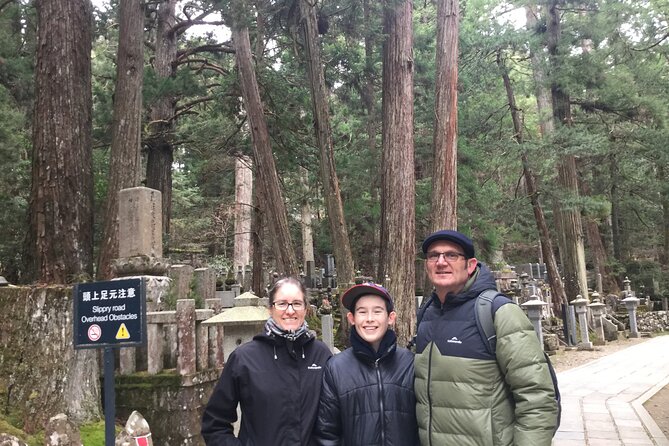
Daishi Kyokai (about 1 hour) is described as the administrative center responsible for spreading Kobo Daishi’s teachings. The complex includes two buildings, giving you a different angle on Koyasan than the more ceremonial or art-focused stops. This is where tradition runs on structure—administration, instruction, and continuity.
Then you have Tokugawa’s Mausoleum (about 1 hour). This site was built in 1643 by Tokugawa shogun Iemitsu so the Tokugawa family would have a mausoleum close to Kobo Daishi’s. That’s a fascinating link: it shows how powerful political families aligned themselves with sacred figures to strengthen legitimacy and continuity.
What I like about pairing Daishi Kyokai with Tokugawa’s Mausoleum is that you get both sides of the Koyasan story: teaching leadership and the historical relationship between faith and governance. If you’re the kind of visitor who enjoys how institutions shape beliefs, this combination can be a highlight.
How to choose your 3–4 stops without missing the day
Because the experience is designed as a customizable set of 3–4 sites from the main set, you’ll want to choose based on what you care about most.
Here’s an easy approach:
- If you want the most famous emotional center, prioritize Okunoin.
- If you care about art and temple leadership, prioritize Kongobu-ji.
- If you want Koyasan’s origin story, prioritize Danjo Garan.
- If you prefer context for objects and preservation, prioritize Reihokan Museum.
- If you want the institutional and historical/political connections, prioritize Daishi Kyokai and Tokugawa’s Mausoleum.
A balanced pick for many people is Okunoin + Kongobu-ji + either Danjo Garan or Reihokan. That mix gives you sacred ground plus instruction and meaning. If you’re history-inclined, swap in Tokugawa’s Mausoleum and spend slightly less time on the museum.
Weather and comfort tips that actually matter on Mt. Koya
Mt. Koya can be foggy or rainy, and that can change how the day feels. One account notes that rain and thick fog made the place feel even more mysterious. In other words, bad weather may not ruin your day here—it might shape it.
What you should do:
- Wear layers you can adjust if the temperature shifts.
- Bring rain protection even if the forecast looks mild.
- Plan on walking within temple areas, so comfortable shoes matter.
Also, you’re dealing with spiritual sites. Keep the vibe calm. Move with intention. When you slow down, the guide’s explanations land better and you remember more than just the first 10 minutes.
One more small note: service animals are allowed, so you don’t have to guess about that ahead of time.
The guide factor: why licensed English explanation changes the experience
The tour includes a Japanese government-licensed guide interpreter certification for understanding Japanese culture and history. That’s not just paperwork. At Koyasan, meaning comes from details, and the guide’s job is to translate that meaning into something you can follow.
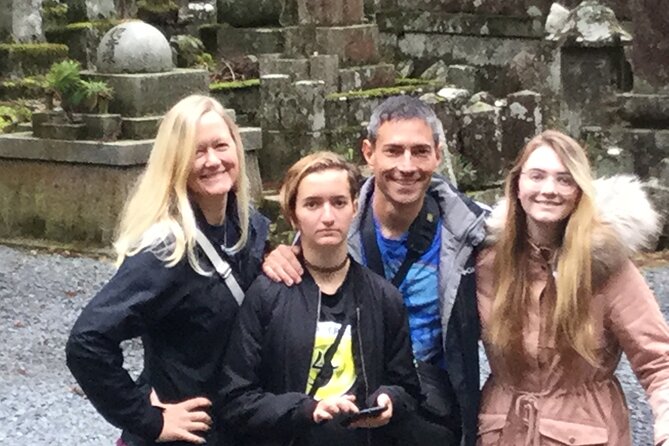
It shows in how the experience is described. In a thank-you note signed by Shuji O., the guide was credited with putting effort into translating the guide’s English explanations into French for a family member, and that helped the couple understand the place from a clearer angle. That kind of flexible communication is a real advantage if you want to ask questions or if your group isn’t fluent in Japanese.
If you’re traveling with anyone who gets impatient with long explanations, this tour can still work, but you’ll want to engage. Ask for one key takeaway per stop and let the guide guide the thread.
Should you book this Mt. Koya day tour?
I’d book it if you want a private, guided day that takes the mystery out of Koyasan without turning it into a checklist. The tour is a strong fit for couples and small groups who value comfort from Osaka plus a licensed English guide who can explain Kobo Daishi’s world across multiple sites.
You might skip it if you’re trying to do Mt. Koya on a shoestring, you don’t want to spend time in temples or museums, or you’re determined to cover everything possible in one day with no help. The customizable 3–4 site structure is a clue: this is designed for quality and understanding, not maximum quantity.
If you want an authentic Koyasan day with less stress and better context, this one is a solid choice.
FAQ
Is pickup from Osaka included?
Yes. Pickup is offered, and you’ll meet your guide at your hotel in Osaka.
How long does the Mt. Koya full-day tour take?
The tour runs about 8 hours.
What size group is this tour for?
It’s a private tour for your group, and the price is listed per group up to 2 people.
Which Koyasan sites can we visit?
You can choose 3–4 sites from the included list, such as Okunoin, Kongobu-ji Temple, Koyasan Danjo Garan, Koyasan Reihokan Museum, Koyasan Daishi Kyokai, and Tokugawa’s Mausoleum.
Are entrance fees and lunch included?
Entrance fees and lunch are not included. The listed stops are shown as admission ticket free.
Are service animals allowed?
Yes. Service animals are allowed.
Is a refund possible if plans change?
Free cancellation is available up to 24 hours in advance of the experience’s start time for a full refund.
More Tour Reviews in Osaka
- Osaka Go Karting Tour with Funny Costume★ 5.0 · 2,658 reviews
- Osaka Castle: Museum and Tower Entry Ticket★ 4.5 · 2,380 reviews
- Osaka: Shinsekai Food Tour with 13-15 Dishes at 5 Eateries★ 4.8 · 2,204 reviews
- Osaka Food Tour: 13 Dishes at 5 Local Eateries★ 5.0 · 2,149 reviews
- Hungry Osaka Street Food Tour:15 Tastings & 3 Drinks with a Local★ 5.0 · 1,727 reviews
South to the Sacred Mountain
- From Osaka/Kyoto:Mount Koya, Wakayama & Nachi Waterfall Trip★ 4.2 · 30 reviews
- Kansai Airport (KIX) Transfer to Osaka/Kobe/Kyoto/Nara/Wakayama★ 3.5 · 8 reviews
- Mount Koya: Full-Day Private Guided Tour from Osaka★ 4.4 · 7 reviews
- From Osaka/Kyoto: Mount Koya & Wakayama Private Day Trip .★ 4.0 · 7 reviews
- Koyasan Day Trip by Private Car from Osaka★ 5.0 · 5 reviews
The Newest Osaka Write-Ups
- Private Photoshoot in Osaka with a Professional Photographer
★ 5.0 · 3 reviews - Osaka Early Morning Osaka Castle Tour Avoid Crowds
★ 5.0 · 3 reviews - Nara Private Tour with Pick and Drop and English Speaking Driver
★ 3.5 · 3 reviews - Osaka: Modern Vegetarian Sushi Cooking Class
★ 5.0 · 3 reviews - Nara Day Trip from Osaka with a Licensed Guide
★ 5.0 · 3 reviews
Koyasan & Wakayama Day Trips, compared.
 ★ 4.2From Osaka/Kyoto:Mount Koya, Wakayama & Nachi Waterfall TripFrom $91030 reviews
 ★ 3.5Kansai Airport (KIX) Transfer to Osaka/Kobe/Kyoto/Nara/WakayamaFrom $658 reviews
 ★ 4.0From Osaka/Kyoto: Mount Koya & Wakayama Private Day Trip .From $6607 reviews
 ★ 4.4Mount Koya: Full-Day Private Guided Tour from OsakaFrom $2417 reviews
 ★ 3.8Koyasan: A Mysterious Meditation JourneyFrom $5395 reviews
 ★ 5.0Koyasan Day Trip by Private Car from OsakaFrom $5205 reviews
 ★ 5.0Mount Koya from Osaka: Cultural Small Group Day TourFrom $2513 reviews
Browse the lists this tour appears in