
Reviewed · KYOTO DAY TRIPS FROM OSAKA
From Osaka/Kyoto:Mount Koya, Wakayama & Nachi Waterfall Trip
A day of temples, plus a waterfall when it’s open. I like how this trip feels customizable and runs on a small group schedule, so you’re not stuck watching your own bus unload a hundred people. I also like that you get big contrasts in one go: samurai artifacts, sacred Buddhist halls, a lantern-lit cemetery walk, then dramatic coast views. One thing to consider: you’re doing real walking and stairs, so it’s not a casual stroll day.
You’ll choose between two routes—one focused on Wakayama and Mount Koya, and one that aims for Nachi Waterfall. The pace is guided and efficient, with hotel pickup/drop-off and an English-speaking leader, but you still need comfortable shoes and some patience for timing and weather.
In This Review
- Key Points You’ll Care About Before You Go
- Two Ways to Shape Your Day: Wakayama Castle + Koyasan Temples, or Add Nachi Waterfall
- Pickup, Drop-off, and How the Coach Time Works in a 12-Hour Day
- Wakayama Castle: Samurai Displays and Panoramic Reward (with Stairs)
- Kongobuji Temple on Mount Koya: Shingon Buddhism at the Center
- Mount Koya Museum: Sacred Art and Shingon History You Can Actually Use
- The Market on Mount Koya: 176 Years of Everyday Food and Crafts
- Okunoin Cemetery at Lantern-Lit Pathways: The Big Walk That Changes Your Pace
- From Sandanbeki Cave to Nachi Waterfall: Picking Your Dramatic Finish
- Option 1 finish: Sandanbeki Cave
- Option 2 finish: Nachi Waterfall
- Lunch, Photo Rules, and What to Pack for a Day of Real Steps
- Guides and Small-Group Style: Why People Keep Praising the Leadership
- Price and Value: Does $910 per Group Make Sense for You?
- Who This Tour Fits Best (and Who Should Skip It)
- Should You Book This Osaka/Kyoto to Mount Koya, Wakayama & Nachi Trip?
- FAQ
- How long is the tour?
- Where are the pickup locations?
- Where can I be dropped off?
- Is lunch included?
- Does the tour visit Nachi Waterfall?
- Will the guide speak English?
- How many people are in the group?
- What’s included in the price?
- Are photos allowed, and is flash OK?
- Is the tour wheelchair accessible or suitable for limited mobility?
Key Points You’ll Care About Before You Go
- Two route styles: Wakayama + Koyasan-only, or add Nachi Waterfall if conditions allow
- Small-group format: up to 6 people with a live English guide, so questions and photo stops can happen
- Temple rules are real: flash isn’t allowed inside temples, so plan your shots accordingly
- Stairs happen: Wakayama Castle and several viewpoints involve steps, not just flat walking
- Photo-friendly guiding: some guides have been praised for stopping for coast viewpoints and working with your camera time
- Comfort basics matter: hat, sunscreen, and a water bottle aren’t optional on a long day
Kyoto sits thirty minutes away, more ways there


Two Ways to Shape Your Day: Wakayama Castle + Koyasan Temples, or Add Nachi Waterfall
This is a 12-hour day trip with two itinerary choices, built around spirituality and scenery in Kansai. If you’re choosing option 1, you’re mixing Wakayama’s historical sites with Mount Koya’s Shingon Buddhist core sites, then finishing at Sandanbeki Cave. If you pick option 2, you keep the Mount Koya foundation and add Nachi Waterfall for a nature-and-religion finale.
The big decision is how much walking you want to do and how you feel about your waterfall plan. The tour operator notes that Nachi Falls will be closed for restoration until January 5, 2025, and they’re offering tours to Mount Koya and Wakayama in the meantime. If you book when access is limited, expect the waterfall portion to be swapped out.
Pickup, Drop-off, and How the Coach Time Works in a 12-Hour Day
The practical win here is logistics. You get hotel pickup and drop-off, with three pickup options (Osaka, Nara, Kyoto) and three drop-off options (Nara, Kyoto, Osaka). That matters because Mount Koya and the Wakayama coast are spread out enough that “figure-it-out on your own” can turn into a full-time job.
Transportation is by coach, and your guide keeps the day structured. The trade-off is you’ll spend some time in transit, so you’ll want to use that time well—download offline maps, set up your photo albums, and keep water handy. Since it’s 12 hours, it’s also the kind of day where you’ll feel better if you avoid “morning coffee and pure optimism” and instead show up ready for steps and sun.
Wakayama Castle: Samurai Displays and Panoramic Reward (with Stairs)
Wakayama Castle is a standout first stop if you like your Japanese history in a tangible form. You’ll explore a 16th-century castle site with exhibits tied to samurai history and artifacts, and you’ll also get panoramic views from the castle area.
Here’s the reality check: castle viewpoints typically mean stairs and uneven pathways. One group described it as a real test because they had to walk flights of stairs to reach the castle and later viewpoints. If you’re fit, great—this is part of the charm. If you’re planning for limited stamina, consider going heavier on breaks and choosing option 1 only.
What makes this stop worth your time is the mood shift. You go from coastal Japan history and museum-style storytelling into something more spiritual later, so your brain doesn’t feel like it’s doing the same thing all day.
Up the mountain to Koyasan, more routes south

Kongobuji Temple on Mount Koya: Shingon Buddhism at the Center
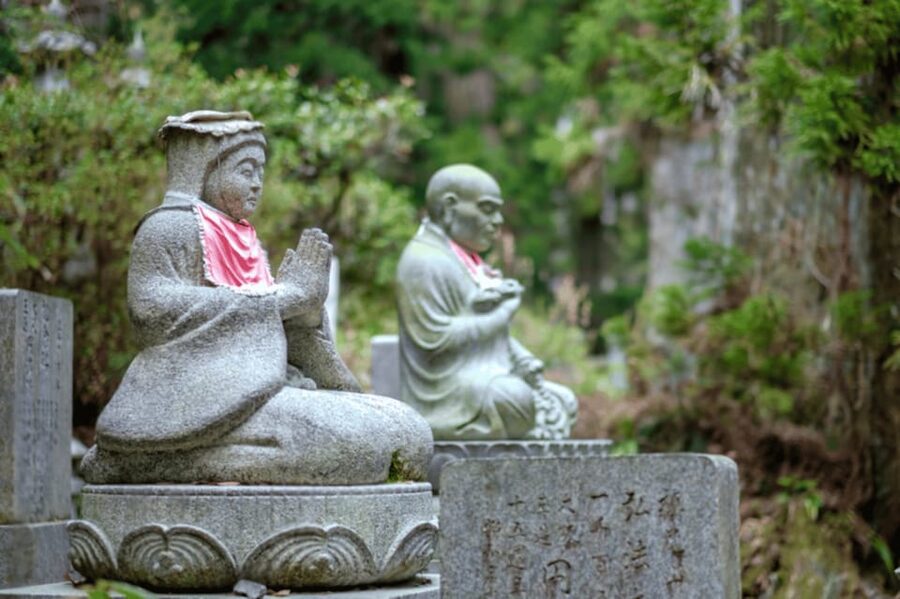
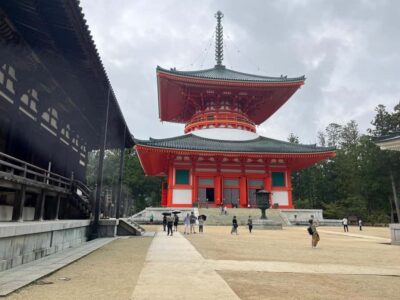
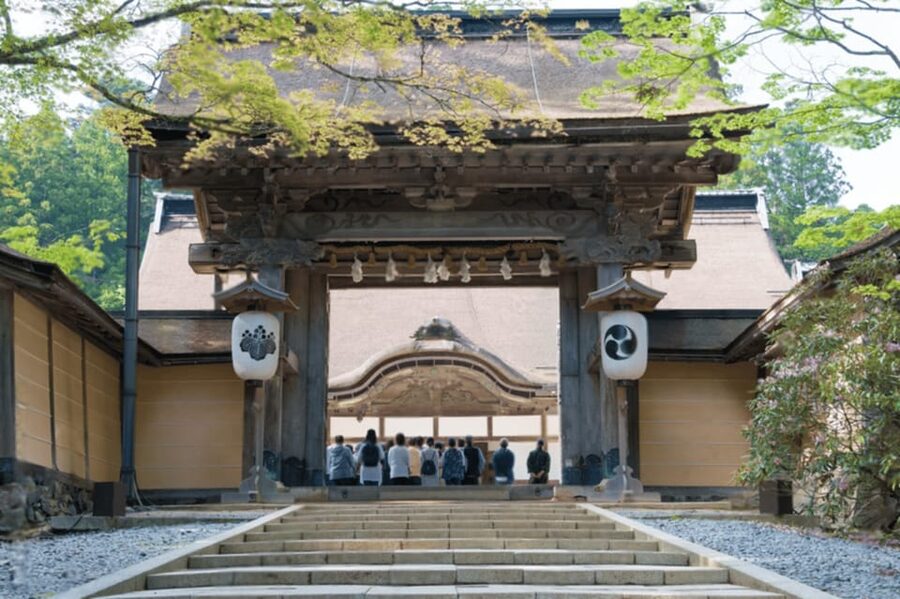
Mount Koya is where the day turns from “sightseeing” into something more focused. You’ll visit Kongobuji Temple, the main temple of Shingon Buddhism, known for its traditional architecture and peaceful interior spaces.
This is also where photography rules kick in. Photos are allowed, but flash photography isn’t permitted inside temples. That’s not a “just because” rule—it helps protect the sanctity of the spaces and avoids distracting other visitors. If you rely on flash for low light, you’ll need a different strategy: steady your hands, bump ISO if your camera allows, and plan shots from the edge where lighting is better.
The best part of a guided visit here is context. A good guide can explain what you’re looking at and why certain halls and garden areas feel the way they do. Based on guide feedback, people like Faizan, Rana, and Tahir have been praised for strong English and for giving a quick intro before you break off to explore.
Mount Koya Museum: Sacred Art and Shingon History You Can Actually Use
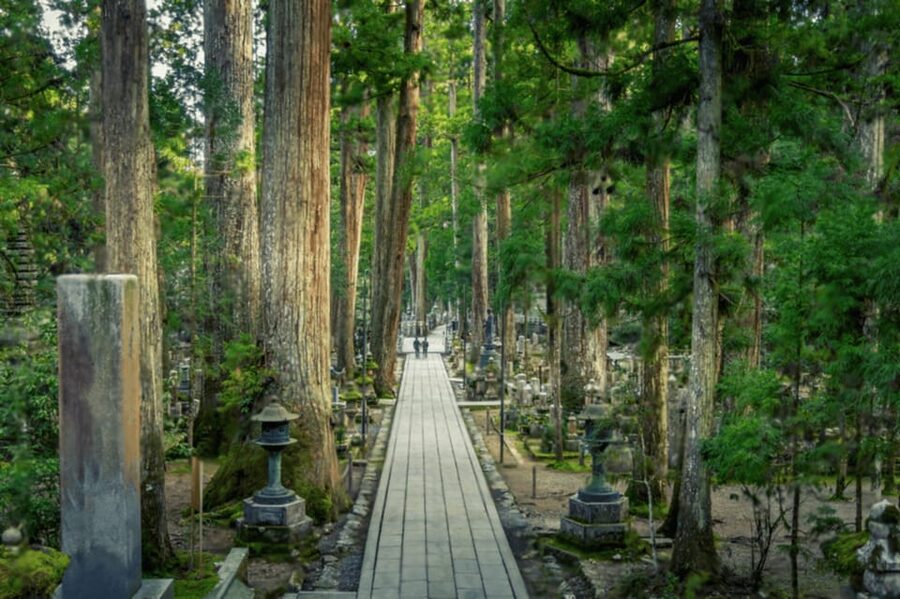
You’ll spend time at the Mount Koya Museum, which focuses on the history and art of the Shingon sect. This stop helps connect the dots. Without it, temple visuals can feel like they’re all “pretty things.” With it, you start noticing symbols, styles, and themes that make the architecture and rituals feel less random.
One more practical detail: museums tend to be where you catch your breath. You’re still learning, but you’re not climbing steps every five minutes. It’s a good reset point in a day that’s otherwise heavy on walking and viewpoints.
The Market on Mount Koya: 176 Years of Everyday Food and Crafts
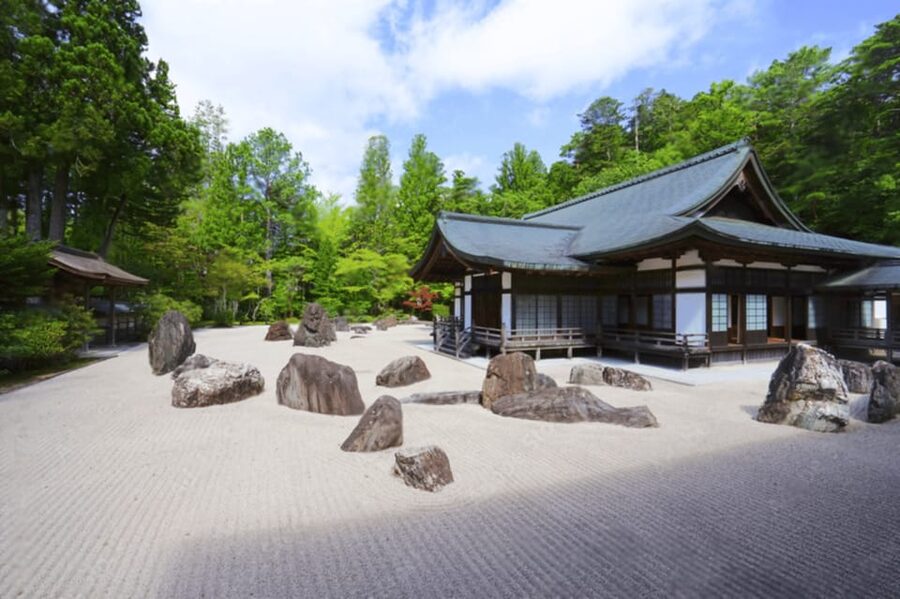
A fun detour on option 2 is the Mount Koya market, described as 176 years old. This is where you can slow down for a snack, pick up small crafts, and feel the everyday side of a place that’s often framed as strictly spiritual.
If you like souvenirs that aren’t just mass-produced magnets, this is the kind of stop where local goods can make sense. Since the tour includes lunch but still leaves time for breaks, the market can fill the gap if you want something light between temple halls and later coast stops.
Okunoin Cemetery at Lantern-Lit Pathways: The Big Walk That Changes Your Pace
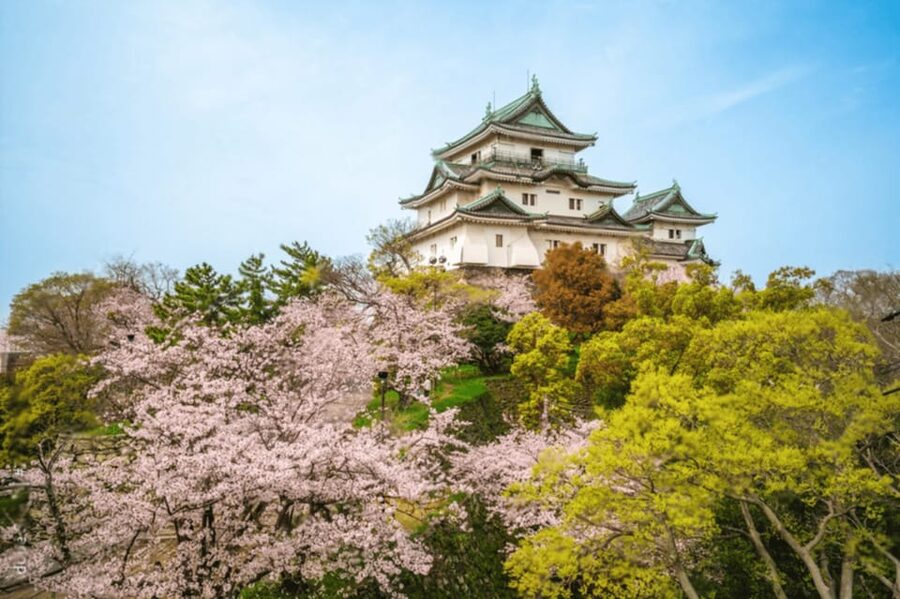
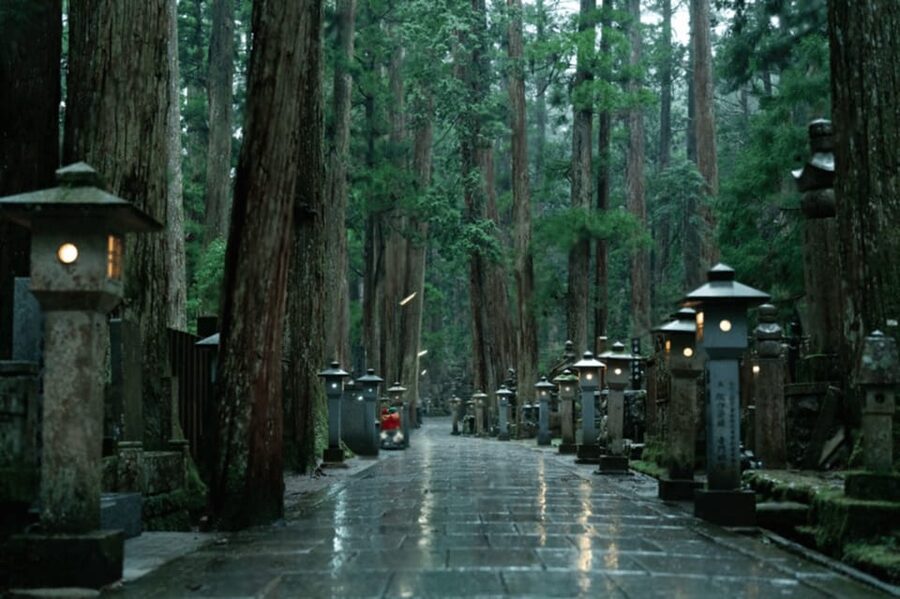
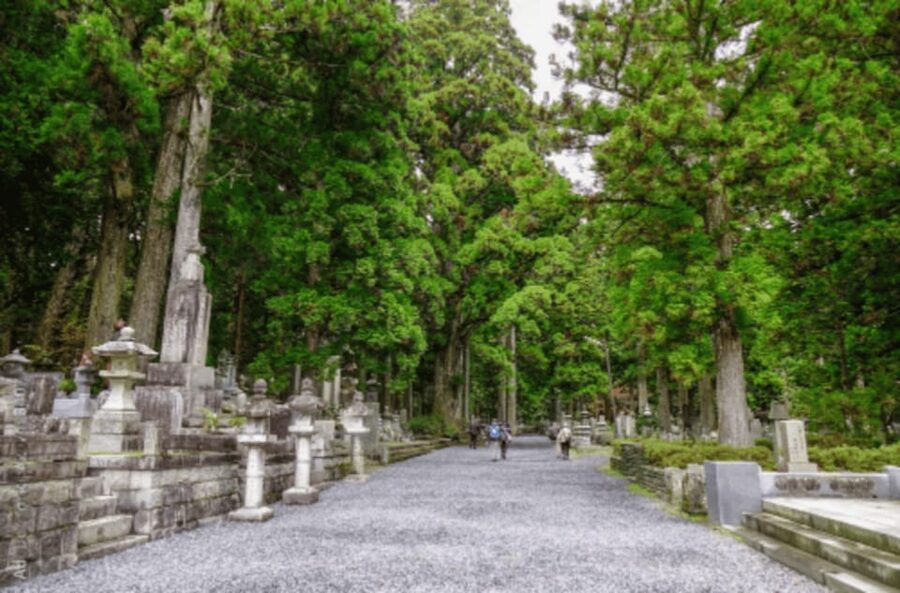
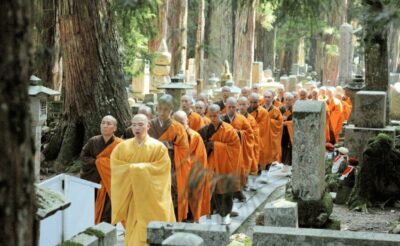
Okunoin Cemetery is the Japan-scale stop on the list. It’s described as Japan’s largest cemetery, and the pathways are lantern-lit at the time you’ll walk through. You’re honoring historical figures and monks, and the effect comes less from one single monument and more from the long, quiet sense of place.
Expect moderate walking. The tone can also feel different from the castle or museum stops, so give yourself time to slow down. One group specifically called out the lantern-lined experience as part of what made the day memorable—especially after a morning of travel and stairs.
This isn’t a “rush to the viewpoint” stop. If you move fast, you’ll miss what makes it powerful. Think of it like a guided pause rather than an added obligation.
From Sandanbeki Cave to Nachi Waterfall: Picking Your Dramatic Finish
Your final stop depends on the route you choose.
Option 1 finish: Sandanbeki Cave
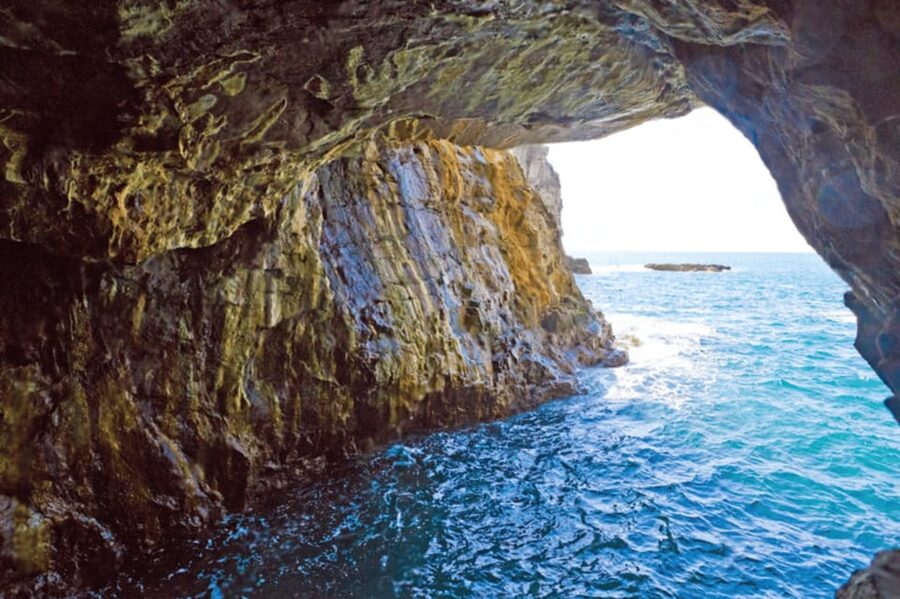
Sandanbeki Cave is described as dramatic and coastal, with rugged cliffs and a story tied to a pirate hideout. The romance here is in the scenery and the way the guide frames the location. It’s a good last “wow” that still fits within the Wakayama + Mount Koya style day.
Option 2 finish: Nachi Waterfall
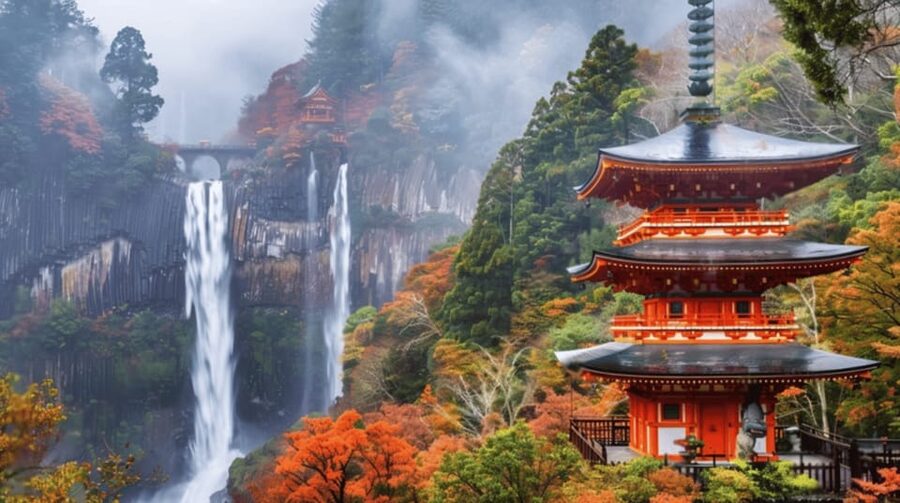
If Nachi Waterfall is accessible, it’s the big headline. It’s described as Japan’s tallest single-tier waterfall, set in dense forest and connected to Nachi Taisha Shrine. This is the kind of natural sight that works even if the weather isn’t perfect.
And weather can make it better. One set of feedback described how heavy rain made the waterfall feel epic. If it’s misty or stormy, bring the right attitude and focus on what you can see rather than what you wish you could.
Also note: if the waterfall is closed due to restoration status, the operator says they’ll shift you toward Mount Koya and Wakayama sites instead.
Lunch, Photo Rules, and What to Pack for a Day of Real Steps
Lunch is included, and vegetarian options are available. If you have dietary needs, communicate them in advance so you’re not stuck improvising later.
Packing is straightforward, but don’t skip it:
- Comfortable shoes (you’ll walk more than you expect)
- A hat and sunscreen for sun and glare
- A water bottle (stay hydrated on a long day)
- Camera for photos, with the understanding that flash isn’t allowed inside temples
One more small habit that pays off: wear layers. Mountain temples and coastal areas can feel different from the city, especially in wind and rain.
Guides and Small-Group Style: Why People Keep Praising the Leadership
The most praised aspect is the human part: how smoothly the day runs with a guide who can adjust on the fly.
Across feedback, guides like Faizan, Rana, Tahir, Hamza, and Muhammad Ahmad have been singled out for different strengths:
- Flexibility with scheduling and photo time, especially around Nachi when people want extra shots
- Good English plus clear explanations before you go off to explore
- Thoughtful pacing and breaks when the day gets physically demanding
- Driving skills noted as impressive, which matters on routes that involve curving roads and long stretches
With a max group size of 6, you’re less likely to feel like you’re being herded. You can ask questions, and if you need a short pause, it’s easier for the guide to adapt.
Price and Value: Does $910 per Group Make Sense for You?
The price is listed as $910 per group for up to 6 people. If you book with a full group, that’s about $152 per person before any add-ons you might choose outside the included items.
What’s included:
- Hotel pickup and drop-off
- Professional guide
- Coach transportation
- Entrance fees of some sites
- Tips
Lunch is also included, based on the provided details, and vegetarian options are available. So you’re not paying separately for every stop.
Where the value is strongest is when you want a guided day but don’t want to plan buses, routes, ticket timing, and translations across multiple locations. The coach day format can be cost-efficient compared to a taxi-and-ticket scramble—especially if you’re traveling with friends and can fill the small group cap.
Where it’s less efficient is if you’re traveling solo and the group price won’t be shared much. Still, the small-group structure and included guide attention can be worth it if you’d otherwise need private guiding.
Who This Tour Fits Best (and Who Should Skip It)
This is a good fit for you if:
- You want Mount Koya + Wakayama in one day with a guide
- You like a mix of history, temples, and coast scenery
- You’re comfortable with moderate walking and temple environments
- You want photo time without rushing
It may not be a good fit if:
- You’re traveling with young kids. It’s noted as not suitable for children under 6.
- You’re pregnant. It’s listed as not suitable for pregnant women.
- You use a wheelchair or need mobility support. Even though it’s listed as wheelchair accessible, it’s also noted as not suitable for wheelchair users and people with mobility impairments. Given the walking and stairs described, assume it could be challenging.
If you’re on the edge, choose option 1 rather than adding Nachi Waterfall, and plan for breaks.
Should You Book This Osaka/Kyoto to Mount Koya, Wakayama & Nachi Trip?
I’d book this if you want a guided day that feels focused but not narrow: castle history, Shingon temple sites, a cemetery with lantern-lit paths, and a dramatic coastal ending. The small group size and strong English guidance are exactly what you want when you’re visiting places where details matter.
I’d hesitate if you know you can’t handle stairs and uneven walking. Also double-check Nachi Waterfall status for your travel dates because restoration closures have been noted, and the plan may shift.
If you can handle a long day on your feet, this tour is a practical way to get a lot of Kansai’s spiritual and coastal highlights into one shot without turning your trip into logistics homework.
FAQ
How long is the tour?
The duration is listed as 12 hours.
Where are the pickup locations?
Pickup options are Osaka, Nara, and Kyoto.
Where can I be dropped off?
Drop-off options are Nara, Kyoto, and Osaka.
Is lunch included?
Yes. Lunch is included, and vegetarian options are available.
Does the tour visit Nachi Waterfall?
There are two itinerary options. One includes Nachi Waterfall, and the operator also notes Nachi Falls are closed for restoration until January 5, 2025, with alternative Mount Koya and Wakayama-focused tours offered in the meantime.
Will the guide speak English?
Yes. The tour includes a live English-speaking guide.
How many people are in the group?
It’s a small group limited to 6 participants.
What’s included in the price?
The listed inclusions are hotel pickup and drop-off, a professional guide, transportation by coach, entrance fees of some sites, and tips. Lunch is also included.
Are photos allowed, and is flash OK?
Photography is allowed, but flash photography is not permitted inside temples.
Is the tour wheelchair accessible or suitable for limited mobility?
It’s listed as wheelchair accessible, but it’s also noted as not suitable for wheelchair users and for people with mobility impairments. The day includes moderate walking, so limited mobility travelers should assume it may be difficult.
More Tour Reviews in Osaka
- Osaka Go Karting Tour with Funny Costume★ 5.0 · 2,658 reviews
- Osaka Castle: Museum and Tower Entry Ticket★ 4.5 · 2,380 reviews
- Osaka: Shinsekai Food Tour with 13-15 Dishes at 5 Eateries★ 4.8 · 2,204 reviews
- Osaka Food Tour: 13 Dishes at 5 Local Eateries★ 5.0 · 2,149 reviews
- Hungry Osaka Street Food Tour:15 Tastings & 3 Drinks with a Local★ 5.0 · 1,727 reviews
South to the Sacred Mountain
- Kansai Airport (KIX) Transfer to Osaka/Kobe/Kyoto/Nara/Wakayama★ 3.5 · 8 reviews
- Mt Koya Full Day Tour from Osaka with Licensed Guide and Vehicle★ 5.0 · 8 reviews
- Mount Koya: Full-Day Private Guided Tour from Osaka★ 4.4 · 7 reviews
- From Osaka/Kyoto: Mount Koya & Wakayama Private Day Trip .★ 4.0 · 7 reviews
- Koyasan Day Trip by Private Car from Osaka★ 5.0 · 5 reviews
Kyoto, Just Up the Line
- Osaka/Kyoto: Hiroshima Miyajima Bus Tour & Shinkansen Ticket★ 4.7 · 919 reviews
- From Kyoto/Osaka: Kyoto Top Highlights 1-Day Guided Bus Tour★ 4.5 · 714 reviews
- Ancient Capital Tour: Kyoto and Nara Highlights from Kyoto/Osaka★ 4.5 · 332 reviews
- Osaka/Kyoto: Amanohashidate & Miyama Tour with Boat & Lunch★ 4.6 · 207 reviews
- Kyoto and Nara Day Trip from Osaka★ 4.0 · 175 reviews
The Newest Osaka Write-Ups
- Private Photoshoot in Osaka with a Professional Photographer
★ 5.0 · 3 reviews - Osaka Early Morning Osaka Castle Tour Avoid Crowds
★ 5.0 · 3 reviews - Nara Private Tour with Pick and Drop and English Speaking Driver
★ 3.5 · 3 reviews - Osaka: Modern Vegetarian Sushi Cooking Class
★ 5.0 · 3 reviews - Nara Day Trip from Osaka with a Licensed Guide
★ 5.0 · 3 reviews
Kyoto Day Trips from Osaka, compared.
 ★ 4.7Osaka/Kyoto: Hiroshima Miyajima Bus Tour & Shinkansen TicketFrom $277919 reviews
 ★ 4.5From Kyoto/Osaka: Kyoto Top Highlights 1-Day Guided Bus TourFrom $51714 reviews
 ★ 4.5Ancient Capital Tour: Kyoto and Nara Highlights from Kyoto/OsakaFrom $90332 reviews
 ★ 4.6Osaka/Kyoto: Amanohashidate & Miyama Tour with Boat & LunchFrom $71207 reviews
 ★ 4.0Kyoto and Nara Day Trip from OsakaFrom $198175 reviews
 ★ 4.5Sagano Romantic Train & Arashiyama, Kiyomizudera, Fushimi Inari Taisha Day TourFrom $82171 reviews
 ★ 5.0Full Day Guided Tour to Kyoto and Nara from Osaka by VanFrom $96144 reviews
 ★ 4.8Volleyball in Osaka, Kobe & Kyoto with locals!From $6131 reviews
Browse the lists this tour appears in