
Reviewed · KOYASAN & WAKAYAMA DAY TRIPS
Koyasan: A Mysterious Meditation Journey
Koyasan feels like stepping into a different time. This trip is built for a calm, temple-first day in Japan’s major Buddhist center, with hotel pickup and a smooth, direct drive. I especially like the way the route brings you into Kongobu-ji territory quickly, so you’re not spending your morning figuring things out.
I also like the option to focus your visit on the Okuno-in pilgrimage area, tied to Kobo Daishi (Kukai). One drawback to consider: it’s a day that can feel temple-heavy, so plan on comfortable walking shoes and a patient pace—Koyasan asks you to slow down.
In This Review
- Key moments that make this Koyasan visit feel special
- From Osaka or Kyoto to a mountain temple world
- Entering Koyasan through the 25m Daimon Gate
- Kongobu-ji: choosing the Shingon main temple experience
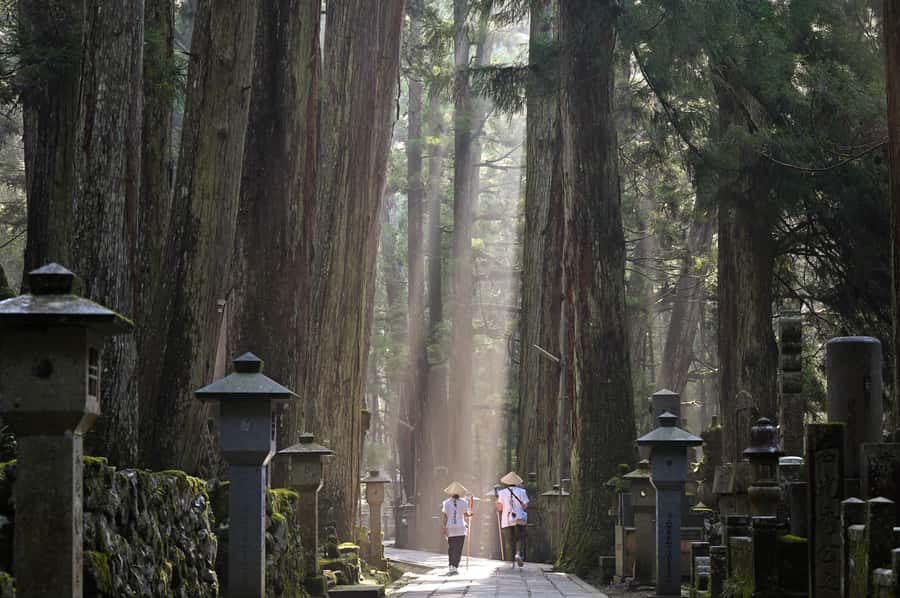
- Okuno-in and Kobo Daishi: the pilgrimage route feeling
- Danjo Garan Sacred Temple and Koyasan Reihokan Museum
- Optional monk-led meditation training (and temple stay option)
- How the pace works: morning start to evening return
- Translation support and the role of your driver
- Price and value: what you’re paying for at $539 per group
- Who should book this Koyasan experience
- A small name you might hear: guide Mia
- Should you book this Koyasan Meditation Journey?
- FAQ
- How long is the tour service time?
- Where does the pickup happen?
- How far is the drive from Osaka or Kyoto?
- What temple stops are included?
- Is meditation included?
- Are entrance fees included?
- Are meals included?
- What languages are supported?
- What about baby seats?
- What if I need to change the day due to time limits?
- What’s the cancellation policy?
Key moments that make this Koyasan visit feel special
- 25m vermilion Daimon Gate: walk through the giant gate and enter the temple realm with tall wooden guardians flanking the path
- Choice-driven temple time: you can spend your energy on Kongobu-ji or the Okuno-in of Kobo Daishi (or mix in major stops)
- Danjo Garan Sacred Temple + Koyasan Reihokan Museum: balance spiritual atmosphere with an on-site cultural learning stop
- Optional monk-led meditation training: follow a monk for meditation practice, with the option to live in the temple for longer training
- Big day, not a rushed one: designed as a relaxed trip, with return to your hotel in the evening
Up the mountain to Koyasan, more routes south
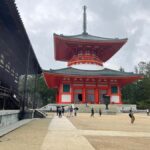
From Osaka or Kyoto to a mountain temple world
This is a straightforward way to reach Koyasan without turning your day into a transportation project. You’ll get morning hotel pickup, then a drive of about 2 hours up toward the holy area in Honshu. Once you’re dropped near the main entrance, the rest of your time is about walking, visiting, and breathing slower.
That hotel pickup part matters more than it sounds. In places like Koyasan, one wrong turn—or one bus missed—can eat up hours. Here, the air-conditioned vehicle, parking fee, and fuel/tolls are handled for you, so you stay focused on the actual pilgrimage.
The tour also gives you practical in-car comfort: WiFi in the car and even an electronic charging cable/socket. If you’re the type who wants to keep maps, translations, or music accessible, that detail can save stress.
Entering Koyasan through the 25m Daimon Gate
The day begins at Koyasan Daimon Gate, and you’ll go through a dramatic 25m height vermilion gateway. That scale sets the tone fast: you’re not just visiting a couple of buildings, you’re entering a sacred zone where the atmosphere does the work.
The gates come with wooden guardians on both sides, which helps you feel the boundary between everyday life and temple grounds. There’s also an important historical detail in the experience: Koyasan was once a quiet place only open to men. After about 150 years of change, it’s now open to welcome every spiritual traveler, male or female.
That context is worth holding in your mind while you walk. It turns a simple photo moment into a reminder that religious places adapt over time, even while the traditions remain.
Kongobu-ji: choosing the Shingon main temple experience
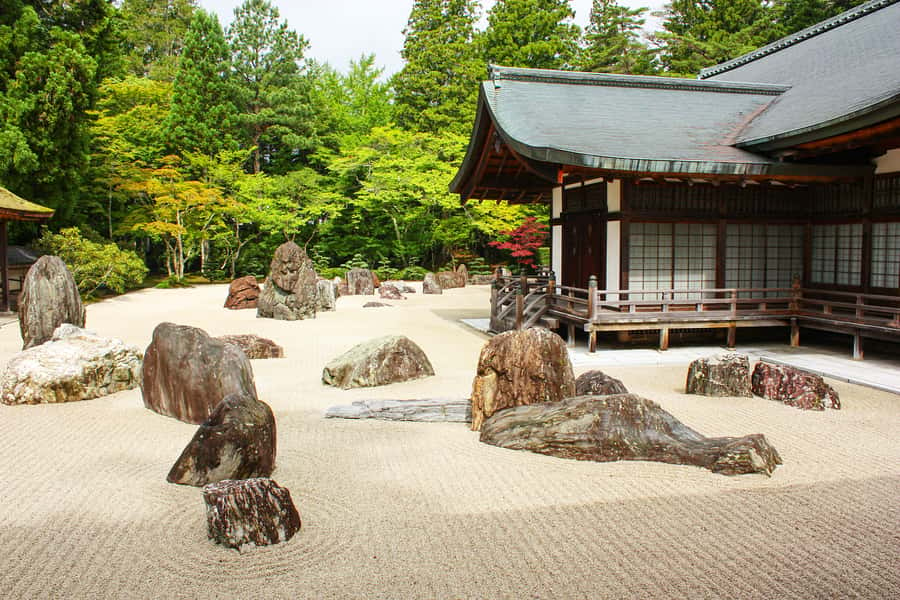
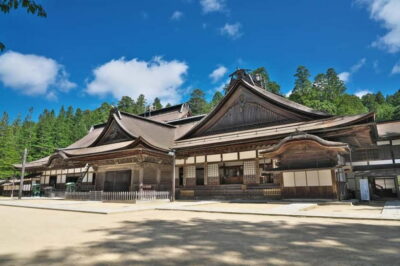
Kongobu-ji is presented as the Shingon Sect main temple, and that role shapes how your visit feels. When you choose it, you’re signaling that you want the core institutional side of Koyasan Buddhism—big temple presence, Shingon influence, and that classic temple-world rhythm.
You’ll have time to stroll in Kongobu-ji Temple and pick up the cultural feel of Japanese Buddhism as you move through the site. The value here is less about trying to check boxes and more about letting the space work on you. In a one-day visit, that kind of guided focus helps you avoid wandering aimlessly.
If you’re drawn to the idea of learning how a tradition is organized—how it’s practiced in major temples—Kongobu-ji fits that instinct. If you want the most emotional pilgrimage vibe, you might prefer to shift your attention to Okuno-in instead. Either choice is valid; the difference is the flavor of what you want your day to emphasize.



Okuno-in and Kobo Daishi: the pilgrimage route feeling
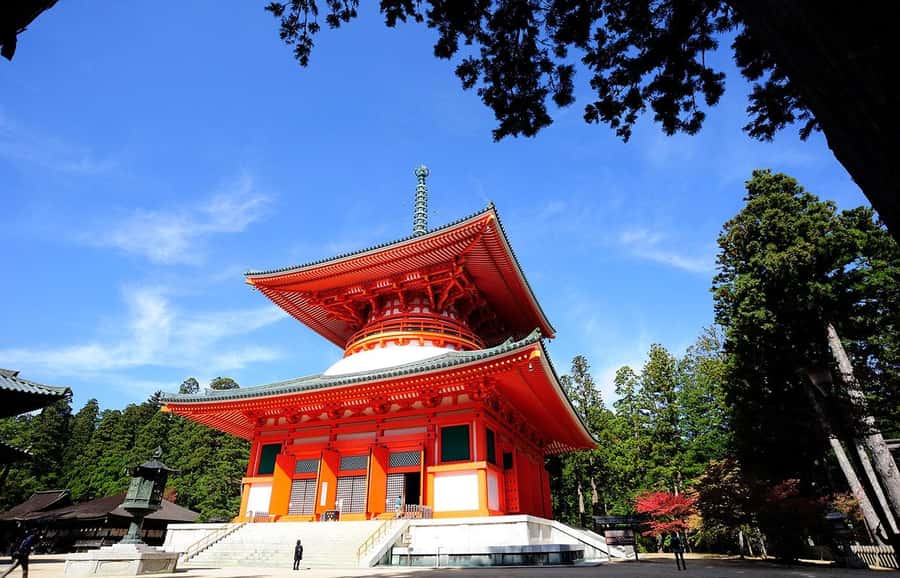
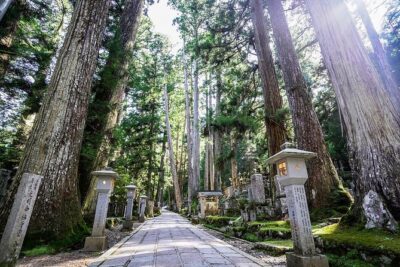
If Kongobu-ji feels like the center of the tradition, Okuno-in feels like the story of devotion in physical form. This stop is tied to Kobo Daishi (Kukai), and the experience highlights that countless nobles, celebrities, and great samurai rest there.
That detail changes how you’ll likely move through the area. You’re not just looking at temples; you’re visiting a resting place connected with major historical names. It can feel more personal than you expect, especially if you like when a place connects belief with real human history.
The tour makes this section a genuine option, not a rushed detour. You can climb in Koyasan and choose your destination, with Okuno-in being a top pick for people who want pilgrimage energy over general sightseeing.
Seasonal bonus: the information notes that on summer nights you can sometimes see fireflies, and even flying squirrel sightings. You shouldn’t treat that as guaranteed, but it’s a sweet reminder that Koyasan is not only religious architecture—it’s also nature and atmosphere.
Danjo Garan Sacred Temple and Koyasan Reihokan Museum
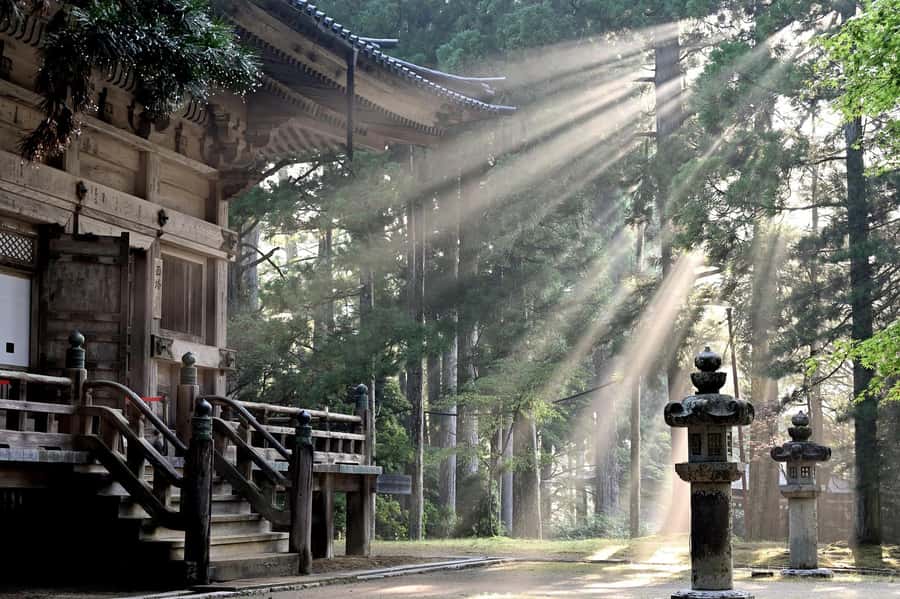
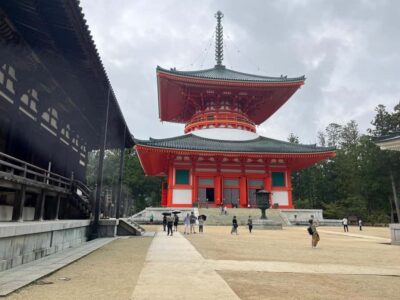
Not every moment in Koyasan has to be pure silence and prayer. The experience also includes time at Danjo Garan Sacred Temple and the Koyasan Reihokan Museum, two stops that can add different types of meaning.
Danjo Garan Sacred Temple keeps the spiritual focus moving forward. You get another temple setting to absorb the rhythm of the day, especially useful if you’ve already spent time at either Kongobu-ji or Okuno-in and want another sacred site to round out your experience.
The museum angle is valuable if you want your day to feel grounded in context. Museums don’t replace temple visits, but they can help you understand what you’re seeing, and why it matters within the larger Shingon Buddhist world. Even if you’re not a museum person, this one can help connect the dots when the day’s visual impact is strong.
The biggest practical point: these are named stops with a clear place in your schedule. That’s helpful when you’re on a tight one-day window and don’t want to guess what else to fit in.
Optional monk-led meditation training (and temple stay option)
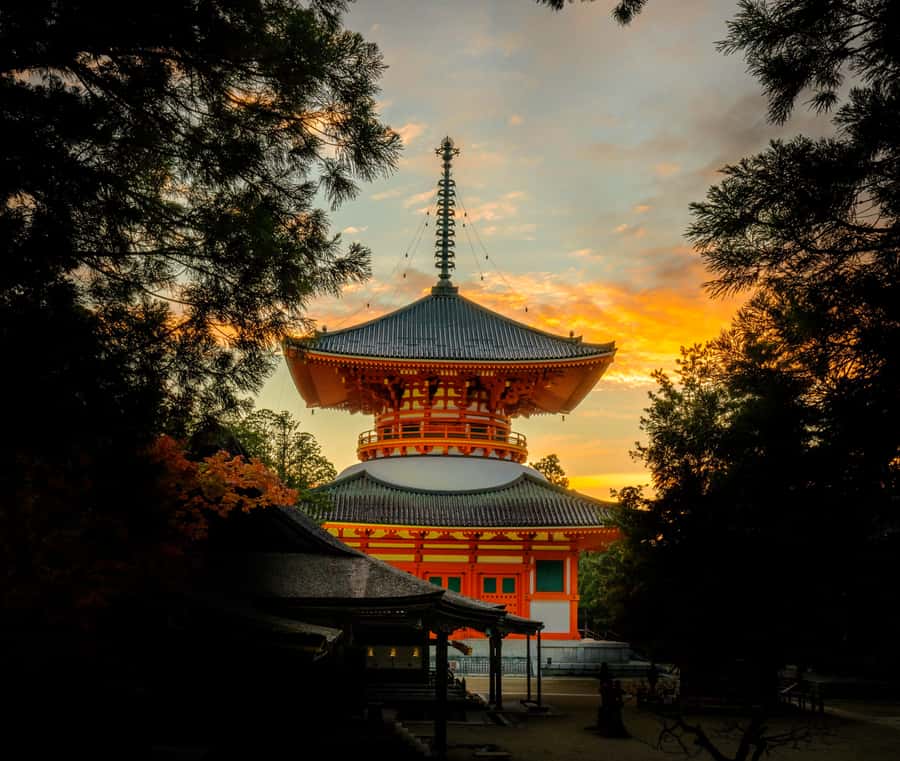
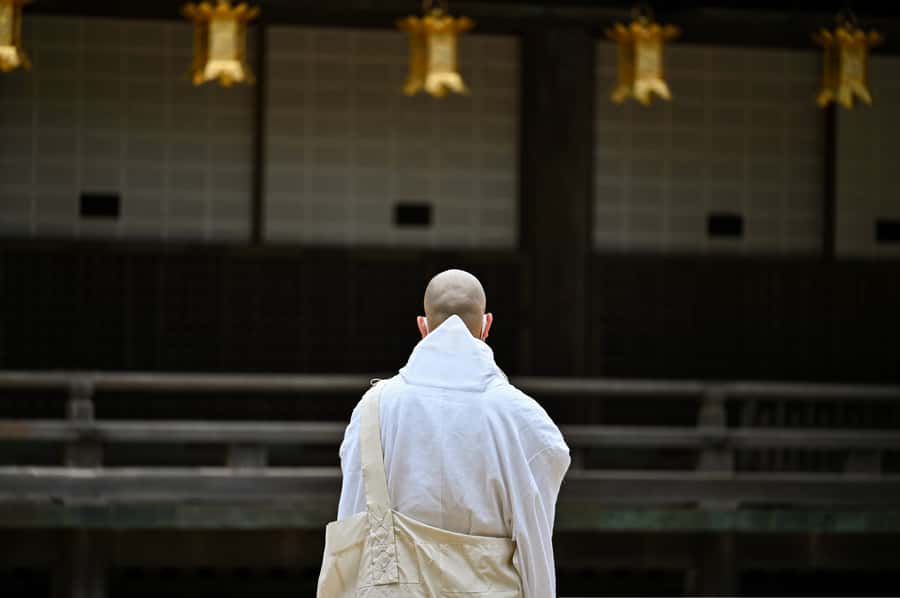
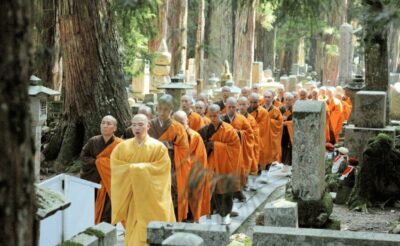
Here’s the part that turns a sightseeing day into a practice experience. The tour offers an optional live-in temple meditation experience, where you follow the monk to do meditation training.
If you’ve ever wondered what meditation feels like in a real temple setting, this is the kind of option that makes it less abstract. The key is that you’re not just attending a demo. You’re following a monk’s guidance through a training structure.
One caution to keep it realistic: the data frames this as optional, and “live in the temple” implies an added level of commitment and comfort planning. If you’re sensitive to schedule shifts or don’t want a deeper immersion, you can still enjoy the temple pilgrimage without choosing the meditation portion.
Also, remember that Koyasan has a wider culture of practice activities listed for this experience: meditation, sutra copying, private guided tours by monks, and even options for longer-term meditation stays. Your one-day choice might not include everything, but knowing these exist helps you set expectations. Think of your day as an introduction with a door open to more practice later.
How the pace works: morning start to evening return
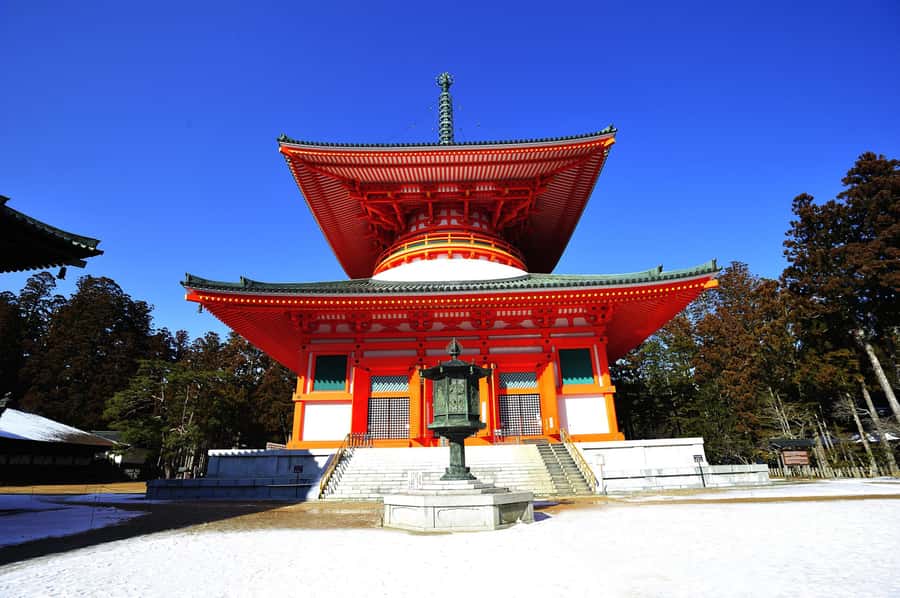
This is designed as a relaxed day trip. After pickup and the drive, you spend time exploring the gates and major temple destinations, and you return to your hotel around evening. The experience emphasizes that there’s no need to rush, which matters in a place like Koyasan where the atmosphere rewards slower steps.
You get about 10 hours of services in total, and it can be extended with an additional charge. For many people, that’s the sweet spot: long enough to see the main sacred points, short enough that you don’t feel exhausted before the important moments.
For practical planning, bring whatever you use to stay comfortable for quiet walking time: layers for changing mountain air, water if you prefer it, and shoes you can trust. Since entrance fees and food aren’t included, you’ll want a simple plan for meals and budgeting, especially if your temple choice pushes you into more walking.
Translation support and the role of your driver
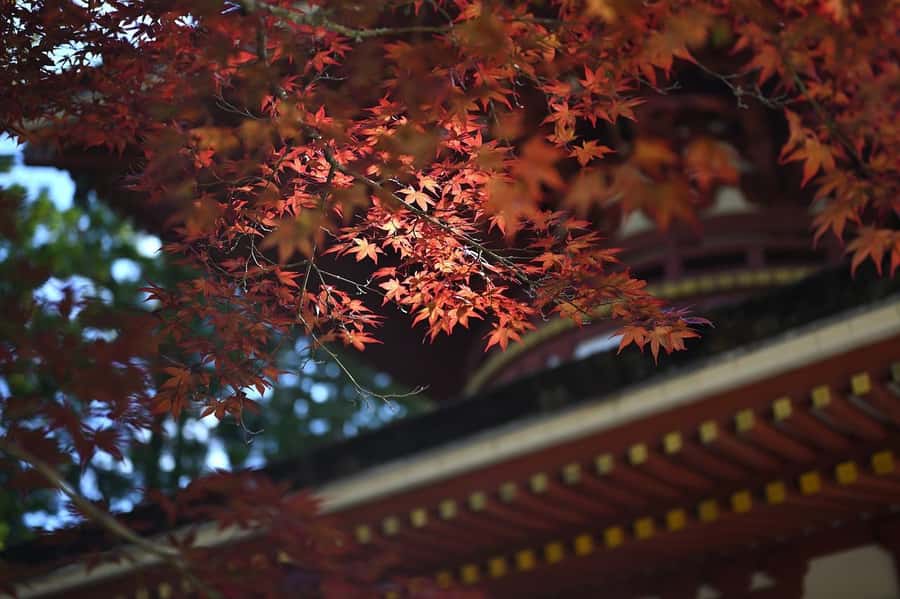
You’re not left to puzzle things out. The tour includes a multi-language translation app, and the vehicle is private, with a driver and professional service for the day. You can choose languages like Chinese, English, or Japanese.
One detail that can affect your experience: the driver is described as speaking basic English for service. If you want more expert guidance, the data indicates you should purchase an expert guide service during booking and specify your preferred language.
This is a good point to think about before you book. If your main goal is logistics plus a respectful temple visit, the standard setup is likely fine. If you really want to understand religious terms and temple meaning in depth, consider adding that expert guidance.
Price and value: what you’re paying for at $539 per group
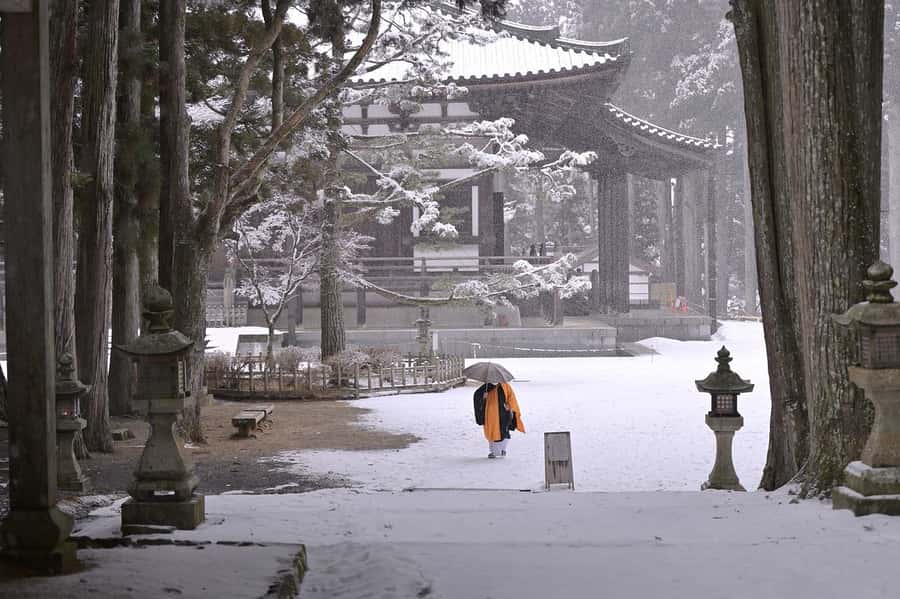
At $539 per group (up to 5 people), this tour isn’t priced like a bargain bus ride. You’re paying for a private, hotel-to-temple-to-hotel structure, including the vehicle, driver service, and the time window that keeps everything organized.
To judge value, look at what’s included: air-conditioned private transportation, parking fees, fuel and tolls, WiFi in the car, translation help, and electronics charging support. There’s also hotel pickup and drop-off and roughly 10 hours of service. In other words, you’re buying convenience and control.
What’s not included is equally important: entrance fees and food and beverages are not part of the price. So your total day cost will depend on what you choose to pay at the sites and how you handle meals. For many people, that’s normal. But it can change the math if you’re trying to keep expenses very tight.
The value angle I like best is this: you can pick your emphasis between Kongobu-ji and Okuno-in, and the day is not framed as a sprint. That choice + calm pacing is harder to recreate on your own in one afternoon window.
Who should book this Koyasan experience
This tour fits best if you want a smooth Koyasan day with temple focus and minimal hassle. It’s especially good for groups up to 5 who want the flexibility of choosing between Kongobu-ji and Okuno-in, plus adding Danjo Garan and the museum.
It also works if you care about the practical comfort details: hotel pickup, private vehicle, and translation support. You’ll likely appreciate that the trip is built around an end-to-end route rather than leaving you to coordinate multiple legs.
If you’re the type who loves deep, long meditation practice and wants a full training arc, you might eventually want the longer-term temple stay option described in the broader activity list. But for a first taste, meditation training as an optional add-on is a strong fit.
A small name you might hear: guide Mia
One guide name that shows up in the supplied experience notes is Mia. She was described as helpful, respectful of preferences, and attentive to needs. If your day includes a guide like Mia, that can make the temple time feel more personal, especially when you’re trying to choose between destinations.
Even if your guide isn’t Mia, the overall theme is the same: respectful service that supports your preferences, rather than bulldozing the day with a fixed script.
Should you book this Koyasan Meditation Journey?
Book it if you want a calm, temple-first Koyasan day trip from Osaka or Kyoto with private transportation and clear stops. The best reason to say yes is the balance of logistics and atmosphere: you reach Koyasan smoothly, then spend meaningful time at major sites like Kongobu-ji, Okuno-in, and the Danjo Garan Sacred Temple area, with the option for meditation training.
Skip or reconsider if you’re hoping for a mostly free-roam day with no set structure, or if you dislike walking and quiet temple pacing. Also plan for extra costs at sites and for meals since entrance fees and food aren’t included.
If you’re traveling with a small group and you want to feel like you handled Koyasan properly without turning it into a planning marathon, this is a strong, practical choice.
FAQ
How long is the tour service time?
The tour includes 10 hours of services in total, and it can be extendable with an additional charge.
Where does the pickup happen?
Morning pickup is available from your hotel. The trip leaves from Osaka/Kyoto and includes hotel pick-up and drop-off.
How far is the drive from Osaka or Kyoto?
The drive is about 2 hours to reach Koyasan.
What temple stops are included?
You can choose to visit Kongobu-ji or the Okuno-in of Kobo Daishi (Kukai), and the experience also includes Danjo Garan Sacred Temple and Koyasan Reihokan Museum time.
Is meditation included?
Meditation training is optional. There is an option to follow a monk to do meditation training, and there is also the possibility to live in the temple for the experience.
Are entrance fees included?
No. Entrance fees are not included.
Are meals included?
No. Food and beverages are not included.
What languages are supported?
The languages are Chinese, English, and Japanese.
What about baby seats?
The first baby seat is free if you tell the provider before departure. The second baby seat costs an additional 2,000 yen per child.
What if I need to change the day due to time limits?
Overtime costs 5,000 yen per hour for more than 10 hours. There is also a night service fee of 2,000 yen per hour after local time 21:00.
What’s the cancellation policy?
You can cancel up to 24 hours in advance for a full refund.
More Tour Reviews in Osaka
- Osaka Go Karting Tour with Funny Costume★ 5.0 · 2,658 reviews
- Osaka Castle: Museum and Tower Entry Ticket★ 4.5 · 2,380 reviews
- Osaka: Shinsekai Food Tour with 13-15 Dishes at 5 Eateries★ 4.8 · 2,204 reviews
- Osaka Food Tour: 13 Dishes at 5 Local Eateries★ 5.0 · 2,149 reviews
- Hungry Osaka Street Food Tour:15 Tastings & 3 Drinks with a Local★ 5.0 · 1,727 reviews
South to the Sacred Mountain
- From Osaka/Kyoto:Mount Koya, Wakayama & Nachi Waterfall Trip★ 4.2 · 30 reviews
- Kansai Airport (KIX) Transfer to Osaka/Kobe/Kyoto/Nara/Wakayama★ 3.5 · 8 reviews
- Mt Koya Full Day Tour from Osaka with Licensed Guide and Vehicle★ 5.0 · 8 reviews
- Mount Koya: Full-Day Private Guided Tour from Osaka★ 4.4 · 7 reviews
- From Osaka/Kyoto: Mount Koya & Wakayama Private Day Trip .★ 4.0 · 7 reviews
The Newest Osaka Write-Ups
- Private Photoshoot in Osaka with a Professional Photographer
★ 5.0 · 3 reviews - Osaka Early Morning Osaka Castle Tour Avoid Crowds
★ 5.0 · 3 reviews - Nara Private Tour with Pick and Drop and English Speaking Driver
★ 3.5 · 3 reviews - Osaka: Modern Vegetarian Sushi Cooking Class
★ 5.0 · 3 reviews - Nara Day Trip from Osaka with a Licensed Guide
★ 5.0 · 3 reviews
Koyasan & Wakayama Day Trips, compared.
 ★ 4.2From Osaka/Kyoto:Mount Koya, Wakayama & Nachi Waterfall TripFrom $91030 reviews
 ★ 5.0Mt Koya Full Day Tour from Osaka with Licensed Guide and VehicleFrom $8988 reviews
 ★ 3.5Kansai Airport (KIX) Transfer to Osaka/Kobe/Kyoto/Nara/WakayamaFrom $658 reviews
 ★ 4.0From Osaka/Kyoto: Mount Koya & Wakayama Private Day Trip .From $6607 reviews
 ★ 4.4Mount Koya: Full-Day Private Guided Tour from OsakaFrom $2417 reviews
 ★ 5.0Koyasan Day Trip by Private Car from OsakaFrom $5205 reviews
 ★ 5.0Mount Koya from Osaka: Cultural Small Group Day TourFrom $2513 reviews
Browse the lists this tour appears in