
Reviewed · KOYASAN & WAKAYAMA DAY TRIPS
Mount Koya from Osaka: Cultural Small Group Day Tour
Cedar shadows and quiet mausoleums set the tone. This Mount Koya day tour from Osaka is built for slow, respectful moments, not rushing photo stops, with a real look at Shingon Buddhism and Koyasan’s sacred layout. You’ll ride in private transport, follow a guided route through the big spiritual sights, and end with time to browse in town. Mount Koya is the headline, but the pacing makes it land.
What I really like: the walk through Okunoin Cemetery is paced for silence and awe, with ancient cedars and thousands of moss-covered stone markers leading toward Kobo Daishi’s mausoleum. I also love the food moment—Shojin Ryori—because it’s meatless, simple, and designed to match the spiritual tone rather than act like a generic lunch break.
One possible drawback: it’s a long day with a fair amount of walking, and the mountain can feel cooler than Osaka, so you’ll want solid shoes and layers.
In This Review
- Key moments that make this Mount Koya trip work
- A long day from Osaka to Mount Koya (and why that’s part of the value)
- Okunoin Cemetery: cedar shadows and Kobo Daishi’s mausoleum
- Shojin Ryori lunch: meatless comfort with mindful restraint
- Kongobuji Temple: Shingon’s head temple and Banryutei’s dragon symbolism
- Shakyo sutra copying or the Goma fire ritual: choose-your-practice energy
- Danjo Garan and Reihokan Museum: the complex explained through layout and objects
- Town time near the end: incense, prayer beads, and quieter browsing
- Price and logistics: does $251 per person make sense?
- Who should book this Mount Koya from Osaka day tour
- Should you book this Mount Koya small-group day tour?
- FAQ
- How long is the Mount Koya day tour from Osaka?
- What’s included in the tour besides the temple visits?
- Is Shojin Ryori lunch included, and is it vegetarian?
- Do I get to copy sutras during the tour?
- What should I bring for the day?
- Is the tour suitable for everyone?
Key moments that make this Mount Koya trip work
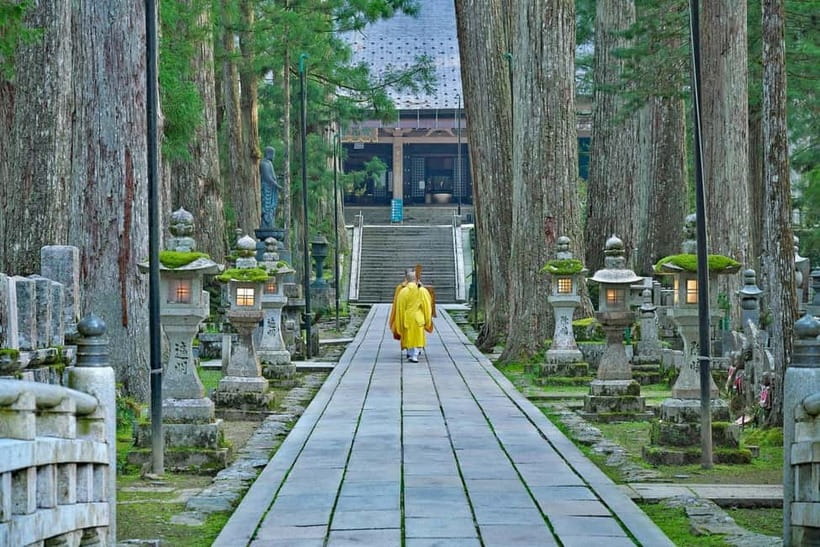
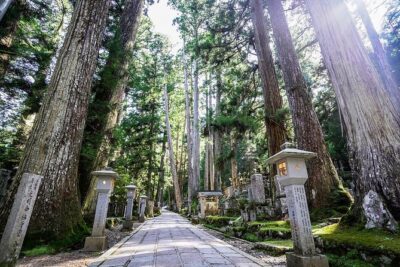
- Okunoin’s cedar-lined trail puts you right into the quiet atmosphere that Koyasan is known for.
- Shojin Ryori lunch gives you a Buddhist-style meal that’s simple, seasonal, and meat- and fish-free.
- Kongobuji Temple + Banryutei pairs temple interiors with the symbolic dragon rock garden.
- Shakyo sutra copying or Goma fire ritual adds a hands-on or watch-and-learn element that’s more than sightseeing.
- Danjo Garan + Reihokan Museum helps you connect the spiritual complex to the artifacts and layout behind it.
Up the mountain to Koyasan, more routes south
A long day from Osaka to Mount Koya (and why that’s part of the value)
This is a 12-hour day trip, starting with a pickup in central Osaka. From there, you take private, comfortable transport up to Mount Koya, and your guide works you into the day with an intro to what this place means and why it matters in Japanese Buddhism.
That ride isn’t just a transfer. It’s how the tour naturally shifts you from city pace to mountain pace. And because the group is small (it requires at least four participants to run), you typically get more human-scale attention than on big bus tours.
The practical side matters here: you’ll be traveling, then walking, then doing more temple time, all in one day. If you like “one big day, done right,” this format fits. If you hate long days, the length is the main thing to weigh.
Okunoin Cemetery: cedar shadows and Kobo Daishi’s mausoleum
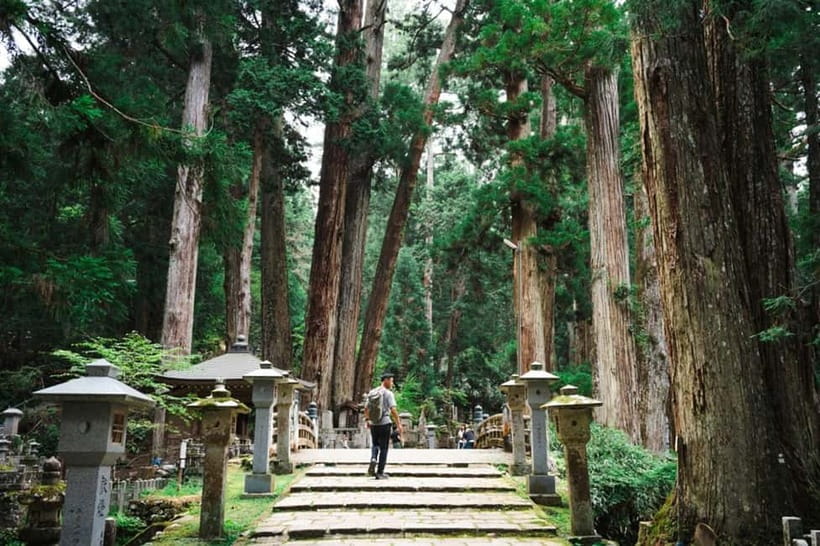
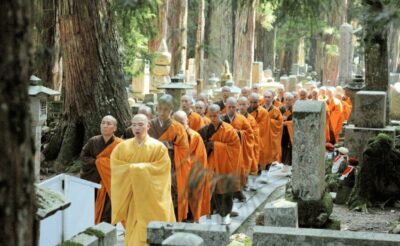
Okunoin is the reason many people choose Koyasan in the first place, and this tour treats it like the spiritual centerpiece it is. Your visit starts with a guided walk through Japan’s largest and most revered cemetery.
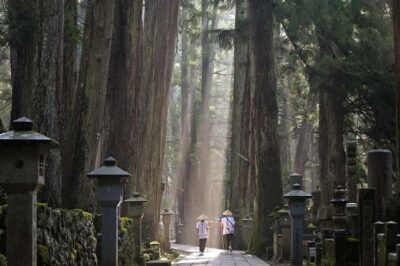
What you do here is simple: you follow a stone-paved path lined with ancient cedars, moving through an area full of tombstones—thousands of them—many covered with moss. The guided part helps you understand what you’re seeing, but the walk itself is intentionally quiet and emotionally resonant. That quiet matters. It’s the kind of stop where you stop thinking about logistics and start paying attention to the place.
The walk leads toward the mausoleum of Kobo Daishi, a key figure believed to be in eternal rest. Whether you’re deeply religious or just curious about Japanese spiritual life, this is where the experience feels grounded. You’re not watching a staged performance. You’re walking inside a living religious landscape.
Tip: plan to keep your pace steady and don’t rush the cedar trail. This stop is designed to be felt, not speed-run.
Shojin Ryori lunch: meatless comfort with mindful restraint
After Okunoin, you shift gears to lunch with traditional Shojin Ryori. This is Buddhist cuisine made without meat or fish, and it avoids strong seasonings. Instead, you’ll get seasonal vegetables and a style of preparation that emphasizes simplicity and balance.
I like Shojin Ryori because it’s not trying to impress you with heavy sauces or constant novelty. It tastes like someone cared about harmony. In a day full of temples and spiritual practice, this meal gives you a reset without breaking the tone of the visit.
One thing to note: special dietary substitutions for the lunch menu aren’t included. If you have specific dietary needs beyond what the standard Shojin Ryori provides, you’ll want to check in ahead of time and be realistic about what the tour can change.

Kongobuji Temple: Shingon’s head temple and Banryutei’s dragon symbolism
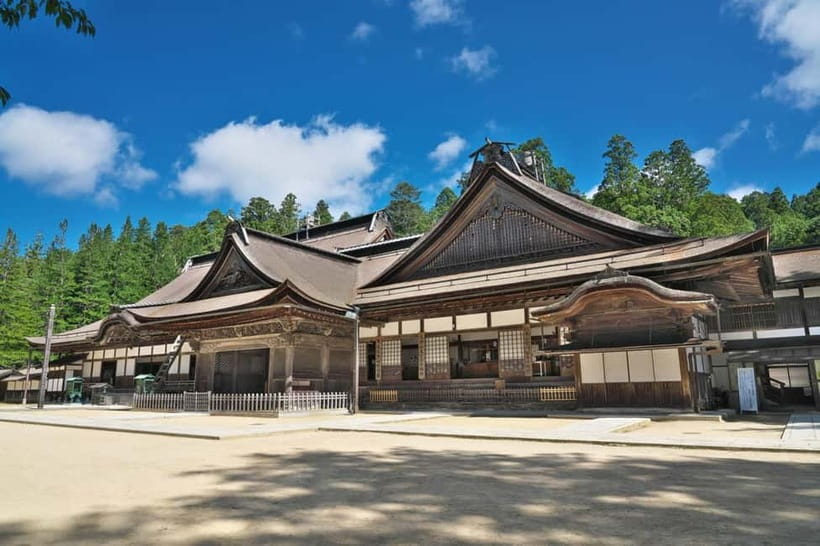
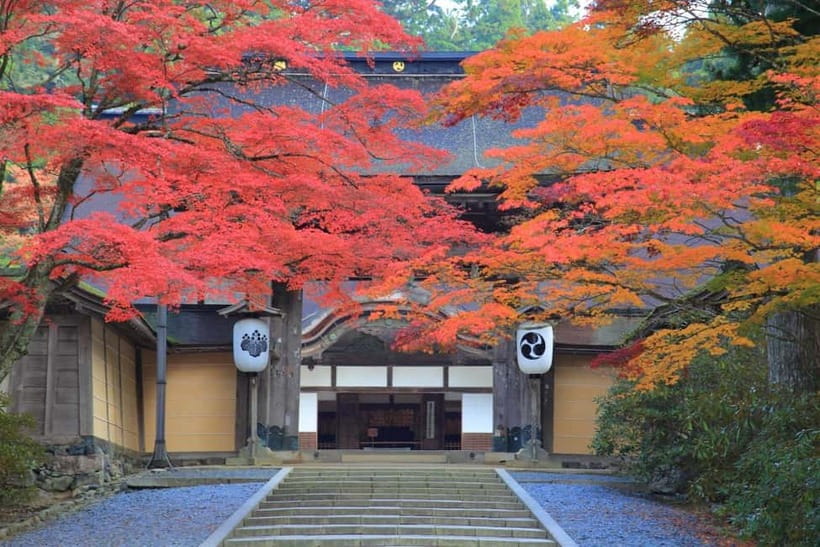
Next up is Kongobuji Temple, the head temple of Shingon Buddhism on Mount Koya. This is a major stop, and the tour breaks it into parts so you can absorb more than just one room or one photo angle.
Inside Kongobuji, you’ll see sliding doors (fusuma) decorated with traditional ink paintings. It’s a good moment to slow down because these details are easy to miss when you’re moving fast.
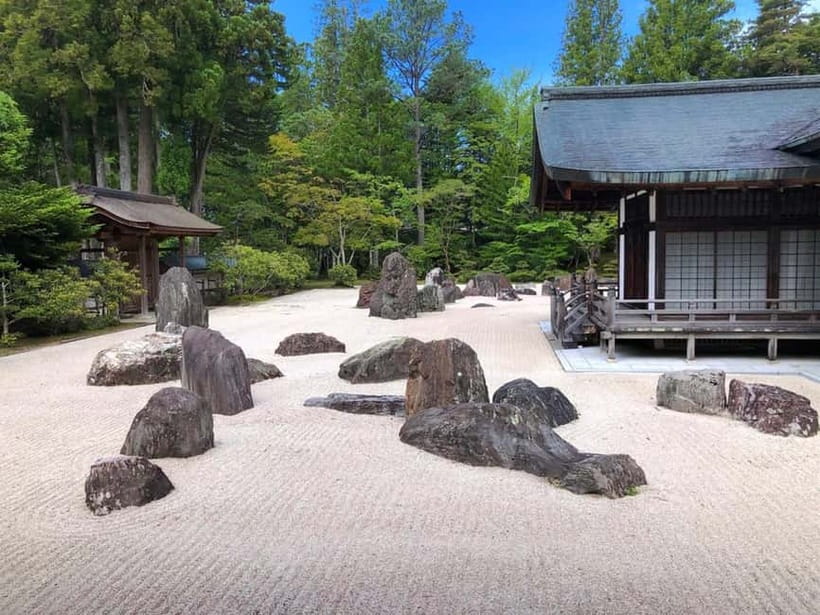
Then you head into Banryutei, the garden better known as Japan’s largest Zen rock garden. The layout is symbolic—dragons emerging from clouds—so you’re not just looking at rocks. You’re looking at a design meant to represent a spiritual idea.
This is also a good place to pay attention to your guide’s explanations. When you understand what the symbolism is trying to communicate, the garden becomes more than a background setting. It becomes a kind of visual meditation.
Shakyo sutra copying or the Goma fire ritual: choose-your-practice energy
One of the most interesting parts of this tour is that it includes a Buddhist practice component, but what you do can depend on temple availability.
You’ll either take part in Shakyo (sutra copying) or you’ll have the option to observe a Goma fire ritual. Both are important practices in the broader Buddhist world, but they feel very different.
- Shakyo is slower and more personal. You copy sacred text in a way meant to slow your mind and focus your attention.
- Goma is more dynamic. It’s a prayer ceremony that uses fire as a cleansing element, aimed at clearing negative energy through ritual action.
If you want something hands-on, aim for the sutra copying option when it’s offered. If you prefer to watch and learn without participating, observing the ritual can be equally meaningful. Either way, this is the point where you stop thinking of Koyasan as only architecture and start seeing it as practice.
Small practical note: the activity lasts about what the schedule allows, so arrive with calm energy. This isn’t the part of the day for rushing out your next question.
Danjo Garan and Reihokan Museum: the complex explained through layout and objects
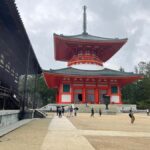
After the practice moment, the tour includes Danjo Garan, a symbolic temple complex made up of halls, pagodas, and statues arranged in a mandala-like harmony. In other words, you’re not only seeing individual buildings—you’re seeing a designed spiritual map.
This stop helps connect the dots between what you’ve already walked through (cedars and tombstones) and what you’re about to understand as Koyasan’s bigger system of space and meaning.
Then there’s the Reihokan Museum, with a guided visit lasting about 1.5 hours. The museum isn’t just a break from walking. It’s where you can anchor what you’ve seen in the physical world—artwork, artifacts, and context that make the religious sites easier to understand.
If you like museums but hate ones that feel disconnected from the day’s theme, this one tends to fit better because it supports the places you’re visiting, not competing with them.
Town time near the end: incense, prayer beads, and quieter browsing
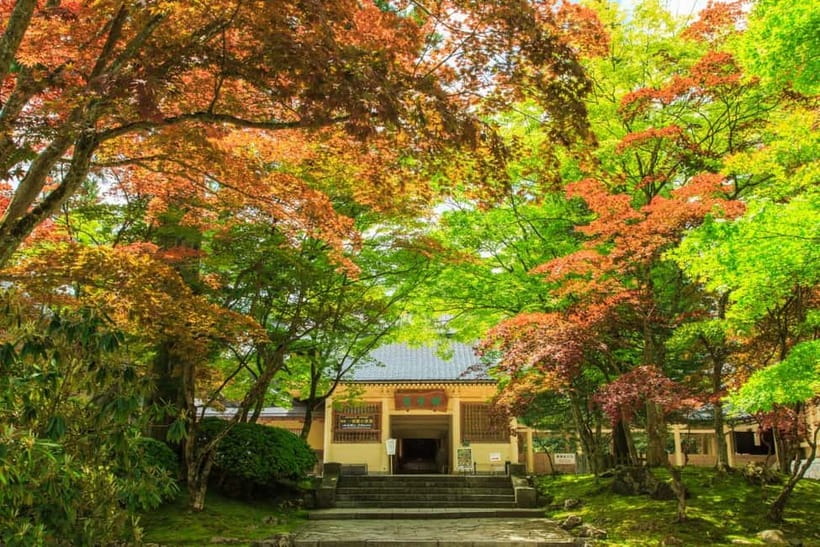
On the way back to Osaka, the tour includes free time in Koyasan town. This is where you can look for incense, prayer beads, or other small items connected to spiritual practice.
It’s also a good moment for your brain to reset. When you’re coming off temples, a little unscripted wandering can be a relief. Just keep in mind the day is long, so don’t plan on making it a late-night shopping spree.
Price and logistics: does $251 per person make sense?
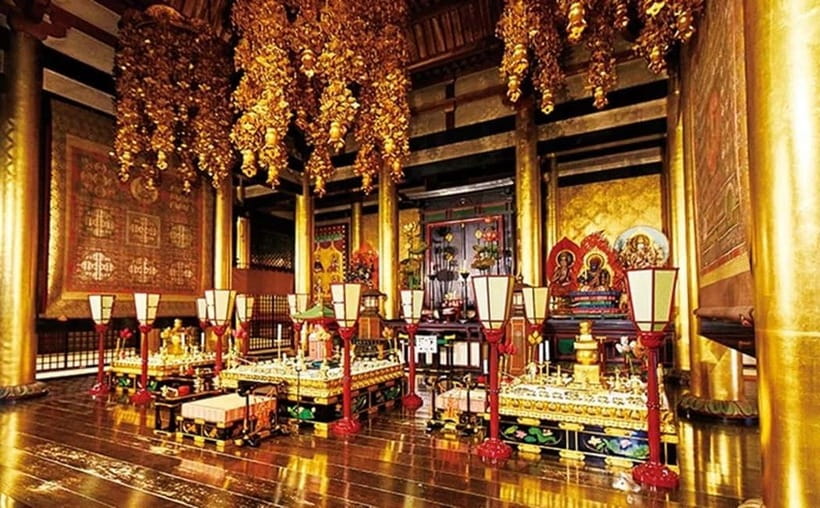
At $251 per person for a 12-hour day, the value depends on what you care about.
Here’s what you’re paying for:
- Hotel pickup in central Osaka and private transport up to Mount Koya
- A professional English-speaking guide (English and Japanese also listed)
- Multiple major temple and site visits: Okunoin, Kongobuji, Danjo Garan
- Lunch via traditional Shojin Ryori
- A practice component: sutra copying (or Goma ritual observation depending on availability)
- Reihokan Museum with guided time
That’s a lot of “included structure” for one day. The private transport and guiding matter because Koyasan isn’t a place you’d simply wing without understanding what you’re seeing and where to focus.
The main trade-off is time and walking. If you’re sensitive to long days or have limited mobility, the total effort may not match the price. But if you want a guided, efficient path through the core spiritual sites and you’re comfortable with walking, the cost can feel justified.
Who should book this Mount Koya from Osaka day tour
This tour is a great match if you want:
- A guided day focused on Shingon Buddhism sites, not just independent sightseeing
- A structured spiritual experience with an emotional center at Okunoin
- Shojin Ryori as part of the cultural learning, not an afterthought
- A practice moment (Shakyo or Goma) that goes beyond watching from the sidelines
It’s not the best fit if you need mobility support, because it involves a fair amount of walking. It’s also not suitable for babies under 1 year, and there are limits for people over 95 years based on the tour’s listed criteria.
Should you book this Mount Koya small-group day tour?
If you’re choosing between a fast “see the highlights” day and a more respectful, guided spiritual route, I’d steer you toward this one. The combination of Okunoin’s cedar-lined cemetery walk, Shojin Ryori lunch, Kongobuji’s temple interiors and Zen garden, and a real practice component is what makes it feel complete.
Book it if you can handle a full day and want the meaning explained as you go. Skip it if you hate walking, dislike long travel days, or need dietary substitutions beyond the standard Shojin Ryori approach.
Also, it’s a smart choice if you’re traveling in a season where you want a single, well-timed plan. Mount Koya can be cooler than Osaka, so planning for layers is part of making the day comfortable.
FAQ
How long is the Mount Koya day tour from Osaka?
The tour runs for about 12 hours total.
What’s included in the tour besides the temple visits?
You get hotel pickup in central Osaka, private transport to Mount Koya, a professional English-speaking guide, a traditional Shojin Ryori lunch, visits to Okunoin, Kongobuji Temple, Danjo Garan, Reihokan Museum, and a sutra-related experience (either sutra copying or observation of the Goma fire ritual depending on availability).
Is Shojin Ryori lunch included, and is it vegetarian?
Yes. The lunch is traditional Shojin Ryori, made without meat or fish and without strong seasonings. Special dietary substitutions for the lunch menu are not included.
Do I get to copy sutras during the tour?
The tour includes a sutra copying experience, but it can switch to observing a Goma fire ritual depending on temple availability.
What should I bring for the day?
Bring comfortable shoes and comfortable clothes, and also cash.
Is the tour suitable for everyone?
It’s not suitable for people with mobility impairments, and it also lists restrictions for babies under 1 year and people over 95 years. Pets and smoking are not allowed.
If you’d like, tell me your travel dates and whether you prefer participating in Shakyo or just observing rituals, and I can help you decide if this day fits your pace.
More Tour Reviews in Osaka
- Osaka Go Karting Tour with Funny Costume★ 5.0 · 2,658 reviews
- Osaka Castle: Museum and Tower Entry Ticket★ 4.5 · 2,380 reviews
- Osaka: Shinsekai Food Tour with 13-15 Dishes at 5 Eateries★ 4.8 · 2,204 reviews
- Osaka Food Tour: 13 Dishes at 5 Local Eateries★ 5.0 · 2,149 reviews
- Hungry Osaka Street Food Tour:15 Tastings & 3 Drinks with a Local★ 5.0 · 1,727 reviews
South to the Sacred Mountain
- From Osaka/Kyoto:Mount Koya, Wakayama & Nachi Waterfall Trip★ 4.2 · 30 reviews
- Kansai Airport (KIX) Transfer to Osaka/Kobe/Kyoto/Nara/Wakayama★ 3.5 · 8 reviews
- Mt Koya Full Day Tour from Osaka with Licensed Guide and Vehicle★ 5.0 · 8 reviews
- Mount Koya: Full-Day Private Guided Tour from Osaka★ 4.4 · 7 reviews
- From Osaka/Kyoto: Mount Koya & Wakayama Private Day Trip .★ 4.0 · 7 reviews
The Newest Osaka Write-Ups
- Private Photoshoot in Osaka with a Professional Photographer
★ 5.0 · 3 reviews - Osaka Early Morning Osaka Castle Tour Avoid Crowds
★ 5.0 · 3 reviews - Nara Private Tour with Pick and Drop and English Speaking Driver
★ 3.5 · 3 reviews - Osaka: Modern Vegetarian Sushi Cooking Class
★ 5.0 · 3 reviews - Nara Day Trip from Osaka with a Licensed Guide
★ 5.0 · 3 reviews
Koyasan & Wakayama Day Trips, compared.
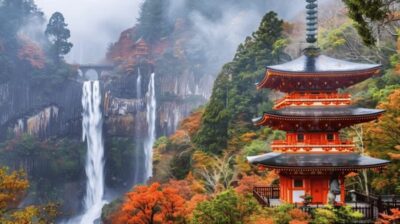 ★ 4.2From Osaka/Kyoto:Mount Koya, Wakayama & Nachi Waterfall TripFrom $91030 reviews
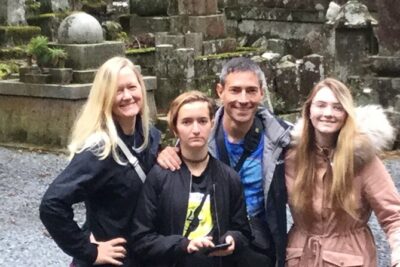 ★ 5.0Mt Koya Full Day Tour from Osaka with Licensed Guide and VehicleFrom $8988 reviews
 ★ 3.5Kansai Airport (KIX) Transfer to Osaka/Kobe/Kyoto/Nara/WakayamaFrom $658 reviews
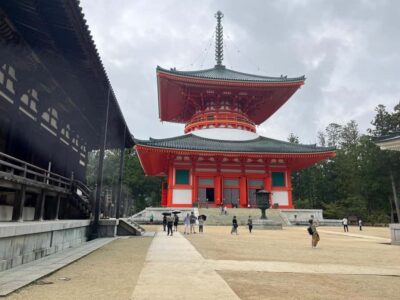 ★ 4.4Mount Koya: Full-Day Private Guided Tour from OsakaFrom $2417 reviews
 ★ 4.0From Osaka/Kyoto: Mount Koya & Wakayama Private Day Trip .From $6607 reviews
 ★ 5.0Koyasan Day Trip by Private Car from OsakaFrom $5205 reviews
 ★ 3.8Koyasan: A Mysterious Meditation JourneyFrom $5395 reviews
Browse the lists this tour appears in