
Reviewed · SHINSEKAI & TSUTENKAKU TOURS
Let’s Dance Bon Odori Japanese folk Dance near Tsutenkaku
Bon Odori is surprisingly easy to love. In Osaka near Tsutenkaku, you’ll learn a classic Japanese folk dance at Ebisu-za, guided step-by-step to a samba-like beat with live music energy.
I especially like two things: the live shamisen and taiko that set the rhythm, and the way the class starts with simple basics before you get to dance freely in the circle. One thing to consider is that this is mostly a dance lesson, so it’s not a long sightseeing day—even though you do get quick stops for Tsutenkaku and Isshinji Temple.
In This Review
- Key highlights at a glance
- Bon Odori near Tsutenkaku: why the location matters
- Ebisu-za logistics: 90 minutes, mobile ticket, small group
- How the lesson works: basics first, then free-circle dancing
- The music moment: shamisen and taiko that you can feel
- The Tsutenkaku and Isshinji Temple stop: quick cultural contrast
- The included drink: coffee, tea, water, or canned alcohol
- Price and value: what $19.60 gets you in Osaka
- What to expect from the energy and teaching style
- Who this Bon Odori class is best for
- Should you book this Bon Odori session?
- FAQ
- Where does the Bon Odori class meet?
- How long is the experience?
- What does it cost?
- Is there more than one session time?
- Is a mobile ticket provided?
- Do I need prior dance experience?
- What drink is included?
- How big is the group?
- What sights are included during the activity?
- Can I cancel and get a full refund?
Key highlights at a glance
- Live shamisen and taiko powering the dance tempo
- Beginners welcome: basic moves first, few rules after
- Pick your included drink: coffee, tea, water, or a canned alcoholic beverage
- Centrally located near Tsutenkaku (and the zoo), with lots of food nearby
- Small group size, with a maximum of 15 people
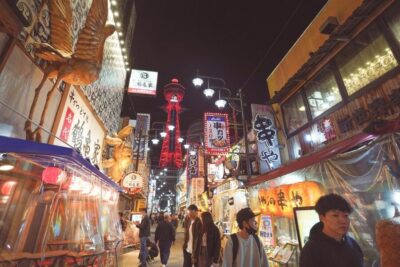
Shinsekai keeps going, kushikatsu and all


Bon Odori near Tsutenkaku: why the location matters
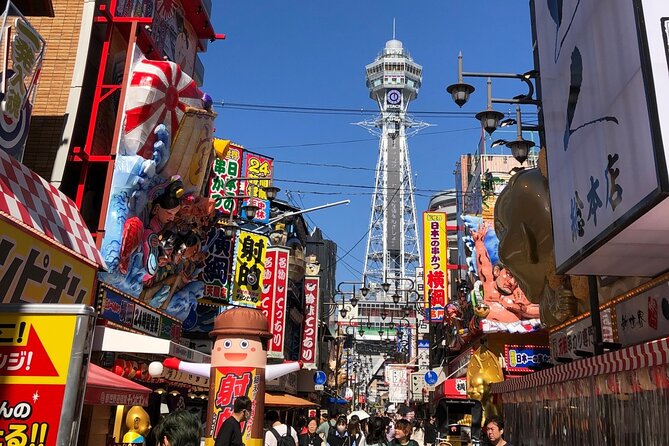
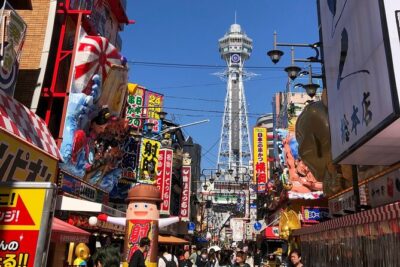
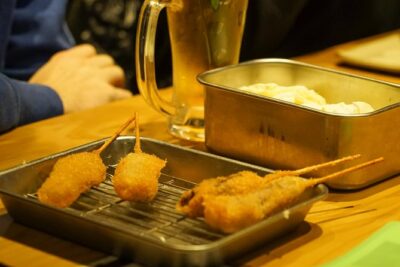
Osaka has a way of making everyday culture feel close up. This Bon Odori class is set around one of the city’s most recognizable areas, close to Tsutenkaku, and with the zoo nearby too. That’s useful because you’re not spending your day commuting. You can tack this onto an afternoon of exploring, then return to the restaurant streets nearby for food like takoyaki, okonomiyaki, or kushikatsu.
What also helps is the vibe. Tsutenkaku-area Osaka tends to feel lively and human-scale, not museum-quiet. So when you start dancing, it doesn’t feel like you’re pretending to be in a festival. It feels like you’re joining in.
The class takes place at Ebisu-za, a dance studio in central Osaka. That matters because you’re getting a guided cultural experience without the hassle of hunting for a venue.
Ebisu-za logistics: 90 minutes, mobile ticket, small group
The timing is practical: expect about 1 hour 30 minutes. The experience runs in sessions in the early afternoon and in the evening, so you can choose what fits your day better.
You’ll also get a mobile ticket, which keeps things simple. You don’t need to worry about paper vouchers. The schedule comes with confirmation at booking, and the activity ends back at the meeting point.
Group size is capped at 15 people. That’s a sweet spot for learning dance steps. With a bigger crowd, instructors can get lost in the shuffle. Here, you’re more likely to get corrections and cues that actually help you.
How the lesson works: basics first, then free-circle dancing
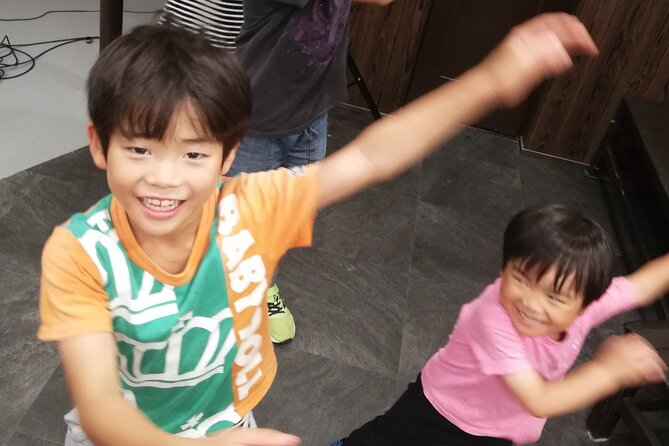
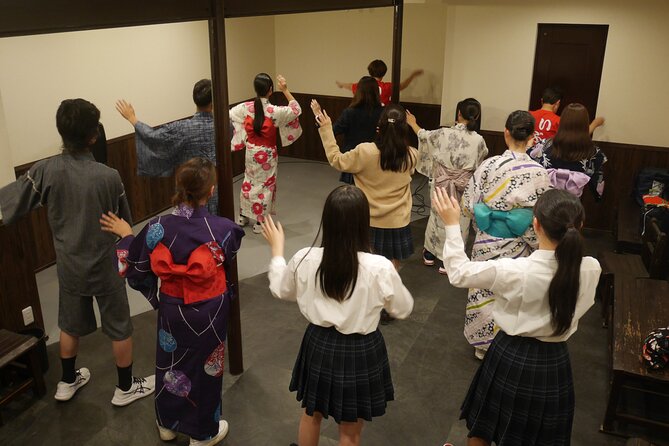
The teaching style is built for first-timers. The instructor demonstrates the Bon Odori movements first, then you practice the basic steps. The rhythm is described as samba-like, which is a helpful mental image if you’ve ever moved to Latin-style beats—your body catches on faster.
After the basics, you get to a more relaxed phase. Bon Odori is often known for having a few rules, and this class leans into that. In the second half, you’ll be able to dance freely and have fun, rather than counting moves perfectly.
That structure is one of the biggest reasons people tend to leave happy. You get enough instruction to feel confident, but the class doesn’t turn into a technical dance exam. If you can follow a rhythm and keep your balance, you’re good.
The city from higher up, a few more decks


The music moment: shamisen and taiko that you can feel
A lot of cultural classes rely on recorded tracks. Here, the music is live. You’ll hear shamisen (string instrument) and taiko drums (drums) as part of the experience.
That matters more than you’d think. Live music gives you timing cues you can’t quite copy from a playlist. When the drums hit, the steps line up in your body without you forcing it. It also turns the dance into something communal. You’re not just learning a sequence; you’re moving inside the music.
One detail from the experience that stands out is that you may even get a chance to touch percussion instruments. That kind of hands-on moment makes the music feel less distant and more understandable.
The Tsutenkaku and Isshinji Temple stop: quick cultural contrast

Even though the heart of the experience is the dance lesson, you get a couple of sightseeing stops along the way.
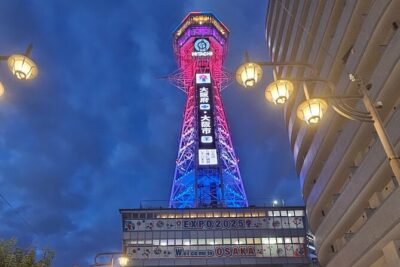
First is Tsutenkaku. It’s a classic Osaka landmark, so this is a useful moment to connect what you’re seeing in the neighborhood with the cultural energy of the dance you’re about to do. It also helps you orient yourself. You’ll know where you are, and you’ll recognize the area later when you go for dinner.
Next is a stop at Isshinji Temple. This gives you a nice contrast: you go from a lively landmark zone to a more calm, spiritual setting, then shift back into the upbeat rhythm of Bon Odori. It’s not a long temple visit, but it adds variety to a short 90-minute block and makes the experience feel more like Osaka life than just a studio activity.
The included drink: coffee, tea, water, or canned alcohol
This is a small detail with real impact. You get a drink included, and you can choose coffee, tea, water, or a canned alcoholic beverage.
For most people, that’s a practical perk. Japan can be hot, and whether you pick something warm or something cold, it helps you settle in before you start dancing.
If you do choose alcohol, just keep your personal comfort in mind. The class has a playful, tipsy-friendly tone built into its fun factor, but you’re still learning steps. Pick what keeps you feeling steady.
If you don’t want alcohol at all, you’re not pushed into it. The option exists, but it’s not the only choice.
Price and value: what $19.60 gets you in Osaka
At $19.60 per person, you’re paying for more than a quick activity. You’re getting a guided, structured lesson, a studio setting, and live music elements. Dance classes with live instrumentation aren’t cheap in most cities, and the fact that the music is part of the session raises the value.
You’re also getting a drink included, plus the convenience of a central meeting point and a short overall time commitment. This matters for travel budgets. If your day is already packed, it’s easier to justify a lesson that fits into an hour and a half without eating your whole afternoon.
Is it expensive compared to watching a festival outside? Yes. But it’s different from watching. This is participation—learning the basics and then dancing in a circle.
What to expect from the energy and teaching style
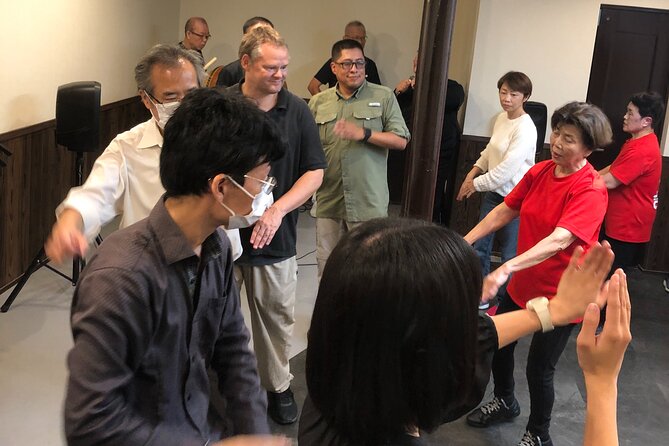
The lesson is friendly and low-pressure. The moves start slow and easy, and the class keeps reminding you that the goal is to join in. That’s reinforced by the way the instructor teaches: demonstration first, then basic steps, then the free-dancing portion.
You’ll also likely feel a group-bonding effect. Bon Odori is a circular dance, and being in a circle with the music gives you an automatic sense of timing. Even if your steps aren’t perfect, your body can match the group rhythm.
In short: it’s not a performance where you’re trying to look graceful. It’s a participation class where the rhythm and the circle do the work for you.
Who this Bon Odori class is best for
This one is a strong fit for people who want culture that’s hands-on. If you like festivals but don’t want to stand and watch, you’ll probably enjoy the chance to actually move.
It also works well if you:
- have zero dance background
- want something short and guided
- want an easy night or afternoon plan near major sights
- prefer small-group instruction
If you want a long walking tour with lots of detailed stops, this may feel light on sightseeing. But if you want a fun cultural activity near Tsutenkaku, it’s a smart use of time.
Should you book this Bon Odori session?
I’d book it if you want a genuine-feeling cultural activity that doesn’t require skill, a big time commitment, or complicated planning. The combination of easy learning, live shamisen and taiko, small-group size, and an included drink makes the value feel straightforward.
I’d skip it if your priority is extended temple touring or a full day of sightseeing. This is a dance lesson first, and the sightseeing elements are best thought of as short stops that frame the experience.
If you’re in Osaka and you’re curious about Bon Odori, this is one of the more fun ways to experience it—because you’re not just watching the tradition. You’re doing it.
FAQ
Where does the Bon Odori class meet?
You meet at 1-chōme-3-13 Ebisuhigashi, Naniwa Ward, Osaka, 556-0002, Japan, and the activity ends back at the meeting point.
How long is the experience?
It runs for about 1 hour 30 minutes.
What does it cost?
The price is $19.60 per person.
Is there more than one session time?
Yes. You can choose an early afternoon session or an evening session.
Is a mobile ticket provided?
Yes. The experience uses a mobile ticket.
Do I need prior dance experience?
No. You’ll start with an instructor demonstration and basic steps, and Bon Odori has few rules, so most people can participate.
What drink is included?
You can choose one included drink: coffee, tea, water, or a canned alcoholic beverage.
How big is the group?
The maximum group size is 15 travelers.
What sights are included during the activity?
The experience includes stops at Tsutenkaku and Isshinji Temple.
Can I cancel and get a full refund?
Yes. You can cancel up to 24 hours in advance for a full refund.
Showtime in Osaka
- Osaka: Sumo Show & Experience w/ Optional Kimono & Hot Pot★ 4.5 · 609 reviews
- Osaka: Sumo Stage Show with Bento or Snack + Fight & Photo★ 4.3 · 364 reviews
- Osaka: English Stand Up Comedy Show at Osaka Comedy Club★ 4.7 · 203 reviews
- Osaka: UTAGE Japanese Taiko Live Show★ 4.9 · 167 reviews
- Osaka Sumo Experience with Live Show and Audience Challenge★ 5.0 · 162 reviews
Osaka From the Top Floors
- Osaka: Umeda Sky Building Official E-Ticket★ 4.6 · 1,131 reviews
- Osaka: Abeno Harukas 300 Observatory E-Ticket★ 4.2 · 169 reviews
- Osaka: Tsutenkaku Tower Entry Ticket★ 3.8 · 125 reviews
- Osaka: HEP FIVE Ferris Wheel E-Ticket in Umeda★ 4.7 · 19 reviews
- Umeda Sky Building KUCHU-TEIEN OBSERVATORY★ 5.0 · 8 reviews
Under Tsutenkaku Tower
- Osaka: Shinsekai Food Tour with 13-15 Dishes at 5 Eateries★ 4.8 · 2,204 reviews
- Osaka Local Foodie Walking Tour in Dotonbori and Shinsekai★ 5.0 · 985 reviews
- Osaka: Tsutenkaku Tower Entry Ticket★ 3.8 · 125 reviews
- Osaka: Local Foodie Tour in Dotonbori and Shinsekai★ 4.7 · 95 reviews
- Retro Osaka Street Food Tour: Shinsekai★ 4.5 · 77 reviews
The Newest Osaka Write-Ups
- Private Photoshoot in Osaka with a Professional Photographer
★ 5.0 · 3 reviews - Osaka Early Morning Osaka Castle Tour Avoid Crowds
★ 5.0 · 3 reviews - Nara Private Tour with Pick and Drop and English Speaking Driver
★ 3.5 · 3 reviews - Osaka: Modern Vegetarian Sushi Cooking Class
★ 5.0 · 3 reviews - Nara Day Trip from Osaka with a Licensed Guide
★ 5.0 · 3 reviews
Shinsekai & Tsutenkaku Tours, compared.
 ★ 4.8Shinsekai Food Tour with 13-15 Dishes at 5 EateriesFrom $532,204 reviews
 ★ 5.0Osaka Local Foodie Walking Tour in Dotonbori and ShinsekaiFrom $111985 reviews
 ★ 3.8Tsutenkaku Tower Entry TicketFrom $8125 reviews
 ★ 4.7Local Foodie Tour in Dotonbori and ShinsekaiFrom $10895 reviews
 ★ 4.5Retro Osaka Street Food Tour: ShinsekaiFrom $21777 reviews
 ★ 4.5Shinsekai Food Tour – 13 Dishes at 5 Local EateriesFrom $7929 reviews
 ★ 5.0Night Soul Food Tour in Shinsekai with a local guideFrom $8528 reviews
 ★ 5.0Osaka Morning Tour: Shitennoji Temple, Shinsekai &DoutonboriFrom $7423 reviews
Browse the lists this tour appears in