
Reviewed · OSAKA PRIVATE TOURS
Kyoto Full-Day Private Tour (Osaka departure) with Government-Licensed Guide
Kyoto from Osaka is a long day, but a good one. This private full-day tour turns a tricky city jump into guided time and smart walking. You’ll have a government-licensed English-speaking guide helping you handle the flow, history, and logistics so your day doesn’t turn into random queue time.
What I like most is the flexibility: you choose 3–4 sites from 35 options, so the itinerary matches your interests instead of stuffing in everything. I also love the human factor—people like Rie, Ichiro, and Yuko are praised for being organized, accommodating with pacing, and helpful with directions and timing.
One thing to consider: it’s a walking tour and it moves fast. Even with the guide, Kyoto involves stairways, crowds, and late-afternoon fatigue, so you’ll want snacks and comfy shoes, especially if you’re juggling more than two major sights.
In This Review
- Key points worth knowing
- The point of a licensed guide from Osaka
- What an 8-hour private day actually looks like
- Choosing your best 3–4 stops from 35 options
- Stop-by-stop guide: what each option gives you (and what can slow you down)
- Fushimi Inari-taisha Shrine
- Kiyomizu-dera Temple
- Nijo Castle
- Gion
- Nishiki Market Shopping District
- Kyoto Imperial Palace
- Pontocho
- Higashiyama Ward
- Ginkakuji Temple (Silver Pavilion)
- Nanzenji Suirokaku
- Tofuku-ji Temple
- Toji
- Kinkakuji Temple (Golden Pavilion)
- Ninna-ji Temple
- Shugakuin Imperial Villa
- Kibune River
- Kurama-dera
- Ryoan-ji Temple
- Arashiyama
- Katsura Imperial Villa
- Daikaku-ji Temple
- Tenryu-ji Temple
- Yoshimine-dera
- Togetsukyo Bridge (Moon Crossing Bridge)
- Bamboo grove walking paths
- Okochi Sanso Garden
- Jojakkoji Temple
- Nisonin
- Gio-ji
- Adashino Nenbutsu-ji Temple
- Otagi Nenbutsu-ji Temple
- Katsura Imperial Villa (again as option)
- Kennin-ji Temple
- Byodoin Temple (Phoenix Hall) in Uji
- Pricing and value: where the money goes
- Pacing, walking, and snack strategy (yes, really)
- Who should book this Kyoto from Osaka tour?
- FAQ
- FAQ
- How long is the Kyoto full-day private tour?
- Where does the tour start?
- Is the guide English-speaking and licensed?
- Is this a group tour or private?
- How many Kyoto sites can I choose?
- Are transportation and entrance fees included?
- What about lunch?
- Does the tour include a mobile ticket?
- Is free cancellation available?
- Is a private vehicle available?
- Should you book this tour?
Key points worth knowing
- Government-licensed English guide focused on history and on-the-ground guidance
- Custom itinerary: choose 3–4 stops from 35 Kyoto options
- Pickup in designated Osaka areas (on foot) plus meeting support for cruise-port days
- Walking-based pacing with short orientation time at each selected stop
- Admissions and transport not included, so your total cost depends on what you pick
- High satisfaction with guides praised for train navigation and keeping schedules on track
A guide to yourselves, more private days out

The point of a licensed guide from Osaka
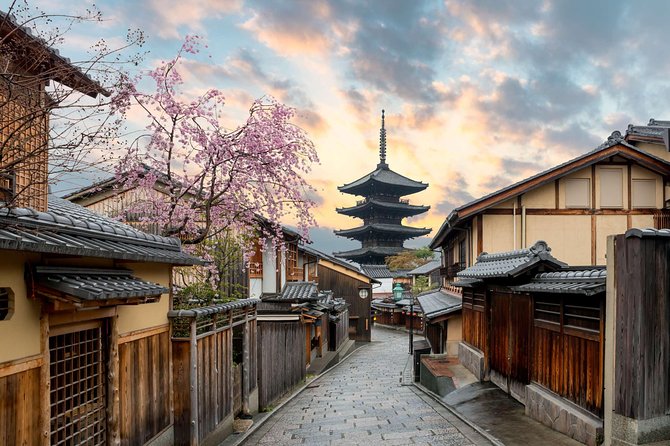
Kyoto is not hard, but it is busy. The streets, the transfers, and the temple layouts can overwhelm a first day—especially if you’re coming from Osaka by train or starting at a cruise terminal. A government-licensed guide changes the whole feel of the day. You’re not just getting directions; you’re getting someone who can explain what you’re seeing while also keeping you moving at the right speed.
In practice, this is what you’ll notice. Your guide helps you get your bearings fast, avoids wasted walking, and makes sure you understand how the stops connect. Guides like Andy Murao have been highlighted for helping groups move from Osaka to Kyoto smoothly and timing the day so you’re back on schedule. That matters because with only one day, there’s no such thing as a slow morning.
What an 8-hour private day actually looks like
This tour runs about 8 hours, and it’s private, meaning only your group participates. It’s not a bus-and-browse program where you arrive, pose, and repeat. It’s built as a walking experience, with the guide meeting you within designated Osaka areas and moving on foot.
Also, the itinerary is designed around selecting a few places, not checking off a shopping list of Kyoto. The tour’s own structure says you choose 3–4 Kyoto sites from the available options, which is the smart way to do Kyoto in a single day. If your goal is deep learning at 10+ stops, Kyoto will win that fight (and your feet will, too).
Transport and entrance fees are not included, so you should expect to pay for trains/metro/buses and any paid temple areas you choose. If you want a stress-free day, treat the tour as the brains + navigation, and budget separate money for how much you want to enter.
Choosing your best 3–4 stops from 35 options
Here’s the trick: decide what kind of Kyoto you want—religion and gardens, old streets and geisha district vibes, or big-ticket landmarks. Then pair those with a market or food stop so the day feels balanced.
Some strong combinations (based on the kinds of sites offered):
- Fushimi Inari-taisha + Gion + Nishiki Market
Great if you want iconic views plus street atmosphere.
- Kiyomizu-dera + Higashiyama + Kennin-ji
Perfect if you want temple scenery and old-streets wandering with a quieter garden stop near the center.
- Nijo Castle + Gion + Pontocho
Strong for Edo-period storytelling and evening-dining mood.
- Arashiyama + Tenryu-ji + bamboo grove area
Ideal if you want a nature-heavy day in Kyoto’s west.
- Kinkakuji + Ryoan-ji + a temple garden option
Great if you’re chasing Zen aesthetics and legendary layouts.
If you’re tight on time, keep it simple: pick one big view temple, one historic district, and one food/market or garden stop. That’s the balance this format is made for.
Kyoto sits thirty minutes away, more ways there
Stop-by-stop guide: what each option gives you (and what can slow you down)
Below are the Kyoto options you can choose from. Think of each as a different Kyoto “mood,” and consider what might slow you down—crowds, stairs, or extra travel.
Fushimi Inari-taisha Shrine
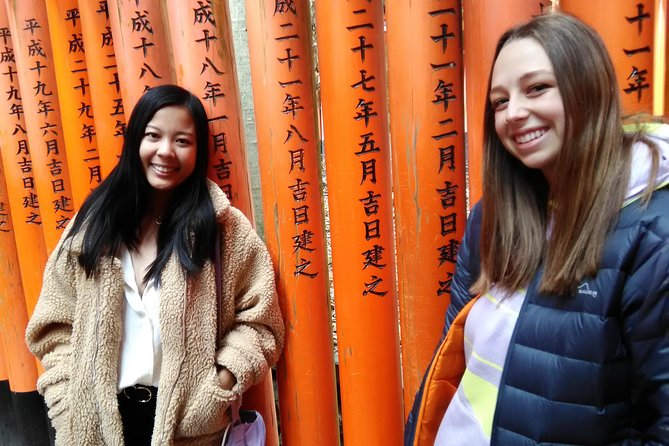
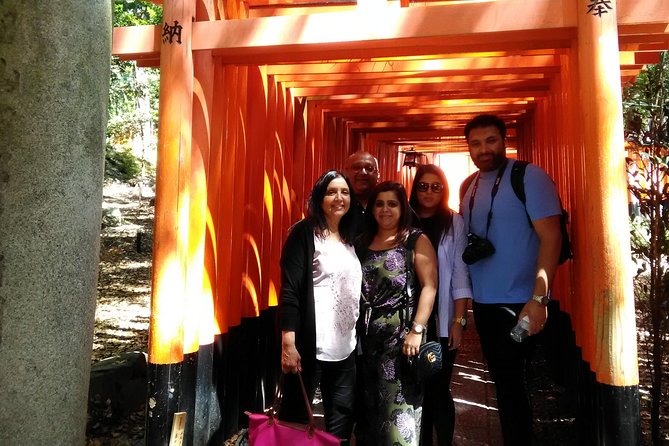
Iconic vermilion torii gates and the kind of scene photos are built on. The catch is crowd flow—this site can feel like a moving river, so plan your timing with your guide’s pacing.
Kiyomizu-dera Temple
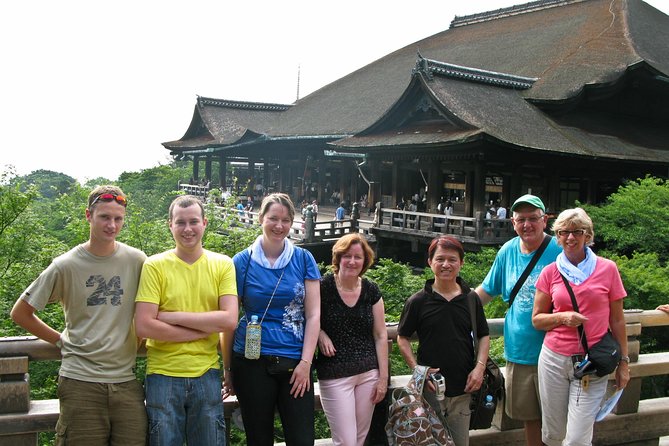
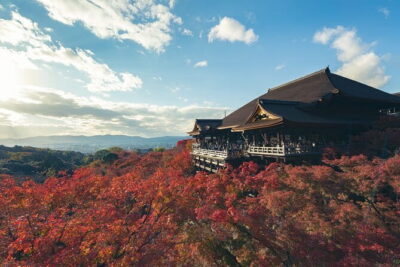
A top Kyoto temple with dramatic viewpoints. It’s popular for a reason, but it also means lines and foot traffic. If you’re hoping for a calm moment, you’ll want help timing your approach.
Nijo Castle
UNESCO and built in 1603 as the Kyoto residence of Tokugawa Ieyasu. You’ll get a sense of power and court life. The drawback is that castles require attention—if you rush, you’ll miss the details your guide is there to explain.
Gion
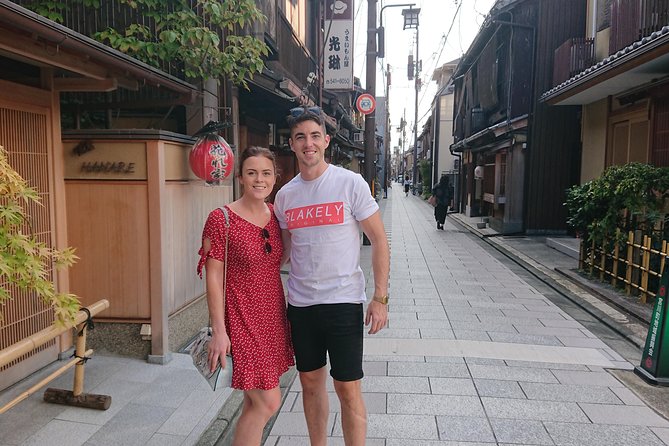
The geisha district streets and the feeling of old Kyoto right in the city. It’s easy to get turned around here, and that’s exactly where a guide helps. You also need patience with crowds and photo-spot jostling.
Nishiki Market Shopping District
This is Kyoto’s kitchen. It’s narrow, lively, and packed with snack-able things, which is great for breaking up the day. The slow part is simply walking between stalls; it adds up if you’re sampling a lot.
Kyoto Imperial Palace
A different side of Kyoto: the imperial story after the imperial residence era ended. The grounds are spacious, but the site can feel less dramatic than shrine-and-temple hits—unless your guide puts the context to work.
Pontocho
Atmospheric alley dining streets near the river. It’s best as a mood stop, not an all-day plan. If you’re hungry, pairing it with another cultural stop works well; if you’re not, it can just be a place to stroll.
Higashiyama Ward
A preserved historic district along the mountain slopes. It’s charming, but also where foot traffic concentrates. Your guide can help you aim for the best routes through the area.
Ginkakuji Temple (Silver Pavilion)
Zen temple with famous aesthetic “restraint.” It’s a quieter visual style than some other top stops, but it still attracts crowds. Walking paths inside can take time, so don’t overload your day.
Nanzenji Suirokaku
Nanzen-ji temple grounds and the Suirokaku area at the base of Higashiyama. This is a good choice if you want scale and a calmer temple vibe, though the site’s walking can add up if you’ve already been on your feet all morning.
Tofuku-ji Temple
A Zen temple known for striking autumn colors. In other seasons, it’s still a temple outing with strong atmosphere, but your payoff depends on the time of year. It’s a nice option if you want something different from the most central temples.
Toji
A major temple with roots in the early Kyoto period (Heian-era timing is part of why it matters). It’s generally a more “temple-focused” stop than a street-wandering one, which makes it a good pairing.
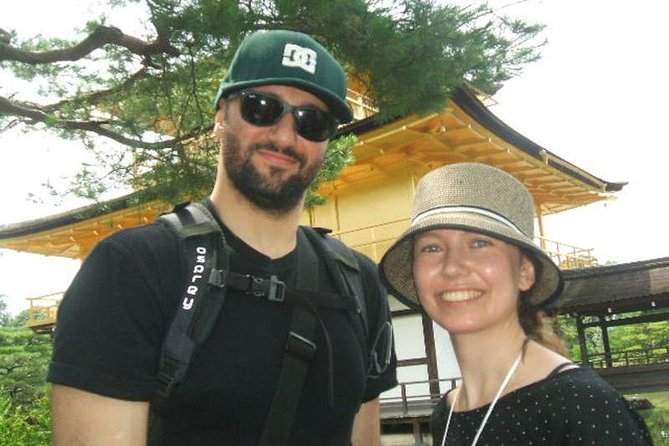
Kinkakuji Temple (Golden Pavilion)
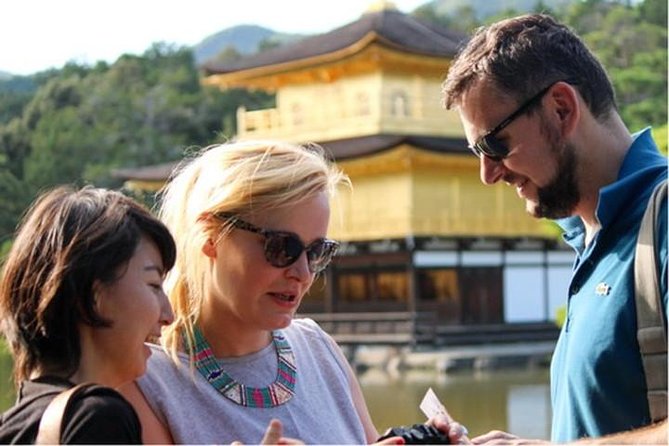
The gold-leaf look makes it a must-see. It’s also a magnet for crowds, so plan your time carefully. Your guide can help you keep the experience moving without feeling like you’re trapped at the most popular angle.
Ninna-ji Temple
World Heritage-listed and tied to the Omuro School of Shingon Buddhism. This one’s often chosen by people who want a less hurried temple atmosphere than the top busiest icons.
Shugakuin Imperial Villa
Imperial villa grounds and a more “estate” feel. Because it’s less universally famous than the headline temples, it can be a rewarding choice if you like gardens and palace-era design.
Kibune River
A forest-valley vibe in northern Kyoto linked to Kifune Shrine. The drawback is it’s not center-city, so extra transit time can eat into your 8-hour window.
Kurama-dera
Rural northern Kyoto with a temple and legends. Like Kibune, it’s worth it if you want nature, but you should expect that travel time is real.
Ryoan-ji Temple
Famous rock garden. If you like layouts and silence, it’s a strong stop. If you’re expecting a quick photo sprint, it won’t match that style—this is more about how you watch.
Arashiyama
A western Kyoto district known for its nature setting and long popularity. It can be touristy, but it’s also where Kyoto feels spacious. If you choose it, pair it with a specific temple or garden so it doesn’t become wandering without a goal.
Katsura Imperial Villa
Garden and architecture-focused, with a completion in the mid-1600s era. If you enjoy garden design and quiet time, it fits well. If you’re more interested in street scenes, it might feel too calm for your taste.
Daikaku-ji Temple
A large temple in Sagano with imperial palace roots. It’s a good complement to Arashiyama if you want temple depth rather than only scenery.
Tenryu-ji Temple
One of Kyoto’s great Zen temples in Arashiyama and registered as a World Heritage site. This is a strong anchor stop for an Arashiyama day. The challenge is crowd timing—your guide’s pacing matters.
Yoshimine-dera
A Tendai temple built along a hillside, with a feel similar to other opposite-side temple layouts. It’s a good option if you want less “main attraction” intensity while still seeing real temple architecture.
Togetsukyo Bridge (Moon Crossing Bridge)
The iconic bridge view in Arashiyama. It’s great for photos and classic Kyoto atmosphere, but it can be busy, and it’s not a deep stop on its own—use it as a connector.
Bamboo grove walking paths
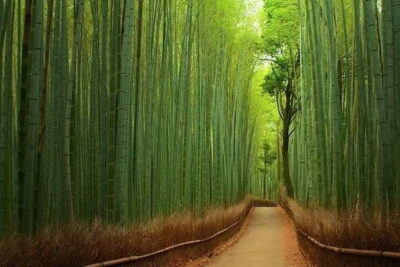
The paths through the bamboo area can be a satisfying walk, especially with light wind when stalks sway. The downside is crowds and timing—expect congestion if you go when everyone else goes.
Okochi Sanso Garden
Okochi Denjiro’s former villa garden behind the bamboo groves. If you like garden design and historic spaces, it can add variety beyond the bamboo photos. It can also take time, so keep your other stops light.
Jojakkoji Temple
A hillside temple with small buildings and gates and an understated feel. It’s the kind of place that works when you want quiet. The drawback is you may spend more time walking up/down paths.
Nisonin
Another hillside temple option, slightly larger, with overhanging trees along the approach. Similar pacing considerations: it rewards a slow walk, not a sprint.
Gio-ji
More tucked into forest paths, known for a moss garden with maple. This is a great option if your ideal Kyoto day includes stillness and greenery. It may not offer the immediate “wow” of gold-leaf icons, but it’s strong for atmosphere.
Adashino Nenbutsu-ji Temple
Near the Saga-Toriimoto preserved street. It’s tied to early 9th-century roots and stone statues of souls. It’s a good choice if you like smaller, story-focused sites with a walkable neighborhood feel.
Otagi Nenbutsu-ji Temple
Famous for 1200 stone statues of rakan, each with different facial features. This is a memorable stop for uniqueness. Crowds and photo lines can slow you, but it’s worth it if you like unusual Kyoto.
Katsura Imperial Villa (again as option)
If you choose it once, you don’t need it twice. But it’s listed as a key option because it’s a serious garden/architecture choice.
Kennin-ji Temple
Close to Hanamikoji and Shijo streets, with expansive grounds and dry landscape gardens. It’s a nice contrast when you want a temple stop without going far out of the main area.
Byodoin Temple (Phoenix Hall) in Uji
A UNESCO-highlight stop with the Phoenix Hall as a National Treasure. You should plan extra travel time because it’s in Uji city. If you choose this, it’s better as a priority stop, not a quick add-on.
Pricing and value: where the money goes
At $201.46 per person for about 8 hours, this isn’t a bargain tour. It’s a paid service where value comes from three things you can’t easily DIY: a licensed guide, a custom selection of 3–4 stops, and help handling movement from Osaka to Kyoto.
Your total cost depends on what you pick because:
- Transportation (trains/buses) is not included
- Entrance fees are not included
- Lunch and personal expenses are not included
- A private vehicle is only available on request and must be booked at least 5+ days in advance
So the best value is when you select a few premium experiences and let your guide handle the connections and context. If you pick mostly low-cost exterior viewing points, you may save on entrances, but you’ll still pay the guide fee for the navigation and explanations.
Also, there’s pickup support within designated Osaka areas and it’s a private format. That can be a good deal if your group wants customized routes but doesn’t want to spend the day troubleshooting trains and station exits.
Pacing, walking, and snack strategy (yes, really)
This tour is built around walking. One review mentioned bringing a snack and preparing for a lot of walking, and that advice is spot on. Even with guide help, Kyoto temples and districts mean stairs, long ramps, and crowds that slow you down.
My practical tips:
- Wear shoes you can walk in for hours on uneven stone and temple paths
- Carry water and a small snack so you don’t hit a wall mid-tour
- Ask your guide ahead of time what the rough walking level will be for your exact stop mix
- If someone in your group has stamina limits, choose fewer hillier options like hillside temples and balance them with flatter market areas
Guides in the feedback—like Bell and Emi—were praised for adjusting pacing for family needs. That’s exactly where this format earns its keep.
Who should book this Kyoto from Osaka tour?
This tour fits you if:
- You want a government-licensed local guide with English
- You like having your day planned around your preferences
- You’re okay paying separate transit/entrance fees in exchange for a smoother experience
- You want to avoid wasting time figuring out routes when Kyoto is packed
It might not fit if:
- You want a slow, ultra-flexible day with long time at every site
- You dislike walking and standing in crowds
- You want all major Kyoto highlights, including far-flung districts, in one day without travel tradeoffs
FAQ
FAQ
How long is the Kyoto full-day private tour?
It runs about 8 hours.
Where does the tour start?
It includes meet-up within designated Osaka areas. Pickup is offered, and the walking tour pickup is on foot.
Is the guide English-speaking and licensed?
Yes. The tour includes a licensed local English-speaking guide.
Is this a group tour or private?
It’s private. Only your group will participate.
How many Kyoto sites can I choose?
You can choose a customizable walking tour itinerary with 3–4 Kyoto sites from over 35 points of interest.
Are transportation and entrance fees included?
No. Transportation and entrance fees are not included.
What about lunch?
Lunch is not included.
Does the tour include a mobile ticket?
Yes, it offers a mobile ticket.
Is free cancellation available?
Yes. You can cancel up to 24 hours in advance for a full refund.
Is a private vehicle available?
A private vehicle is available on request, but it must be pre-booked at least 5+ days in advance.
Should you book this tour?
If you want one well-run Kyoto day from Osaka, this is a strong choice. The licensed guide matters, the custom stop selection matters, and the private format keeps the day focused instead of chaotic. You’ll also get the kind of pacing help that can save you time when Kyoto crowds are at full volume.
Book it if you’ll choose 3–4 sites that match your vibe—iconic shrine views, historic districts like Gion and Higashiyama, or a nature-focused Arashiyama day—and you’re ready for a walking-heavy schedule. If that sounds like your style, you’re set up for a memorable, practical Kyoto day without the usual stress.
More Tour Reviews in Osaka
- Osaka Go Karting Tour with Funny Costume★ 5.0 · 2,658 reviews
- Osaka Castle: Museum and Tower Entry Ticket★ 4.5 · 2,380 reviews
- Osaka: Shinsekai Food Tour with 13-15 Dishes at 5 Eateries★ 4.8 · 2,204 reviews
- Osaka Food Tour: 13 Dishes at 5 Local Eateries★ 5.0 · 2,149 reviews
- Hungry Osaka Street Food Tour:15 Tastings & 3 Drinks with a Local★ 5.0 · 1,727 reviews
Kyoto, Just Up the Line
- Osaka/Kyoto: Hiroshima Miyajima Bus Tour & Shinkansen Ticket★ 4.7 · 919 reviews
- From Kyoto/Osaka: Kyoto Top Highlights 1-Day Guided Bus Tour★ 4.5 · 714 reviews
- Ancient Capital Tour: Kyoto and Nara Highlights from Kyoto/Osaka★ 4.5 · 332 reviews
- Osaka/Kyoto: Amanohashidate & Miyama Tour with Boat & Lunch★ 4.6 · 207 reviews
- Kyoto and Nara Day Trip from Osaka★ 4.0 · 175 reviews
Your Osaka, at Your Pace
- Private Osaka Walking Tour: Highlights & Hidden Gems★ 5.0 · 569 reviews
- Osaka 4hr Private Tour with Government-Licensed Guide★ 5.0 · 314 reviews
- 3/4/5 Hours Private Tour in Osaka with Local Guide★ 5.0 · 189 reviews
- Osaka’s Best and Brightest: Private Full-Day Tour by Vehicle★ 5.0 · 147 reviews
- Kyoto & Nara Private customized tour with English speaking Guide★ 4.5 · 99 reviews
The Newest Osaka Write-Ups
- Private Photoshoot in Osaka with a Professional Photographer
★ 5.0 · 3 reviews - Osaka Early Morning Osaka Castle Tour Avoid Crowds
★ 5.0 · 3 reviews - Nara Private Tour with Pick and Drop and English Speaking Driver
★ 3.5 · 3 reviews - Osaka: Modern Vegetarian Sushi Cooking Class
★ 5.0 · 3 reviews - Nara Day Trip from Osaka with a Licensed Guide
★ 5.0 · 3 reviews
Osaka Private Tours, compared.
 ★ 5.0Private Osaka Walking Tour: Highlights & Hidden GemsFrom $81569 reviews
 ★ 5.0Osaka 4hr Private Tour with Government-Licensed GuideFrom $105314 reviews
 ★ 5.03/4/5 Hours Private Tour in Osaka with Local GuideFrom $95189 reviews
 ★ 5.0Osaka’s Best and Brightest: Private Full-Day Tour by VehicleFrom $600147 reviews
 ★ 5.0Full Day Tour of Kyoto with Private TransportationFrom $247130 reviews
 ★ 4.5Kyoto & Nara Private customized tour with English speaking GuideFrom $54999 reviews
 ★ 4.6Private Custom Walking Tour with a Local GuideFrom $6297 reviews
 ★ 4.93/4/5 Hours Private Tour With Local GuideFrom $11686 reviews
Browse the lists this tour appears in