
Reviewed · OSAKA PRIVATE TOURS
3 Days Private Osaka Kyoto and Nara Tour with English Driver
Three cities in three days, without the herd stress.
This private tour is built for time-efficiency, with a personal pace and an English-speaking driver who can help you make sense of temples, shrines, and what to look for first. I like that you can stick with the suggested flow or swap attractions to match your interests. I also like the comfort perks: an air-conditioned vehicle with WiFi and parking handled. The main drawback to plan for is that the sites may have a mix of free admission notes versus a package that says entry tickets aren’t included, so you’ll want to confirm what you’ll pay for on the day.
You’ll move between Osaka, Nara, and Kyoto by private transport, with pickup offered and a mobile ticket. Day by day, you’ll cover big-ticket icons (Osaka Castle, Todai-ji, Kinkakuji, Fushimi Inari) plus smaller “worth it” stops like the Cup Noodle Museum and Japan’s first official temple, Shitennoji.
In This Review
- Key highlights worth your attention
- Why a private Osaka–Kyoto–Nara loop makes sense in 3 days
- Price and what you actually get for up to 6 people
- Day 1 in Osaka: castle views, old temples, and neon night energy
- Osaka Castle grounds and the big-picture view
- Shitennoji: one of Japan’s oldest official temples
- Umeda Sky Building: skyline plus fireworks-season notes
- Sumiyoshi Taisha: a shrine you’ll feel more than read
- Cup Noodle Museum Osaka Ikeda: make a souvenir you’ll actually keep
- Solaniwa Onsen Osaka Bay Tower: hot-spring themed reset
- Shinsaibashi-suji and Dotonbori: Osaka’s shopping and night soundtrack
- Osaka Aquarium: choose the marine theme you care about
- Day 2 in Nara: big Buddha, deer pauses, and garden calm
- Todai-ji: the Great Buddha hall experience
- Nara Park: deer, walking, and easy sight connections
- Kasuga Taisha Museum: shrine context with choices
- Naramachi: the merchant-town lanes
- Kofuku-ji: pagoda landmarks you can see clearly
- Nara National Museum: English explanations help
- Nara Palace Site Historical Park: UNESCO-era emptiness you can still feel
- Isuien and Yoshikien: gardens built with borrowed scenery
- Day 3 in Kyoto: Arashiyama bamboo, golden temples, Inari torii, and food stops
- Arashiyama and Togetsukyo Bridge: bamboo season vibes
- Kinkakuji: Golden Pavilion scale and shimmer effect
- Fushimi Inari: torii gates and the 233-meter climb idea
- Kiyomizudera: the wooden stage viewpoint
- Gion: geisha neighborhood energy without needing a ticket
- Sanjusangendo: 1001 Kannon statues in a long hall
- Ginkakuji: the Silver Pavilion and Higashiyama setting
- Nishiki Market: Kyoto’s kitchen break
- Kyoto Imperial Palace: a structured look at imperial era space
- How the English driver and private vehicle change the experience
- Tickets, lunches, and timing: the small things that affect a great 3-day trip
- Where to stay so you don’t waste transfers
- Should you book this Osaka, Kyoto and Nara private tour?
- FAQ
- Is this tour private, or will I join a group?
- How long is the Osaka, Kyoto, and Nara tour?
- What’s the group size limit?
- Do I get an English-speaking driver?
- Is pickup included?
- Is lunch included?
- Are entry tickets included?
- Is accommodation included?
- What time does the tour run?
- Can I cancel for a refund?
- Is there WiFi during the tour?
Key highlights worth your attention
- Private pacing across Osaka, Kyoto, and Nara: less waiting, fewer crowd bottlenecks.
- English driver support: practical translation and on-the-spot recommendations.
- Comfort between stops: air-conditioned car plus WiFi and parking fees included.
- Mix of sacred sites and modern fun: shrines, Buddhist giants, and Osaka’s food-night energy.
- Gardens and architecture in Nara: Isuien and Yoshikien add a calmer rhythm to temples and deer.
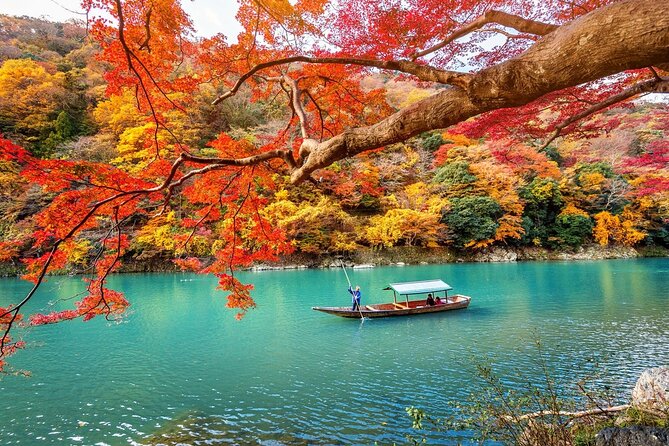
- Kyoto hits multiple “faces” of the city: Arashiyama, Higashiyama temples, Gion, and a market-food break.
A guide to yourselves, more private days out

Why a private Osaka–Kyoto–Nara loop makes sense in 3 days
If you only have a short window, the fastest way to see Osaka, Kyoto, and Nara is to stop thinking city-by-city and start thinking route. This tour is set up like a moving sightseeing base: you travel by private transportation, arrive ready, and don’t burn time wrangling trains with luggage or missing connections.
I like how the experience is structured but not rigid. You can follow the suggested order for maximum coverage, or you can make swaps based on what you actually care about—temples, shopping, gardens, or “Japan-life” experiences.
And yes, the schedule is full. With a 3-day format, you’ll want to come with a good breakfast habit, comfy shoes, and a willingness to keep moving.
Price and what you actually get for up to 6 people
The price is $1,782.81 per group (up to 6). If you fill the vehicle with 6 people, that’s roughly $297 per person for 3 days of private driving, parking fees, and an English-speaking driver. If you’re a smaller group, the per-person cost rises, so this option makes the most sense when friends or family can share the cost.
What’s included is the stuff that usually costs time and headache:
- Air-conditioned vehicle
- WiFi on board
- Private transportation (so you aren’t switching modes nonstop)
- Parking fees
- English-speaking driver
What’s not included is what often surprises people:
- Lunch
- Entry tickets
One detail to watch: the stop descriptions list many sights as free admission. But since the package says entry tickets aren’t included, you should confirm what’s actually covered for each venue (especially anything special-ticketed like museum entries).
Day 1 in Osaka: castle views, old temples, and neon night energy
Osaka can feel like a “skip-the-warm-up” city, so Day 1 is a smart blend of history, spirituality, and then full-on city energy at night.
Kyoto sits thirty minutes away, more ways there
Osaka Castle grounds and the big-picture view
You start at Osaka Castle, with the park grounds giving you a breather from the dense city feel. The standout here is the climb up to the keep tower for a sweeping look over castle grounds and nearby skyscrapers. It’s the kind of view that helps you understand where the city’s center actually sits.
A nice perk: the plan lists admission ticket free, and the castle area is easy to enjoy even if you’re not into deep historical detail.
Shitennoji: one of Japan’s oldest official temples
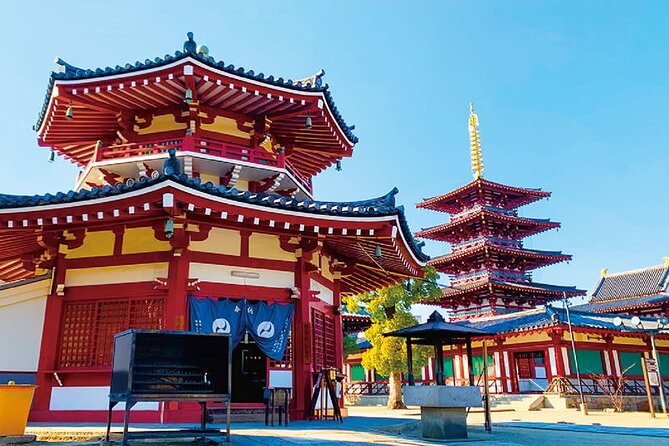
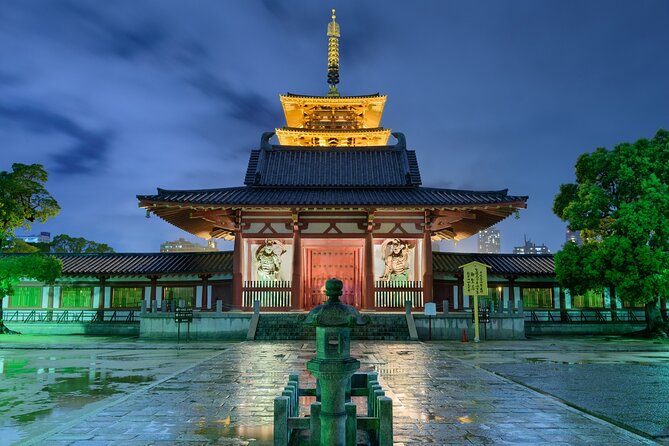
Next is Shitennoji, founded in 593. It’s Japan’s oldest official temple, and it feels calmer than many later, more tourist-saturated temple sites. The Gokuraku-jodo Garden nearby is designed around the idea of a Western Paradise of the Amida Buddha—so even if you’re not reading everything, the design intent is there.
You also get a look at the treasure house concept with periodic themed exhibitions. The practical win: it’s a high-impact stop that doesn’t demand an all-day commitment.
Umeda Sky Building: skyline plus fireworks-season notes
Then the mood shifts to modern Osaka with Umeda Sky Building and the Kuchu Teien Observatory. If you’re traveling close to the Naniwa Yodogawa Fireworks Festival (the plan mentions operations tied to Saturday, August 3, 2024), there are viewing plans and reserved event-space options listed. If your dates don’t match, you’ll still get a sky-deck perspective over the Yodogawa River area.
This stop is great if you want a skyline moment that feels different from Kyoto’s temple atmosphere.
Sumiyoshi Taisha: a shrine you’ll feel more than read
Sumiyoshi Shrine is another strong Osaka choice because it’s tied to major shrine culture like hatsumode (first shrine visit of the year). Even outside peak periods, it’s worth seeing for its scale and ranking.
The plan also notes seasonal festival drawdowns, like the Otaue Rice Planting Festival. If you happen to line up with that kind of timing, it can turn a normal visit into a memory.
Cup Noodle Museum Osaka Ikeda: make a souvenir you’ll actually keep
Then: Cup Noodle Museum Osaka Ikeda. This is the kind of stop that doesn’t just entertain you while you’re there—it gives you a hands-on product you can take home. You’ll make your own original cup noodles, which is fun for adults too, not just kids.
The experience feels like a “Japan culture” moment—playful, practical, and very designed for visitors without being cheesy.
Solaniwa Onsen Osaka Bay Tower: hot-spring themed reset
After temple-and-city walking, I love having a reset built in: Solaniwa Onsen Osaka Bay Tower. It’s described as Kansai’s biggest hot spring style theme park area on floors 2 to 5 of the Osaka Bay Tower North. This is a good decompression stop if you’re the type who plans days tightly.
Shinsaibashi-suji and Dotonbori: Osaka’s shopping and night soundtrack
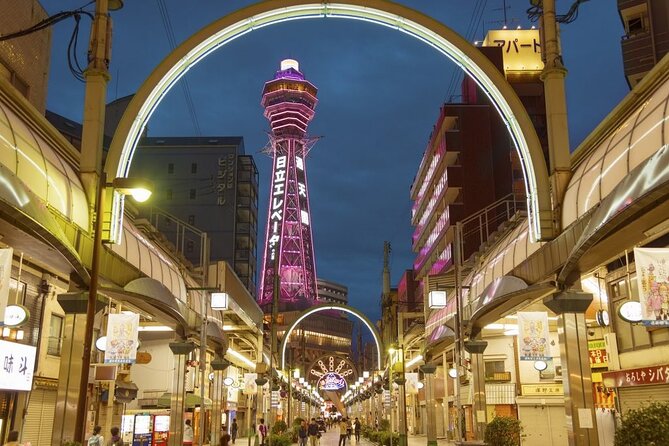
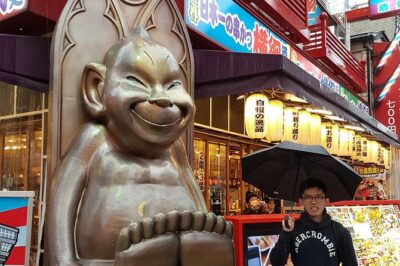
For the evening, you hit Shinsaibashi-suji Shopping Street with its long covered arcade vibe, and then Dotonbori, known for neon signs and Osaka’s nightlife energy.
This is where you eat with your eyes first. Whether you go for takoyaki, okonomiyaki, or other local favorites, the point is that Dotonbori gives you the iconic atmosphere fast—no “where do I even go” stress.
Osaka Aquarium: choose the marine theme you care about
The day can end with Osaka Aquarium, with zones called out like:
- Japan Forest
- Antarctica (penguins)
- Pacific Ocean (including whale sharks)
- Great Barrier Reef (coral reefs and fish)
If you love big-animal exhibits, whale sharks and penguins will be the headline. If you prefer scenery and variety, the Japan Forest concept helps.
Day 2 in Nara: big Buddha, deer pauses, and garden calm
Nara can be exhausting if you rush it, so Day 2’s best trick is pacing: temples with room to breathe, plus parks and gardens.
Todai-ji: the Great Buddha hall experience
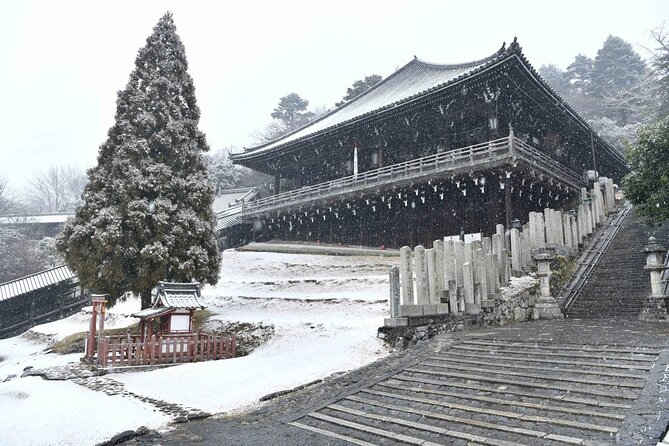
At Todai-ji, you’re visiting one of Japan’s most historically significant temples. The key draw is the Daibutsuden hall and the Daibutsu (Vairocana Buddha), described as a huge bronze statue seated in a hall built in 752.
Even if you’re not a history deep-dive person, this stop gives you scale. It’s a place where your brain needs a minute just to process how large everything is.
Nara Park: deer, walking, and easy sight connections
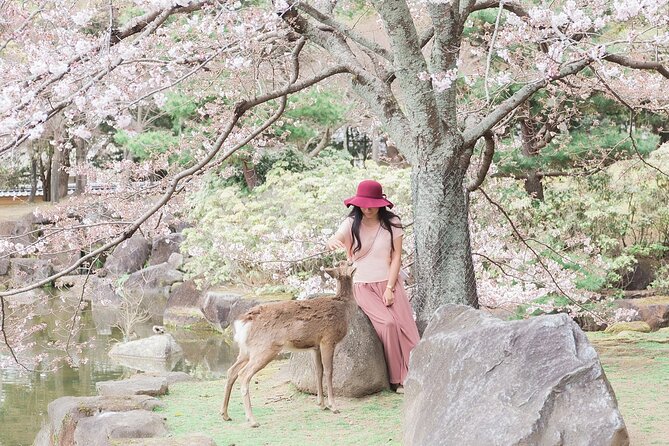
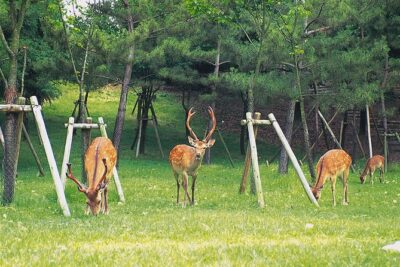
Next is Nara Park, established in 1880, famous for hundreds of freely roaming deer. The park works like a natural connector for major sites, so you’re not constantly changing neighborhoods.
I treat this as a “reset and wander” area. You’ll get your steps in, plus a classic Nara feel before heading to more focused temple/shrine stops.
Kasuga Taisha Museum: shrine context with choices
Kasuga Taisha is Nara’s celebrated shrine. The plan notes that beyond the free offering hall, there’s a paid inner area for a closer look at inner buildings.
If you like having context before looking at the main structures, the museum/shrine pairing helps. If you’re time-tight, you can focus on the free areas and still feel you “did the core.”
Naramachi: the merchant-town lanes
Then you move into Naramachi, the former merchant district. This is where you slow down and appreciate preserved traditional residential buildings and warehouses. It’s also a good place to snack or browse small shops and cafes.
It’s one of the best ways to balance all the religious sites with a more everyday Nara story.
Kofuku-ji: pagoda landmarks you can see clearly
Kofuku-ji is another Fujiwara-era temple site with big landmarks, including a five-storied pagoda. The plan notes that the pagoda is Japan’s second tallest wooden pagoda, and it’s not entered by the public—so your focus is on the sightlines and the scale.
This is ideal if you like architecture and want photo opportunities without worrying about crowds inside.
Nara National Museum: English explanations help
The Nara National Museum is a smart stop for understanding what you’re seeing across the city. The plan states English explanations are available, and it describes permanent collections of Buddhist art plus temporary exhibitions.
This is a good mid-day “brain anchor,” especially if you want the day to feel more coherent than a list of monuments.
Nara Palace Site Historical Park: UNESCO-era emptiness you can still feel
At the Nara Palace Site Historical Park, you’re looking at the footprint of the Heijo Palace, the capital-era imperial and government center. Since it’s included as a UNESCO World Heritage Site of Nara, it gives a “Japan was built, rebuilt, and ruled here” perspective.
It can feel less dramatic than a standing temple, but it’s valuable for how it explains the city’s old power center.
Isuien and Yoshikien: gardens built with borrowed scenery
Nara finishes strong with garden time:
Isuien uses borrowed scenery, including Todaiji Temple’s Nandaimon Gate and Mount Wakakusayama. If you like design tricks, this is fun because the garden isn’t only plants—it’s also framing the wider world.
Then Yoshikien brings three garden styles in one visit (pond, moss, and tea ceremony gardens). The plan also says entry fee is waived for foreign tourists, which makes this a particularly good-value stop if you want something calmer and less crowded than temple halls.
Day 3 in Kyoto: Arashiyama bamboo, golden temples, Inari torii, and food stops
Kyoto on Day 3 is all about variety. You get nature (Arashiyama), iconic temples (Kinkakuji, Kiyomizudera), a shrine phenomenon (Fushimi Inari), plus neighborhoods and markets that show everyday Kyoto life.
Arashiyama and Togetsukyo Bridge: bamboo season vibes
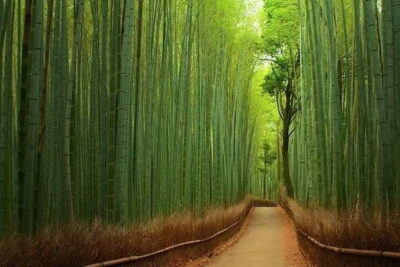
Start with Arashiyama and the Togetsukyo Bridge, known as the Moon Crossing Bridge. It’s described as most recognizable against the wooded slope backdrop. Near the bridge are riverbank areas and cherry trees, which can matter a lot depending on season.
Then you get hammose groves walking routes through bamboo. The point isn’t just photos. Bamboo paths can change the pace of your whole day, because you naturally slow down to notice movement and sound.
Kinkakuji: Golden Pavilion scale and shimmer effect
At Kinkakuji (Golden Pavilion), the upper floors are coated with gold leaf. It’s a classic Kyoto “wow” moment, especially when the pond and the reflection setup works well.
Even if you’re not reading every detail, the visual impact is immediate. This is the kind of stop where arriving earlier in the day usually helps the experience feel more enjoyable.
Fushimi Inari: torii gates and the 233-meter climb idea
Then comes one of the most famous shrine walks in Japan: Fushimi Inari-taisha. You’ll see thousands of red torii gates along paths behind the main structures, leading into the forested area of Mount Inari, noted as 233 meters high.
The shrine ties to foxes as messengers of Inari, and the grounds include fox statues. If you like walking with a clear visual goal (gate after gate), this is a satisfying experience.
Kiyomizudera: the wooden stage viewpoint
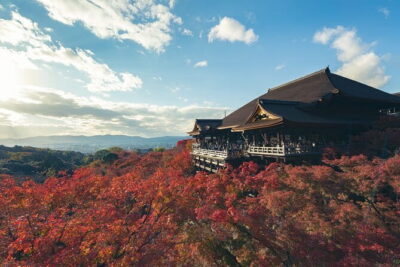
Next is Kiyomizudera, known as the Pure Water Temple, linked to the Otowa Waterfall. The standout feature in the plan is the wooden stage that protrudes 13 meters over the hillside. It’s also UNESCO-listed (1994).
If you’re going in cherry or maple seasons, you’ll probably see why people talk about the views from the stage. Even outside peak color, the architecture gives you a classic Kyoto perspective.
Gion: geisha neighborhood energy without needing a ticket
A short ride away is Gion, Kyoto’s best-known geisha neighborhood. The plan describes its location along Shijo Avenue between the Kamo River and Yasaka Shrine, with teahouses (ochaya) and historic wooden machiya houses.
This is where Kyoto feels like “street-level” culture: cafes, shops, and classic architecture. Plan time for a slow stroll rather than trying to see every doorway.
Sanjusangendo: 1001 Kannon statues in a long hall
Then you visit Sanjusangendo, celebrated for 1001 statues of Kannon. The plan notes the sanctuary was established in 1164, with modifications after a fire, and that the hall is 120 meters, described as Japan’s longest wooden structure.
This stop is great if you like focused, oddball-at-scale experiences. It’s one of those places where you either love the repetition detail or you don’t, so having a guide who can explain what to notice helps.
Ginkakuji: the Silver Pavilion and Higashiyama setting
At Ginkakuji (Silver Pavilion), the plan frames it as a Zen sanctuary in Kyoto’s eastern mountains Higashiyama. It was built as Ashikaga Yoshimasa’s retirement estate and later became a Zen temple.
This stop pairs well after Kinkakuji because you get a contrasting mood: gold-and-pond impact versus the lighter, more contemplative feel of the Silver Pavilion setting.
Nishiki Market: Kyoto’s kitchen break
Then: Nishiki Market, described as “Kyoto’s Kitchen,” a narrow food-focused shopping street with more than 100 shops. It’s known for items like seafood, produce, knives and cookware, Japanese sweets, pickles, and dried seafood.
This is a smart place for lunch or snack bites because it’s built for tasting and choosing. Just be ready for crowds and don’t over-plan if you want to eat slowly.
Kyoto Imperial Palace: a structured look at imperial era space
Finally, the day ends with Kyoto Imperial Palace, once the imperial residence until 1868. The plan notes the complex was reconstructed in 1855, and it’s enclosed by long walls with gates, halls, and gardens.
This is a “check your understanding” stop: after temples, shrines, markets, and neighborhoods, it helps you see a different side of Kyoto’s role in Japan’s political history.
How the English driver and private vehicle change the experience
The biggest quality swing on tours like this comes down to the driver’s communication style. In the feedback you provided, several English drivers were praised for exactly what you’d hope for: clear explanations and smooth English.
Names that show up positively include Sha (noted for speaking very good English and comfortable driving), Nara (customized the tour and explained Buddhist and Shinto temple history), Basra (punctual, knowledgeable, and safe), Hamzah (friendly and helpful), and Nomi kk (exceptional detail and the ability to bring places to life).
There’s also a cautionary contrast: one instance mentioned a guide named Haider with complaints about limited historical/cultural information and difficulty supporting English-to-Japanese translation. That doesn’t mean every driver is like that, but it does mean you should treat the driver as a core part of the booking value.
My practical advice: before you meet the driver, make a short list of your top priorities (like one temple, one shrine walk, one food stop). When you’re in the car, ask what you should see first at each stop so you don’t end up wandering aimlessly in a crowd.
And because it’s private transportation, you can also adjust based on energy level. If someone’s tired after Arashiyama, you can cut a stop to keep the day enjoyable instead of just “complete.”
Tickets, lunches, and timing: the small things that affect a great 3-day trip
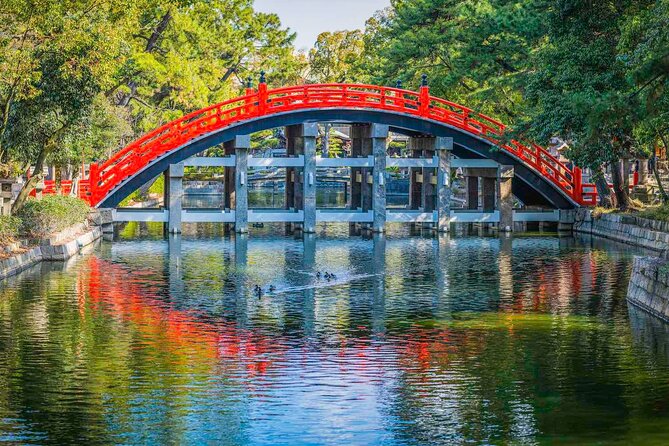
This tour is efficient, so small friction points matter.
Entry tickets: The package says entry tickets aren’t included, but the stop notes list many sights as ticket-free. I’d treat this as a heads-up to confirm fees on the day, especially for museums and anything with special entry rules.
Lunch: Lunch isn’t included. Since you’ll be moving city to city and stacking attractions, plan for grab-and-go or market snacks (Nishiki Market works well for that). If you want a sit-down meal, ask the driver for a sensible lunch window before you’re hungry and rushed.
Shoes and pacing: You’ll do a lot of walking, even when some stops are listed as shorter. Kyoto shrine walks and Nara parks reward good shoes. Bring water and don’t underestimate how quickly you’ll use energy.
Fireworks timing note: The plan mentions special operations tied to the Naniwa Yodogawa Fireworks Festival on August 3, 2024. If your dates line up with fireworks-season, ask about viewing options early so you know what’s possible.
Where to stay so you don’t waste transfers
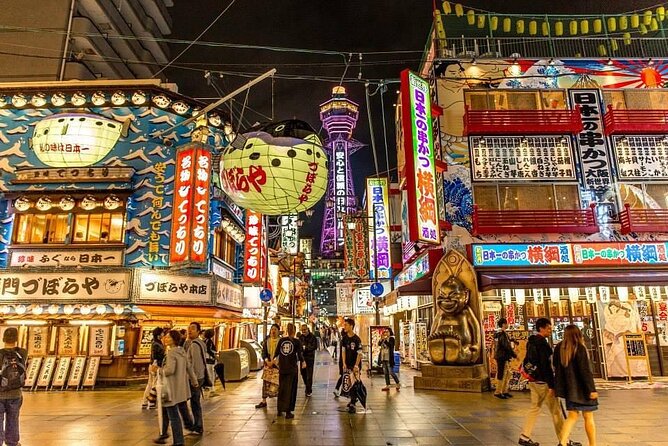
Accommodation is not included, so you get to choose each night. The smart move is to stay where you’ll start the day with less friction.
In practice, pick a hotel area that’s convenient for the first morning stop in Osaka, Kyoto, and Nara. If you stay far from transit, you might spend your energy on getting to the car instead of seeing things.
Also, since you’ll be returning after a full day, prioritize comfort: a place with easy check-in, good breakfast (or nearby options), and a short walk to convenience stores.
Should you book this Osaka, Kyoto and Nara private tour?
I’d book this if you want a high-coverage 3-day trip that still feels personal, with a driver who can help with English and decisions. It’s especially good for:
- groups up to 6 who want to share the cost
- people who hate crowded group tours
- first-timers who want major icons plus practical fun stops like Cup Noodle Museum and Osaka’s nightlife area
- travelers who value private transport so the itinerary doesn’t fall apart
I would pause if:
- you need lots of fully explained historical detail and you’re unsure about the driver’s communication style
- you’re hoping entry fees are included automatically (the package says they aren’t)
- you’d rather do fewer stops more slowly; the 3-day format is packed by design
If you book, do one thing that makes it better immediately: tell the driver your top priorities on day one, then let the rest be flexible. That turns a tight schedule into a trip that feels like yours.
FAQ
Is this tour private, or will I join a group?
It’s a private tour/activity, meaning only your group participates.
How long is the Osaka, Kyoto, and Nara tour?
The duration is 3 days (approximately).
What’s the group size limit?
The price is per group for up to 6 people.
Do I get an English-speaking driver?
Yes. An English-speaking driver is included, along with WiFi on board and an air-conditioned vehicle.
Is pickup included?
Pickup is offered.
Is lunch included?
No, lunch is not included.
Are entry tickets included?
The package says entry tickets are not included, even though many stop notes list free admission. It’s smart to confirm what you’ll pay for on the day.
Is accommodation included?
No. You choose your preferred accommodation each night.
What time does the tour run?
Opening hours are listed as 8:30 AM to 5:30 PM, Monday to Sunday.
Can I cancel for a refund?
Yes, free cancellation is available. You can cancel up to 24 hours in advance for a full refund.
Is there WiFi during the tour?
Yes, WiFi on board is included.
If you want, tell me your travel dates and who’s in your group (adults/kids), and I’ll help you pick which stops to prioritize so the days don’t feel like a sprint.
A Day Among the Nara Deer
- Ancient Capital Tour: Kyoto and Nara Highlights from Kyoto/Osaka★ 4.5 · 332 reviews
- Kyoto and Nara Day Trip from Osaka★ 4.0 · 175 reviews
- Full Day Guided Tour to Kyoto and Nara from Osaka by Van★ 5.0 · 144 reviews
- Discover Himeji, Kobe and Nara from Osaka★ 5.0 · 101 reviews
- Kyoto & Nara Private customized tour with English speaking Guide★ 4.5 · 99 reviews
Kyoto, Just Up the Line
- Osaka/Kyoto: Hiroshima Miyajima Bus Tour & Shinkansen Ticket★ 4.7 · 919 reviews
- From Kyoto/Osaka: Kyoto Top Highlights 1-Day Guided Bus Tour★ 4.5 · 714 reviews
- Ancient Capital Tour: Kyoto and Nara Highlights from Kyoto/Osaka★ 4.5 · 332 reviews
- Osaka/Kyoto: Amanohashidate & Miyama Tour with Boat & Lunch★ 4.6 · 207 reviews
- Kyoto and Nara Day Trip from Osaka★ 4.0 · 175 reviews
Your Osaka, at Your Pace
- Private Osaka Walking Tour: Highlights & Hidden Gems★ 5.0 · 569 reviews
- Osaka 4hr Private Tour with Government-Licensed Guide★ 5.0 · 314 reviews
- 3/4/5 Hours Private Tour in Osaka with Local Guide★ 5.0 · 189 reviews
- Osaka’s Best and Brightest: Private Full-Day Tour by Vehicle★ 5.0 · 147 reviews
- Kyoto & Nara Private customized tour with English speaking Guide★ 4.5 · 99 reviews
The Newest Osaka Write-Ups
- Private Photoshoot in Osaka with a Professional Photographer
★ 5.0 · 3 reviews - Osaka Early Morning Osaka Castle Tour Avoid Crowds
★ 5.0 · 3 reviews - Nara Private Tour with Pick and Drop and English Speaking Driver
★ 3.5 · 3 reviews - Osaka: Modern Vegetarian Sushi Cooking Class
★ 5.0 · 3 reviews - Nara Day Trip from Osaka with a Licensed Guide
★ 5.0 · 3 reviews
Osaka Private Tours, compared.
 ★ 5.0Private Osaka Walking Tour: Highlights & Hidden GemsFrom $81569 reviews
 ★ 5.0Osaka 4hr Private Tour with Government-Licensed GuideFrom $105314 reviews
 ★ 5.03/4/5 Hours Private Tour in Osaka with Local GuideFrom $95189 reviews
 ★ 5.0Osaka’s Best and Brightest: Private Full-Day Tour by VehicleFrom $600147 reviews
 ★ 5.0Full Day Tour of Kyoto with Private TransportationFrom $247130 reviews
 ★ 4.5Kyoto & Nara Private customized tour with English speaking GuideFrom $54999 reviews
 ★ 4.6Private Custom Walking Tour with a Local GuideFrom $6297 reviews
 ★ 4.93/4/5 Hours Private Tour With Local GuideFrom $11686 reviews
Browse the lists this tour appears in