
Reviewed · OSAKA PRIVATE TOURS
Private Day Tour of Historic Osaka
Osaka has layers, and this route shows them. You’ll start at the ancient Sumiyoshi-taisha Shrine, then move through Shitennoji and on to Osaka Castle, before finishing in the retro mood of Shinsekai. I like how the stops line up with big chapters of Japanese life: Shinto spirituality, Buddhism’s arrival, samurai-era power, and 1970s Osaka street energy.
I also like the human touch here. The tour is guided, and the standout detail from prior guests is that the guide (for example Mouloud) can explain Osaka history clearly and has handled French alongside English, not just one language. That makes the day feel less like a checklist and more like a story you can follow.
One thing to plan for: this is an 8-hour schedule with a good amount of walking and transit. The physical requirement is listed as moderate, so if you get tired quickly on your feet, build in breaks and wear supportive shoes.
This is a private tour, so your group stays together and the pace can feel more manageable. You’ll meet at Tennojiekimae Station at 9:00 am and end near Magic Cafe & Bar Shinsekai, which is a handy way to close the loop in one of Osaka’s most distinctive neighborhoods.
In This Review
- Key Points You’ll Care About
- Why This Historic Osaka Route Works on Foot and by Train
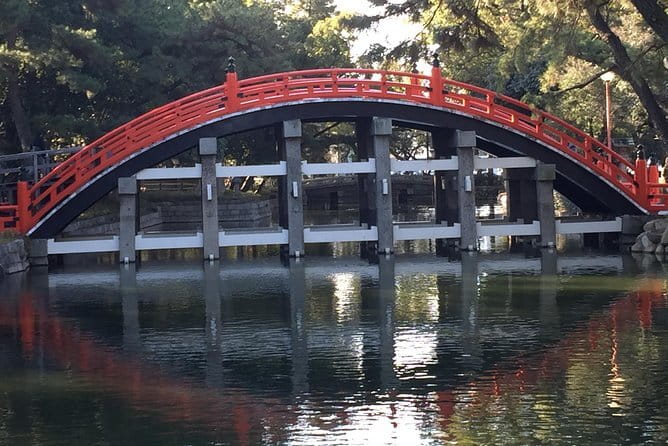
- Sumiyoshi-taisha Shrine: 1800 Years of Shinto Calm
- Shitennoji Temple: Seeing Buddhism’s Early Footprint in Japan
- Osaka Castle and Samurai-Era Power, from Late 1500s to Today
- Shinsekai and Tsutenkaku: The 1970s Retro Osaka Finish
- Price and What You’re Really Paying For
- Meeting Point to Finish Line: A Simple Plan for Your Morning
- Who This Private Osaka Tour Suits Best
- What the Tour Feels Like Day-to-Day
- Should You Book This Private Day Tour of Historic Osaka?
- FAQ
- How long is the Private Day Tour of Historic Osaka?
- Where does the tour start and what time does it begin?
- Where does the tour end?
- Is this tour private?
- Are admission tickets included?
- What are the listed estimates for lunch and local transport?
Key Points You’ll Care About
- Four major Osaka stops in one day: Shinto shrine, early Buddhism temple, samurai-era castle, and Shinsekai’s retro streets
- A guide who can switch languages: Mouloud is noted for French support in addition to English
- Tickets and timing are part of your planning: each stop has a set time window, and admission notes say tickets aren’t included
- Public transport is built in: the route is designed for getting around without renting a car
- A private-group format: only your group participates, so you can move at your own rhythm
- Good value for a long day: you’re paying for guided logistics across multiple areas, not just one attraction
A guide to yourselves, more private days out

Why This Historic Osaka Route Works on Foot and by Train
The best Osaka days don’t try to do everything randomly. This one has a clean storyline, moving from spiritual origins to cultural change, then into the city’s military history, and finally into the kind of neighborhood vibe that Osaka is known for.
I like that you’re not stuck inside a museum all day. You’ll spend time outdoors at Sumiyoshi-taisha, then transition to temple grounds at Shitennoji, and finish with neighborhood energy in Shinsekai. That mix helps your brain stay awake and your photos feel varied.
Sumiyoshi-taisha Shrine: 1800 Years of Shinto Calm
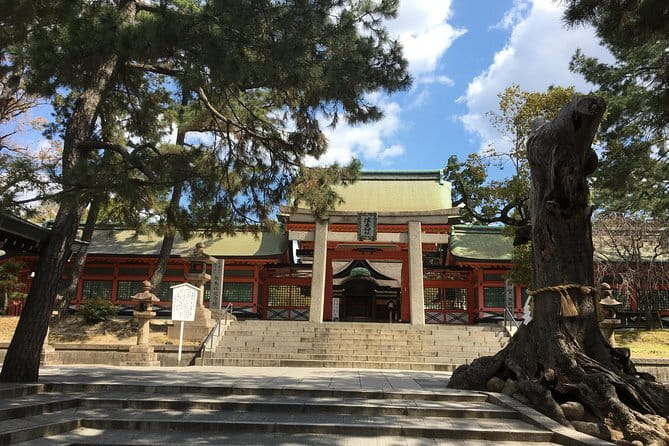
You’ll begin at Sumiyoshi Taisha Shrine. The shrine is described as dating from 211, which makes it one of the oldest Shinto shrines in Japan, with about 1,800 years of history behind it. On a day that also includes temples and a castle, this first stop sets a totally different tone—quiet, ceremonial, and grounded in tradition.
What makes this stop special is the architecture and the sense of continuity. You’re not just looking at something old; you’re seeing how tradition still shapes space and movement. The tour gives you about 2 hours, which is a real benefit here. You’ll have time to look around rather than rush from entrance to exit.
Practical note: the tour lists admission tickets as not included for this stop. So plan for the possibility of paying for entry if the shrine requires it that day.
Shitennoji Temple: Seeing Buddhism’s Early Footprint in Japan
Next is Shitennoji, dating from 593. This is presented as a key landmark for the arrival of Buddhism in Japan, which is exactly why it belongs on a historic Osaka day.
I like how this stop adds depth without getting confusing. The shrine-to-temple switch helps you compare how different belief systems shaped architecture, ritual spaces, and public life. With about 1 hour on the schedule, you’re unlikely to feel trapped in a long walk-through.
Also keep in mind: admission tickets are again marked as not included for this stop. So, even if the guide covers some costs, carry a little flexibility for entrance fees.
Older Osaka, walked a few more ways
Osaka Castle and Samurai-Era Power, from Late 1500s to Today
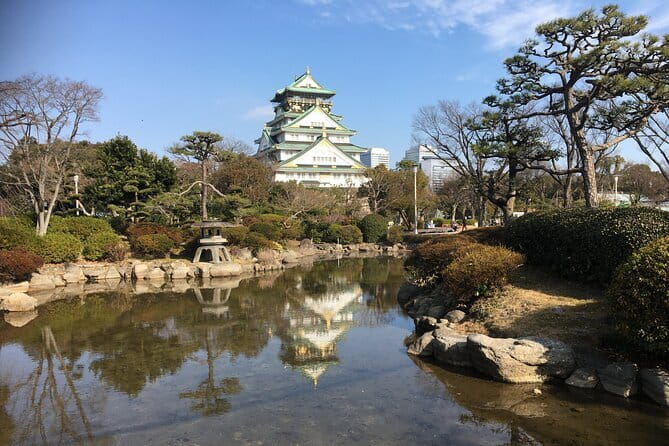
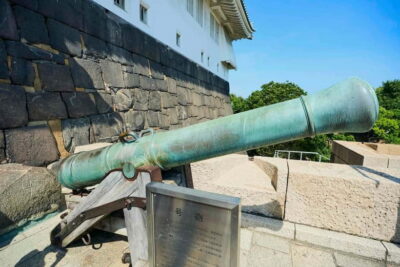
Then you’ll head to Osaka Castle, the big centerpiece for many first-timers. The tour describes it as built at the end of the 16th century, and also notes that it was rebuilt in 1931 after its earlier history. That detail matters, because it reminds you the “castle you see today” has a modern story too, not just an ancient one.
This stop gives you about 2 hours, which is the right amount of time to do two things well:
- absorb the castle’s role as a symbol of power, and
- take in the area around it rather than treating it as a photo stop only.
Why this matters for your day: after the spiritual focus of Sumiyoshi-taisha and Shitennoji, Osaka Castle brings you back to the political and social side of history—samurai-era ambition, the idea of authority made visible in stone and scale.
Entrance note: admission tickets are listed as not included. So expect to pay for whatever parts require separate entry.
Shinsekai and Tsutenkaku: The 1970s Retro Osaka Finish
After the history-heavy parts, you’ll end in Shinsekai, centered on Tsutenkaku. This is where the day shifts from “learn the past” to “feel the city.”
The tour frames Shinsekai as having a retro atmosphere that takes you back to the 1970s. Whether you’re into urban nostalgia or not, the neighborhood vibe is useful for travelers because it makes Osaka feel human. It’s not only temples and towers. It’s daily streets, signage, casual energy, and a different kind of local identity.
You’ll have about 1 hour here, which is enough to stroll, orient yourself, and get a sense of why Shinsekai remains memorable. The tour ends near Magic Cafe & Bar Shinsekai, which is convenient if you want to keep walking or grab a snack after the guide departs.
Admission note: the tour’s ticket info is organized by stop, so you’ll want to check on what, if anything, is ticketed at Shinsekai. Nothing in the provided info suggests a required ticket at Tsutenkaku for the whole experience.
Price and What You’re Really Paying For
The price is $220.96 per person, and the tour runs about 8 hours. On paper, that can look steep until you break down what you’re actually buying: guided time across multiple major areas of Osaka, plus public-transport logistics and coordination that’s hard to replicate without spending your own time planning every transfer.
The inclusion details are worth reading carefully. The package says guide fees (transportation, lunch, and entrance fees) are included, but the separate notes list lunch around 2,500 JPY/person and transport around 2,000 JPY/person/day. That contradiction means you should treat this as a “confirm at booking” situation.
Here’s how I’d handle it in real life:
- Assume you may pay something out of pocket for lunch or transit, just based on the provided estimates.
- Ask your confirmation message what’s covered versus what you’ll purchase yourself.
- Bring some extra yen so you don’t get caught short if anything ends up not covered.
If your goal is a first Osaka day that balances major sights with smooth movement, this pricing can make sense. If you’re comfortable planning routes and buying your own tickets, you might compare against self-guided options. But for many travelers, the value is the time saved and the historical context added by the guide.
Meeting Point to Finish Line: A Simple Plan for Your Morning
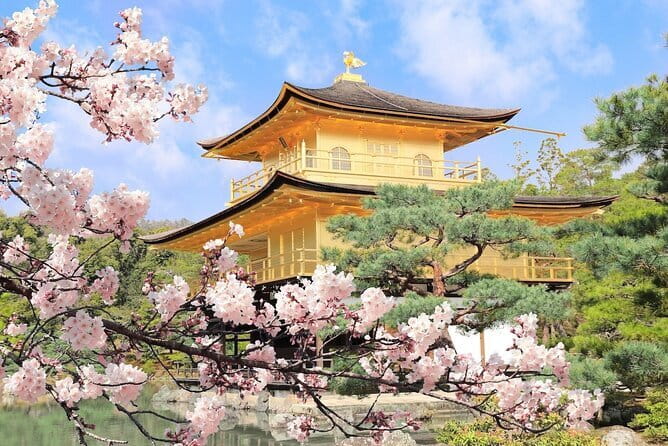
The tour starts at Tennojiekimae Station at 9:00 am, and it ends near Magic Cafe & Bar Shinsekai. Because it’s a private day, you’re not waiting around for strangers to show up late in a different language group.
This early start matters because Osaka’s sites and neighborhoods can get busy. A 9:00 am launch helps you see the first stops in a calmer window and gives you breathing room later.
Since the tour uses public transport, I’d do two practical things:
- Wear comfortable shoes you can stand in for several hours.
- Bring a small bag with water and a light layer, since temple and shrine areas can feel cool or windy depending on the day.
The tour notes ask for moderate physical fitness, so plan around that. You don’t need to be an athlete, but you should expect steady walking plus train/bus segments.
Who This Private Osaka Tour Suits Best
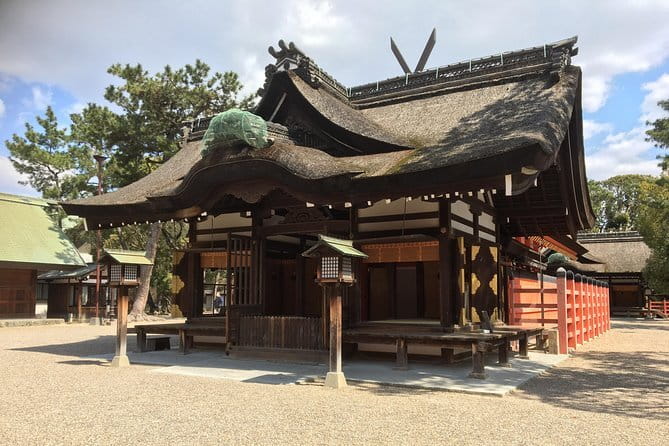
This is a great match if you want a historic overview without feeling stuck in one place. You get Shinto, early Buddhism context, the samurai-era symbol of Osaka Castle, and then the neighborhood texture of Shinsekai.
It also fits well for groups who appreciate a guide who can explain in more than one language. One of the guide strengths highlighted from prior guests is Mouloud’s ability to handle French in addition to English, while also speaking Japanese very well and giving clear explanations.
I’d also point this out: the tour is private. If you’re traveling with family members who need a slightly paced day, or with friends who want to ask questions, that private format can reduce stress.
If you only want one attraction and don’t care about history background, then you may not need an all-day structure. But if you want a coherent day, this itinerary is built for that.
What the Tour Feels Like Day-to-Day
You’ll likely feel the day in four phases, and they’re intentionally different:
1) Spiritual start at Sumiyoshi-taisha (about 2 hours)
2) Cultural shift at Shitennoji (about 1 hour)
3) Power and symbolism at Osaka Castle (about 2 hours)
4) Neighborhood atmosphere at Shinsekai (about 1 hour)
That pacing is useful. It stops you from burning out on one type of sight. It also gives you a clean end-of-day neighborhood payoff, instead of returning to your hotel right after the big attraction.
And because it’s private, you’re more likely to get “why this matters” explanations, not just directions. That’s where language ability helps too: when the guide can adjust for your group’s comfort level, you get more out of the stops.
Should You Book This Private Day Tour of Historic Osaka?
Book it if you want:
- a structured one-day tour through four iconic Osaka areas,
- a guide who can explain history in a way that works for your group (including language flexibility like French support from Mouloud), and
- a finish in Shinsekai that feels like you actually left the historical zone and saw real Osaka character.
Consider skipping or customizing if:
- you prefer a totally self-directed day with no schedule, or
- you’d rather spend the day choosing smaller stops on your own and skipping ticketed entries, or
- you’re trying to minimize extra costs beyond the base price, since the provided details suggest possible out-of-pocket payments for lunch and transport.
FAQ
How long is the Private Day Tour of Historic Osaka?
It’s about 8 hours.
Where does the tour start and what time does it begin?
It starts at Tennojiekimae Station at 9:00 am.
Where does the tour end?
The tour ends at Magic Cafe & Bar Shinsekai.
Is this tour private?
Yes. It’s a private tour/activity, and only your group participates.
Are admission tickets included?
The admission ticket notes for the listed stops say tickets are not included.
What are the listed estimates for lunch and local transport?
Lunch is listed as approximately 2,500 JPY per person, and transport is listed as approximately 2,000 JPY per person per day.
If you tell me your travel dates and whether your group prefers English or French, I can suggest what to ask during confirmation so the lunch and ticket costs line up with your budget.
The Older Layers of Osaka
- Osaka: Castle History Walking Tour / Castle Tower Admission★ 4.9 · 230 reviews
- Osaka: Osaka Castle & Historical Museum Guided Tour★ 4.8 · 28 reviews
- Osaka Castle & Samurai History Walking Tour★ 5.0 · 22 reviews
- Osaka: Kyoto & Nara & Uji Historical and Scenic One-Day Tour★ 4.7 · 21 reviews
- (Ticket Included) Explore Osaka Castle & Museum of History★ 4.8 · 21 reviews
More Tour Reviews in Osaka
- Osaka Go Karting Tour with Funny Costume★ 5.0 · 2,658 reviews
- Osaka Castle: Museum and Tower Entry Ticket★ 4.5 · 2,380 reviews
- Osaka: Shinsekai Food Tour with 13-15 Dishes at 5 Eateries★ 4.8 · 2,204 reviews
- Osaka Food Tour: 13 Dishes at 5 Local Eateries★ 5.0 · 2,149 reviews
- Hungry Osaka Street Food Tour:15 Tastings & 3 Drinks with a Local★ 5.0 · 1,727 reviews
Your Osaka, at Your Pace
- Private Osaka Walking Tour: Highlights & Hidden Gems★ 5.0 · 569 reviews
- Osaka 4hr Private Tour with Government-Licensed Guide★ 5.0 · 314 reviews
- 3/4/5 Hours Private Tour in Osaka with Local Guide★ 5.0 · 189 reviews
- Osaka’s Best and Brightest: Private Full-Day Tour by Vehicle★ 5.0 · 147 reviews
- Kyoto & Nara Private customized tour with English speaking Guide★ 4.5 · 99 reviews
The Newest Osaka Write-Ups
- Private Photoshoot in Osaka with a Professional Photographer
★ 5.0 · 3 reviews - Osaka Early Morning Osaka Castle Tour Avoid Crowds
★ 5.0 · 3 reviews - Nara Private Tour with Pick and Drop and English Speaking Driver
★ 3.5 · 3 reviews - Osaka: Modern Vegetarian Sushi Cooking Class
★ 5.0 · 3 reviews - Nara Day Trip from Osaka with a Licensed Guide
★ 5.0 · 3 reviews
Osaka Private Tours, compared.
 ★ 5.0Private Osaka Walking Tour: Highlights & Hidden GemsFrom $81569 reviews
 ★ 5.0Osaka 4hr Private Tour with Government-Licensed GuideFrom $105314 reviews
 ★ 5.03/4/5 Hours Private Tour in Osaka with Local GuideFrom $95189 reviews
 ★ 5.0Osaka’s Best and Brightest: Private Full-Day Tour by VehicleFrom $600147 reviews
 ★ 5.0Full Day Tour of Kyoto with Private TransportationFrom $247130 reviews
 ★ 4.5Kyoto & Nara Private customized tour with English speaking GuideFrom $54999 reviews
 ★ 4.6Private Custom Walking Tour with a Local GuideFrom $6297 reviews
 ★ 4.93/4/5 Hours Private Tour With Local GuideFrom $11686 reviews
Browse the lists this tour appears in