
Reviewed · KYOTO DAY TRIPS FROM OSAKA
Osaka/Kyoto: Kiyomizudera Fushimi Inari, Nara Tour w/ Pickup
Kyoto and Nara in one day can feel wild, but this route is built for it. You’ll cover Kiyomizudera views and the famous Senbon Torii without needing to stitch together trains and bus lines.
What I like most is the balance: big-name temples up front, then a calmer Nara stop with deer and space to breathe. I also like that starting in the Namba/Shinsaibashi area keeps your morning simple, and the bilingual guide helps you move smart when schedules and crowds get tight.
One drawback to plan for: it’s a packed itinerary, and temple ticket costs are extra, so you’ll want comfortable shoes and a realistic pace.
In This Review
- Key highlights worth caring about
- Osaka to Kyoto and Nara in One Day: Why This Pickup Route Makes Sense
- Meeting at Nihonbashi Exit 2: The Small Details That Save Your Morning
- Kiyomizudera Temple: UNESCO Views Plus the Right Kind of Chaos
- Fushimi Inari Taisha and Senbon Torii: How to Enjoy the Walk Without Overdoing It
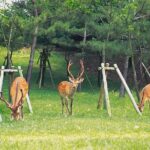
- Nara Park Deer Time: Fun Encounters With Real Rules
- Todai-ji Temple: The Great Buddha Gives You Scale, Not Just Photos
- Shinsaibashi-suji Shopping Street: A Practical Way to End in Osaka
- Price and Value: What Your $54 Really Buys
- Logistics That Matter: Timing, Luggage, and Comfort
- Who Should Book This Day Trip (and Who Should Skip It)
- Should You Book This Tour?
- FAQ
- Where is the meeting point for this tour?
- What time should I arrive for pickup?
- Are temple tickets included in the price?
- Are meals included?
- How long is the transportation included with the tour?
- What languages does the guide offer?
- Who should avoid booking this tour?
Key highlights worth caring about
- Pickup near Shinsaibashi/Namba at Nihonbashi Exit 2 to cut down your morning stress.
- Kiyomizudera UNESCO time paired with Fushimi Inari so you hit Kyoto’s two biggest icons efficiently.
- Nara Park deer feeding with real caution—those deer can get quick near your hands.
- Todai-ji’s Great Buddha gives you a scale shift from the walk-heavy shrine days.
- Shinsaibashi-suji at the end is a practical landing spot for food and shopping back in Osaka.
- Guide quality can change the feel; for example, Jason was praised for proactive help and hidden photo spots.
Kyoto sits thirty minutes away, more ways there
Osaka to Kyoto and Nara in One Day: Why This Pickup Route Makes Sense
If your Japan trip has limited time, this kind of day trip is the shortcut that still feels like a real experience. You start from Osaka, ride with a guide and driver, and knock out Kyoto and Nara highlights without spending your day figuring out connections.
The itinerary also has a natural flow. Kyoto gives you the icon-walk vibe (stairs, gates, temple grounds), then Nara brings in the open park setting and the deer encounters. Ending in Shinsaibashi-suji is smart because you get to drop back into Osaka life instead of rushing back to some outer station and calling it a day.
The big thing to remember: this is not a slow cultural stroll. It’s a “hit the important places” plan, which is great if you like structure, and less great if you want hours of free roaming in just one temple.
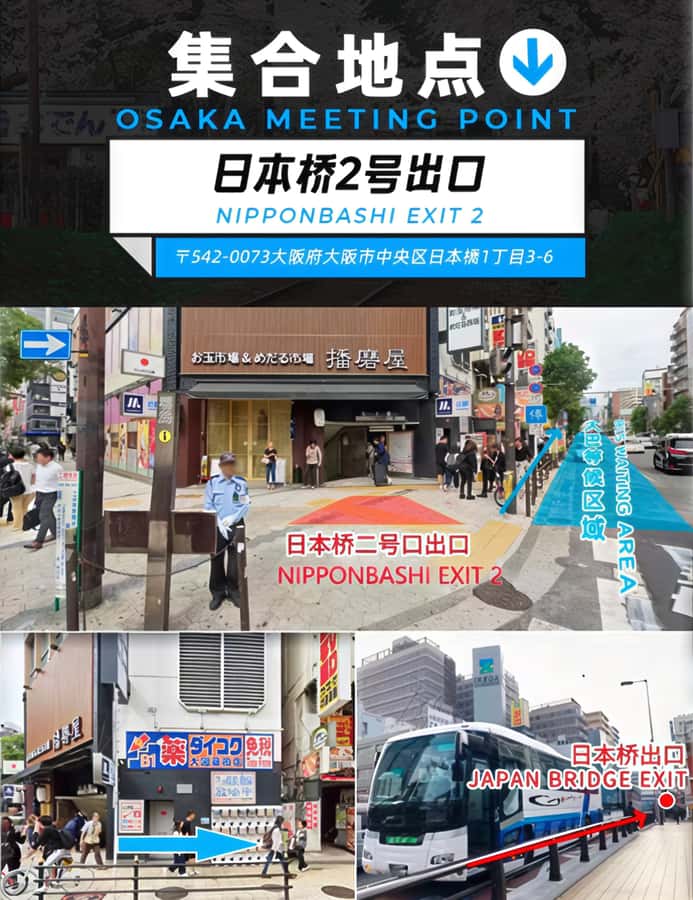
Meeting at Nihonbashi Exit 2: The Small Details That Save Your Morning
Your day starts at Nihonbashi Exit 2 (1-chome-3-6 Nipponbashi, Chuo Ward, Osaka). The rule is simple: show up 15 minutes early. If you arrive late or at the wrong spot, refunds may not be granted, and the bus won’t wait.
You’ll also get a photo of the gathering point by email, plus your guide’s contact info and vehicle details the day before. The operator also adds you to a WhatsApp group, which is useful because you can coordinate quickly if anything feels unclear.
Two practical tips: wear easy-to-walk footwear right away, and keep your phone charged. With meeting points, timing matters, and you don’t want to spend the first 20 minutes trying to locate the correct pickup lane.
Kiyomizudera Temple: UNESCO Views Plus the Right Kind of Chaos
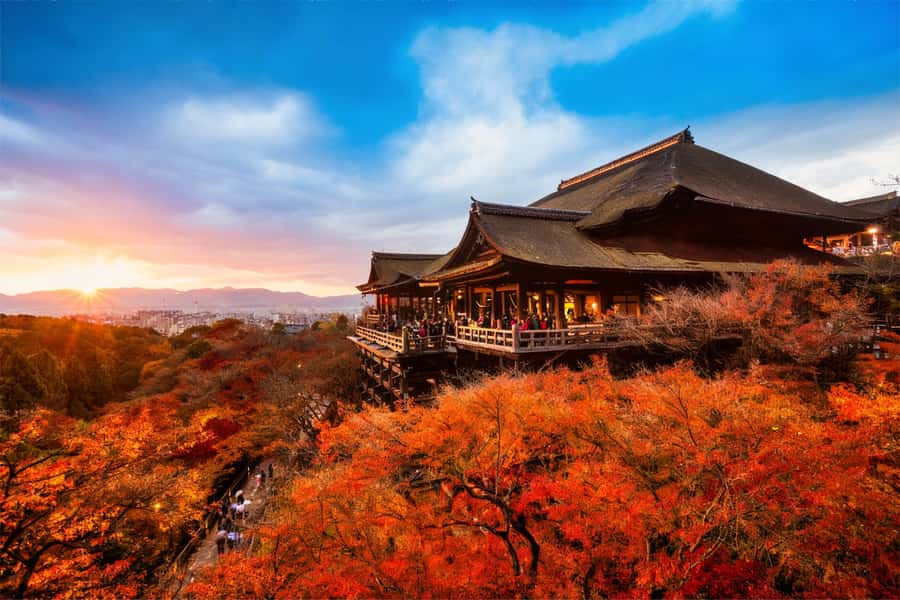
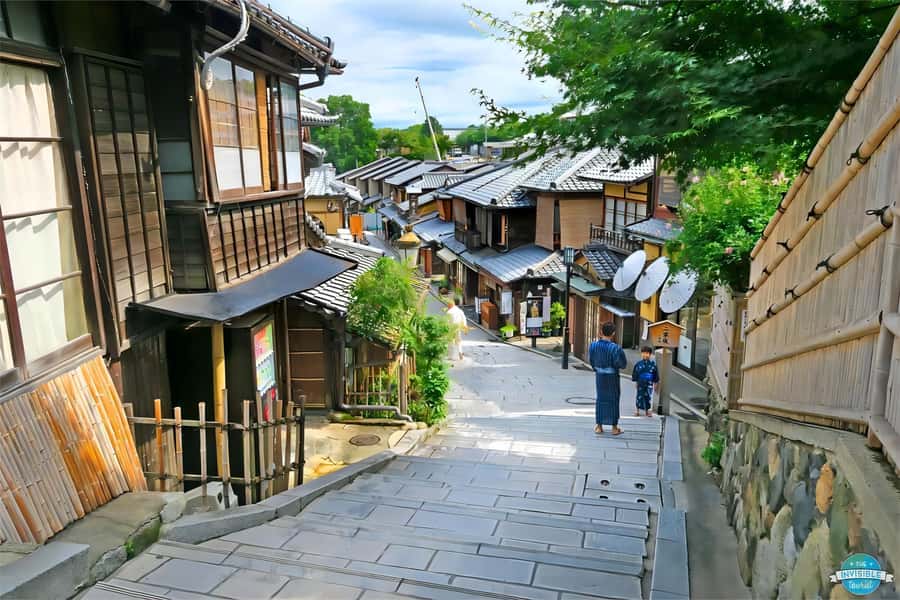
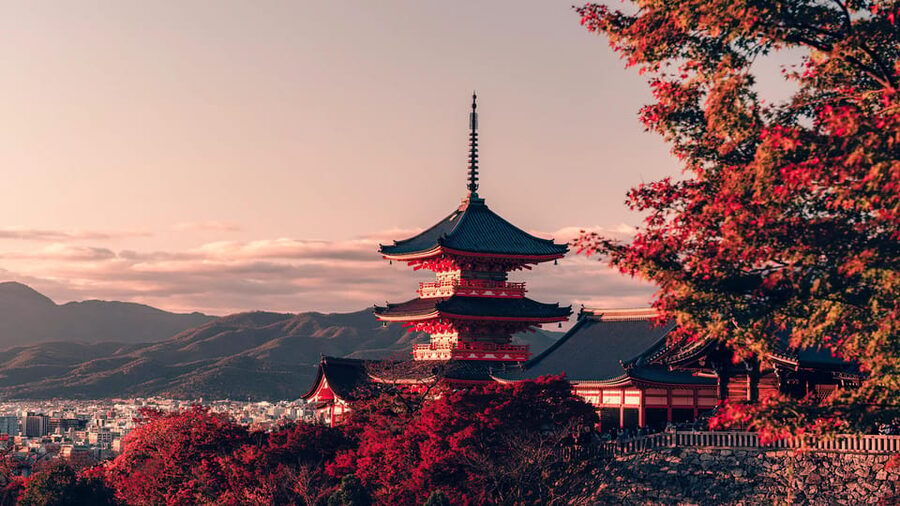
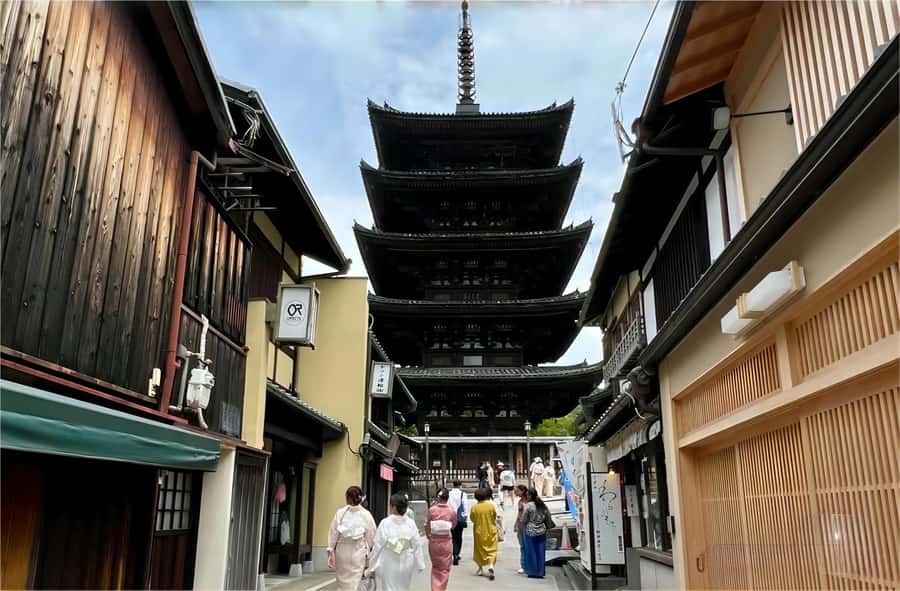
Kiyomizudera is one of those places where the view is part of the story. The temple sits in a way that makes you feel the hillside setting, and you’ll likely notice why it became a UNESCO site: the architecture and the scenery work together.
What you should plan for here is walking and crowd management. This is a top attraction, so expect people moving in lines and cross-flows. The guide’s job is to help you keep moving while still seeing the important angles, which matters when time is limited.
Also, tickets are extra. Adults pay JP¥400 and children JP¥200, so you’ll want to have that budget ready. If you’re the type who hates standing in ticket lines, factor in that extra step when you’re planning the day’s timing.
The deer will still bow: more Nara days
Fushimi Inari Taisha and Senbon Torii: How to Enjoy the Walk Without Overdoing It
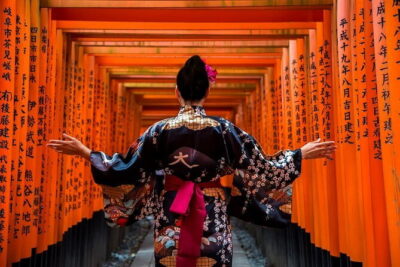
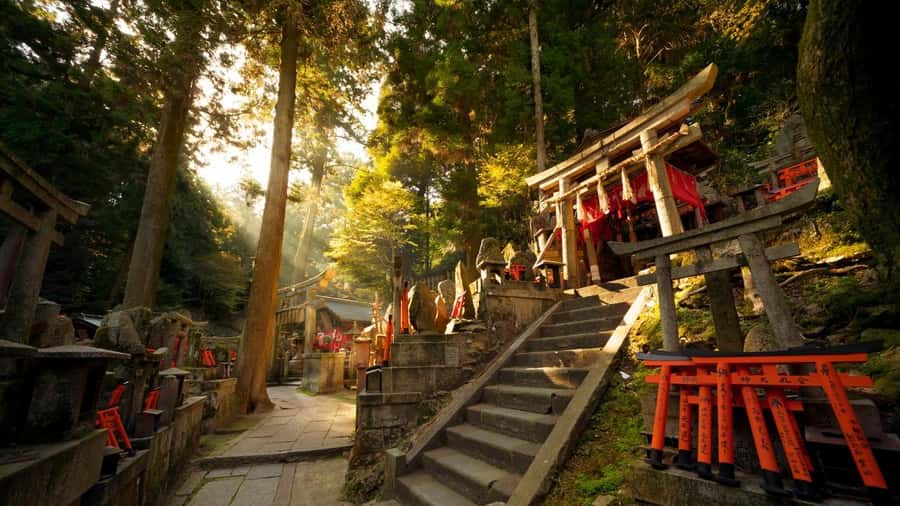
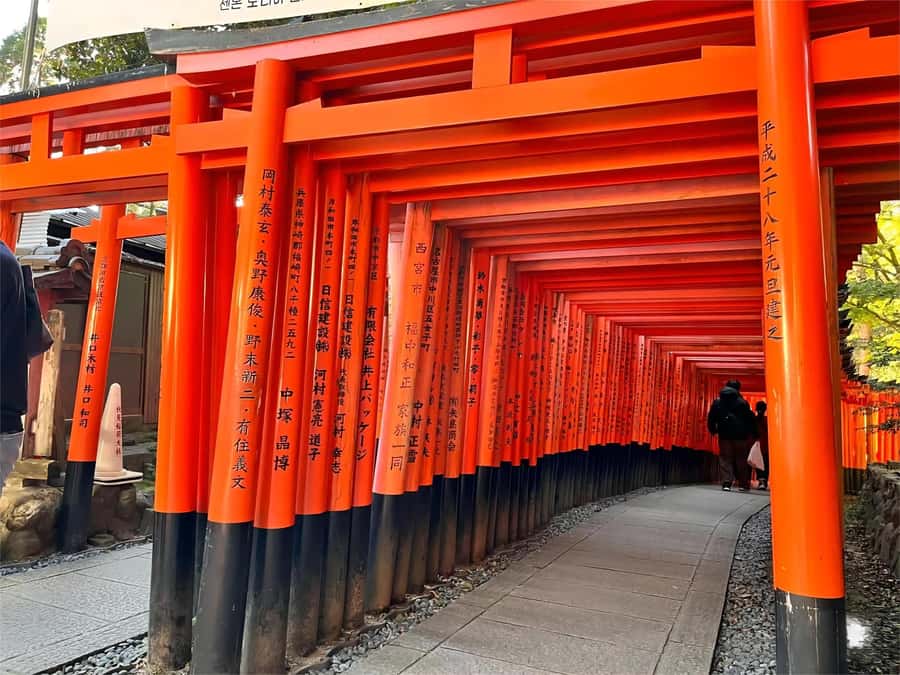
Fushimi Inari Taisha is famous for its Senbon Torii gates, and that fame is deserved. Even if you’ve seen it in photos, the real thing lands differently because you’re walking through a corridor of gates that stretches and shifts as you move.
The key is pacing. This is a walking experience with lots of photo moments, and it can be easy to get carried away and burn time early. If your legs are tired later, you’ll regret going too far too fast. You can still get the iconic look without turning it into a marathon.
Another practical note: Fushimi Inari is often a photo hotspot. A good guide can help you find better viewpoints and timing, so you’re not stuck shooting from the same angle as everyone else. The value here is not just sightseeing, it’s spending your best light and best effort on the right spots.
Nara Park Deer Time: Fun Encounters With Real Rules
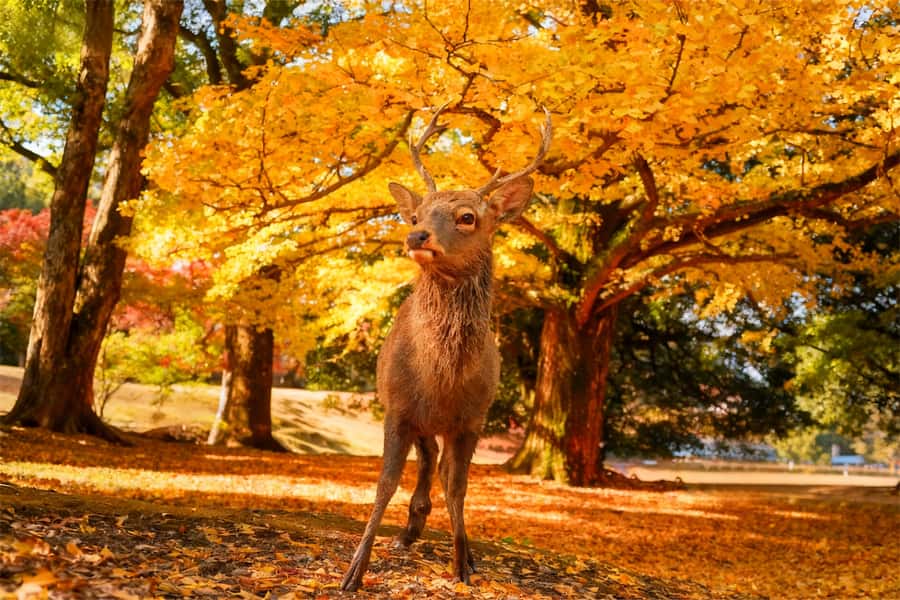
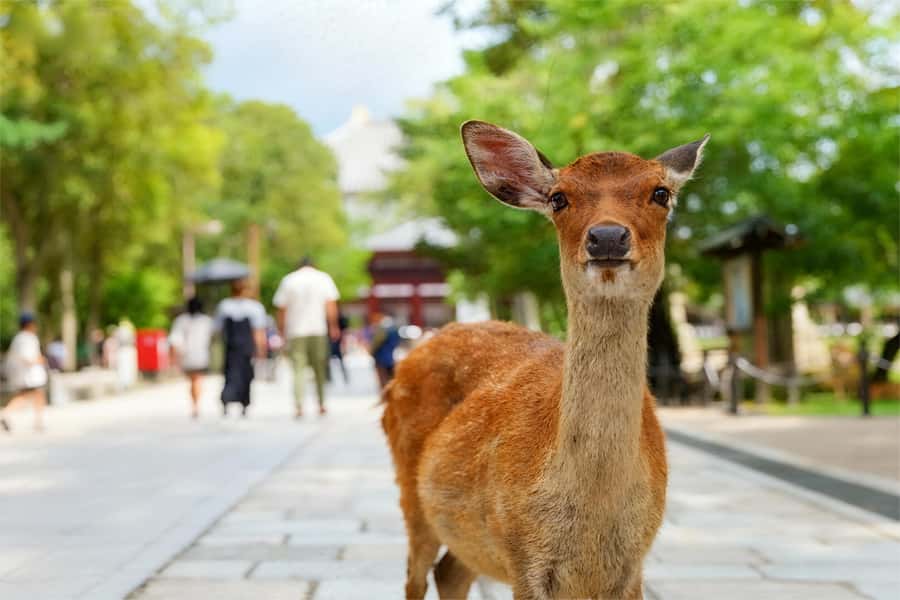
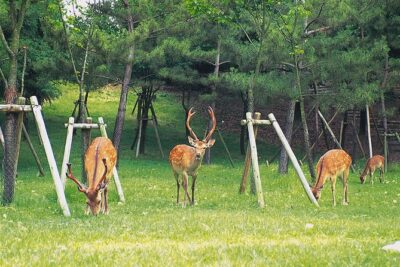
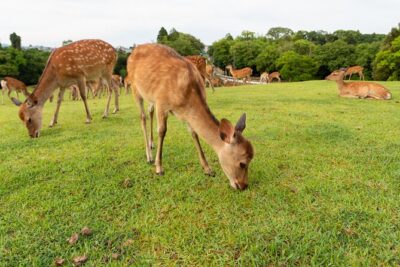
Nara Park is where the day gets more human-sized. Instead of only temple paths, you get open grounds with sika deer roaming freely, plus the chance to feed them. This is one of the best parts of the trip because it feels less structured and more like you’ve stepped into Japan’s everyday character.
But yes, there’s a safety angle. One of the strongest bits of advice from experience is to be careful when feeding: some deer get excited, can suddenly come close, and may nip your hand if you’re not fast enough. So keep the feed controlled, don’t wave it around, and keep your body posture calm instead of leaning in like you’re wrestling for a selfie.
What I like about this stop is how it changes your pace. After Kyoto’s walking-heavy shrine areas, Nara lets you slow down and take in space, trees, and the animals moving around at their own speed.
Todai-ji Temple: The Great Buddha Gives You Scale, Not Just Photos
Then comes Todai-ji, known for the massive Great Buddha statue. This is the kind of stop that resets your brain because it’s about scale. The temple grounds feel different from shrine gates and hillside halls: you tend to slow your movement and look longer.
Expect a mix of standing, walking, and lingering in quieter spaces. Even if you’re not chasing every architectural detail, Todai-ji is a place where the main attraction does a lot of the work for you. The guide can help you prioritize what’s worth your time when you’re working inside a full-day schedule.
Tickets are extra: adults pay JP¥600 and children JP¥300. If you’re traveling with kids, this is one of the costs to confirm early so nobody gets surprised at the ticket gate.
Shinsaibashi-suji Shopping Street: A Practical Way to End in Osaka
Ending at Shinsaibashi-suji Shopping Street is a smart design choice. You get to return to a familiar Osaka area, which is easier for dinner plans and late-night wandering than trying to reach a distant station.
This is also where you can turn the day into a real memory by eating what looks good. Since meals aren’t included, this ending time works well because you’re not waiting for a set meal option. You can browse, snack, and decide where you want to sit without a tour timeline grabbing your elbow.
Keep in mind the tour ends back at the meeting point, so if you plan to go further, do it with the end time in mind. Comfortable shoes help here too—Kyoto and Nara already take steps out of your legs.
Price and Value: What Your $54 Really Buys
At $54 per person, the headline price looks good, but the real value comes from what’s included versus what’s extra.
Included:
- 10 hours car usage
- Bilingual guide and driver
- Toll and parking fees
Not included:
- Meal
- Temple tickets for Kiyomizudera (adult JP¥400, child JP¥200) and Todai-ji (adult JP¥600, child JP¥300)
- Other self-expense
For an adult, tickets add up to JP¥1,000 for the two paid temple stops. Depending on your travel style, that can still be a strong deal because you’re paying less for transportation planning and more for a guide-run route that keeps you moving.
Where the value really shows is the tradeoff: you gain time efficiency, and you avoid the “busy day tax” of transfers and wrong turns. If you were planning this independently, you’d likely spend time coordinating transit and still need a plan for how to group stops. Here, the plan is built in.
One more thing: the car portion is a big part of the cost control. Long-distance day trips by public transport can be slow and exhausting; car usage makes the day doable, especially if you want to keep your energy for the sites.
Logistics That Matter: Timing, Luggage, and Comfort
This is a real day trip, so timing is not optional. The operator notes that departure time and itinerary may change based on peak-season traffic, which is normal in Japan. The bus will depart on time, and there are no exceptions, so be early and stay reachable.
Luggage space is limited. That means you’ll want to avoid big suitcases and travel light. If you’ve packed like it’s a week-long trip, you might feel cramped in the vehicle.
Comfort restrictions also matter:
- Baby strollers are not allowed
- Food and drinks aren’t allowed in the vehicle
- Alcohol and drugs aren’t allowed
- Not suitable for pregnant women
- Not suitable for people over 80
If you fit the “active but not extreme” category, you’ll likely handle it well. If you’re expecting a gentle, stop-and-stare schedule with lots of breaks, this might feel faster than you want.
Who Should Book This Day Trip (and Who Should Skip It)
This tour is a strong fit for you if:
- You want Kyoto and Nara highlights in one day without planning transit.
- You like having a guide keep things moving while you focus on photos and walking.
- You’re okay with paying temple tickets separately and eating on your own.
It’s less ideal if:
- You need a very quiet, unhurried pace.
- You rely on strollers or need special physical accommodations not listed here.
- You’re traveling with timing pressure and worry that traffic changes could affect your day.
Also, consider your style toward guided stops. The positive feedback points to the guide making the day feel more personal—Jason was specifically praised for friendliness and for showing hidden photo spots. That kind of help can be the difference between just seeing places and actually enjoying the day.
Should You Book This Tour?
If your goal is to hit the classic icons—Kiyomizudera, Fushimi Inari, Nara deer, Todai-ji—and still end with a relaxed return to Shinsaibashi-suji, I think this is a solid booking. The structure is efficient, the pickup location is convenient for Osaka stays, and the included transport removes a lot of hassle.
I’d book it when you want value through time. This is less about bargain shopping and more about paying for a smooth day plan that gets you across places that would otherwise eat your day.
Book it with realistic expectations: it’s a full-day route, it’s on the move, and tickets plus meals are on you. If that matches your travel style, you’ll get a day that feels like you made the most of Japan’s Kyoto-Nara combo.
FAQ
Where is the meeting point for this tour?
You meet your guide at Nihonbashi Exit 2, 1-chome-3-6 Nipponbashi, Chuo Ward, Osaka, 542-0073.
What time should I arrive for pickup?
Please be present at the meeting point 15 minutes prior. The bus departs on time.
Are temple tickets included in the price?
No. Tickets for Kiyomizudera and Todai-ji are not included. Adults pay JP¥400 (Kiyomizudera) and JP¥600 (Todai-ji), while children pay JP¥200 and JP¥300 respectively.
Are meals included?
Meals are not included.
How long is the transportation included with the tour?
The tour includes 10 hours car usage.
What languages does the guide offer?
The tour is available with guides in Chinese, English, and Japanese.
Who should avoid booking this tour?
It is not suitable for pregnant women and people over 80, and it does not allow baby strollers. Food and drinks are also not allowed in the vehicle.
More Tour Reviews in Osaka
- Osaka Go Karting Tour with Funny Costume★ 5.0 · 2,658 reviews
- Osaka Castle: Museum and Tower Entry Ticket★ 4.5 · 2,380 reviews
- Osaka: Shinsekai Food Tour with 13-15 Dishes at 5 Eateries★ 4.8 · 2,204 reviews
- Osaka Food Tour: 13 Dishes at 5 Local Eateries★ 5.0 · 2,149 reviews
- Hungry Osaka Street Food Tour:15 Tastings & 3 Drinks with a Local★ 5.0 · 1,727 reviews
A Day Among the Nara Deer
- Ancient Capital Tour: Kyoto and Nara Highlights from Kyoto/Osaka★ 4.5 · 332 reviews
- Kyoto and Nara Day Trip from Osaka★ 4.0 · 175 reviews
- Full Day Guided Tour to Kyoto and Nara from Osaka by Van★ 5.0 · 144 reviews
- Discover Himeji, Kobe and Nara from Osaka★ 5.0 · 101 reviews
- Kyoto & Nara Private customized tour with English speaking Guide★ 4.5 · 99 reviews
Kyoto, Just Up the Line
- Osaka/Kyoto: Hiroshima Miyajima Bus Tour & Shinkansen Ticket★ 4.7 · 919 reviews
- From Kyoto/Osaka: Kyoto Top Highlights 1-Day Guided Bus Tour★ 4.5 · 714 reviews
- Ancient Capital Tour: Kyoto and Nara Highlights from Kyoto/Osaka★ 4.5 · 332 reviews
- Osaka/Kyoto: Amanohashidate & Miyama Tour with Boat & Lunch★ 4.6 · 207 reviews
- Kyoto and Nara Day Trip from Osaka★ 4.0 · 175 reviews
The Newest Osaka Write-Ups
- Private Photoshoot in Osaka with a Professional Photographer
★ 5.0 · 3 reviews - Osaka Early Morning Osaka Castle Tour Avoid Crowds
★ 5.0 · 3 reviews - Nara Private Tour with Pick and Drop and English Speaking Driver
★ 3.5 · 3 reviews - Osaka: Modern Vegetarian Sushi Cooking Class
★ 5.0 · 3 reviews - Nara Day Trip from Osaka with a Licensed Guide
★ 5.0 · 3 reviews
Kyoto Day Trips from Osaka, compared.
 ★ 4.7Osaka/Kyoto: Hiroshima Miyajima Bus Tour & Shinkansen TicketFrom $277919 reviews
 ★ 4.5From Kyoto/Osaka: Kyoto Top Highlights 1-Day Guided Bus TourFrom $51714 reviews
 ★ 4.5Ancient Capital Tour: Kyoto and Nara Highlights from Kyoto/OsakaFrom $90332 reviews
 ★ 4.6Osaka/Kyoto: Amanohashidate & Miyama Tour with Boat & LunchFrom $71207 reviews
 ★ 4.0Kyoto and Nara Day Trip from OsakaFrom $198175 reviews
 ★ 4.5Sagano Romantic Train & Arashiyama, Kiyomizudera, Fushimi Inari Taisha Day TourFrom $82171 reviews
 ★ 5.0Full Day Guided Tour to Kyoto and Nara from Osaka by VanFrom $96144 reviews
 ★ 4.8Volleyball in Osaka, Kobe & Kyoto with locals!From $6131 reviews
Browse the lists this tour appears in