
Reviewed · KYOTO DAY TRIPS FROM OSAKA
Osaka/Kyoto: Arashiyama, Fushimi Inari & Nara Park Day Trip
Kyoto and Nara in a single day works when you choose the right stops. This trip strings together Fushimi Inari’s Senbon Torii, free-roaming deer in Nara Park, and Arashiyama’s bamboo and temple sights with a friendly guide and a comfortable bus ride. You get major icons plus some quieter shrine moments, without trying to stitch public transit together yourself.
What I like most is the pacing between big-ticket wow moments, and the way the guide helps you get your bearings fast. Even better, most admissions are handled as free stops, with only Tenryu-ji Temple requiring an extra ticket (500 yen). One consideration: it’s an active day with walking at multiple sites, so comfortable shoes matter.
In This Review
- Quick hits before you go
- How this one-day Kyoto + Nara loop actually feels
- Price and value: $57 gets you icons plus guided routing
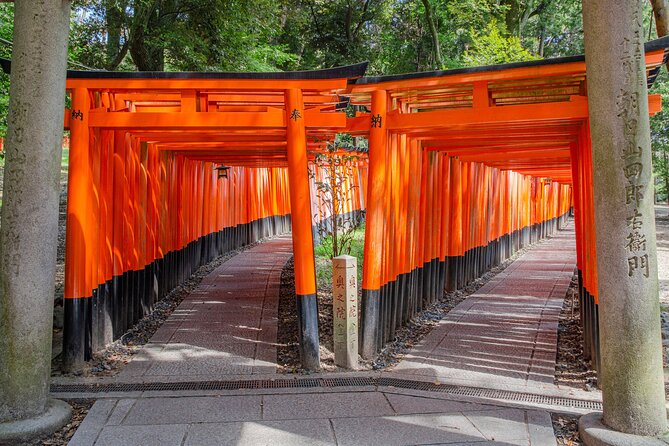
- Stop 1: Fushimi Inari’s Senbon Torii (the gates that set the tone)
- Stop 2: Nara Park and the deer you can’t ignore
- Stop 3–5: Arashiyama basics—area overview, bamboo grove, and Nonomiya Shrine
- A quick stop in Arashiyama
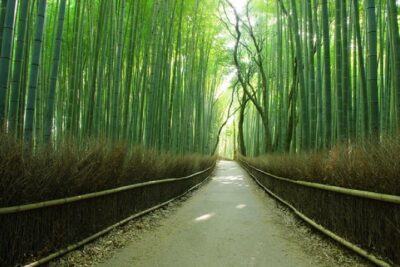
- The Arashiyama Bamboo Forest
- Nonomiya Shrine
- Stop 6: Tenryu-ji Temple (UNESCO Zen time with a ticket)
- Stop 7–8: Arashiyama Park Nakanoshima and Kimono Forest
- Arashiyama Park Nakanoshima Area
- Arashiyama Kimono Forest
- Pacing, walking, and how to plan your day
- Guides and group energy: what you can expect from the day
- Who should book this trip (and who might skip it)
- Should you book this Osaka/Kyoto day trip?
- FAQ
- How long is the day trip?
- Where does the tour depart from?
- What’s included in the price?
- Is lunch included?
- Do I need to buy a ticket for Tenryu-ji Temple?
- How many people are in the group?
Quick hits before you go
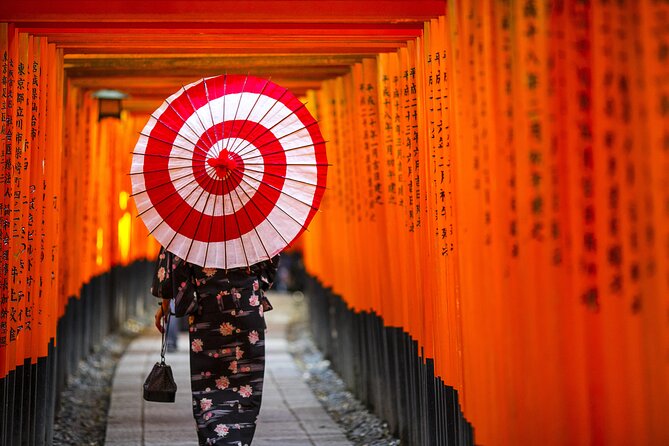
- Senbon Torii at Fushimi Inari: thousands of vermilion gates tied to the Shinto god Inari
- Nara Park deer time: free-roaming deer in a huge 660-hectare park area
- Arashiyama Bamboo Grove: the classic sky-high bamboo promenade photo moment
- Tenryu-ji Temple is UNESCO-listed: ranked among Kyoto’s top Zen temples (with a 500 yen ticket)
- Small extras that add variety: Nonomiya Shrine’s black torii plus Kimono Forest’s 600 acrylic cylinders
Kyoto sits thirty minutes away, more ways there

How this one-day Kyoto + Nara loop actually feels
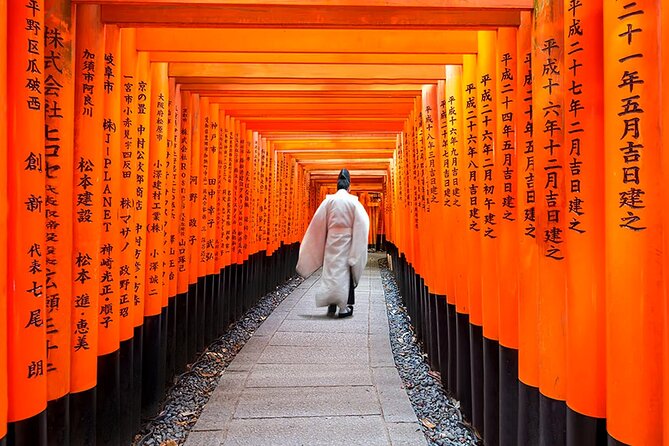
This is the kind of day trip that makes sense if you have limited time in the Kansai area and you want the highlights in one shot. You’re covering three distinct “mood zones”: the shrine corridor intensity of Fushimi Inari, the park-and-temple atmosphere of Nara, and the slower, scenic rhythm of Arashiyama.
The trip runs about 9 hours and stays group-friendly with an air-conditioned vehicle and a guide. Group size is capped at 45, which helps you move as a unit and still have time to wander on your own. You’ll also have a mobile ticket, which cuts down on ticket-counter stress.
For many people, the biggest win is that you don’t have to plan connections between these areas. You can just show up, follow the guide’s timing, and decide how hard you want to zoom through the walking—or when to linger.
Price and value: $57 gets you icons plus guided routing
At $57 per person for roughly a day of guided sightseeing, the value comes from what’s included versus what costs extra.
Included:
- Air-conditioned vehicle
- Guide
- Most major stops listed with admission free
Not included:
- Lunch
- Tenryu-ji Temple ticket: 500 yen
So you’re not paying again and again for every stop. You’re buying the transportation between areas, the interpretation, and the flow that keeps the day from turning into a timing mess. If you’re the type who hates spending your trip time on schedules and station navigation, that’s where the money earns its keep.
Also note the practical angle: you get free cancellations up to 24 hours before start time (local time rules apply). That’s helpful if you’re still juggling your Kyoto/Nara plan.
Stop 1: Fushimi Inari’s Senbon Torii (the gates that set the tone)
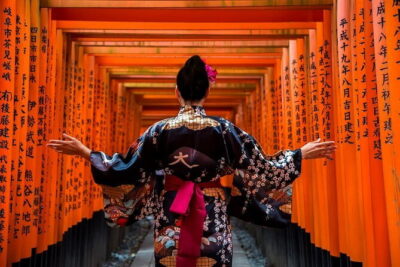
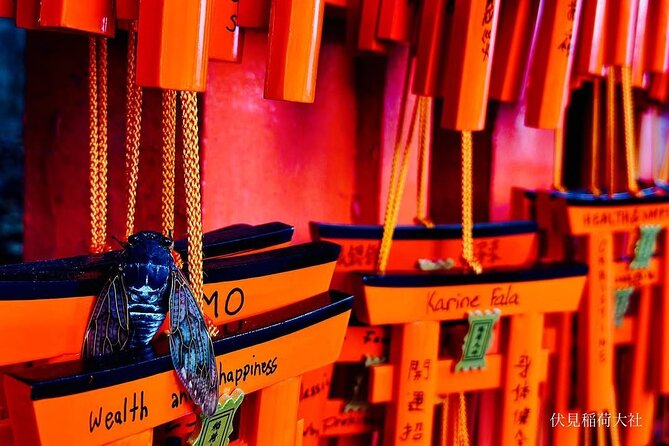
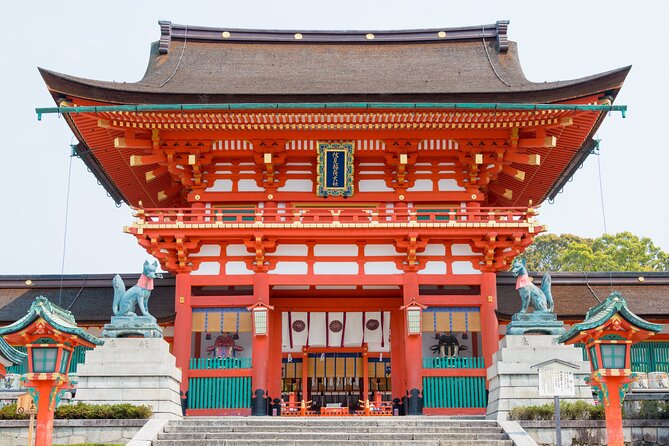
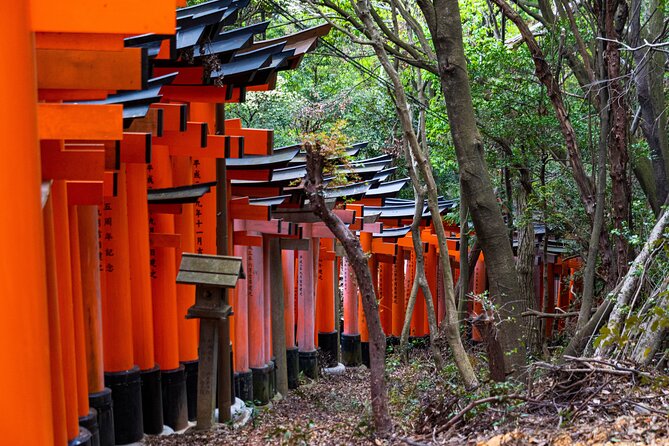
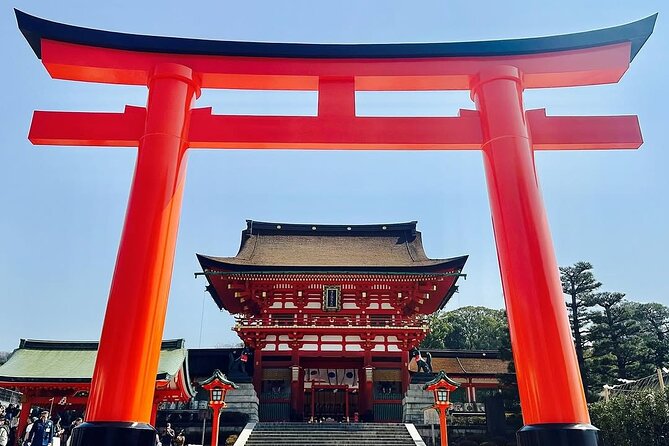
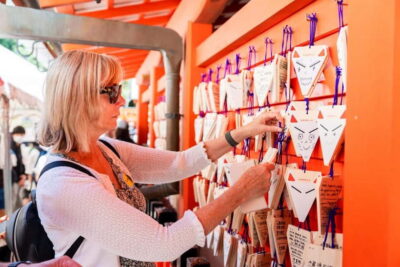
Fushimi Inari Taisha is the head shrine for Inari, the Shinto god associated with rice. The star attraction is Senbon Torii—around the feel of “thousands” of vermilion torii gates lining the paths.
Why this stop is worth your attention:
- It’s instantly recognizable, even if you’ve never studied Japanese religion.
- The gates create a sense of motion. You walk through a tunnel of color, and every turn feels like a new frame for photos.
- It’s a great “wake up your eyes” start before the quieter park and garden areas later.
Time on site is listed at about 1 hour 10 minutes, and that’s a realistic length: enough to get past the densest sections and still enjoy the atmosphere without feeling rushed into the next location.
Practical tip: wear shoes you can walk in for longer corridors. The paths are straightforward, but you’ll cover more ground than you expect.
The deer will still bow: more Nara days
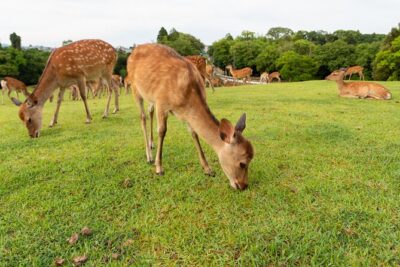
Stop 2: Nara Park and the deer you can’t ignore
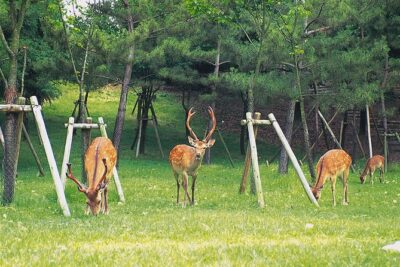
Then you switch gears to Nara Park, one of the oldest park areas in Japan. It covers 660 hectares and is famous for the free-roaming deer, plus its well-known temple sights spread around the park.
This stop works because it’s not just a “look and leave” type place. The deer add energy. They also give you a chance to slow down and enjoy a classic Nara scene rather than sprinting between viewpoints.
You’ll have about 1 hour here. That’s enough to:
- see deer in motion (not just standing photos)
- get your bearings in the park layout
- enjoy the temple area vibes without needing a half-day commitment
One thing to keep in mind: deer are tame, but still wild enough to be unpredictable. Keep your snacks stowed unless you’re following the local norms for interacting. And keep your distance when you need to.
Stop 3–5: Arashiyama basics—area overview, bamboo grove, and Nonomiya Shrine
Arashiyama is Kyoto’s western playground for nature + heritage. Even within a short day trip, you’ll notice the change from the structured shrine paths and the open park: Arashiyama feels more like a scenic district you stroll through.
A quick stop in Arashiyama
You get a short Arashiyama area moment (listed at about 10 minutes). Think of this as the “get your orientation” segment so you understand where you are before the bigger walking zones.
The Arashiyama Bamboo Forest
Next is the Arashiyama Bamboo Forest, often called the Bamboo Grove. The promenade atmosphere is the point: rows of tall bamboo rise up overhead and turn the walkway into a narrow strip of green light.
You’re scheduled for about 50 minutes. That time is usually ideal for:
- walking the main path for photos
- stopping when the light hits a bit differently
- taking it slower, since you’ll want to look up as well as ahead
Practical tip: the bamboo grove is scenic, but it’s still a walking route. A steady pace keeps you from getting stuck behind photo traffic.
Nonomiya Shrine
You then visit Nonomiya Shrine, a Shinto shrine in Arashiyama that’s known for having a black torii gate—different from the typical vermilion torii look you see elsewhere.
This is a great contrast stop. You get the iconic bamboo scene, then a quieter shrine moment with a unique design detail. Time listed is about 20 minutes, which is perfect for a short wander, a few photos, and a calm pause after walking.
Stop 6: Tenryu-ji Temple (UNESCO Zen time with a ticket)
Tenryu-ji is a UNESCO World Heritage Site, and it’s described as the top among Kyoto’s five great Zen temples. This matters because Tenryu-ji isn’t only famous for being “a temple”—it’s famous as a place with recognized cultural weight.
You’ll have about 20 minutes on site. That’s not long enough to master every detail, but it’s enough time to:
- get a feel for the Zen layout and courtyard atmosphere
- see key areas
- avoid turning it into a quick photo-only task
Important for your budget: Tenryu-ji Temple ticket is 500 yen and not included. Plan on paying that cost to avoid surprise at the entrance.
Stop 7–8: Arashiyama Park Nakanoshima and Kimono Forest
After Tenryu-ji, the day shifts back toward lighter, scenic sightseeing.
Arashiyama Park Nakanoshima Area
This part of Arashiyama is known for seasonal color—especially cherry blossoms in spring and vibrant autumn colors. You’re given about 30 minutes, which is enough time to walk a bit and enjoy the park feel without turning your schedule into a long detour.
Arashiyama Kimono Forest
Next is Kimono Forest, an art-style installation made of 600 clear acrylic cylinders, each about 2 meters tall, with kimono-pattern fabrics printed on them. You’re scheduled for about 20 minutes.
This stop is valuable because it adds a modern, playful visual element to a day that’s otherwise heavy on tradition—torii gates, shrine vibes, and Zen temple atmosphere.
Also, it’s an easy “energy reset.” If your feet are tired after bamboo and temple walking, Kimono Forest lets you stand, look, and photograph without constant long-distance walking.
Pacing, walking, and how to plan your day
This itinerary is built around “a lot of highlights in one day,” which means you’ll likely walk more than you’d expect from the number of stops. You’ll move through corridors (Fushimi Inari), a park area (Nara), and scenic paths (Arashiyama bamboo).
I’d plan for:
- sturdy, comfortable shoes
- a small water bottle if you like staying hydrated (lunch isn’t included)
- a light layer, since weather changes can hit quickly in Kyoto and Osaka areas
The bus ride time helps you recover between stops, and the guide’s job is to keep everyone aligned on timing and where to meet. If you’re the type who wants a buffer for getting lost, a small group cap and a guide-led rhythm are a real benefit.
Guides and group energy: what you can expect from the day
The tour experience rises or falls on the guide. Here, the guide factor is clearly a big part of the appeal. Names that come up in feedback include Amy, Laura, Scarlet, Steven, Frederick, Sofia, and Lucy, and the common thread is practical help: clear instructions, reminders on where to be, and recommendations that make the day smoother.
You’ll also notice a theme of good morale. Some guides bring humor and keep the group moving with confidence. Even if you’re just trying to get from A to B, that sort of energy matters because it reduces the stress of an otherwise packed day.
Who should book this trip (and who might skip it)
You’ll probably love it if:
- you only have one day to cover major Kyoto/Nara highlights
- you want guided routing so you don’t spend your day planning transit
- you enjoy a mix of classic sights and a modern photo stop (Kimono Forest)
You might want a different plan if:
- you’re trying to keep walking to a minimum
- you prefer deep time at one temple or one neighborhood instead of a highlight circuit
- you’re sensitive to crowds at iconic places like Fushimi Inari and the bamboo grove
Should you book this Osaka/Kyoto day trip?
I’d book it if your priority is maximum big-name Kyoto + Nara value in one day and you want a guide to handle the flow. The included vehicle + guide, most stops being free, and the single main paid exception (Tenryu-ji at 500 yen) make the day feel financially predictable.
If you’re short on time and want the classic images—Senbon Torii, Nara deer, bamboo—this tour gives you that package without turning the day into a logistics puzzle.
If you want, tell me your travel month and where you’re staying (Osaka or Kyoto area), and I’ll suggest the best order to tackle photos and breaks on a day like this.
FAQ
How long is the day trip?
The duration is listed as about 9 hours.
Where does the tour depart from?
It departs from Osaka or Kyoto.
What’s included in the price?
The price includes an air-conditioned vehicle and a guide. Most listed admissions are free.
Is lunch included?
No. Lunch is not included.
Do I need to buy a ticket for Tenryu-ji Temple?
Yes. Tenryu-ji Temple ticket costs 500 yen and is not included.
How many people are in the group?
The tour has a maximum size of 45 travelers.
More Tour Reviews in Osaka
- Osaka Go Karting Tour with Funny Costume★ 5.0 · 2,658 reviews
- Osaka Castle: Museum and Tower Entry Ticket★ 4.5 · 2,380 reviews
- Osaka: Shinsekai Food Tour with 13-15 Dishes at 5 Eateries★ 4.8 · 2,204 reviews
- Osaka Food Tour: 13 Dishes at 5 Local Eateries★ 5.0 · 2,149 reviews
- Hungry Osaka Street Food Tour:15 Tastings & 3 Drinks with a Local★ 5.0 · 1,727 reviews
A Day Among the Nara Deer
- Ancient Capital Tour: Kyoto and Nara Highlights from Kyoto/Osaka★ 4.5 · 332 reviews
- Kyoto and Nara Day Trip from Osaka★ 4.0 · 175 reviews
- Full Day Guided Tour to Kyoto and Nara from Osaka by Van★ 5.0 · 144 reviews
- Discover Himeji, Kobe and Nara from Osaka★ 5.0 · 101 reviews
- Kyoto & Nara Private customized tour with English speaking Guide★ 4.5 · 99 reviews
Kyoto, Just Up the Line
- Osaka/Kyoto: Hiroshima Miyajima Bus Tour & Shinkansen Ticket★ 4.7 · 919 reviews
- From Kyoto/Osaka: Kyoto Top Highlights 1-Day Guided Bus Tour★ 4.5 · 714 reviews
- Ancient Capital Tour: Kyoto and Nara Highlights from Kyoto/Osaka★ 4.5 · 332 reviews
- Osaka/Kyoto: Amanohashidate & Miyama Tour with Boat & Lunch★ 4.6 · 207 reviews
- Kyoto and Nara Day Trip from Osaka★ 4.0 · 175 reviews
The Newest Osaka Write-Ups
- Private Photoshoot in Osaka with a Professional Photographer
★ 5.0 · 3 reviews - Osaka Early Morning Osaka Castle Tour Avoid Crowds
★ 5.0 · 3 reviews - Nara Private Tour with Pick and Drop and English Speaking Driver
★ 3.5 · 3 reviews - Osaka: Modern Vegetarian Sushi Cooking Class
★ 5.0 · 3 reviews - Nara Day Trip from Osaka with a Licensed Guide
★ 5.0 · 3 reviews
Kyoto Day Trips from Osaka, compared.
 ★ 4.7Osaka/Kyoto: Hiroshima Miyajima Bus Tour & Shinkansen TicketFrom $277919 reviews
 ★ 4.5From Kyoto/Osaka: Kyoto Top Highlights 1-Day Guided Bus TourFrom $51714 reviews
 ★ 4.5Ancient Capital Tour: Kyoto and Nara Highlights from Kyoto/OsakaFrom $90332 reviews
 ★ 4.6Osaka/Kyoto: Amanohashidate & Miyama Tour with Boat & LunchFrom $71207 reviews
 ★ 4.0Kyoto and Nara Day Trip from OsakaFrom $198175 reviews
 ★ 4.5Sagano Romantic Train & Arashiyama, Kiyomizudera, Fushimi Inari Taisha Day TourFrom $82171 reviews
 ★ 5.0Full Day Guided Tour to Kyoto and Nara from Osaka by VanFrom $96144 reviews
 ★ 4.8Volleyball in Osaka, Kobe & Kyoto with locals!From $6131 reviews
Browse the lists this tour appears in