
Reviewed · OSAKA FOOD & TASTING TOURS
Osaka Food Adventure Tour: Walking with a Local Guide
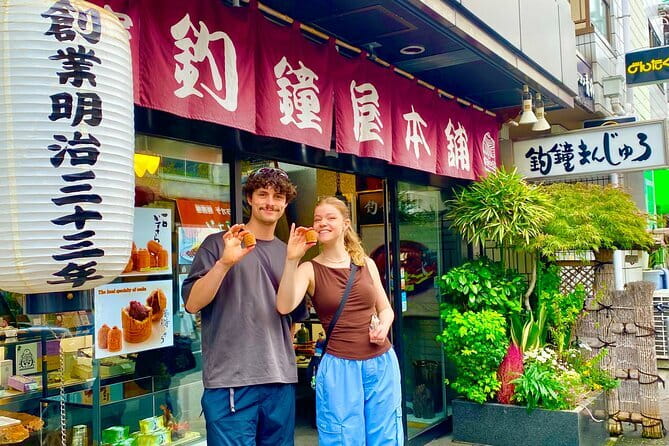
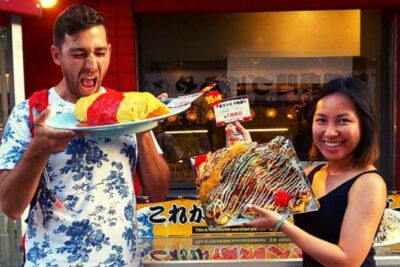
Osaka tastes better with a local beside you. This 3-hour walking food tour is built around 6–10 local dishes and a drink, with a small group of up to 8 so you get real attention while you eat your way through neighborhoods most first-timers rush past. You start near Ebisucho Station, then work your way through Shinsekai and the side-street lanes before finishing in Dotonbori near the Glico Sign.
I like how the guide helps you eat at the right moment (lunch or dinner-time, when you’re actually hungry) and also helps you move like a local using public transport. On top of the food, the personalities in the guide role really matter, and the English-speaking hosts mentioned in feedback like Ayako, Chiyoe, Kaoru, Emi, Sue, Hiro, Bryan, and Sumiyo sound like the kind of hosts who keep things fun and efficient. One thing to consider: Tsutenkaku tower has optional admission, and you may also pay a small subway fee later in the route.
In This Review
- Key highlights to know before you go
- Why this Osaka food tour fits real-life schedules
- Meeting at Ebisucho and planning your timing like a pro
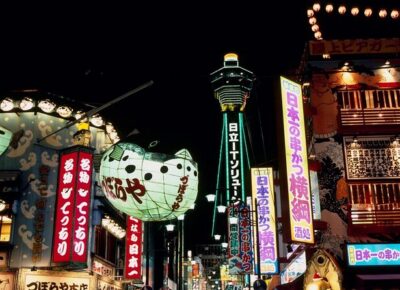
- Tsutenkaku and Shinsekai: retro towers and the Osaka street-food mood
- Takashimaya Osaka Store depachika: polished food hall snacks
- Hozenji Yokocho: narrow lanes near Hozenji Temple
- Dotonbori by the Glico Sign: neon night energy, last bites first
- What you actually eat: 6–10 local dishes that build a real meal
- Guide style matters: small group pace and smart ordering
- Public transportation help: getting around without turning it into homework
- Price and value: is $79.28 for 3 hours worth it?
- Who this Osaka food walking tour suits best
- Should you book this Osaka food adventure?
- FAQ
- How long is the Osaka Food Adventure Tour?
- How many people are in the group?
- What food and drink are included?
- What is the tour route like?
- Are admission tickets included for Tsutenkaku tower?
- Is the subway fee included?
- What if I have food allergies or dietary restrictions?
- What languages are the guides?
- Is an audio guide included?
- What is the cancellation policy?
Key highlights to know before you go
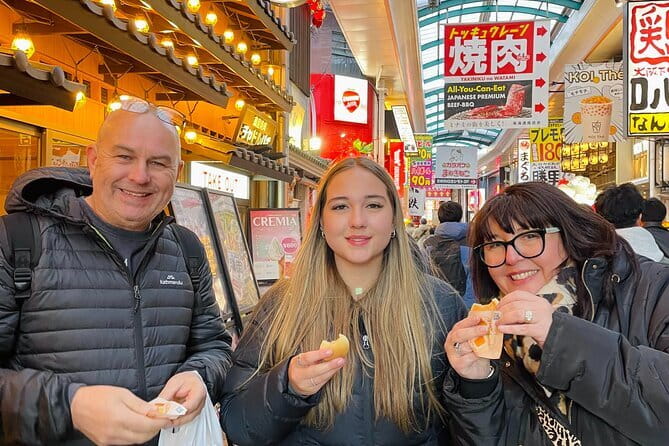
- 6–10 local foods included: You’re not sampling just one snack. You’re building a meal out of multiple stops.
- Up to 8 people max: Easier questions, easier pacing, and less standing around.
- Lunch or dinner-time option: The tour is timed so you’re hungry and ready for repeats.
- Depachika stop at Takashimaya: You get a department-store food hall moment without it turning into a tourist maze.
- A classic Osaka alley at Hozenji Yokocho: Traditional lane vibes with casual eating.
- End in Dotonbori by the Glico Sign: You finish where the city’s neon energy is easy to explore on your own.
Come hungry: more eating your way through Osaka

Why this Osaka food tour fits real-life schedules
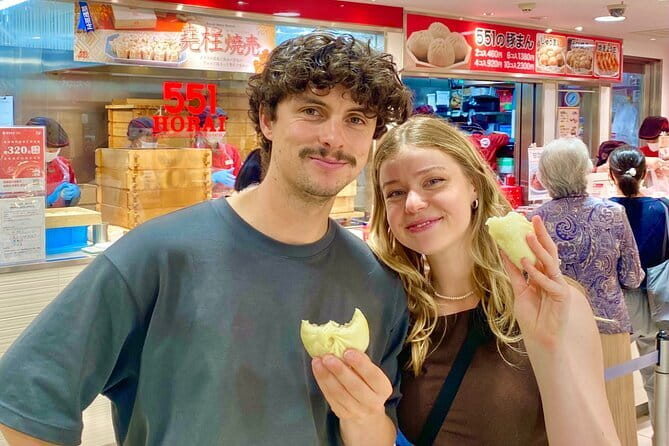
Three hours is a sweet spot in Osaka. It’s long enough to taste a range of local favorites, but short enough that you still feel mobile for the rest of your day. If you’re trying to hit Kyoto and Osaka in the same trip, this kind of timed food route is a practical win.
The tour’s value comes from what’s included: 6–10 local foods plus one drink (alcoholic or non-alcoholic). In other words, you’re paying for a guided sequence where you don’t have to guess what to order, where to stand, or how to handle places you’ve never been to.
That said, you should go in with the right expectations. This isn’t a sit-down tasting menu. It’s street-level food culture, so you’ll be moving between spots, eating on the go, and keeping up with a group pace.
Meeting at Ebisucho and planning your timing like a pro
You meet at Ebisucho Station, then finish at the Glico Sign in Dotonbori. That end point matters. After the last tasting, you’re in one of Osaka’s easiest areas to navigate without feeling stuck at the far edge of town.
The tour also uses a mobile ticket, which is convenient on travel days when your phone is basically your whole itinerary. Still, do yourself a favor and have the ticket ready before you arrive. Food tours can get crowded near stations, and you don’t want to be the person searching for a confirmation screen while everyone else is hungry.
If you’re coming from another neighborhood, plan your morning or afternoon around the idea that you’ll need to be in place before the group starts walking. The tour is short, so arriving late can throw off the flow.
Tsutenkaku and Shinsekai: retro towers and the Osaka street-food mood
The route opens with Tsutenkaku (about 30 minutes). This tower is one of Osaka’s most recognizable symbols, originally built in 1912 and reconstructed in 1956. Even if you don’t pay for the observation deck, Tsutenkaku is a visual reset: it immediately tells you you’re in the Shinsekai world.
Then you spend around 90 minutes in Shinsekai. That district’s vibe is all about classic Osaka street scenes: neon, old-school signage, casual eateries, and plenty of places that feel like they’ve been serving the same crowd for years. It’s also a strong food neighborhood for a reason. Many of the local snack types you’ll hear about in Osaka are easiest to find here.
A smart tip for this part of the tour: if you’re planning to try alcohol (the drink is included), save that decision for when your guide tells you the tasting sequence. Guides usually pace alcohol so it doesn’t interfere with the rest of the sampling.
Possible drawback to note: Tsutenkaku admission isn’t included, so if you want the view from the decks, you’ll need to plan for that extra cost.
Osaka block by block, more routes on foot

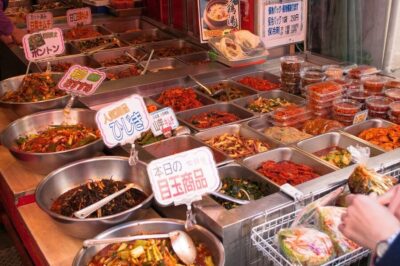
Takashimaya Osaka Store depachika: polished food hall snacks
Next comes Takashimaya Osaka Store and its food basement area, the depachika. This stop is only about 15 minutes, but it’s an important contrast to the street-side flavors you get in Shinsekai.
Depachika food halls can feel like Japan’s version of a gourmet arcade: tons of choices, tight packing, lots of energy. The difference on a guided tour is that you’re not standing there trying to decode menus while your group moves on. Your guide’s job here is to steer you toward foods worth your time and money, not the loudest display.
What I like about this stop is balance. You get an iconic Osaka food environment, but within a structured tasting plan that keeps you from spending your whole tour comparing tiny differences between shops.
Also, this is where the tour’s included range shows up. Expect classic Japanese snack categories alongside other familiar flavors. Croquettes, wagashi (Japanese sweets), and other small bites are exactly the kind of items that work well in a depachika stop because you can sample, understand, and move on quickly.
Hozenji Yokocho: narrow lanes near Hozenji Temple
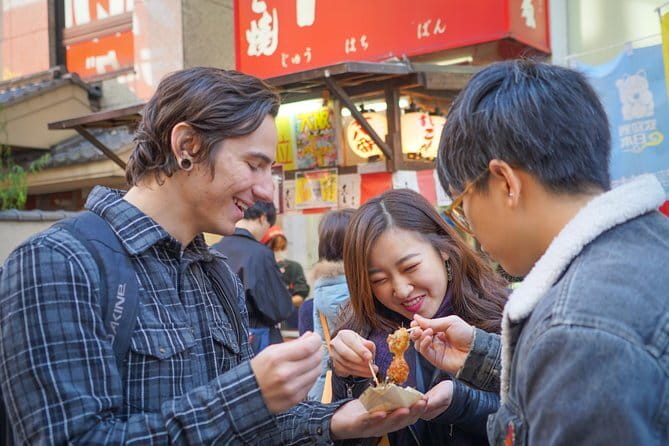
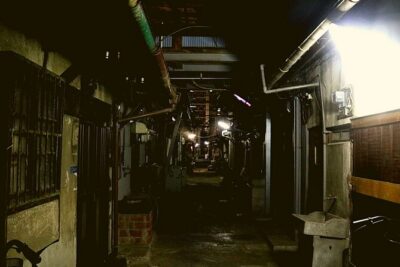
After Takashimaya, you shift to Hozenji Yokocho, a narrow alley close to Hozenji Temple. This is a short stop (around 10 minutes), but it changes the pace. The lane setup creates a more intimate feel than the wider streets, and it’s the kind of place where the charm comes from the small, worn-in details: old buildings, close doorways, and a sense of eating where people have eaten for a long time.
This is also the kind of location where a guide can save you from common mistakes. Without help, you might hesitate at the door or pick something that looks good but isn’t the local specialty you came for.
One practical consideration: this alley-style street can feel tight. Wear comfortable shoes, and be ready to squeeze through with the group without lingering.
Dotonbori by the Glico Sign: neon night energy, last bites first
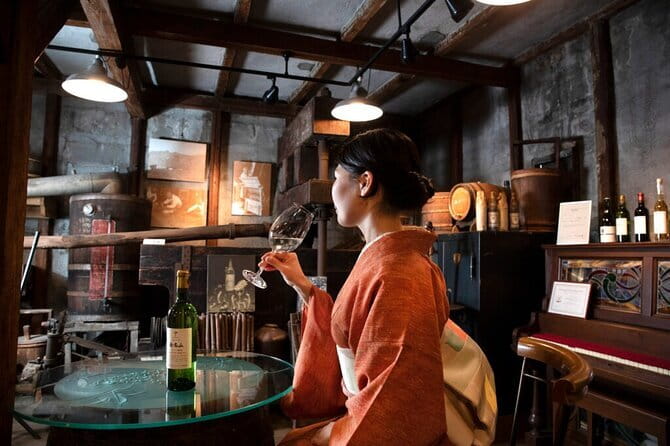
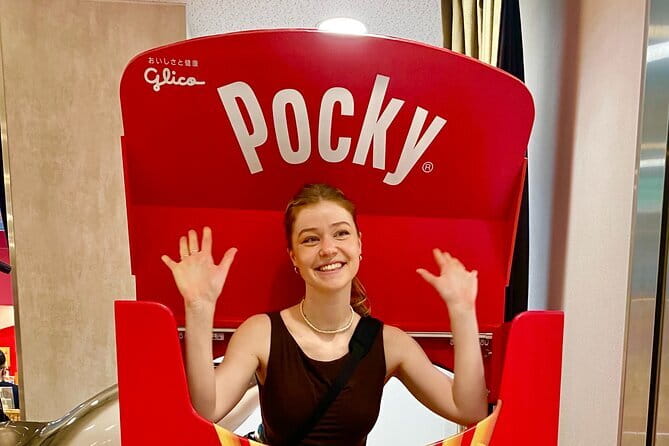
The tour closes with Dotonbori, one of Osaka’s most famous entertainment areas. You spend about 30 minutes in the district, centered on the canal-side sights and loud neon signage. This is the part of Osaka that gives first-timers the wow factor.
The reason Dotonbori works as a finish is simple: you’ll already have momentum from tastings earlier in the route, so the last stop feels like a reward. Plus, finishing near the Glico Sign is convenient. You can keep exploring after the tour ends without needing a complicated navigation plan.
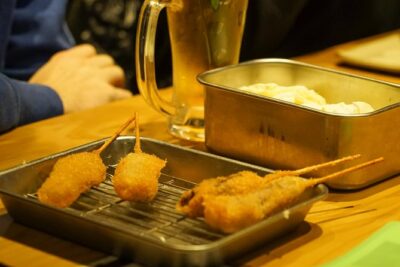
Food-wise, this is often where Osaka’s iconic street food show up. You might see items like takoyaki (octopus balls) from an older shop, and you may also encounter fried skewers such as kushikatsu depending on the tasting mix that day. Since the selection can vary based on availability and preferences, don’t stress about getting one exact item. The point is getting a smart cross-section of Osaka snacks.
What you actually eat: 6–10 local dishes that build a real meal
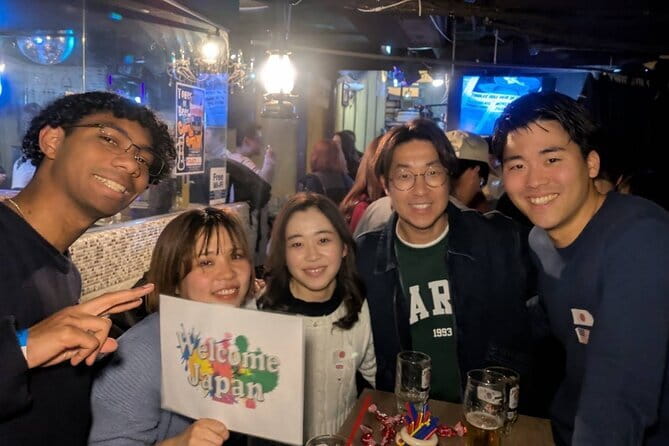
The included tasting list isn’t one fixed menu, but the tour data gives clear examples of what you can expect. These are common Osaka hits that make sense in a structured walking tour:
- Croquettes from a historic butcher shop
- Wagashi from a 200-year-old wagashi store
- Kushikatsu (deep-fried skewers) from the Shinsekai area
- Takoyaki (octopus balls) from Osaka’s oldest takoyaki shop
- Butaman (steamed meat buns)
The takeaway for you: you’re getting both savory and sweet, not just one flavor track. That matters because Osaka street food spans different textures and cooking styles. Fried bites, bean-and-sweet desserts, and hot comfort buns all hit differently across a short route.
Also, you’ll have your choice of alcoholic or non-alcoholic drink included. If you want to enjoy the local scene, alcohol can work well with fried foods. If you’d rather keep it light, the non-alcohol option still keeps you in the flow of the tastings.
Food sensitivity note: meals may include meat, seafood, wheat, and dairy. If you have allergies or dietary restrictions, contact the provider in advance. A good food tour is one where you don’t have to guess what’s safe.
Guide style matters: small group pace and smart ordering
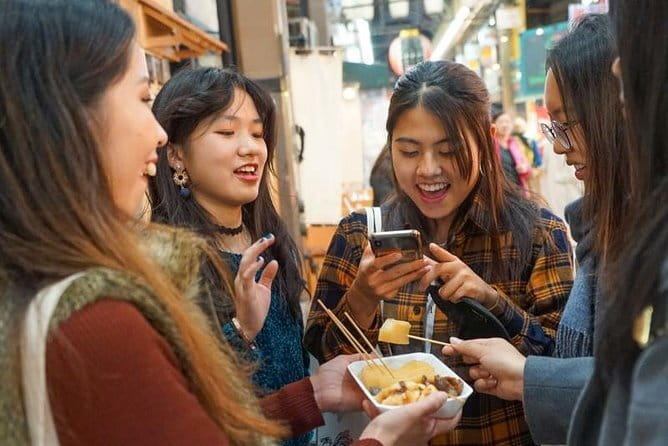
The guides seem to be one of the strongest reasons people rate this tour so highly. The feedback names like Ayako, Chiyoe (also referred to with the nickname Aunty in one review), Kaoru, Emi, Sue, Hiro, Bryan, and Sumiyo all point to the same pattern: guides who know the food, but also know how to keep the group moving and comfortable.
What that means for you on the ground:
- Your guide can guide you through ordering without stress.
- You don’t need to decode menus from scratch while hungry.
- You’re more likely to get places you’d never pick yourself.
There’s also a customization angle. One piece of feedback highlights that the guide asks what you like and what you don’t, then adjusts the tastings accordingly. You’re not stuck forcing yourself through foods you dislike. That alone can make a food tour feel personal instead of scripted.
And because the group is capped at 8, you’re not lost in the back like on some big tours. You’ll get time to ask what a dish is, how it’s eaten, and why locals pick it.
Public transportation help: getting around without turning it into homework
Another practical perk: the guide helps you use public transportation in Osaka. The tour is built for walking plus transit, which is how most efficient city days work.
There’s one cost detail to remember: a subway fee from the Shinsekai area to Namba is ¥190 per person. That’s listed as not included, so you’ll want some cash or a transit-ready payment method.
Even if you’ve already learned some Osaka transit basics, having a guide for part of the ride can reduce the mental load. You can focus on food and directions instead of building a route plan mid-hunger.
Price and value: is $79.28 for 3 hours worth it?
At $79.28 per person for about 3 hours, you’re paying for a bundle: guide time, route planning, and 6–10 tastings plus a drink. You’re also paying to avoid the trial-and-error part of traveling in a food culture where ordering can be intimidating.
Here’s the value logic I’d use if I were booking for the first time:
- If you tried to copy this tour on your own, you’d likely pay for multiple snack purchases across several neighborhoods.
- You’d also spend time figuring out what to order and where to go, which is costly when you only have a short window.
- The group cap keeps the experience efficient, so you’re not wasting time.
Also, the tour includes both savory and sweet options, which typically means more total food than a basic snack crawl. And since it’s lunch or dinner-time, you’re less likely to need extra food right after.
The main extra costs you should expect are optional admission at Tsutenkaku and the subway fare mentioned above. Snacks beyond the set tastings aren’t included, and tips are welcome but not required.
Who this Osaka food walking tour suits best
This tour is a strong fit if you:
- Want a first-timer-friendly path through Shinsekai, depachika, Hozenji Yokocho, and Dotonbori
- Like eating multiple small plates rather than one heavy meal
- Prefer a guide who helps you order and navigate
- Want a group size that stays manageable
It may not be ideal if you:
- Need a highly specialized diet with strict ingredient control and haven’t contacted the provider
- Don’t like walking or being in a group pace
- Are only interested in one single food type, since you’ll get variety by design
The tour lists moderate physical fitness as the expectation. So it’s not a marathon, but it is a walking experience.
Should you book this Osaka food adventure?
Book it if you want an efficient Osaka day where food leads and logistics stay simple. The small group max 8, the 6–10 local dish structure, and the fact that your guide helps with ordering and public transport are the big three reasons this works.
I’d especially recommend it early in your Osaka visit. Starting with a guided tastings route helps you learn what Osaka foods taste like and how locals approach them, so later you can eat with confidence without feeling lost.
Skip or reconsider if you’re allergic to common ingredients like wheat, dairy, or seafood and you haven’t been able to confirm safe options in advance. Also, if the idea of optional Tsutenkaku admission or a small subway fee feels annoying, you’ll want to plan for those costs.
If you’re the type who wants to eat well in a short time and enjoy the streets along the way, this is an easy yes.
FAQ
How long is the Osaka Food Adventure Tour?
It runs for about 3 hours.
How many people are in the group?
The tour has a maximum of 8 travelers.
What food and drink are included?
You get lunch or dinner with 6 to 10 local foods, plus 1 drink of your choice, alcoholic or non-alcoholic.
What is the tour route like?
You’ll visit Tsutenkaku, Shinsekai, Takashimaya Osaka Store depachika, Hozenji Yokocho, and finish in Dotonbori near the Glico Sign.
Are admission tickets included for Tsutenkaku tower?
No. Tsutenkaku admission is not included.
Is the subway fee included?
A subway fee from Shinsekai to Namba (¥190 per person) is not included.
What if I have food allergies or dietary restrictions?
Meals may include meat, seafood, wheat, and dairy. Contact the tour provider in advance to discuss available options.
What languages are the guides?
The guide is listed as English and Japanese.
Is an audio guide included?
No audio guide is included.
What is the cancellation policy?
You can cancel for a full refund if you cancel up to 24 hours in advance. The experience requires good weather, and if it’s canceled for poor weather, you’re offered a different date or a full refund.
More Tour Reviews in Osaka
- Osaka Go Karting Tour with Funny Costume★ 5.0 · 2,658 reviews
- Osaka Castle: Museum and Tower Entry Ticket★ 4.5 · 2,380 reviews
- Osaka: Shinsekai Food Tour with 13-15 Dishes at 5 Eateries★ 4.8 · 2,204 reviews
- Osaka Food Tour: 13 Dishes at 5 Local Eateries★ 5.0 · 2,149 reviews
- Hungry Osaka Street Food Tour:15 Tastings & 3 Drinks with a Local★ 5.0 · 1,727 reviews
Osaka at Street Level
- Osaka Local Foodie Walking Tour in Dotonbori and Shinsekai★ 5.0 · 985 reviews
- Osaka: Deep Backstreets Walking Tour with Dinner Option★ 4.9 · 902 reviews
- Ultimate Osaka Walking Tour: Castle, Dotonbori & Hidden Gems★ 5.0 · 862 reviews
- Osaka: Main Sights and Hidden Spots Guided Walking Tour★ 4.9 · 702 reviews
- Private Osaka Walking Tour: Highlights & Hidden Gems★ 5.0 · 569 reviews
The Kuidaore List: Eat More of Osaka
- Osaka: Shinsekai Food Tour with 13-15 Dishes at 5 Eateries★ 4.8 · 2,204 reviews
- Osaka Food Tour: 13 Dishes at 5 Local Eateries★ 5.0 · 2,149 reviews
- Hungry Osaka Street Food Tour:15 Tastings & 3 Drinks with a Local★ 5.0 · 1,727 reviews
- Deep Backstreet Osaka Tours (Option to add Dinner)★ 5.0 · 1,290 reviews
- Osaka Local Foodie Walking Tour in Dotonbori and Shinsekai★ 5.0 · 985 reviews
The Newest Osaka Write-Ups
- Private Photoshoot in Osaka with a Professional Photographer
★ 5.0 · 3 reviews - Osaka Early Morning Osaka Castle Tour Avoid Crowds
★ 5.0 · 3 reviews - Nara Private Tour with Pick and Drop and English Speaking Driver
★ 3.5 · 3 reviews - Osaka: Modern Vegetarian Sushi Cooking Class
★ 5.0 · 3 reviews - Nara Day Trip from Osaka with a Licensed Guide
★ 5.0 · 3 reviews
Osaka Food & Tasting Tours, compared.
 ★ 4.8Shinsekai Food Tour with 13-15 Dishes at 5 EateriesFrom $532,204 reviews
 ★ 5.0Osaka Food Tour: 13 Dishes at 5 Local EateriesFrom $732,149 reviews
 ★ 5.0Hungry Osaka Street Food Tour:15 Tastings & 3 Drinks with a LocalFrom $731,727 reviews
 ★ 5.0Deep Backstreet Osaka Tours (Option to add Dinner)From $531,290 reviews
 ★ 5.0Osaka Local Foodie Walking Tour in Dotonbori and ShinsekaiFrom $111985 reviews
 ★ 4.9Deep Backstreets Walking Tour with Dinner OptionFrom $40902 reviews
 ★ 4.9Hungry Osaka Street Food Tour: 15 Dishes & 3 DrinksFrom $79694 reviews
 ★ 5.0Kuromon Market Food Walking Tour in Osaka (6 stops, 6 tastes)From $50550 reviews
Browse the lists this tour appears in