
Reviewed · OSAKA TEMPLES & SHRINES
Lake Biwa Tour: Shirahige Shrine, Ukimido ,La Collina Omihachiman
Lake Biwa turns a day trip into a moving postcard. This one strings together Shirahige Shrine’s floating torii, Zen temples, and a sweets stop at La Collina Omihachiman. You also get real variety: water views, temple calm, and then something fun and playful.
Two things I especially like are the lineup’s focus on places that look different from nearly every angle, and the way the day is paced for a group tour. You’re not stuck in one long bus ride without rewards. Still, the big “catch” is that several major sights (and the cable-car/ropeway segment) cost extra, so your true budget is higher than the ticket price alone.
One more consideration: the tour lists a multilingual guide, but language support can vary in practice. If you need a specific language beyond English/Japanese, confirm what you’ll actually get when you book.
In This Review
- Key highlights you should care about
- A One-Day Lake Biwa Circuit From Osaka: What You Actually Get
- Shirahige Shrine and the Floating Torii: When the Lake Becomes the Stage
- The Fast Ropeway and Lake Biwa Observatory Views (Seasonal): Tickets and Timing
- Sanzen-in Temple in Ohara Countryside: A Zen Pause When the Route Changes
- Mangetsu-ji Temple and the Ukimido Floating Hall: Compact, But Different
- La Collina Omihachiman: The Fairy-Tale Sweets Village Worth the Time
- Price and Logistics: How $65 Becomes a Real Day Budget
- Guide, Group Size, and Language: Staying Comfortable
- The Timing Pattern: How to Make This Work Without Feeling Rushed
- Who This Tour Fits Best (and Who Might Prefer to DIY)
- Should You Book This Lake Biwa Tour?
- FAQ
- What is the duration of the Lake Biwa tour?
- Where do you start and where do you get dropped off?
- Is food included in the tour price?
- Are entrance fees included for the ropeway and temples?
- When is the Lake Biwa Observatory included?
- Does the tour include the floating torii and Ukimido hall?
- How many people are in the tour?
- What is the cancellation cutoff?
Key highlights you should care about
- Floating Torii at Shirahige Shrine: a short stop with a big wow factor over Lake Biwa
- Fast ropeway segment to the observatory: built for sweeping lake views, but it requires extra ticketing
- Season switch for Sanzen-in Temple vs. Lake Biwa Observatory: your route depends on the time of year
- Ukimido floating hall at Mangetsu-ji: a compact temple stop that’s quietly memorable
- La Collina Omihachiman: a grass-roof, fairy-tale-style sweets village with free admission
- Max group size of 45: enough structure to move smoothly, not so large you feel lost
Quieter corners: more Osaka temples and shrines
A One-Day Lake Biwa Circuit From Osaka: What You Actually Get
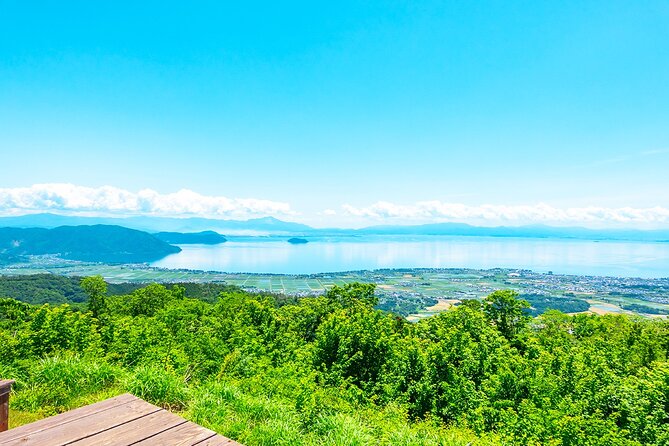
This is a classic “lake-and-temples” day: you leave from Osaka, spend much of the day around Lake Biwa and nearby areas, then return with drop-offs back in Osaka or Kyoto. The whole thing runs about 10.5 hours (roughly 8:00 AM start and around 6:30 PM return), with a couple of different start times depending on whether you join from Osaka or Kyoto.
The tour is also built to be low-stress. You get an air-conditioned vehicle, a professional driver, and a multilingual guide, plus fuel and tolls are covered. For most people, it’s easy to follow because the itinerary is timed and the stops are short enough to keep energy up.
The one thing you should plan around is that some time can be reduced due to traffic and weather, and the guide may adjust the order or timing. If you treat this as a “no other plans” day, it works a lot better.
Shirahige Shrine and the Floating Torii: When the Lake Becomes the Stage
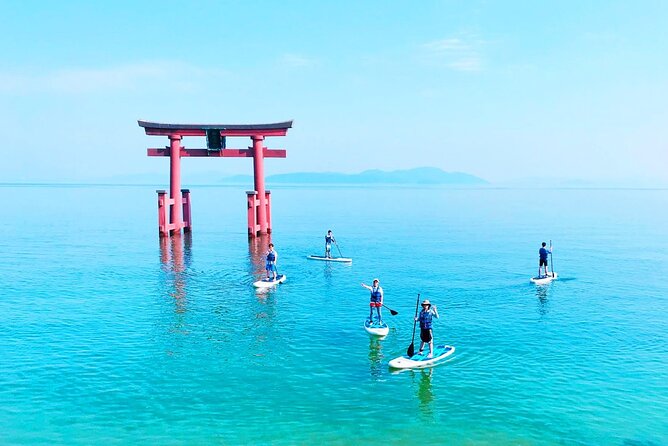
The first true star is Shirahige Shrine at Lake Biwa, with its famous floating torii gate. You get there around 10:20 AM, and the scheduled time on-site is about 30 minutes. That’s not a long time, but it’s enough for photos, a calm walk, and taking in how the torii changes with the angle of the sun and the water.
What makes this stop feel special is the visual trick: you’re not looking at a landmark on land, you’re looking at a shrine element that feels like it belongs on the lake itself. Lake Biwa can look calm and wide one moment, then change character with wind and light the next.
Admission for this first stop is free in the way the tour is set up. Still, treat it as a “stand and look” stop, not a “rushing-through” stop. The torii is what you’re here for, and giving it your attention pays off.
The Fast Ropeway and Lake Biwa Observatory Views (Seasonal): Tickets and Timing
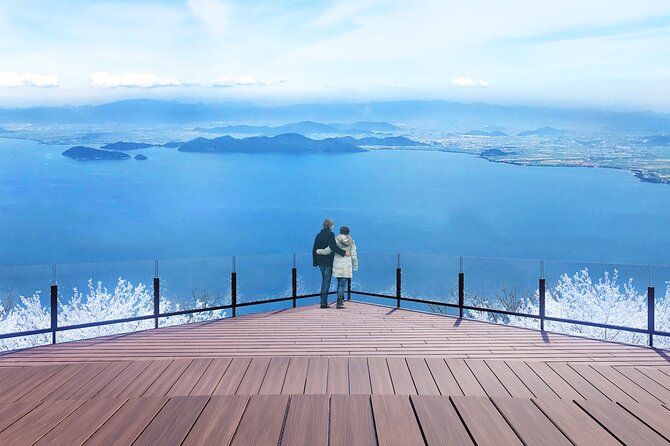
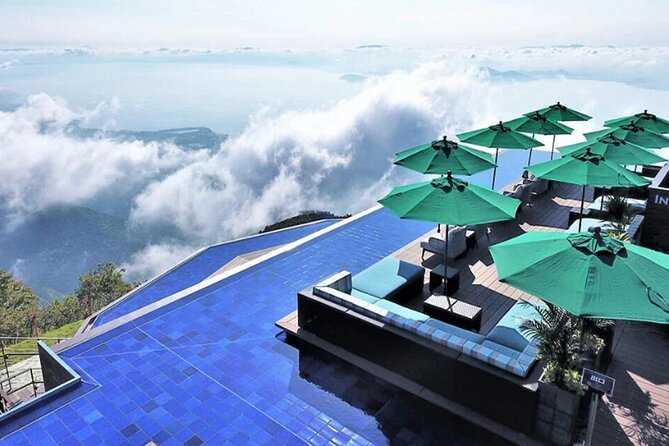
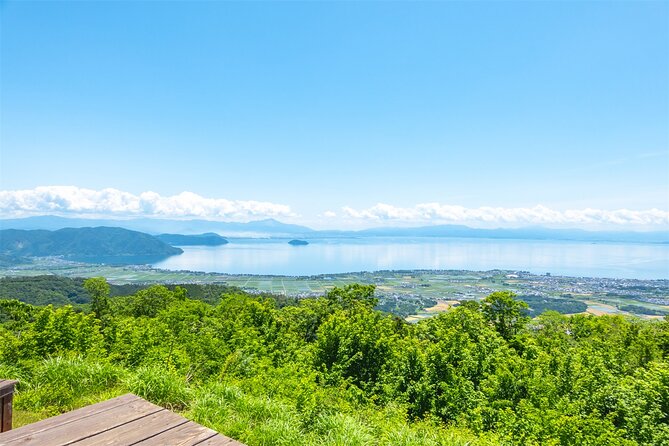
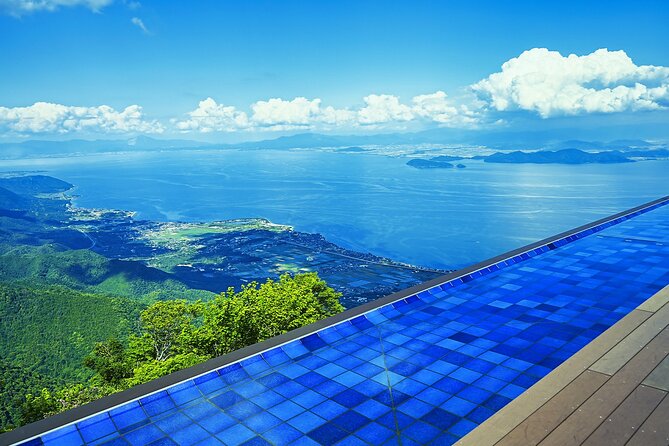
After Shirahige, the day usually climbs into viewpoint territory. Around 11:30 AM, you may head to the Lake Biwa Observatory for about 2 hours. Here’s the key detail: this part is seasonal—it’s listed as available May 1 to Oct 31, 2025.
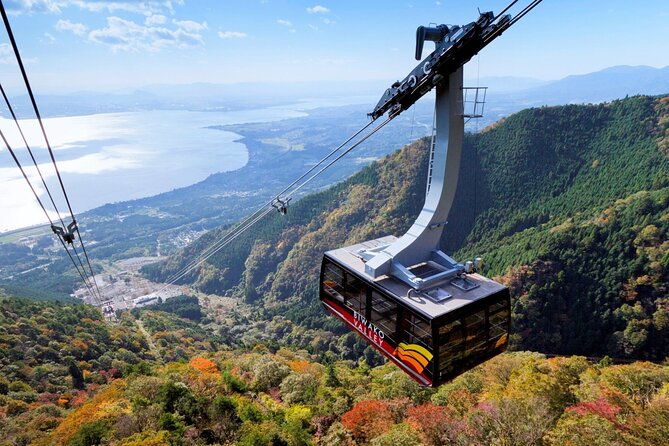
The observatory stop is also where the tour leans on the big scenic infrastructure: you ride the fastest ropeway (and/or related cable-car infrastructure depending on the exact operation). The tour doesn’t include that admission, and the cable car ticket is listed around $28 USD.
Why this matters for your planning: ropeway tickets are the difference between a smooth panoramic payoff and a day that feels like you hit a cost wall mid-trip. If you’re budgeting, don’t ignore this. I’d also bring a little patience with you—ropeways and scenic points can create lines, and your group time is shared.
If you want lunch, the observatory time includes free time and mentions optional lunch at your own expense. That’s a good setup if you plan to buy something small nearby rather than expecting the tour to feed you.



Sanzen-in Temple in Ohara Countryside: A Zen Pause When the Route Changes
From Nov 1, 2025 to Apr 30, 2026, the itinerary shifts, and instead of the Lake Biwa Observatory stop, you visit Sanzen-in Temple. It’s scheduled for about 2 hours around 11:30 AM during those dates.
Even when it’s not the seasonal version, the tour notes Sanzen-in may appear on other dates or if the ropeway is closed. That’s a hint that this temple is meant as a stable “culture anchor” when the scenic transport changes.
Sanzen-in is presented as a hidden Zen space in the Ohara countryside, with a calm feel compared to the lake-gaze timing earlier in the day. The tour doesn’t include its entrance fee, which is listed around $5 USD, so expect a small extra cost here too.
What I like about having a longer temple stop in the middle of the day is that it resets your pace. Ropeway crowds and photo stops can tire you without realizing it. Sanzen-in gives you time to slow down—use that time for walking, not just snapping one picture.
Mangetsu-ji Temple and the Ukimido Floating Hall: Compact, But Different
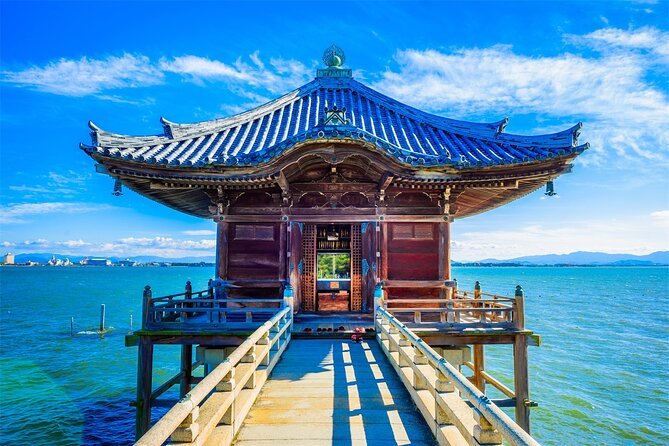
At about 2:00 PM, the schedule turns to Mangetsu-ji Temple and specifically its Ukimido Floating Hall. This stop is short—about 30 minutes—and it’s built around a single idea: a temple structure that sits on or over the water.
That compact timing can be a plus. You’re not stuck for hours in one place, and the Ukimido idea is clear: it’s another view of Lake Biwa’s relationship with worship and space. The tour lists Mangetsu-ji entrance as not included, around $2 USD.
If you’re someone who likes “one specific thing well,” this is a good stop. You’ll get in, you’ll see the hall, and you’ll get out while your energy is still decent.
La Collina Omihachiman: The Fairy-Tale Sweets Village Worth the Time
By around 3:10 PM, you’re at La Collina Omihachiman for about 1 hour. This is the playful counterbalance to shrine and temple time. Admission is listed as free, which helps you feel less pressure during the stop.
The setting is the whole idea: a sweets village described with a grass roof and storybook vibe designed by architect Terunobu Fujimori. It’s the kind of place where you can browse without feeling you must keep a strict itinerary. And if you like buying small gifts, sweets-focused stops tend to be easier than trying to judge an entire meal on the fly.
I also like how this stop is practical for families and mixed groups. Kids can enjoy the theme, adults can browse, and everyone can take a breather. If you’re planning to snack on something during the day, this is a good place to do it.
Price and Logistics: How $65 Becomes a Real Day Budget
The headline price is $65.03 per person, which includes a lot of what usually costs real money on guided tours: the guide, air-conditioned transport, the driver, and the operating costs like fuel, tolls, and highway fees. That’s value, especially if you don’t want to manage trains and transfers on your own.
But there are extra costs you should budget up front. Entrance fees listed as not included are:
- Cable car/ropeway ticket around $28 USD
- Sanzen-in Temple around $5 USD (season/date dependent)
- Mangetsu-ji Temple around $2 USD
So even though the tour price looks budget-friendly, your all-in total is more like $100-ish once those are added. If you’re comparing to DIY travel, you’ll need to price your own transportation and tickets to make it fair.
Two logistics points help too. First, you get a mobile ticket, which cuts down on paper hassle. Second, the tour is a shared group tour with a maximum of 45 travelers, and it explicitly notes that multiple languages may be on the same vehicle. That keeps the experience lively, but it also means your guide’s instructions may be paced for the group.
Guide, Group Size, and Language: Staying Comfortable
A strong guide can make a structured day feel personal. One guide name that shows up is Casper, mentioned as excellent. I’d treat that as a sign this company tends to staff guides who know how to handle the flow—especially important on a long day with several scheduled transitions.
Still, language can be uneven. Even with a multilingual guide listed, one review reported the day being English and Japanese only, with disappointment for Spanish support. If your comfort language is critical, message or check details when you book so you don’t get surprised.
Group size matters for comfort too. With up to 45 people, you’ll be part of a larger bus group, but the stops are short enough that crowds usually spread out. The biggest stress usually comes from photo timing and waiting for buses between points—nothing you can’t handle if you keep your expectations flexible.
The Timing Pattern: How to Make This Work Without Feeling Rushed
The schedule has a recognizable rhythm:
- Morning photo and shrine time by Lake Biwa
- Midday viewpoint or temple time around 11:30 AM
- Early afternoon water-temple stop around 2:00 PM
- Late afternoon sweets and browsing around 3:10 PM
That pattern is designed for a shared-day tour. You won’t get long, slow wandering at every stop, but you do get enough time to see what each place is famous for.
One practical tip: don’t schedule anything right after the tour. The tour itself warns that traffic and weather can change timing, and the guide may adjust the itinerary or shorten time at certain attractions. Build your day around the tour, not around your phone calendar.
Who This Tour Fits Best (and Who Might Prefer to DIY)
This tour is a great fit if you want structure. You’re in good hands if you like the idea of someone else managing transport and the order of stops. It’s also family-friendly in spirit—there’s enough variety that kids won’t feel stuck, and there are multiple “wow” moments like the torii and floating hall.
It’s also a good choice if you’re short on time in Osaka or Kyoto and you want Lake Biwa highlights without spending your vacation calculating train routes.
If you’re a detail-hunter who wants deep temple study, you may feel the time limits. The stops are timed and shared. You’ll get the main sights, but not full “take your time for hours” versions of each place.
And if you need a specific language (not just general multilingual ability), you should double-check. The tour lists multilingual support, but actual language coverage may vary.
Should You Book This Lake Biwa Tour?
I’d book this if you want a high-impact day with iconic Lake Biwa sights: Shirahige’s floating torii, viewpoint time via the ropeway/cable car in the right season, a Zen temple pause (Sanzen-in depending on dates), and the Ukimido floating hall. Add in La Collina for a fun sweets break, and you’ve got a day that doesn’t feel repetitive.
I wouldn’t book it if you hate extra ticket fees or if you’re extremely sensitive to language limitations. Your all-in cost is higher once the ropeway and temple entrances are included, and the guide’s language coverage may not match what you expect.
If your goal is simple: see Lake Biwa’s best-known “water spirituality” and scenic views in one day with minimal hassle, this is a solid way to do it.
FAQ
What is the duration of the Lake Biwa tour?
The tour runs about 10 hours 30 minutes (around 10.5 hours). It typically starts in the morning around 8:00 AM and drops you off around 6:30 PM.
Where do you start and where do you get dropped off?
The meeting location is in Osaka, and the tour has two drop-off locations: Osaka and Kyoto.
Is food included in the tour price?
No. Food and drinks are not included. There is free time where you can choose lunch on your own.
Are entrance fees included for the ropeway and temples?
No. The tour lists these as not included: cable car ticket (around $28 USD), Sanzen-in Temple (around $5 USD), and Mangetsu-ji Temple (around $2 USD).
When is the Lake Biwa Observatory included?
The Lake Biwa Observatory stop is listed as available May 1 to Oct 31, 2025. From Nov 1, 2025 to Apr 30, 2026, the route includes Sanzen-in Temple instead.
Does the tour include the floating torii and Ukimido hall?
Yes. The itinerary includes Shirahige Shrine with the floating torii and Mangetsu-ji Temple with the Ukimido Floating Hall.
How many people are in the tour?
The tour has a maximum of 45 travelers and is described as a shared group tour.
What is the cancellation cutoff?
You can cancel for a full refund up to 24 hours before the experience’s start time. Changes within 24 hours are not refundable.
More Tour Reviews in Osaka
- Osaka Go Karting Tour with Funny Costume★ 5.0 · 2,658 reviews
- Osaka Castle: Museum and Tower Entry Ticket★ 4.5 · 2,380 reviews
- Osaka: Shinsekai Food Tour with 13-15 Dishes at 5 Eateries★ 4.8 · 2,204 reviews
- Osaka Food Tour: 13 Dishes at 5 Local Eateries★ 5.0 · 2,149 reviews
- Hungry Osaka Street Food Tour:15 Tastings & 3 Drinks with a Local★ 5.0 · 1,727 reviews
Temple Gates and Shrine Paths
- Osaka: Minoh, Katsuoji Temple, & Minoh Falls Full-day Tour★ 4.9 · 172 reviews
- Full Day Kyoto Tour : Bamboo Forest, Golden Temple, Fushimi Inari★ 5.0 · 84 reviews
- Osaka Temple Cool Foot Bath & Matcha Experience〈45min〉★ 4.9 · 82 reviews
- Osaka: Mind & Spirit Balance Temple Reiki Healing★ 5.0 · 41 reviews
- Katsuo-ji Temple, Arashiyama Forest, & Nara Park★ 4.0 · 37 reviews
The Newest Osaka Write-Ups
- Private Photoshoot in Osaka with a Professional Photographer
★ 5.0 · 3 reviews - Osaka Early Morning Osaka Castle Tour Avoid Crowds
★ 5.0 · 3 reviews - Nara Private Tour with Pick and Drop and English Speaking Driver
★ 3.5 · 3 reviews - Osaka: Modern Vegetarian Sushi Cooking Class
★ 5.0 · 3 reviews - Nara Day Trip from Osaka with a Licensed Guide
★ 5.0 · 3 reviews
Osaka Temples & Shrines, compared.
 ★ 4.9Minoh, Katsuoji Temple, & Minoh Falls Full-day TourFrom $135172 reviews
Full Day Kyoto Tour : Bamboo Forest, Golden Temple, Fushimi InariFrom $10584 reviews
★ 4.9Minoh, Katsuoji Temple, & Minoh Falls Full-day TourFrom $135172 reviews
Full Day Kyoto Tour : Bamboo Forest, Golden Temple, Fushimi InariFrom $10584 reviews
 ★ 4.9Osaka Temple Cool Foot Bath & Matcha Experience〈45min〉From $3482 reviews
 ★ 5.0Mind & Spirit Balance Temple Reiki HealingFrom $16141 reviews
 ★ 4.0Katsuo-ji Temple, Arashiyama Forest, & Nara ParkFrom $9137 reviews
 ★ 4.7Minoh Waterfall & Katsuo-ji Temple Half-Day TourFrom $4727 reviews
 ★ 5.0Osaka Half-day E-bike Adventure: Minoh Falls & Katsuoji TempleFrom $3425 reviews
 ★ 4.9Temple Tour and Traditional Calligraphy LessonFrom $2024 reviews
Browse the lists this tour appears in