
Reviewed · KYOTO DAY TRIPS FROM OSAKA
Kyoto Top Four Highlights Day Trip from Osaka or Kyoto
One bus ride, Kyoto’s headline acts. This day trip strings together Kyoto’s most famous stops—Nijo Castle, Kinkaku-ji (Golden Pavilion), Arashiyama, and Fushimi Inari—using an air-conditioned vehicle and a guided route that keeps you moving without feeling like a sprint.
I like two big things about it. First, you get guided context at the sights that usually take visitors hours to sort out on their own. Second, you still get time to wander at key moments, especially through Arashiyama’s bamboo and around the torii gates at Fushimi Inari.
One consideration: it’s a packed 9-hour outing, with paid admissions for the castle and Golden Pavilion not included. If you prefer slow travel or quiet, uncrowded temple time, this may feel rushed—especially with a group capped at up to 45.
In This Review
- Key Highlights Worth Your Time
- How the Day Trip Really Works from Osaka or Kyoto
- Nijo Castle: Tokugawa Prestige in Castle-Palace Form
- Kinkaku-ji Golden Pavilion: What 40 Minutes Can Still Teach You
- Arashiyama: The West Kyoto Day-Trip Engine
- Arashiyama Bamboo Forest: Go for the Calm, Not Just the Photos
- Nonomiya Shrine: A Black Torii in a Red-Torii World
- Arashiyama Kimono Forest: A Modern Photo Stop with Real Craft Energy
- Togetsukyo Bridge: The Iconic Arashiyama Line You Can’t Skip
- Rilakkuma Tea House: The Short Break That Keeps the Day Fun
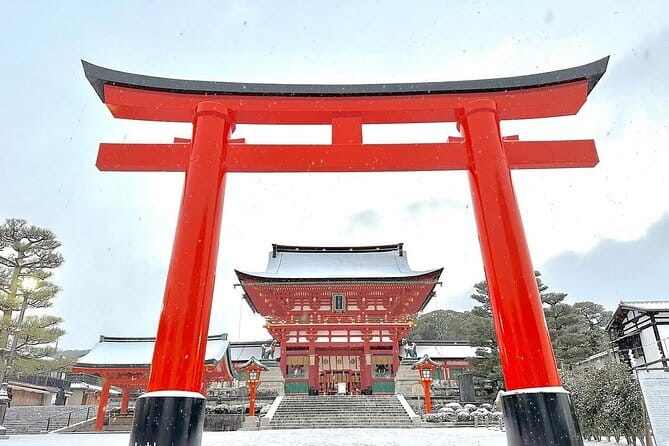
- Fushimi Inari and the Senbon Torii: Walk the Thousand-Gate Hallway
- Price and Value: What $67 Really Buys (and What It Doesn’t)
- Timing, Group Size, and Why the Pace Matters
- Lunch Break: How to Use It Without Losing Time
- Who This Tour Fits Best (and Who Might Want Something Else)
- Should You Book This Kyoto Top Four Highlights Day Trip?
- FAQ
- What is included in the tour price?
- How long is the Kyoto day trip?
- Which attractions are part of this day trip?
- Are entrance tickets included?
- Is lunch included?
- How much time do you get at the Bamboo Forest and Senbon Torii?
- Do I need a paper ticket?
- Is there a limit on group size, and is cancellation flexible?
Key Highlights Worth Your Time
- Nijo-jo Castle’s Tokugawa-era palace buildings: a feudal castle that feels like a refined power center, not just stone walls
- Kinkaku-ji’s golden Zen contrast: temple life, gardens, and the iconic Golden Pavilion in about 40 minutes
- Arashiyama as a full pocket: bamboo forest plus shrines and photo-friendly stops in one western Kyoto run
- Black torii at Nonomiya Shrine: a less common look compared with the usual red gates
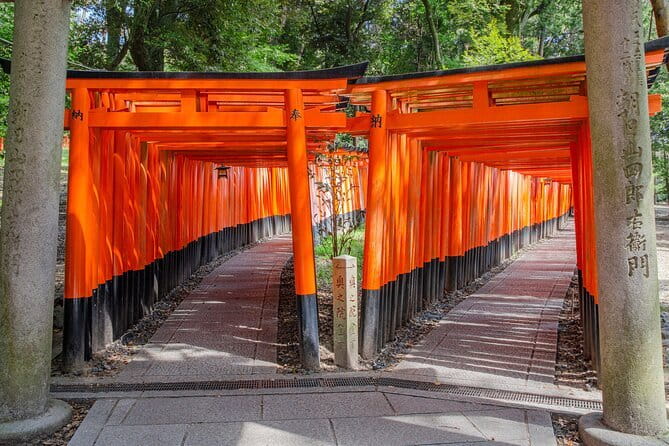
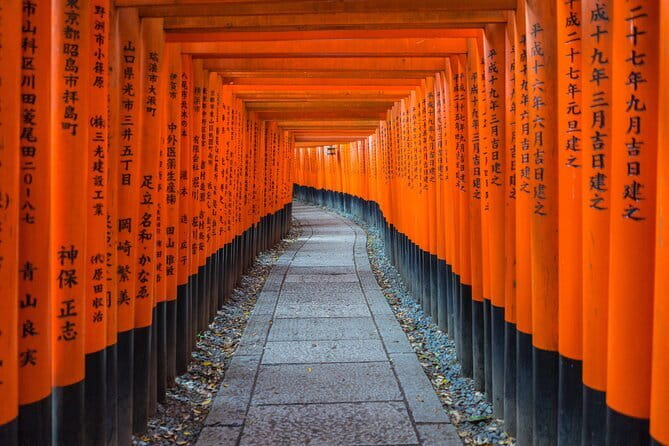
- Senbon Torii at Fushimi Inari: a long, walkable stretch of torii gates that rewards comfortable shoes
- Guides who keep the group on track: I’ve seen clear pre-trip messages (like WhatsApp) and tight timing with guides such as Theodore, Brian, and Anson
Kyoto sits thirty minutes away, more ways there


How the Day Trip Really Works from Osaka or Kyoto
The big idea here is efficiency with structure. You’ll depart from either Osaka or Kyoto (depending on where you start), then ride in an air-conditioned vehicle to each main site. The tour is designed for “see the big Kyoto things” days, not for deep, slow study.
In practice, the rhythm is: bus → guided stop (often with a short walking loop) → a stretch of free time to take photos, look around, and reset. That mix matters because Kyoto sites can feel mentally heavy—crowds, signage, and temple rules stack up fast. The guide’s job is to help you know what you’re looking at and where to head next.
Also, keep an eye out for the kind of day-before message some guides send (one guide even asked about motion sickness and adjusted seating accordingly). If you have any needs—stroller or large luggage—tell them when booking so you aren’t scrambling on pickup day.
Nijo Castle: Tokugawa Prestige in Castle-Palace Form
Nijo-jo Castle is the first major stop, and it sets the tone: Kyoto as the stage for political power during the early Edo period. Built in 1603 as the Kyoto residence of Tokugawa Ieyasu (the first shogun of the Edo period), it’s a UNESCO site and one of the best-known castles in Japan.
You’ll spend about 1 hour here. The main payoff isn’t only the castle walls—it’s the palace buildings tied to the feudal era. For many visitors, this is the difference between “I saw a castle” and “I understood what a castle-palace really meant.”
Practical tips for this stop:
- Budget the entrance cost: ¥1,300 per person is listed for Nijo Castle & Ninomaru Goten Palace.
- If you like symmetry and rooms with purpose, you’ll appreciate that castles here functioned as both fortification and government residence.
- Wear something comfortable for a couple of walking stretches; you won’t want to shuffle in uncomfortable shoes for this first guided leg.
Kinkaku-ji Golden Pavilion: What 40 Minutes Can Still Teach You
Next up is Kinkaku-ji, the Golden Pavilion. This Zen Buddhist temple is UNESCO-listed and famous for its striking golden exterior and calm garden setting. In other words, it’s Kyoto’s “wait, how is this real?” stop.
You’ll have about 40 minutes. That’s not much time for someone trying to fully memorize every detail, but it’s enough to see the signature views and understand why the temple looks the way it does. The gardens and pavilion relationship is the point—this is temple architecture built to be seen in a particular mood.
Practical tips:
- Admission isn’t included: ¥500 per person.
- Plan to spend your mental energy on the main pavilion view and then one “side” angle rather than trying to catch every perspective.
- If it’s crowded, don’t panic. The guide’s job is to keep you moving to the most useful viewpoints before the flow thickens.



Arashiyama: The West Kyoto Day-Trip Engine
Arashiyama is where the tour shifts from “major landmark” into “Kyoto as atmosphere.” You’re heading to the western part of the city, a popular destination known for natural beauty and scenic historic spots. The tour gives you a chunk of time to enjoy the area rather than only a quick exterior photo.
You’ll spend about 10 minutes to arrive and reposition within Arashiyama, and then the schedule becomes more specific. This is where the day feels fun, because Arashiyama rewards wandering. The guide keeps the route logical, but you still get space to move at your own pace.
Arashiyama Bamboo Forest: Go for the Calm, Not Just the Photos
The Arashiyama Bamboo Forest is next, with about 40 minutes allotted. The bamboo is famous for a reason: tall stalks, a hush-like walk through the grove, and a scene that feels both modern tourist-friendly and strangely quiet.
This is also the stop where your experience can swing based on expectations. If you come only chasing a perfect Instagram shot, you might feel impatient. If you go for the sensory moment—the sound of footsteps, the straight-line perspective, the shade—you’ll get more out of it.
Practical tips:
- Wear shoes you can walk in for a steady path. You’ll likely cross small crowds.
- Don’t spend the whole time photographing. Take 5 minutes just to stand and look.
- Tickets for this part aren’t listed, so your main costs here are time and attention.
Nonomiya Shrine: A Black Torii in a Red-Torii World
After bamboo, you visit Nonomiya Shrine, home to a distinctive black torii gate. Most shrines in this area are associated with the typical vermilion look, so the black gate feels like a visual reset.
You’ll have about 20 minutes. This is a “slow moment” stop in an otherwise full day. If you like finding the less-famous visual detail, this is it.
Practical tip: this is a good place to check your phone battery and slow down before the more photo-heavy segments.
Arashiyama Kimono Forest: A Modern Photo Stop with Real Craft Energy
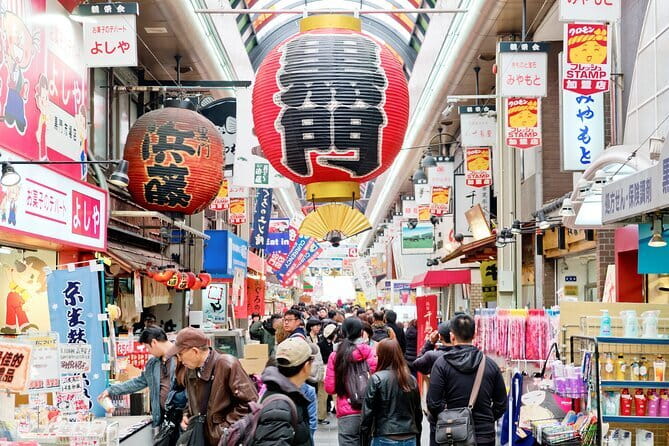
The Arashiyama Kimono Forest is an art installation made of 600 clear acrylic cylinders, each about 2 meters tall, decorated with vibrant kimono fabrics. The idea is simple: color, vertical pattern, and a walk-through photo feeling.
You’ll have around 20 minutes. This isn’t a historical temple stop, so don’t treat it like one. Instead, use it as a break from heavier sightseeing and a chance to enjoy color and design.
If you’re traveling with someone who likes photos and novelty, this stop usually lands well. If you prefer purely traditional sights, you might treat it as a quick “check it off” moment.
Togetsukyo Bridge: The Iconic Arashiyama Line You Can’t Skip
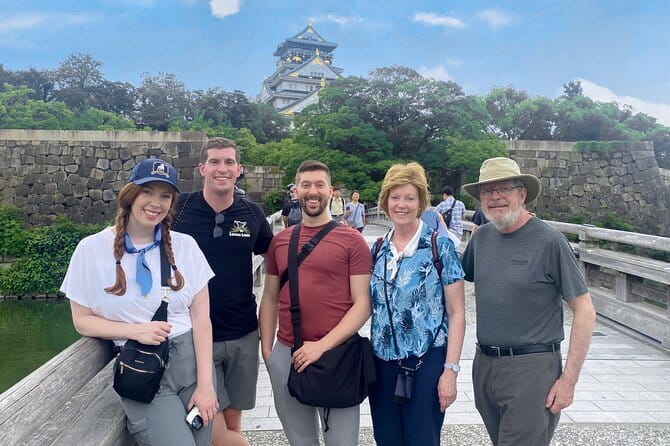
Then comes Togetsukyo Bridge, the Arashiyama landmark most people recognize. It was originally built in the Heian Period and was reconstructed in the 1930s.
You’ll get about 15 minutes. That’s enough for one good bridge viewpoint and a quick walk nearby. It’s also a spot where the crowd flow matters, so it helps to let the guide set you up on where to stand first.
Rilakkuma Tea House: The Short Break That Keeps the Day Fun
Yes, there’s time for the Arashiyama Rilakkuma Tea House. You’ll spend about 15 minutes here. It’s a café and shop built around the Rilakkuma character—bear-in-a-relaxed-mood energy, in case you need a mental reset.
This is one of those tour add-ons that can make a huge difference on a long day. A quick snack or sweet drink can keep energy steady when you’ve been on your feet since morning.
Fushimi Inari and the Senbon Torii: Walk the Thousand-Gate Hallway
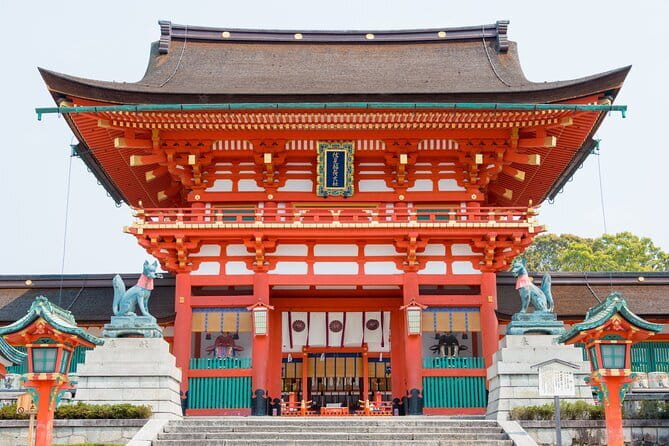
Finally, the day points you toward Fushimi Inari Taisha and the Senbon Torii—the thousands of vermilion torii gates. The tour’s schedule gives you about 1 hour 10 minutes, which is important. This isn’t just a look-from-the-front-and-go stop. It’s a “walk, pause, and keep moving” kind of place.
The background matters here: there are around 30,000 Inari shrines in Japan, and Fushimi Inari Taisha is the head shrine worshipping Inari, the Shinto god associated with rice. That context gives the torii gates meaning beyond decoration.
Practical tips:
- Wear comfortable shoes; this is the longest “walk” feeling stop.
- Plan a loop strategy: aim for a point where you’ll turn around, instead of trying to go as far as possible.
- Keep close to your group if timing is tight. One of the biggest avoidable problems on tours like this is missing the last segment because you drifted.
Price and Value: What $67 Really Buys (and What It Doesn’t)
At $67 per person, you’re paying for transportation plus a guide. You’ll get an air-conditioned vehicle and guided help for the full day. You do not get lunch, and two major admissions are listed as extra.
Here’s the math you can plan around:
- Nijo Castle & Ninomaru Goten Palace: ¥1,300 per person
- Kinkaku-ji Temple: ¥500 per person
- Total listed admissions: ¥1,800 per person
So the value is strongest if you:
- want someone to handle the order of sights and timing,
- don’t want to spend your energy decoding transit between top sites,
- like having historical and cultural context as you go.
If you’re the type who loves building your own route and navigating every stop solo with no schedule, you might prefer DIY. But for a first Kyoto day, this price structure is pretty practical: you’re mostly paying for convenience and guided focus, while keeping your control through lunch on your own.
Timing, Group Size, and Why the Pace Matters
This tour runs about 9 hours. That’s enough to hit the top highlights, but it also means you’ll be moving most of the day. The group maximum is 45 travelers, which can create two realities:
- You’ll enjoy the energy and easy logistics of a group.
- You’ll also need patience at bottlenecks—popular shrines, bamboo paths, and the torii gates.
English clarity can vary by guide. In one instance, Theodore Chan was described as speaking clearly and even translating into Mandarin for group members who needed it. In another case, a mismatch in understanding led to a disappointing experience. If you’re highly language-dependent, it’s worth choosing a day when you feel confident in comprehension.
Also: this is not a “wander forever” style outing. You’ll be given enough time to enjoy each stop, but staying close to the plan keeps your day from collapsing into a late scramble.
Lunch Break: How to Use It Without Losing Time
Lunch is not included. You’ll get time for independent dining, which is a good setup because it lets you choose what fits your taste and dietary needs.
My advice: treat lunch like an energy reset, not a long sit-down event. When you’re doing Kyoto highlights in one day, you want meals that are fast enough to protect your next stop.
A guide may offer food recommendations. In past experiences with this kind of tour style, guides also suggest what to order near the route, so you don’t end up spending the first 20 minutes of your break deciding.
Who This Tour Fits Best (and Who Might Want Something Else)
This is a strong choice if:
- you have limited time in Kyoto,
- you want a fast path to the top sights like Nijo Castle, the Golden Pavilion, Arashiyama bamboo, and Senbon Torii,
- you like clear guidance and appreciate getting the “why” behind what you see.
You might skip it if:
- you’re traveling at a very slow pace and want long, quiet temple hours,
- you dislike group timing and prefer empty spaces over historic intensity,
- you’re trying to do a very photography-heavy “every angle” plan.
If you’re traveling with kids, the structure can help, but do pack for walking. The tour also asks you to indicate stroller or large luggage at booking, which tells me they plan around real-world logistics.
Should You Book This Kyoto Top Four Highlights Day Trip?
If your goal is see Kyoto’s biggest headline sights in one day, I think this tour is a solid pick. The combination of guide-led context, efficient routing, and scheduled time at each major stop makes it a good first-Kyoto-day solution. It also tends to feel more enjoyable than DIY when you’re not sure how to link all these far-apart highlights smoothly.
Book it if you want convenience and you’re okay with a full day. Consider another approach if you hate crowds, dislike fixed timing, or don’t want paid admissions layered on top. For most people doing Kyoto on a deadline, this one hits the sweet spot.
FAQ
What is included in the tour price?
The tour includes an air-conditioned vehicle and a guide.
How long is the Kyoto day trip?
The duration is about 9 hours.
Which attractions are part of this day trip?
You’ll visit Nijo Castle, Kinkaku-ji (Golden Pavilion), Arashiyama (including the Bamboo Forest, Nonomiya Shrine, Kimono Forest, Togetsukyo Bridge, and Arashiyama Rilakkuma Tea House), and Fushimi Inari Taisha’s Senbon Torii.
Are entrance tickets included?
No. Admission tickets are not included for Nijo Castle & Ninomaru Goten Palace (¥1,300 per person) and Kinkaku-ji (¥500 per person).
Is lunch included?
Lunch is not included, though time is provided for you to eat on your own.
How much time do you get at the Bamboo Forest and Senbon Torii?
You get about 40 minutes at the Arashiyama Bamboo Forest and about 1 hour 10 minutes at the Senbon Torii.
Do I need a paper ticket?
No. You receive a mobile ticket.
Is there a limit on group size, and is cancellation flexible?
The tour has a maximum of 45 travelers. You can cancel for a full refund up to 24 hours in advance.
More Tour Reviews in Osaka
- Osaka Go Karting Tour with Funny Costume★ 5.0 · 2,658 reviews
- Osaka Castle: Museum and Tower Entry Ticket★ 4.5 · 2,380 reviews
- Osaka: Shinsekai Food Tour with 13-15 Dishes at 5 Eateries★ 4.8 · 2,204 reviews
- Osaka Food Tour: 13 Dishes at 5 Local Eateries★ 5.0 · 2,149 reviews
- Hungry Osaka Street Food Tour:15 Tastings & 3 Drinks with a Local★ 5.0 · 1,727 reviews
Kyoto, Just Up the Line
- Osaka/Kyoto: Hiroshima Miyajima Bus Tour & Shinkansen Ticket★ 4.7 · 919 reviews
- From Kyoto/Osaka: Kyoto Top Highlights 1-Day Guided Bus Tour★ 4.5 · 714 reviews
- Ancient Capital Tour: Kyoto and Nara Highlights from Kyoto/Osaka★ 4.5 · 332 reviews
- Osaka/Kyoto: Amanohashidate & Miyama Tour with Boat & Lunch★ 4.6 · 207 reviews
- Kyoto and Nara Day Trip from Osaka★ 4.0 · 175 reviews
The Newest Osaka Write-Ups
- Private Photoshoot in Osaka with a Professional Photographer
★ 5.0 · 3 reviews - Osaka Early Morning Osaka Castle Tour Avoid Crowds
★ 5.0 · 3 reviews - Nara Private Tour with Pick and Drop and English Speaking Driver
★ 3.5 · 3 reviews - Osaka: Modern Vegetarian Sushi Cooking Class
★ 5.0 · 3 reviews - Nara Day Trip from Osaka with a Licensed Guide
★ 5.0 · 3 reviews
Kyoto Day Trips from Osaka, compared.
 ★ 4.7Osaka/Kyoto: Hiroshima Miyajima Bus Tour & Shinkansen TicketFrom $277919 reviews
 ★ 4.5From Kyoto/Osaka: Kyoto Top Highlights 1-Day Guided Bus TourFrom $51714 reviews
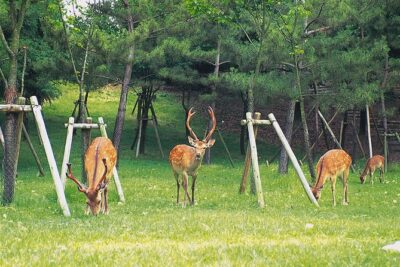 ★ 4.5Ancient Capital Tour: Kyoto and Nara Highlights from Kyoto/OsakaFrom $90332 reviews
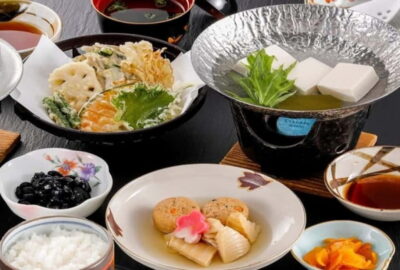 ★ 4.6Osaka/Kyoto: Amanohashidate & Miyama Tour with Boat & LunchFrom $71207 reviews
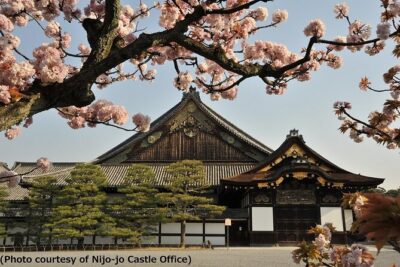 ★ 4.0Kyoto and Nara Day Trip from OsakaFrom $198175 reviews
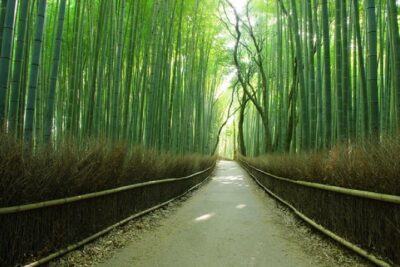 ★ 4.5Sagano Romantic Train & Arashiyama, Kiyomizudera, Fushimi Inari Taisha Day TourFrom $82171 reviews
 ★ 5.0Full Day Guided Tour to Kyoto and Nara from Osaka by VanFrom $96144 reviews
 ★ 4.8Volleyball in Osaka, Kobe & Kyoto with locals!From $6131 reviews
Browse the lists this tour appears in