

Reviewed · KYOTO DAY TRIPS FROM OSAKA
Kyoto and Nara Day Tour From Osaka with Deer Sightings
Deer and shrines in one long day. I like how this Kyoto and Nara day tour from Osaka packs Nara Park’s free-roaming deer and Fushimi-Inari’s torii gates into a single smooth schedule, with key sights kept easy and admission handling mostly straightforward.
I also like that the pickup is at Kintetsu-Nippombashi and you ride in an air-conditioned vehicle, so you’re not wasting your morning figuring out trains. The group is kept to a maximum of 45, which helps the day feel organized instead of chaotic.
One consideration: you’re going to be on the move for about 10 hours, and the driver’s English is basic, so if you want deep cultural explanations, you’ll need to read up or explore on your own.
In This Review
- Key things to know before you go
- Kyoto and Nara from Osaka in one day: what you’re really buying
- Getting picked up at Kintetsu-Nippombashi: logistics that affect your mood
- Nara Park’s shika deer: why this stop is the emotional highlight
- Fushimi-Inari Taisha: walking the torii maze without losing your bearings
- Kiyomizudera temple: what to expect in the UNESCO setting
- Optional indoor tickets: Kiyomizudera and Todai-ji (and when it’s worth paying)
- The long-day value of $69: where the price really lands
- Shinsaibashi-suji in Osaka: why the finish matters
- Who should book this tour (and who should skip it)
- Should you book this Kyoto and Nara day tour from Osaka?
- FAQ
- How long is the Kyoto and Nara day tour from Osaka?
- Where is the meeting point and what time does the tour start?
- Is lunch included?
- Is there an admission fee for Kiyomizudera Temple?
- Is there an admission fee for Todai-ji Temple?
- Are tickets required for Nara Park and Fushimi Inari Taisha?
- What kind of guidance do you get from the driver?
- Do I need to bring a paper ticket?
- What is the maximum group size?
Key things to know before you go

- Nara Park deer encounters: expect hundreds of wild shika deer roaming freely, so plan for deer-in-your-space moments.
- Fushimi-Inari torii gates: it’s a classic walk through thousands of red gates where timing and footwear matter.
- Kiyomizudera UNESCO area: you’ll have enough time to see the famous temple setting, plus optional entry if you want inside views.
- AC transport and a small-ish group (max 45): helps on a long day outside Osaka and Kyoto.
- Mobile ticket: simplifies check-in on the morning of your tour.
- You finish back near where you started: you get a chance to explore and then return without major extra transfers.
Kyoto sits thirty minutes away, more ways there


Kyoto and Nara from Osaka in one day: what you’re really buying

If you’re short on time in Kansai, this is the kind of day trip that makes sense: you get the headline sights of Kyoto and the deer-filled fun of Nara without spending your precious days hopping between stations on your own. The tour runs about 10 hours and uses a vehicle with air-conditioning, which is a real comfort during Japan’s warmer stretches.
What makes this one worth a look is the mix of experiences. In Nara, the deer are the star and the vibe is playful. In Kyoto, the focus shifts to spiritual landmarks, classic architecture, and walking lanes that feel like they’ve been there forever. And because the itinerary includes a downtown Osaka stop on the way back (Shinsaibashi-suji Shopping Street), you’re not left with only temples at the end of the day.
Getting picked up at Kintetsu-Nippombashi: logistics that affect your mood
The meeting point is Kintetsu-Nippombashi Station. That’s a practical choice because it’s connected to Osaka’s transit web, and it makes the morning start less stressful. Pickup time is 8:30 am, so you’ll want to eat something before you go (lunch isn’t included).
This is also a tour where “driver guidance” matters. The driver provides basic English guidance, not in-depth storytelling about every site. That’s totally fine for most people, as long as you’re clear on what you’re paying for: transportation, pacing, and getting you to the right places at the right time. For deeper context, you’ll get the best results by doing a little pre-reading before you arrive, then using the time on foot to soak up the atmosphere.
Finally, the group size cap of 45 is a sweet spot. Big tour buses can feel like cattle. This one is small enough that you’re usually able to look around and keep your own pace, especially once you’re walking inside the sites.
Nara Park’s shika deer: why this stop is the emotional highlight
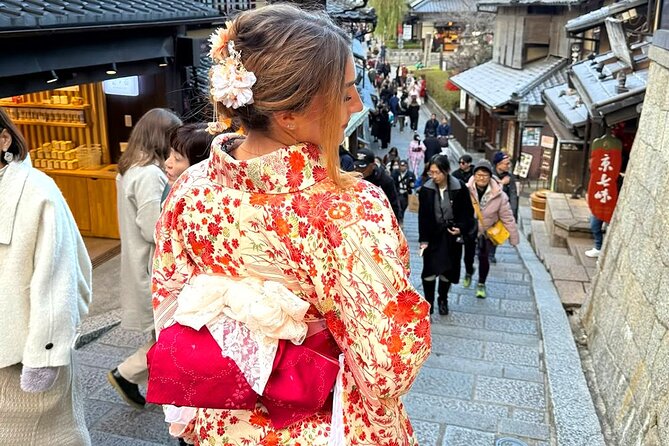
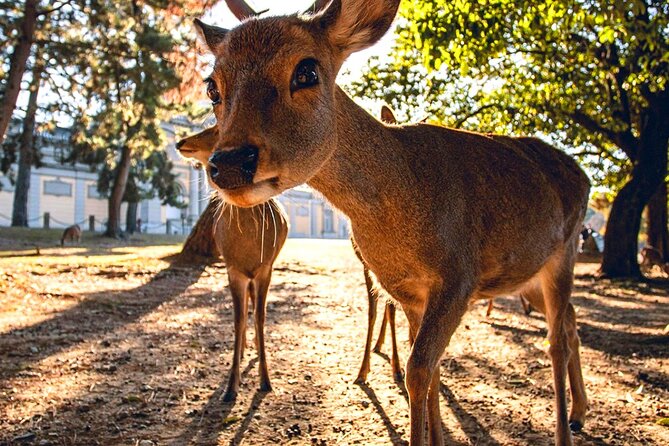
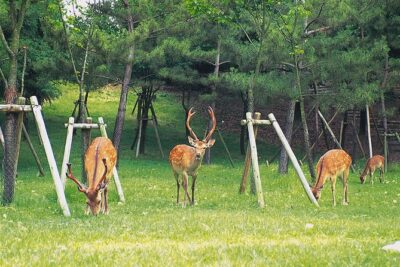
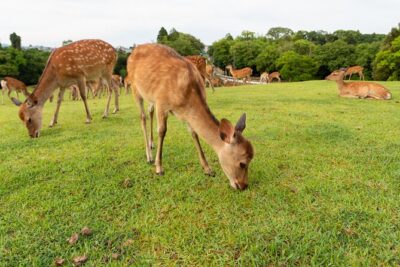
Nara Park is famous for one thing: deer. You’re walking in a large park setting where wild shika deer roam freely among lawns and trees. The tour schedules about 1 hour 30 minutes here, which is enough time to see the deer up close and still have time to move toward any temple area you may want to add.
The deer aren’t just “cute background.” They’re bold. They come to you like they’ve been assigned to check your snacks. If you’re traveling with kids, this is often the moment that makes the whole trip feel like a storybook. If you’re an adult, it still works because you get an instantly memorable, hands-on scene you can’t really replicate at home.
A practical tip: treat deer approach like you’re working a polite street scene. Keep your hands controlled, avoid sudden movements, and don’t crowd them. If the deer are near, you’ll usually get a better photo by stepping slightly aside to let them pass, rather than trying to push to the front.
Also remember: Nara Park itself is free to enjoy. But if you want to go inside major buildings in the area, that’s where optional ticketing comes in (more on that soon).
The deer will still bow: more Nara days
Fushimi-Inari Taisha: walking the torii maze without losing your bearings

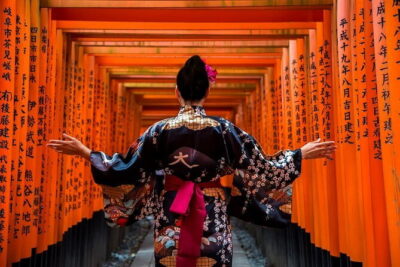
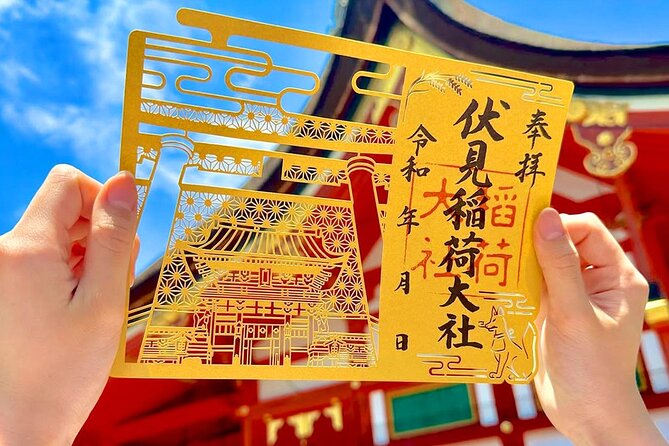
Next up is Fushimi-Inari Taisha in Kyoto. Admission is free, and you’ll have about 1 hour 20 minutes. This temple is known for its long corridor of red torii gates, and it’s one of those places where you can walk for just a short time—or keep going deeper if you’re in the mood.
Here’s what to plan for: Fushimi-Inari is not a single “look and leave” spot. It’s a network of paths. With limited time, you’ll have the best experience by deciding in advance what your goal is:
- If you want the iconic gates quickly, stick to the main pathways you can access easily.
- If you want calmer views, you’ll often find smaller lanes a bit farther in.
Shoes matter here. You’ll be walking on uneven ground and lots of stairs. Bring comfortable footwear you’d use for a long neighborhood hike. Even if you only walk a moderate route, your legs will notice.
One more thing: photography can slow people down here. The gates make great pictures from multiple angles, and everyone wants “the” shot. If you want fewer delays, aim to take photos while other people are moving, then walk a few minutes forward and shoot again. It keeps the energy moving rather than waiting in clusters.
Kiyomizudera temple: what to expect in the UNESCO setting
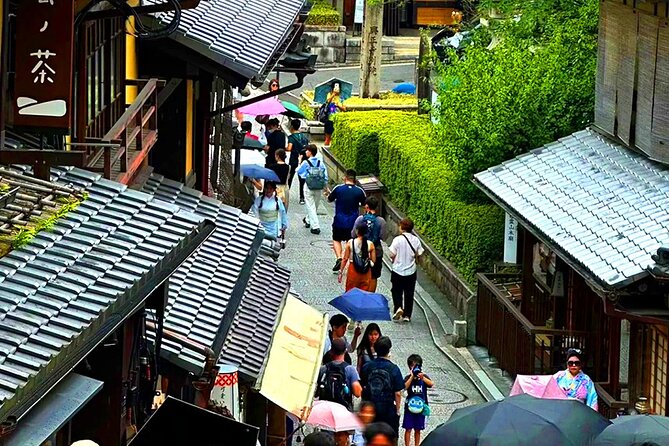
Kiyomizudera gets a lot of attention, and for good reason. The tour allots around 3 hours for this stop, which is a smart amount of time because the area isn’t just one point on a map. You’re moving through temple grounds with viewpoints, stairs, and the kind of layered layout that makes your time feel more like exploring than rushing.
Kiyomizudera is UNESCO-listed and famous for its main hall. The outside viewing area is free, but entry into the temple itself is optional. The optional admission fee is ¥400 per person, if you decide you want to go in.
My advice for Kiyomizudera: don’t treat it like a checklist item. If your goal is photos, pick one main viewpoint you want to return to, then wander to see the place from a few different angles. If your goal is atmosphere, slow down near the main structures and let the crowd flow around you.
Also, this stop can be busy. You don’t need to fight crowds for the best experience. Look for side lanes where you can pause and let things quiet down, even if it’s only for a few minutes. That’s when the setting starts to feel more personal.
Optional indoor tickets: Kiyomizudera and Todai-ji (and when it’s worth paying)
The tour makes it clear that outside views are free at major sites, but inside entry costs extra. For Kiyomizudera, the optional ticket is ¥400 per person. For Todai-ji, the optional ticket is ¥600 per person.
So how do you decide if it’s worth it? Here’s a simple way:
- If you want the best chance of “seeing the thing fully,” buy the ticket.
- If you’re mainly here for iconic viewpoints and walking through the sacred settings, you can save money and still enjoy a lot.
If you’re the type who hates lines and extra steps, sticking to outside areas can be the better choice. On the other hand, if you know you love temple interiors, artifacts, or panoramic views from inside viewpoints, then paying for entry can make the time feel more complete.
Either way, the key is not to feel pressured. The tour gives you the structure. You decide your level of ticket-buying.
The long-day value of $69: where the price really lands
At $69 per person, this tour is priced as an all-day transportation-and-pacing solution. That matters in Osaka, because doing Kyoto and Nara on your own can quickly become a time-sink. You’ll spend time planning routes, buying tickets, and managing transfers. Here, you pay for fewer decisions and more time walking at the sights you chose.
Also, the cost includes an air-conditioned vehicle and the driver service fee. Not having to coordinate multiple rides is a big deal when you’re managing jet lag or you’re traveling with people who don’t want to figure out train transfers.
What’s not included is lunch and personal spending, so you’ll want to budget for a meal and snacks. Since Nara Park and Kyoto can be busy, having a little snack logic helps. It also helps because the deer situation can get people excited, and you’ll want to stay comfortable while waiting for moments.
The other value angle is “concentration.” You’re stacking Nara Park deer fun with Kyoto’s signature sites. If you only have one day and want maximum highlights, you’re paying for focus, not just transportation.
Shinsaibashi-suji in Osaka: why the finish matters
A lot of day trips end with you dropped somewhere inconvenient. This one aims to keep things practical by returning you to the starting area. It also includes a visit in downtown Osaka around Shinsaibashi-suji Shopping Street.
That matters because it gives you a normal-feeling end to the day. Temples are great, but your brain can get tired after hours of walking and looking up at gates and halls. A shopping street break is a chance to reset, grab food, and do that simple traveling pleasure: wandering without a tight schedule.
Just remember: after a 10-hour day, shopping can feel like work. If you want value from this stop, set a mini goal like sweets, a small souvenir, or a quick snack meal. Don’t try to shop like it’s a half-day outing.
Who should book this tour (and who should skip it)
This tour is a good fit if you want a classic Kyoto + Nara highlight day without grinding through logistics. It’s especially strong for families because the deer at Nara Park are an instant hit, and you get a full day of change in scenery. It also works well for first-timers who want to see the major sights even if they don’t have time for multiple overnight plans.
It’s less ideal if you crave deep cultural explanations delivered by a guide. The driver gives basic English guidance, so you’ll want to do a bit of self-guided learning before you arrive (or simply enjoy the sights without needing a full lecture).
Also consider energy levels. A 10-hour day includes plenty of walking, especially at Fushimi-Inari and around Kiyomizudera. If you have mobility concerns, plan carefully and talk to your own comfort limits rather than assuming “day trip” means easy.
Should you book this Kyoto and Nara day tour from Osaka?
Book it if you want a high-hit, low-hassle day: Nara Park’s deer moment, Kyoto’s iconic torii gates, and Kiyomizudera’s dramatic setting, all wrapped into one organized trip with AC transport. At $69, the price is fair for the convenience and the concentrated sightseeing.
Skip it if you want a slow, deeply explained, fully guided cultural experience. This is built for movement and self-paced exploring at each stop, not for a lecture-heavy day. If that sounds like you, you’ll be happier choosing a tour style that matches your learning preferences.
If you’re flexible, bring comfy shoes, keep your schedule calm, and treat the deer like a fun variable you work around. Done right, this is the kind of day that sticks in your memory for a long time.
FAQ
How long is the Kyoto and Nara day tour from Osaka?
The tour duration is about 10 hours.
Where is the meeting point and what time does the tour start?
You meet at Kintetsu-Nippombashi Station (1-chōme-18-14 Nipponbashi, Chuo Ward, Osaka) and the start time is 8:30 am.
Is lunch included?
No, lunch is not included.
Is there an admission fee for Kiyomizudera Temple?
Outside areas are free, but if you want to enter, there is an admission fee of ¥400 per person.
Is there an admission fee for Todai-ji Temple?
Outside areas are free, but if you want to enter, there is an admission fee of ¥600 per person.
Are tickets required for Nara Park and Fushimi Inari Taisha?
The tour indicates admission tickets are free for Nara Park and Fushimi Inari Taisha.
What kind of guidance do you get from the driver?
Drivers provide basic English guidance, but they can’t give in-depth explanations of attractions and culture.
Do I need to bring a paper ticket?
The tour uses a mobile ticket.
What is the maximum group size?
The tour has a maximum of 45 travelers.
More Tour Reviews in Osaka
- Osaka Go Karting Tour with Funny Costume★ 5.0 · 2,658 reviews
- Osaka Castle: Museum and Tower Entry Ticket★ 4.5 · 2,380 reviews
- Osaka: Shinsekai Food Tour with 13-15 Dishes at 5 Eateries★ 4.8 · 2,204 reviews
- Osaka Food Tour: 13 Dishes at 5 Local Eateries★ 5.0 · 2,149 reviews
- Hungry Osaka Street Food Tour:15 Tastings & 3 Drinks with a Local★ 5.0 · 1,727 reviews
A Day Among the Nara Deer
- Ancient Capital Tour: Kyoto and Nara Highlights from Kyoto/Osaka★ 4.5 · 332 reviews
- Kyoto and Nara Day Trip from Osaka★ 4.0 · 175 reviews
- Full Day Guided Tour to Kyoto and Nara from Osaka by Van★ 5.0 · 144 reviews
- Discover Himeji, Kobe and Nara from Osaka★ 5.0 · 101 reviews
- Kyoto & Nara Private customized tour with English speaking Guide★ 4.5 · 99 reviews
Kyoto, Just Up the Line
- Osaka/Kyoto: Hiroshima Miyajima Bus Tour & Shinkansen Ticket★ 4.7 · 919 reviews
- From Kyoto/Osaka: Kyoto Top Highlights 1-Day Guided Bus Tour★ 4.5 · 714 reviews
- Ancient Capital Tour: Kyoto and Nara Highlights from Kyoto/Osaka★ 4.5 · 332 reviews
- Osaka/Kyoto: Amanohashidate & Miyama Tour with Boat & Lunch★ 4.6 · 207 reviews
- Kyoto and Nara Day Trip from Osaka★ 4.0 · 175 reviews
The Newest Osaka Write-Ups
- Private Photoshoot in Osaka with a Professional Photographer
★ 5.0 · 3 reviews - Osaka Early Morning Osaka Castle Tour Avoid Crowds
★ 5.0 · 3 reviews - Nara Private Tour with Pick and Drop and English Speaking Driver
★ 3.5 · 3 reviews - Osaka: Modern Vegetarian Sushi Cooking Class
★ 5.0 · 3 reviews - Nara Day Trip from Osaka with a Licensed Guide
★ 5.0 · 3 reviews
Kyoto Day Trips from Osaka, compared.
 ★ 4.7Osaka/Kyoto: Hiroshima Miyajima Bus Tour & Shinkansen TicketFrom $277919 reviews
 ★ 4.5From Kyoto/Osaka: Kyoto Top Highlights 1-Day Guided Bus TourFrom $51714 reviews
 ★ 4.5Ancient Capital Tour: Kyoto and Nara Highlights from Kyoto/OsakaFrom $90332 reviews
 ★ 4.6Osaka/Kyoto: Amanohashidate & Miyama Tour with Boat & LunchFrom $71207 reviews
 ★ 4.0Kyoto and Nara Day Trip from OsakaFrom $198175 reviews
 ★ 4.5Sagano Romantic Train & Arashiyama, Kiyomizudera, Fushimi Inari Taisha Day TourFrom $82171 reviews
 ★ 5.0Full Day Guided Tour to Kyoto and Nara from Osaka by VanFrom $96144 reviews
 ★ 4.8Volleyball in Osaka, Kobe & Kyoto with locals!From $6131 reviews
Browse the lists this tour appears in