
Reviewed · KYOTO DAY TRIPS FROM OSAKA
From Osaka: Nara Deer & Kyoto Kiyomizudera Sightseeing Tour
Three shrines, one deer park, no wasted time. This driver-guided Osaka-to-Nara-and-Kyoto day pairs UNESCO splendor with big-photo moments and real street walking, all without the hassle of train transfers. I like the way the Kiyomizudera visit is built in with hours on-site, not just a quick stop.
I also love the simple joy of Nara Park—hundreds of free-roaming shika deer and the time to feed and photograph them at a relaxed pace. You’ll see the famous torii pathway next, then swing into Kyoto’s classic pedestrian streets and shrine area before heading back to Osaka.
One heads-up: this is mainly driver-guided time management, not a full, in-depth historian style narration, so if you want deep explanations you may need to pick up a licensed guide on-site.
In This Review
- Key points to know before you go
- How the driver-guided day works from Osaka
- Kiyomizudera UNESCO: planning your hours on the temple grounds
- Fushimi Inari and the Senbon Torii gates
- Nara Park deer time: 80 minutes with hundreds of shika
- Todai-ji Temple: spirituality and a reset hour
- Kyoto street sequence: Sannenzaka, Ninenzaka, Hanamikoji, Gion, Yasaka Shrine
- Shinsaibashi-suji shopping and the Osaka return
- Price and value: what $69 really covers (and what to budget)
- Who should book this tour
- Final take: should you book it?
- FAQ
- How long is the tour from Osaka?
- What is included in the tour price?
- Are temple tickets included?
- Where do I meet the group in Osaka?
- Is hotel pickup offered?
- What languages will I hear during the tour?
- Can I eat or drink on the bus?
- How does the WhatsApp coordination work?
Key points to know before you go
- UNESCO time at Kiyomizudera with 3.5 hours on site for real wandering and photos
- Senbon Torii at Fushimi Inari timed for a walk-and-look visit, not a rushed drive-by
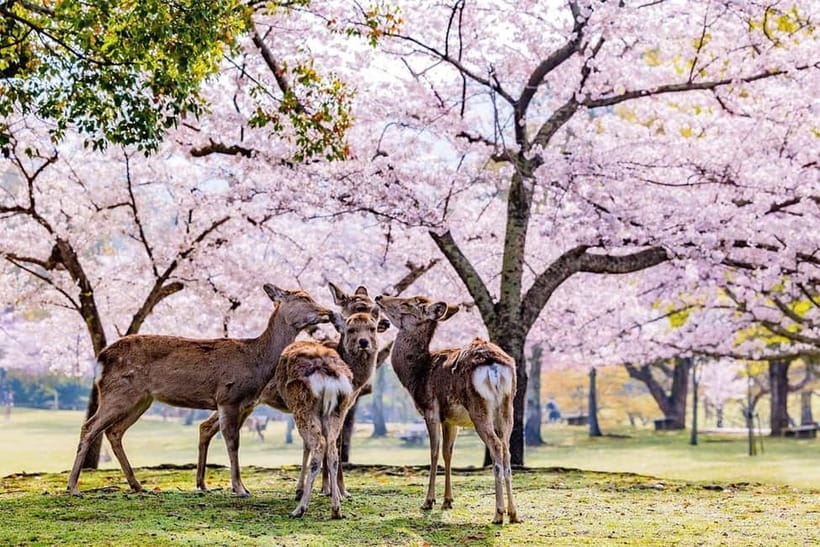
- Nara deer park with 80 minutes to feed and interact at a calm, manageable pace
- Todai-ji with free time so you can slow down and reset after Nara
- Kyoto street sequence: Sannenzaka, Ninenzaka, Hanamikoji, Gion, Yasaka Shrine
- Osaka endcap: time built for downtown shopping on Shinsaibashi-suji
Kyoto sits thirty minutes away, more ways there

How the driver-guided day works from Osaka
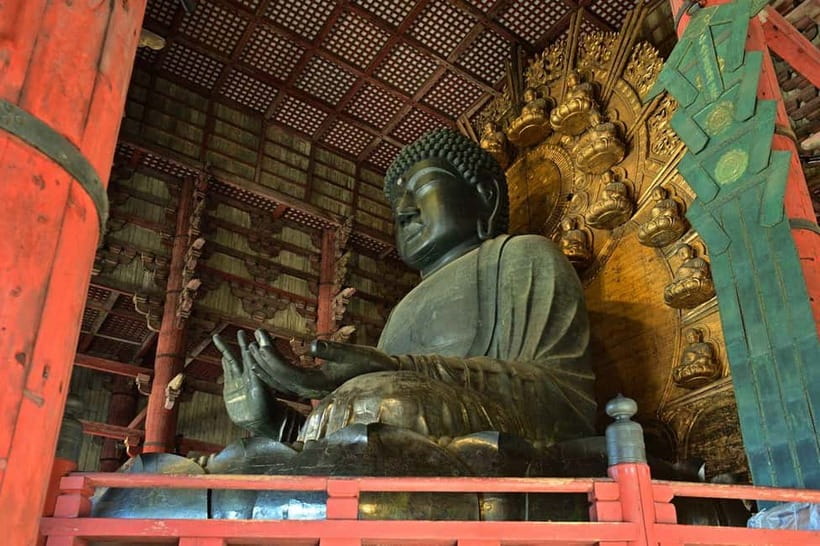
This is a share tour with a driver handling transport and timing. You’ll ride in an air-conditioned vehicle between Osaka, Nara, and Kyoto, with basic introductions on-board (English/Chinese depending on the setup). If you’re the type who likes soaking up every detail while the bus rolls along, temper expectations: in smaller groups, the driver-guide may have limited English and no commentary while driving.
The meeting setup is very practical. You start at Nipponbashi Exit 2 (1-chōme-3-6 Nipponbashi, Chuo Ward, Osaka). Your driver coordinates by WhatsApp, and you’re emailed vehicle details and contact info the day before. The day before departure, the guide adds you to a WhatsApp group, so download the app and keep your phone charged.
Departures are strict: the bus leaves on time with no exception. If you arrive late or at the wrong spot, you may lose your place and that can affect your ability to get any refund. The upside is that this structure keeps the day from turning into a chaotic scavenger hunt.
I’m also a fan of the safety factor here. One guide mentioned by name was Leo, and the emphasis in feedback was that he drove steadily even in peak traffic and kept things orderly. That matters because you’re doing multiple cities in one day, and calm driving makes the whole route feel less stressful.
Kiyomizudera UNESCO: planning your hours on the temple grounds
Kiyomizudera is the “big anchor” of the day: UNESCO-listed, described as a national treasure, and scheduled for about 3.5 hours with a photo stop, visit time, and sightseeing. That time window is what you want. A lot of multi-city tours toss you out for 30 to 60 minutes and call it a day. This one gives you enough breathing room to wander at your own pace and still catch the main sights.
What to expect in practical terms: you’ll spend time moving through temple areas, climbing and walking between viewpoints, and stopping for photos where it makes sense. If you’re visiting in warmer months, it helps to know you’ll be on foot for stretches. Comfortable shoes aren’t optional.
You also get a natural rhythm that supports “temple time.” After Nara and Fushimi Inari, Kiyomizudera is where the day’s energy slows down. Even with the driver keeping the schedule, you’ll have space to slow down and just experience the place—stone, stairs, open views, and the feeling that this has been holding up Kyoto’s spirituality for a long time.
One small consideration: the temple tickets are not included (adults ¥400, children ¥200). So budget for entry fees on top of the tour price.
Fushimi Inari and the Senbon Torii gates
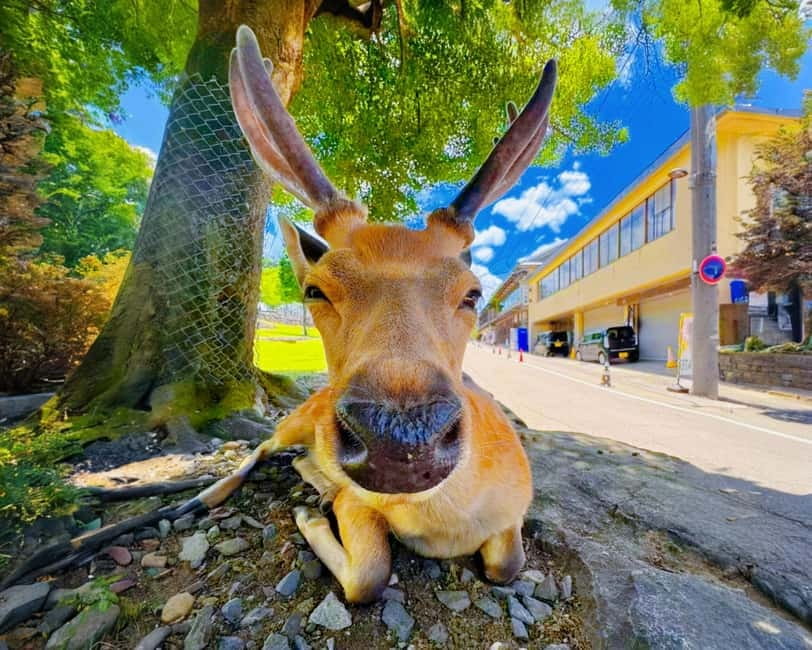
Next up is Fushimi Inari Taisha, famous for its Senbon Torii gate pathway. Your time there is built around photo stops, visiting, free time, and sightseeing, with about 1 hour total.
One hour sounds short until you realize what you’re doing: you’re not touring every shrine side path and museum room. You’re there to experience the torii corridor and get a sense of why people obsess over it. Your best move is to walk with purpose for the core section, stop to photograph when the sightline works, then return when you still have time for a last look.
Also, keep your expectations realistic. The torii pathway can be crowded during peak periods in Kyoto, and with a group schedule you can’t “wait out” crowds. The good news is you’ll still get the effect—rows upon rows of red gates—and that alone is worth the visit for first-timers.
As with Kiyomizudera, timing matters. You want to be ready to move quickly from the bus to the entrance, because you’ll lose precious minutes if you’re still negotiating bags, shoes, and phone settings.
The deer will still bow: more Nara days
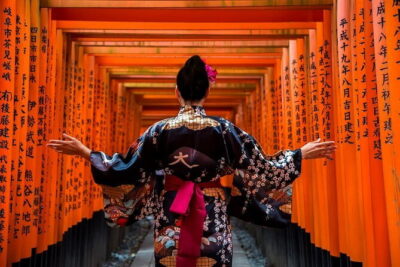
Nara Park deer time: 80 minutes with hundreds of shika
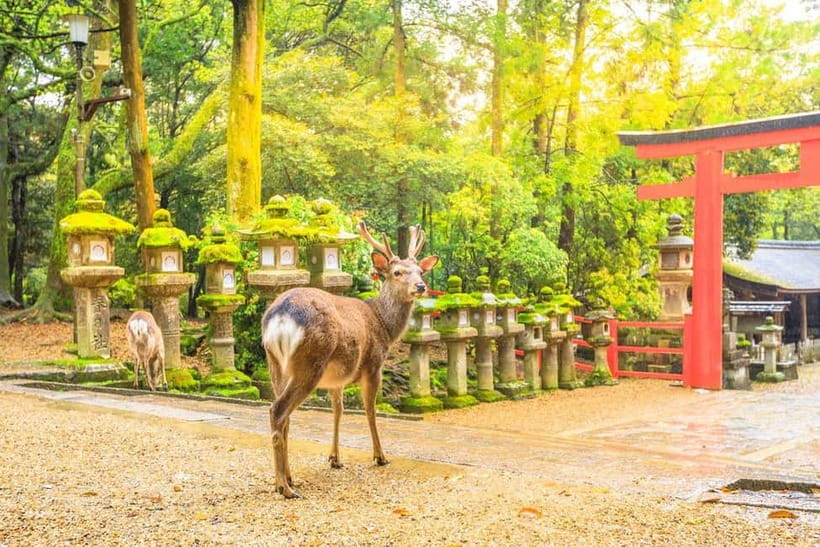
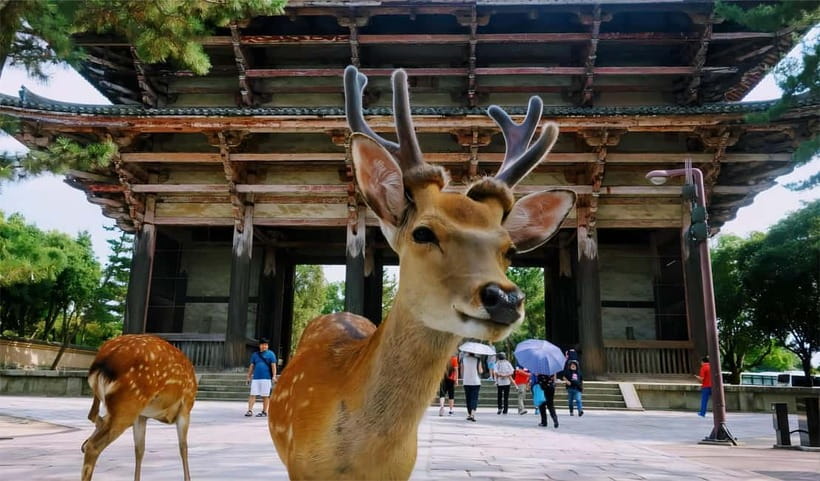
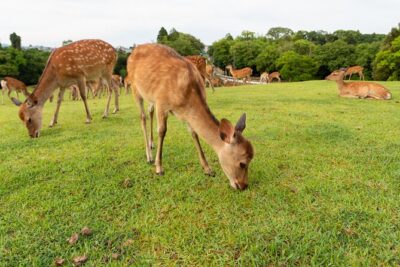
If your itinerary has a “wow” moment, it’s usually the deer park. Here it’s scheduled with 80 minutes at Nara Park, including break time, photos, visit time, wildlife viewing, and free time.
This is one of the most enjoyable stops on the whole trip because it’s interactive without needing a plan beyond showing up with a curious, calm attitude. You’ll have the chance to feed the deer and take photos with them in the park setting. It’s not just a photo opportunity; it’s a sensory experience—rustling nearby, deer moving through open areas, and families and visitors sharing the same space.
Practical advice: keep your hands and pacing sensible. Don’t act like you’re in a zoo exhibit. Follow what staff or signage indicates, and be mindful that the deer will respond to movement. Also, 80 minutes gives you enough time to start slow, then get your photos before the final “group regroup” push.
Another small plus: doing Nara early in the day helps you avoid feeling rushed while everyone tries to capture the same moments. This tour’s schedule is designed to keep Nara from eating the whole day, while still giving it a meaningful chunk.
Todai-ji Temple: spirituality and a reset hour
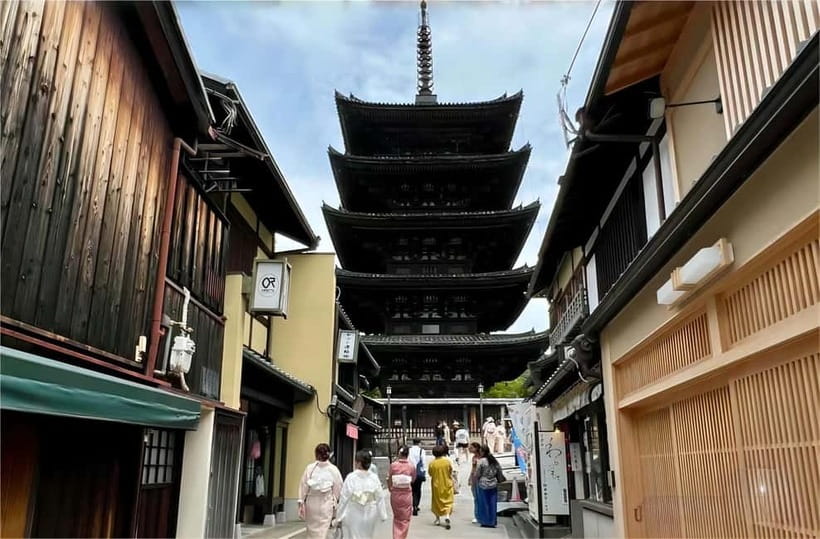
After Nara, you head to Tōdai-ji with a photo stop, free time, and about 1 hour for sightseeing.
Todai-ji is described as a blend of spirituality and nature, and even in an hour you can appreciate the atmosphere. Think of this stop as a palate cleanser between the lively deer park and the Kyoto shrine streets later. It’s also where the day benefits from having a “buffer hour.” One hour isn’t long enough to master every detail, but it’s enough to absorb the overall scale and feel of the temple grounds.
If you care about deeper interpretation, this is a good moment to use what you know and ask questions when the driver-guide can respond. If not, you can still treat Todai-ji as an architectural and cultural stop where you simply pay attention to what’s in front of you: paths, halls, and the way people move through the space.
Remember: Todai-ji tickets are extra (adults ¥600, children ¥300). That’s a separate cost, but it’s also part of the value logic: your ticket money goes directly toward the sites you’re actually seeing, rather than being hidden in a lump-sum tour price.
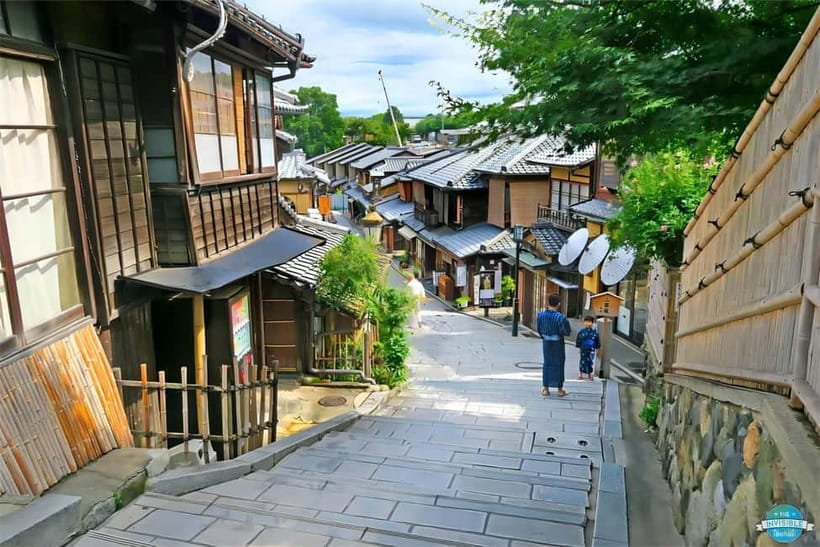
Kyoto street sequence: Sannenzaka, Ninenzaka, Hanamikoji, Gion, Yasaka Shrine
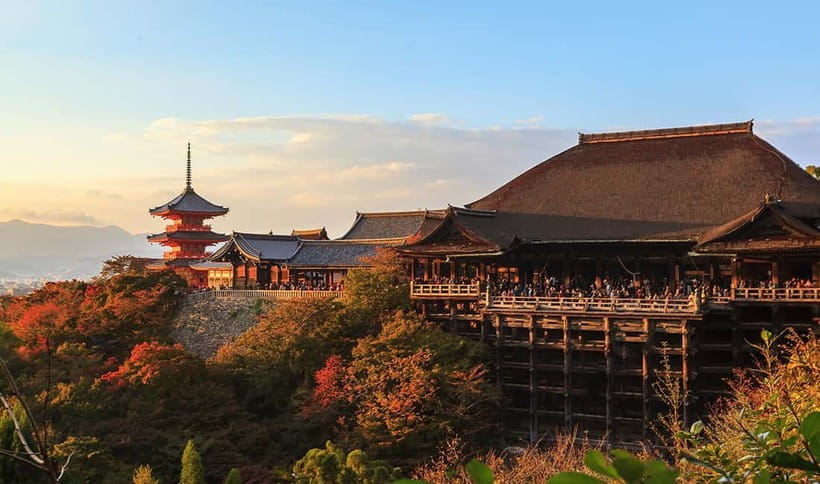
The second half of the day shifts from temple highlights into Kyoto’s pedestrian lanes—where you can slow down and browse without feeling like you’re losing your whole schedule.
Here’s what’s on your walking path, with short blocks of time that work well if you’re comfortable making choices fast:
- Sannenzaka (30 minutes): photo stop, visit, and shopping time
- Ninenzaka (30 minutes): free time plus shopping and sightseeing
- Hanamikoji Street (30 minutes): break time, photo stop, sightseeing, and a walk
- Gion (30 minutes): break time, photo stop, and shopping
- Yasaka Shrine (30 minutes): photo stop, visit, free time, sightseeing
These aren’t long segments, but that’s the point. You get the feel of Kyoto’s classic lanes without needing to be an expert navigator. It’s also a good setup for souvenirs, snacks, and simple people-watching.
The best way to use short blocks like this is to pick your “must-do” inside each area: one shopping lane, one photo angle, one quiet corner to pause. You don’t need to shop in every stop. You just need enough time to have fun without rushing yourself.
If you’re someone who hates being hurried, this portion can feel tight. My advice: wear the same comfortable shoes throughout the day, keep your phone brightness low to save battery, and plan to take photos while you’re walking rather than stopping for long outfit checks.
Shinsaibashi-suji shopping and the Osaka return
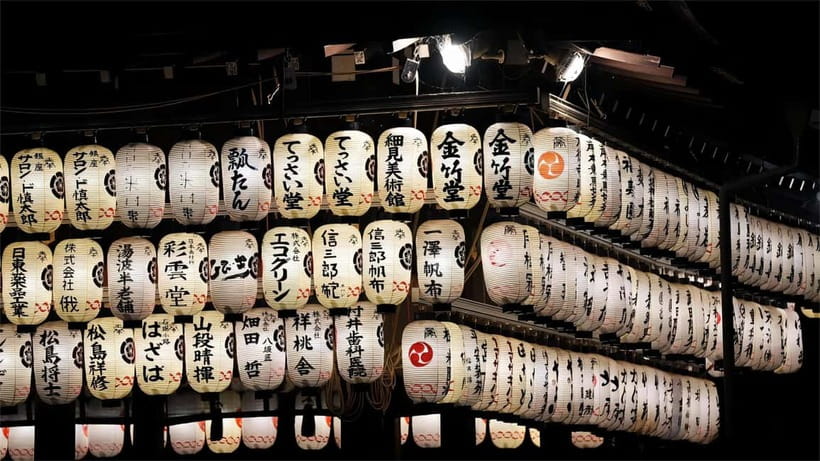
This tour is meant to pair your Kyoto-and-Nara sightseeing with a practical Osaka finish. Shinsaibashi-suji Shopping Street is listed as the downtown payoff, and the general structure is: do the historic hits, then come home to modern streets and shopping energy.
Because the tour runs about 10 hours total, the Osaka portion is likely a shorter stroll rather than a full shopping binge. If you want gifts, snack shopping, and last-minute convenience buys, it’s a good time to do it. If you’re a deep shopper, you’ll probably want to return on your own for longer.
At the end, your driver drops you at one of 12 possible locations across Osaka districts. That spread matters: it reduces the amount of backtracking you need to do once you’re off the bus.
Price and value: what $69 really covers (and what to budget)
The headline price is $69 per person for a 10-hour full day. That’s not just “transport.” It includes roundtrip transportation from Osaka, an air-conditioned vehicle, multilingual driver services, and toll and parking fees.
The extra costs are the temple tickets and lunch. Tickets listed as not included:
- Todai-ji: adults ¥600, children ¥300
- Kiyomizudera: adults ¥400, children ¥200
Lunch is not included, so you’ll need to plan either a packed plan or buy food during your breaks. Also note: no food and drinks in the vehicle, so don’t expect to snack between cities.
When I judge value for a tour like this, I ask one question: are you paying for time savings or just convenience? Here, you’re paying for time savings. You’re combining multiple far-apart areas in one day—Osaka, Nara, Kyoto—and that’s exactly where renting a car or doing multiple train transfers can start to feel like work.
You’re also paying for someone to keep the schedule moving. That can be worth it even if you love public transit—especially when the day includes several walking blocks.
Who should book this tour
This is a great match if:
- You want a high-impact first-timer day covering major Kyoto and Nara sights
- You’d rather manage a plan once than figure out trains, stations, and transfers
- You care more about seeing the “main icons” than spending all day on one site
It’s less ideal if:
- You want long, story-rich explanations for every stop
- You want lots of free wandering without group timing
- You’re picky about pace and hate short shopping blocks between sights
Final take: should you book it?
I’d book this if you’re doing Japan on a schedule and want your Kyoto-and-Nara highlights without turning your day into a logistics project. The schedule gives you enough time at Kiyomizudera and Nara Park deer to feel like you actually experienced them, and the Kyoto street sequence keeps the day from feeling like a checklist.
Just go in with the right mindset. You’re buying an efficient driver-guided day, not a deep guided lecture. If you want extra context, plan to ask questions where you can and consider hiring a licensed guide on-site for anything you’re especially curious about.
If that fits your travel style, this is a solid value play for an Osaka-based trip.
FAQ
How long is the tour from Osaka?
It runs for about 10 hours total.
What is included in the tour price?
Roundtrip transportation from Osaka, transport in an air-conditioned vehicle, toll and parking fees, and multilingual driver support are included.
Are temple tickets included?
No. Tickets for Todai-ji (adults ¥600, children ¥300) and Kiyomizudera (adults ¥400, children ¥200) are not included.
Where do I meet the group in Osaka?
Meet at Nipponbashi Exit 2 at 1-chōme-3-6 Nipponbashi, Chuo Ward, Osaka, 542-0073.
Is hotel pickup offered?
Pickup is optional. They contact you to confirm your hotel name and address if your hotel is within the pickup area. If it’s outside, you may need to meet the guide at Tokyo Station with a partially refunded amount.
What languages will I hear during the tour?
The host or greeter services include Chinese, English, Japanese, and Traditional Chinese.
Can I eat or drink on the bus?
Food and drinks are not allowed in the vehicle.
How does the WhatsApp coordination work?
The guide contacts you the night before the trip via WhatsApp, and you’re added to a WhatsApp group to coordinate so you can find the right vehicle and meeting point.
More Tour Reviews in Osaka
- Osaka Go Karting Tour with Funny Costume★ 5.0 · 2,658 reviews
- Osaka Castle: Museum and Tower Entry Ticket★ 4.5 · 2,380 reviews
- Osaka: Shinsekai Food Tour with 13-15 Dishes at 5 Eateries★ 4.8 · 2,204 reviews
- Osaka Food Tour: 13 Dishes at 5 Local Eateries★ 5.0 · 2,149 reviews
- Hungry Osaka Street Food Tour:15 Tastings & 3 Drinks with a Local★ 5.0 · 1,727 reviews
A Day Among the Nara Deer
- Ancient Capital Tour: Kyoto and Nara Highlights from Kyoto/Osaka★ 4.5 · 332 reviews
- Kyoto and Nara Day Trip from Osaka★ 4.0 · 175 reviews
- Full Day Guided Tour to Kyoto and Nara from Osaka by Van★ 5.0 · 144 reviews
- Discover Himeji, Kobe and Nara from Osaka★ 5.0 · 101 reviews
- Kyoto & Nara Private customized tour with English speaking Guide★ 4.5 · 99 reviews
Kyoto, Just Up the Line
- Osaka/Kyoto: Hiroshima Miyajima Bus Tour & Shinkansen Ticket★ 4.7 · 919 reviews
- From Kyoto/Osaka: Kyoto Top Highlights 1-Day Guided Bus Tour★ 4.5 · 714 reviews
- Ancient Capital Tour: Kyoto and Nara Highlights from Kyoto/Osaka★ 4.5 · 332 reviews
- Osaka/Kyoto: Amanohashidate & Miyama Tour with Boat & Lunch★ 4.6 · 207 reviews
- Kyoto and Nara Day Trip from Osaka★ 4.0 · 175 reviews
The Newest Osaka Write-Ups
- Private Photoshoot in Osaka with a Professional Photographer
★ 5.0 · 3 reviews - Osaka Early Morning Osaka Castle Tour Avoid Crowds
★ 5.0 · 3 reviews - Nara Private Tour with Pick and Drop and English Speaking Driver
★ 3.5 · 3 reviews - Osaka: Modern Vegetarian Sushi Cooking Class
★ 5.0 · 3 reviews - Nara Day Trip from Osaka with a Licensed Guide
★ 5.0 · 3 reviews
Kyoto Day Trips from Osaka, compared.
 ★ 4.7Osaka/Kyoto: Hiroshima Miyajima Bus Tour & Shinkansen TicketFrom $277919 reviews
 ★ 4.5From Kyoto/Osaka: Kyoto Top Highlights 1-Day Guided Bus TourFrom $51714 reviews
 ★ 4.5Ancient Capital Tour: Kyoto and Nara Highlights from Kyoto/OsakaFrom $90332 reviews
 ★ 4.6Osaka/Kyoto: Amanohashidate & Miyama Tour with Boat & LunchFrom $71207 reviews
 ★ 4.0Kyoto and Nara Day Trip from OsakaFrom $198175 reviews
 ★ 4.5Sagano Romantic Train & Arashiyama, Kiyomizudera, Fushimi Inari Taisha Day TourFrom $82171 reviews
 ★ 5.0Full Day Guided Tour to Kyoto and Nara from Osaka by VanFrom $96144 reviews
 ★ 4.8Volleyball in Osaka, Kobe & Kyoto with locals!From $6131 reviews
Browse the lists this tour appears in