
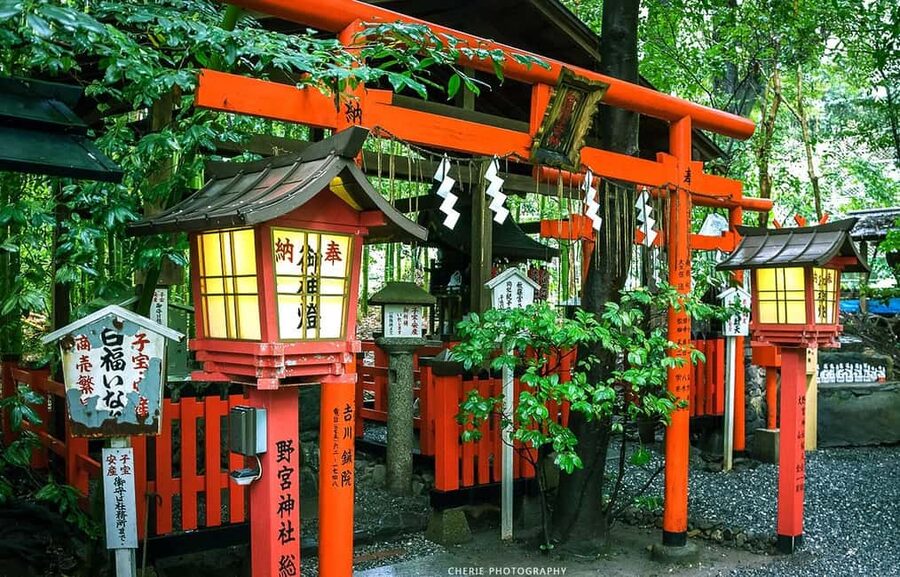
Reviewed · KYOTO DAY TRIPS FROM OSAKA
From Osaka: Kyoto, Nara, Fushimi Inari & Arashiyama Day Tour
Deer, torii gates, and bamboo in one day. This tour strings together Nara Park deer feeding and Fushimi Inari Taisha’s thousand torii gates, then adds Arashiyama’s bamboo and a chance to rest your feet. I like how the day feels compact but still lets you look around, and I also appreciate the guide help—Yang even offered to take photos for the group. One catch: there’s a fair amount of walking, and on busy days the Nara stop can run longer than you’d expect.
What makes this day trip work is the balance between big-ticket sights and “Kyoto life” details. I especially like the Arashiyama rhythm: bamboo grove time, then a break with the Arashiyama Station footbath feel, plus the glowing Kimono Forest light poles around the station area. If you’re hoping for a slow, sit-down day with minimal walking, this isn’t that kind of plan.
In This Review
- Key Highlights I’d Prioritize
- One Guided Day That Actually Fits
- Nara Park: Deer Up Close (And the One Way to Do It)
- Fushimi Inari Taisha: The Thousand Torii Gates Rush
- Arashiyama: Temples, Trails, and a Bamboo Forest Moment
- Torokko Saga Station, Footbath Recovery, and Kimono Forest Lights
- Time Budget: When the Day Feels Tight (and When It Doesn’t)
- Guides Matter: Yang and Jack Set the Tone
- Price and Value: What $56 Covers (and What It Doesn’t)
- Who This Tour Suits Best (And Who Should Skip)
- Should You Book This Osaka-to-Kyoto Day Tour?
- FAQ
- Where do I meet the tour guide in Osaka?
- What languages are the tour guide services offered in?
- How long is the day tour?
- What is included in the $56 price?
- What is not included in the tour?
- Can I eat food in the bus?
- Is there a lot of walking during the day?
- Is the tour suitable for wheelchair users or people with animal allergies?
- Do I need cash during the tour?
- What about optional experiences like the Sagano Romantic Train?
- What are the cancellation and payment flexibility terms?
Key Highlights I’d Prioritize
- Nara Park deer interaction: hand out crackers and enjoy those friendly bowing moments
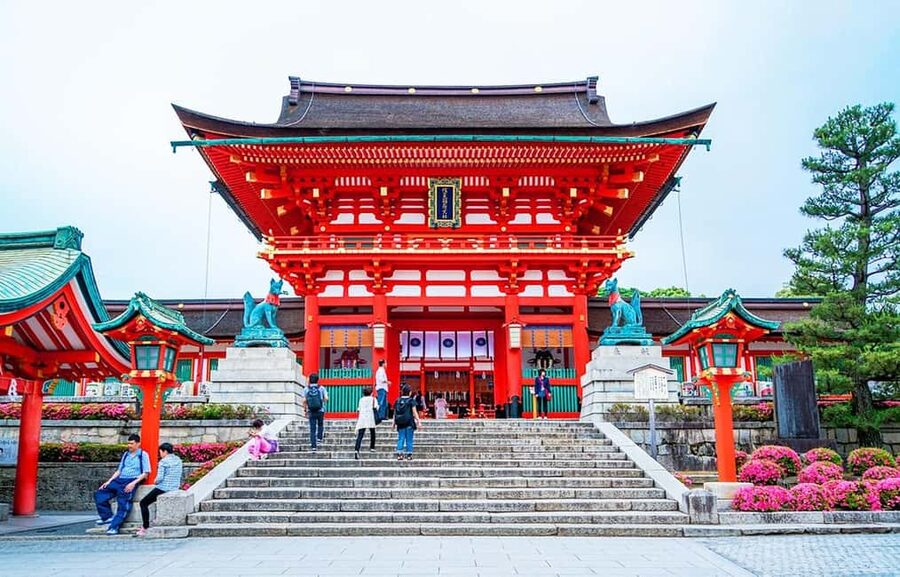
- Fushimi Inari’s torii-gate walk: red gates climbing Mount Inari for that instant wow
- Arashiyama bamboo grove time: one of Kyoto’s best-known nature stops, season after season
- Arashiyama Station Footbath and hot spring free time: practical recovery after lots of steps
- Kimono Forest (Yuzenn Light Poles): 600 kimono-textile light pillars, day or night
Kyoto sits thirty minutes away, more ways there

One Guided Day That Actually Fits
This is a classic Osaka-to-Kyoto sampler: you leave Osaka early, ride an air-conditioned coach, and hit three “can’t miss” areas—Nara, Fushimi Inari, and Arashiyama—on the same day. The value is in removing the logistics headache: transport, parking, tolls, and a multilingual guide are handled.
I also like that you’re not stuck only in museums or only in temples. You get animals at Nara Park, a spiritual icon at Fushimi Inari, then the nature-and-stroll vibe of Arashiyama—plus an evening-friendly light show at the end.
Nara Park: Deer Up Close (And the One Way to Do It)
Nara Park is where the day turns fun fast. You’ll spend about an hour with time for photos and a walk, surrounded by greenery that changes dramatically with the seasons. In spring and summer, it feels fresh and open; in autumn it turns into a warmer palette; in winter, the setting can feel quieter and still.
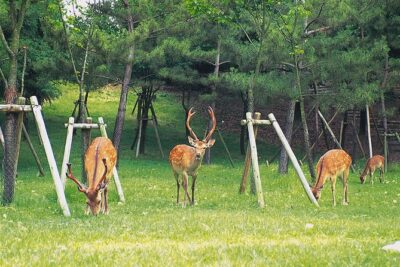
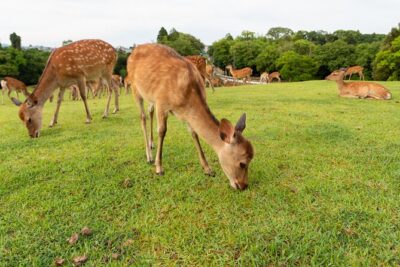
The star is the deer. They’re free-roaming and used to visitors, and the experience is basically: you feed them deer crackers, and if you play along, they’ll sometimes bow back. That bow-for-cracker moment is silly in the best way—worth slowing down for a few photos instead of sprinting through.
A practical tip: treat deer crackers like a small, controlled snack. Don’t wave it around like a fan. Move calmly, and be ready that the deer will come close when they see food.
Fushimi Inari Taisha: The Thousand Torii Gates Rush
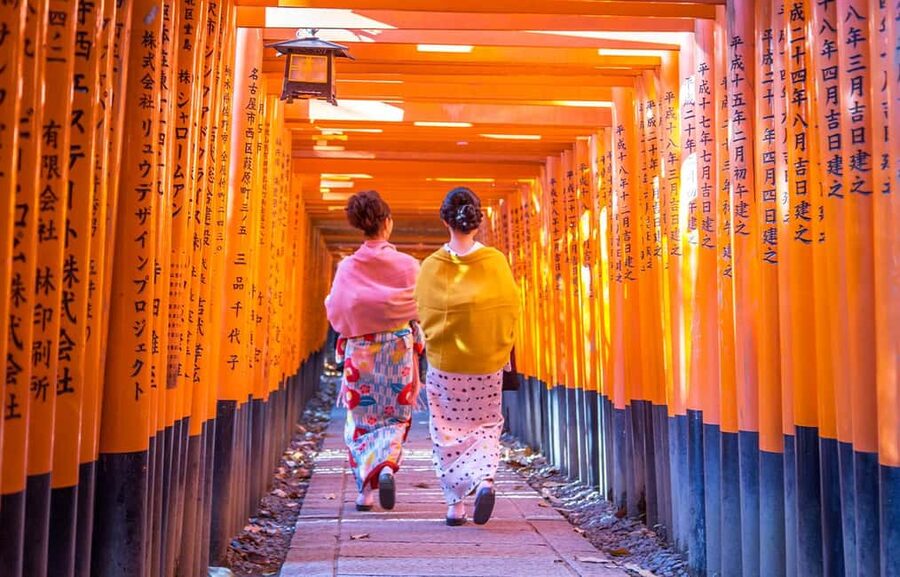
Fushimi Inari Taisha is the stop you’ll remember even if you forget everything else. You’ll get roughly 80 minutes here, including guided context and sightseeing time, which matters because the shrine is more than just a photo backdrop.
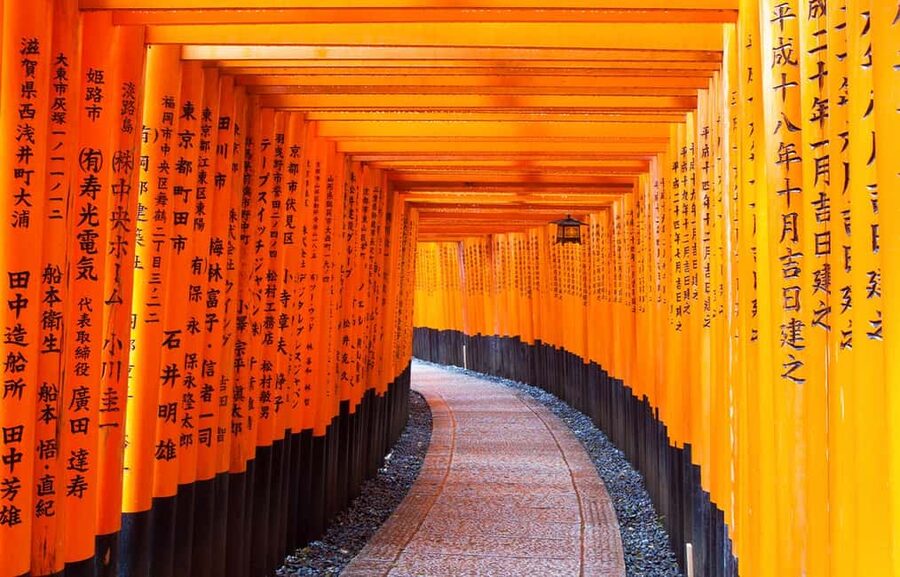
The core experience is walking through the red torii gates that climb toward Mount Inari. Even without going all the way up, you get that layered tunnel effect where gates keep appearing behind the next bend. It’s one of those places where you’ll feel like you’re walking into a scene.
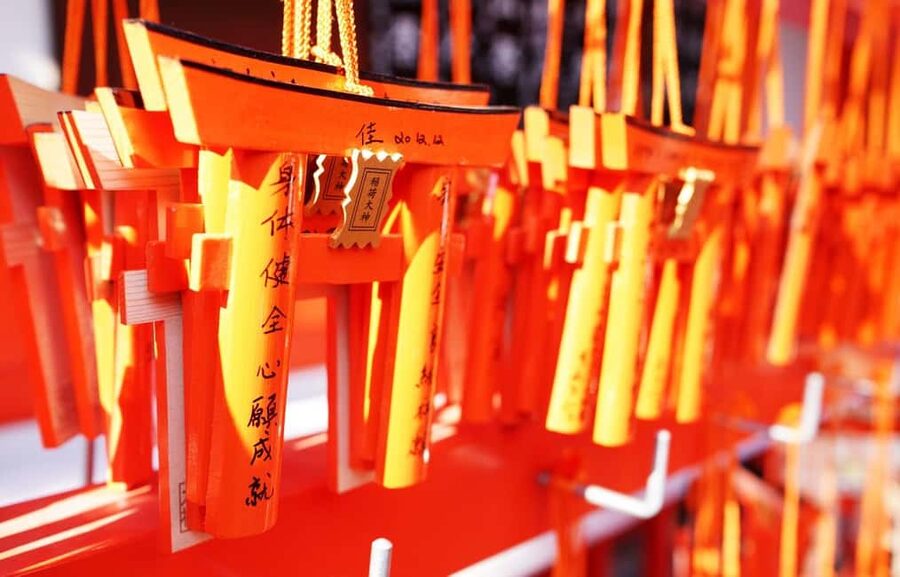
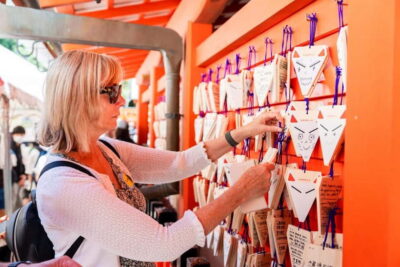
Don’t miss the small shrine rituals you’ll be guided toward: making a wish at the main shrine and drawing a fox-shaped ema (prayer plaque). If you want photos, this is also where a guide’s timing helps—because crowds build, and you want the cleanest angles.
The deer will still bow: more Nara days
Arashiyama: Temples, Trails, and a Bamboo Forest Moment
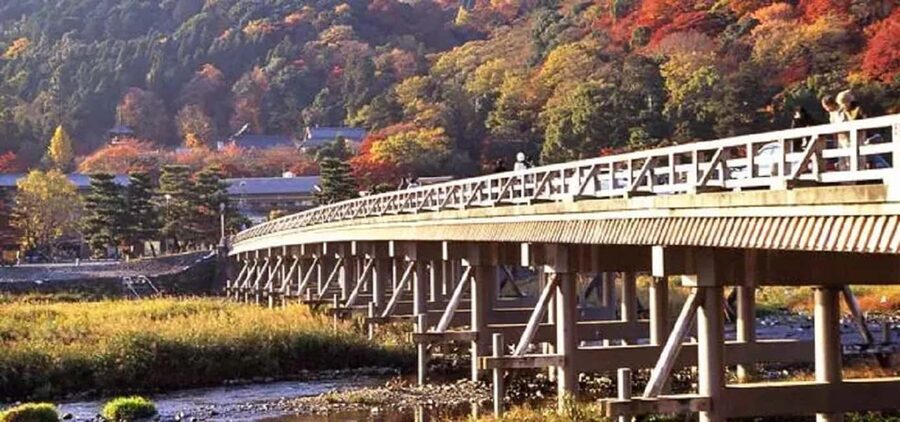
After the morning icons, Arashiyama brings a different pace. You’ll have around 2.5 hours, with time for photo stops and sightseeing, and then more targeted time for the bamboo grove.
Here’s what makes Arashiyama work: it’s not just one attraction. You can pair ancient temple atmosphere with nature walking, and the mood shifts by season. Think cherry blossoms in spring, lush greens in summer, maple colors in fall, and softer winter light when fewer people are outside.
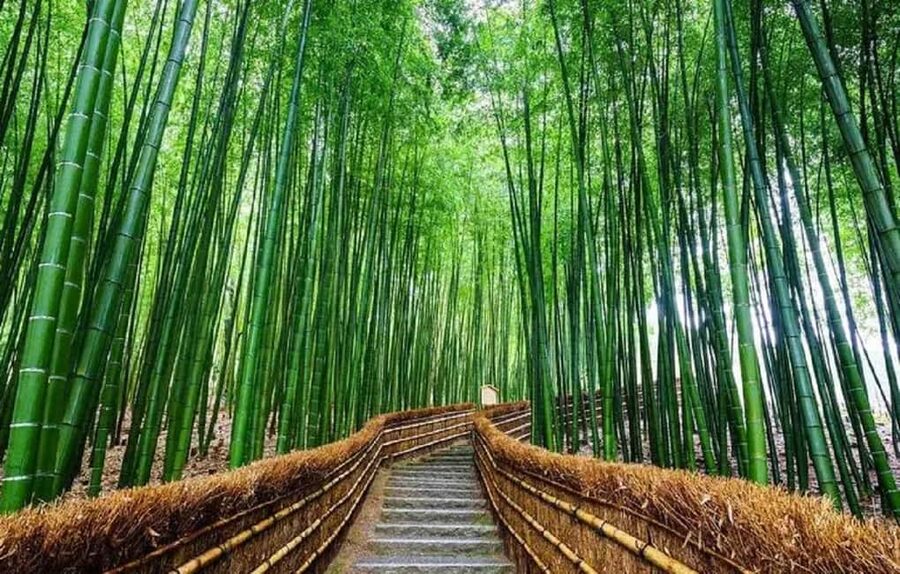
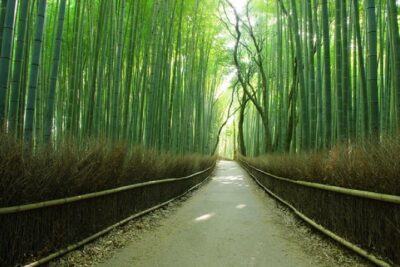
Then there’s the bamboo grove walk. You’ll get a dedicated stop for it, and it’s famous for a reason: tall stalks, strong shadows, and that quiet “sound of wind” feeling. If you’re the type who likes places that look different with every step, this is for you.
Torokko Saga Station, Footbath Recovery, and Kimono Forest Lights
Arashiyama isn’t just scenery—it’s also about getting your energy back before the ride home.
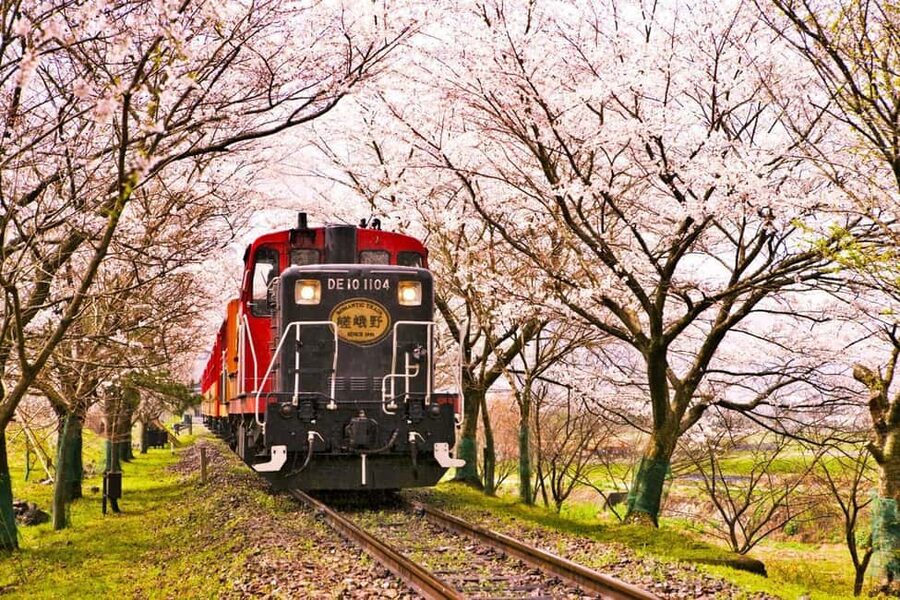
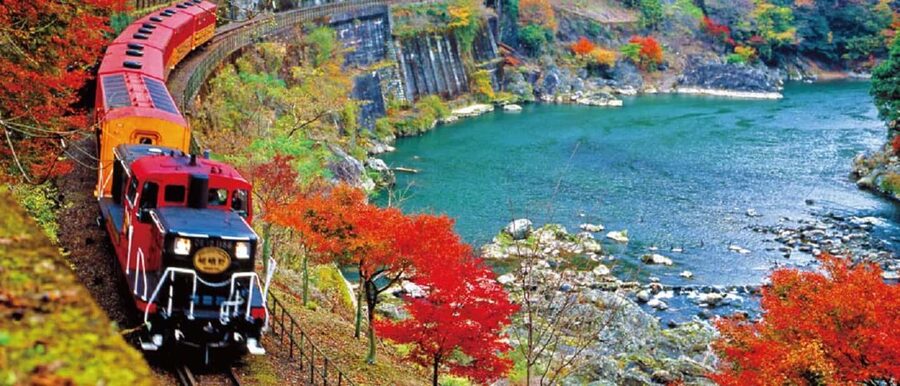
At Torokko Saga Station, you’ll have a photo stop and a panoramic train ride segment (about 25 minutes). This gives you a moving perspective on the area, and it’s a nice change from walking-only sightseeing.
Next, you’ll have free time tied to hot spring relaxation. The tour is set up so you can take a breather, and the day’s highlights specifically point to an Arashiyama Station footbath style rest. If your feet are already feeling it from Nara and the shrine walk, this is the practical win.
Then comes the late-day visual payoff: Kimono Forest, also called Yuzenn Light Poles. The display uses around 600 kimono-textile light pillars around Arashiyama Station, and it looks good in daylight or after dark. If you’ve been thinking, Where do we end the day?, this is the “finish strong” stop.
Time Budget: When the Day Feels Tight (and When It Doesn’t)
This tour is priced and designed for a 1-day hit list, not a slow travel day. That means a fair amount of walking, and it also means the schedule depends on real-world timing.
The tour plan does include defined sighting windows: about 1 hour for Nara Park, about 80 minutes at Fushimi Inari, and about 2.5 hours for Arashiyama area sightseeing, followed by specific stops for bamboo, station-area lights, and the train ride portion. On busy days, the guide may adjust stop order or durations based on conditions.
So here’s my advice: don’t schedule anything immediately after your return to Osaka. The day-trip timing can shift, and you’ll want slack for getting back to your hotel or subway station without sprinting.
Guides Matter: Yang and Jack Set the Tone
A big part of why this kind of day tour works is the guide. In this case, the guide experience seems consistently strong, with examples including Yang and Jack.
What stood out in their approach is practical help: pointing out where to meet, explaining what you’re seeing, and making it easy to get group photos. Yang was also noted for being patient and for small-talk friendly engagement, plus offering to take photos for the group. Jack was recognized for clear instructions and professional, organized guiding.
If you want the best day, arrive early and watch for the guide holding the yellow flag at the meeting point. When you’re on a shared tour with many groups around, being on time is how you avoid stress.
Price and Value: What $56 Covers (and What It Doesn’t)
At $56 per person, this is a budget-friendly way to do the Kyoto highlights from Osaka—if you’re okay with a structured day.
Here’s what you’re getting: round-trip transportation by air-conditioned bus, a multilingual tour guide, expressway tolls, vehicle fuel cost, and parking fees. A professional driver is included too. In other words, you’re paying for convenience and guided time, not just admission tickets.
What you’re not getting: meals and personal expenses. Food also isn’t allowed in the vehicle, so plan to grab snacks and drinks before boarding or during free time stops. Some optional add-ons also cost extra.
If your goal is saving time and simplifying navigation, the price feels fair. If you prefer total freedom to linger wherever you want, you may find the fixed schedule limiting.
Who This Tour Suits Best (And Who Should Skip)
This is a great fit for:
- First-timers in the Kyoto area who want the major hits in one day
- People who prefer guided structure over train transfers
- Travelers who like photo-ready stops like torii gates, deer scenes, and Arashiyama bamboo
It’s not a great fit for:
- Wheelchair users (it’s listed as not suitable)
- People with animal allergies, since Nara Park includes free-roaming deer
- Anyone who can’t handle walking for multiple stops in one day
Language-wise, you’ll be guided in English, Japanese, or Chinese, since the tour offers multilingual support.
Should You Book This Osaka-to-Kyoto Day Tour?
If you want a low-stress, high-coverage day—Nara deer, Fushimi Inari gates, and Arashiyama bamboo—this tour makes a lot of sense. The guides (noted examples: Yang and Jack) seem to bring clear instructions and friendly energy, and the day includes recovery time like hot spring/free time plus a footbath-style break and the Kimono Forest lights to end strong.
I’d skip it only if you hate walking, need full wheelchair access, or have concerns about animals at Nara. If you can handle a packed day and you want Kyoto highlights without working out routes yourself, this is a good value way to do it.
FAQ
Where do I meet the tour guide in Osaka?
Meet up is at 7:50AM and departure is at 8:00AM. Your meeting point is Nipponbashi Exit 2 in the Namba Shinsaibashi area, at 1-chōme-3-6 Nipponbashi, Chuo Ward, Osaka 542-0073. Look for the guide holding a yellow flag.
What languages are the tour guide services offered in?
The live tour guide is available in English, Japanese, and Chinese.
How long is the day tour?
The tour lasts 1 day.
What is included in the $56 price?
The price includes round-trip transportation by air-conditioned bus, a multilingual tour guide, expressway tolls, vehicle fuel cost, parking fees, and a professional driver.
What is not included in the tour?
Meals and personal expenses are not included, and optional activities are not included either.
Can I eat food in the bus?
No. Food is not allowed in the vehicle.
Is there a lot of walking during the day?
Yes. The tour involves a fair amount of walking, so you’ll want comfortable shoes and clothes.
Is the tour suitable for wheelchair users or people with animal allergies?
No. It is not suitable for wheelchair users, and it’s not suitable for people with animal allergies.
Do I need cash during the tour?
It’s a good idea to bring some cash, since credit cards may not be accepted at certain locations.
What about optional experiences like the Sagano Romantic Train?
Optional experiences such as the Sagano Romantic Train are listed as at your own expense.
What are the cancellation and payment flexibility terms?
You can cancel up to 24 hours in advance for a full refund, and you can reserve now and pay later (you pay nothing today).
More Tour Reviews in Osaka
- Osaka Go Karting Tour with Funny Costume★ 5.0 · 2,658 reviews
- Osaka Castle: Museum and Tower Entry Ticket★ 4.5 · 2,380 reviews
- Osaka: Shinsekai Food Tour with 13-15 Dishes at 5 Eateries★ 4.8 · 2,204 reviews
- Osaka Food Tour: 13 Dishes at 5 Local Eateries★ 5.0 · 2,149 reviews
- Hungry Osaka Street Food Tour:15 Tastings & 3 Drinks with a Local★ 5.0 · 1,727 reviews
A Day Among the Nara Deer
- Ancient Capital Tour: Kyoto and Nara Highlights from Kyoto/Osaka★ 4.5 · 332 reviews
- Kyoto and Nara Day Trip from Osaka★ 4.0 · 175 reviews
- Full Day Guided Tour to Kyoto and Nara from Osaka by Van★ 5.0 · 144 reviews
- Discover Himeji, Kobe and Nara from Osaka★ 5.0 · 101 reviews
- Kyoto & Nara Private customized tour with English speaking Guide★ 4.5 · 99 reviews
Kyoto, Just Up the Line
- Osaka/Kyoto: Hiroshima Miyajima Bus Tour & Shinkansen Ticket★ 4.7 · 919 reviews
- From Kyoto/Osaka: Kyoto Top Highlights 1-Day Guided Bus Tour★ 4.5 · 714 reviews
- Ancient Capital Tour: Kyoto and Nara Highlights from Kyoto/Osaka★ 4.5 · 332 reviews
- Osaka/Kyoto: Amanohashidate & Miyama Tour with Boat & Lunch★ 4.6 · 207 reviews
- Kyoto and Nara Day Trip from Osaka★ 4.0 · 175 reviews
The Newest Osaka Write-Ups
- Private Photoshoot in Osaka with a Professional Photographer
★ 5.0 · 3 reviews - Osaka Early Morning Osaka Castle Tour Avoid Crowds
★ 5.0 · 3 reviews - Nara Private Tour with Pick and Drop and English Speaking Driver
★ 3.5 · 3 reviews - Osaka: Modern Vegetarian Sushi Cooking Class
★ 5.0 · 3 reviews - Nara Day Trip from Osaka with a Licensed Guide
★ 5.0 · 3 reviews
Kyoto Day Trips from Osaka, compared.
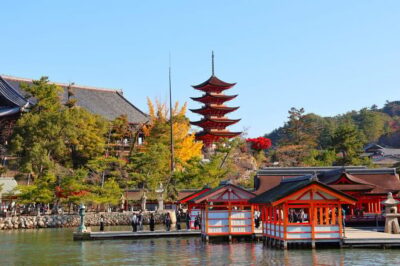 ★ 4.7Osaka/Kyoto: Hiroshima Miyajima Bus Tour & Shinkansen TicketFrom $277919 reviews
 ★ 4.5From Kyoto/Osaka: Kyoto Top Highlights 1-Day Guided Bus TourFrom $51714 reviews
 ★ 4.5Ancient Capital Tour: Kyoto and Nara Highlights from Kyoto/OsakaFrom $90332 reviews
 ★ 4.6Osaka/Kyoto: Amanohashidate & Miyama Tour with Boat & LunchFrom $71207 reviews
 ★ 4.0Kyoto and Nara Day Trip from OsakaFrom $198175 reviews
 ★ 4.5Sagano Romantic Train & Arashiyama, Kiyomizudera, Fushimi Inari Taisha Day TourFrom $82171 reviews
 ★ 5.0Full Day Guided Tour to Kyoto and Nara from Osaka by VanFrom $96144 reviews
 ★ 4.8Volleyball in Osaka, Kobe & Kyoto with locals!From $6131 reviews
Browse the lists this tour appears in