
Reviewed · KYOTO DAY TRIPS FROM OSAKA
Best of Kyoto and Nara Highlights Day Tour from Osaka (7~9 spots)
Kyoto and Nara in one packed day. I like how this tour covers iconic landmarks with a clear plan and minimal hassle getting around. You’ll also get a real guide (English and Korean) who helps you understand what you’re seeing, and even helps with practical stuff like group photos. The one thing to consider is the pace: 10 hours means you’ll have “just enough time” at each highlight, not long, slow wandering.
This is built for first-timers and busy schedules. You start at Tsurutontan Soemoncho at 8:00 AM and you’re back by about 6:00 PM, with the first destination reached around 9:00 AM. The good news: the group stays capped at 49, and the itinerary adjusts based on traffic and weather, since buses can’t run more than 10 hours in Japan.
In This Review
- Key highlights at a glance
- Osaka to Kyoto and Nara: The day’s rhythm (8:00–18:00)
- What the guides bring: patient explanations and real help
- Nara’s first wave: Kasuga Grand Shrine and Nara Park deer time
- Todai-ji and a quick panoramic view back behind Nara Park
- Route A (Mon/Wed/Fri): Uji stops and Fushimi Inari’s torii walk
- Byodoin Temple: the Phoenix Hall viewpoint moment
- Byodoin Omotesando: lunch on your own at Uji’s tea street
- Fushimi Inari Taisha: vermillion torii all the way up
- Route B (Tue/Thu/Sat): Arashiyama bamboo, Nonomiya Shrine, and Togetsukyo
- Arashiyama Bamboo Forest: the quick, magical walk
- Nonomiya Shrine: the quieter spiritual pause
- Togetsukyo Bridge: the Katsura River classic
- Nishiki Market or Maruyama Park in cherry season
- Kiyomizu-dera: the Kyoto view everyone talks about
- Price and value: what $55.17 really covers
- Timing tips that make this day feel easier
- Who should book this Kyoto and Nara highlights day tour
- Should you book it?
- FAQ
- What time does the tour start and end?
- Where do I meet the tour?
- How long is the tour?
- Are temple admission fees included?
- What destinations are covered?
- Is the itinerary the same every day?
- Will I get a mobile ticket?
Key highlights at a glance
- Two route options by day: Fushimi Inari + Uji (Mon/Wed/Fri) or Arashiyama bamboo (Tue/Thu/Sat)
- Nara’s big three in one run: Kasuga Grand Shrine, Nara Park, and Todai-ji with optional main hall entry
- Iconic Kyoto views: Kiyomizu-dera with the chance to see seasonal scenery from above
- Inari torii walking time: enough time to feel the pathway without rushing every step
- Arashiyama core photo spots: Bamboo Forest, Nonomiya Shrine, and Togetsukyo Bridge
- Small group energy: guides like Yuri, Min, and Soae Lee are specifically praised for patient explanations and helping with photos
Kyoto sits thirty minutes away, more ways there

Osaka to Kyoto and Nara: The day’s rhythm (8:00–18:00)
If you’re staying in Osaka, the biggest stress killer here is logistics. You don’t have to plan transfers, figure out which station to use, or decide how early to leave. You meet at Tsurutontan Soemoncho at 8:00 AM, and your day is structured so you’re not burning hours on the road.
This is also where the tour’s value shows. For $55.17 per person, you’re paying mainly for transportation plus an English (and Korean) guide, and that can be a better deal than piecing together separate train tickets and paid attractions—especially when your time is limited.
One practical note: the tour is about 10 hours approx.. That’s long enough to feel like a “real trip,” but short enough that you’ll want to treat each stop like a highlight reel. Bring comfortable shoes and expect “see it, understand it, move on.”
What the guides bring: patient explanations and real help

What makes this tour feel smooth isn’t just the route. It’s the guide.
In the feedback tied to this experience, guides such as Yuri, Min, and Soae Lee come up often. The common theme is how calmly they explain things at each location, especially when people ask questions or need a moment to catch up. If you’re traveling solo, that matters more than you’d think.
There’s also a specific kind of help that can be underrated until you need it: one guide, Min, is praised for stepping in to take photos for solo travelers so you’re not stuck finding strangers for every picture. Even if you’re with friends, this can save time and effort when you’re trying to capture the big moments.
Nara’s first wave: Kasuga Grand Shrine and Nara Park deer time
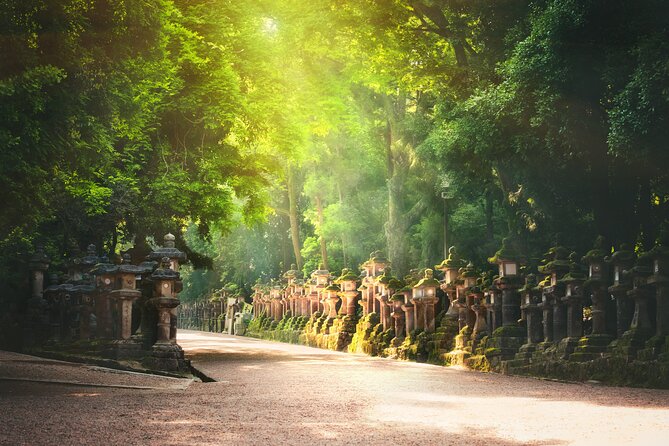
The day starts with Kasuga Grand Shrine, a Shinto shrine known for its many stone and bronze lanterns. You’ll spend about 30 minutes here, and admission is free. This is a smart first stop because it gives you a quick cultural “tone setter” before you jump into temple-heavy Kyoto later.
Kasuga works best if you slow down for a couple minutes. Look for how the lanterns create a repeating pattern as you move through the area. Even on a tight schedule, that visual rhythm helps you feel like you’re inside the setting—not just taking a quick photo and leaving.
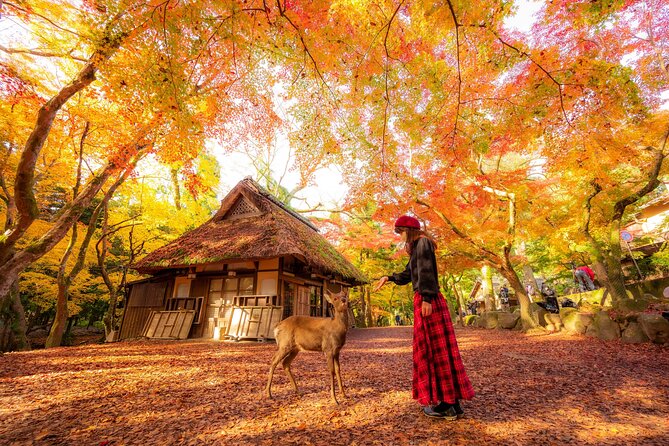
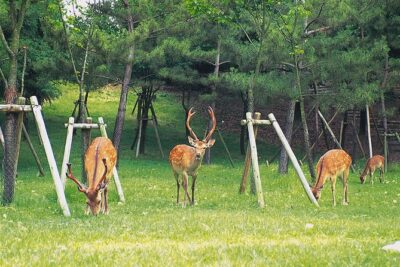
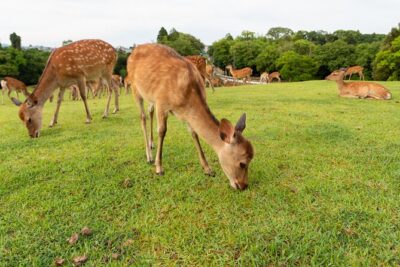
Next is Nara Park (also 30 minutes and admission free). This is one of Japan’s most recognizable green spaces, and yes, the famous part is the freely roaming deer. Your timing here is right for a casual walk and a breather before the bigger, more structured sites.
For Nara Park, I’d keep your expectations simple: it’s scenic and iconic, but it’s not a “stay all afternoon” kind of stop on this tour. Treat it as a reset and get your bearings for Todai-ji.
The deer will still bow: more Nara days
Todai-ji and a quick panoramic view back behind Nara Park
Your next highlight is Todai-ji Temple, famous for housing the Great Buddha inside a huge wooden hall. You’ll get about 30 minutes here, but note the main hall admission is not included. If you want to see inside the main hall area, there’s an optional ticket (listed as 800 yen).
This stop is one of the most awe-producing parts of the day, but only if you time your priorities. With only a half hour, I recommend doing this sequence: arrive → find the main hall area quickly → focus on the Great Buddha moment → then take your photos and move along.
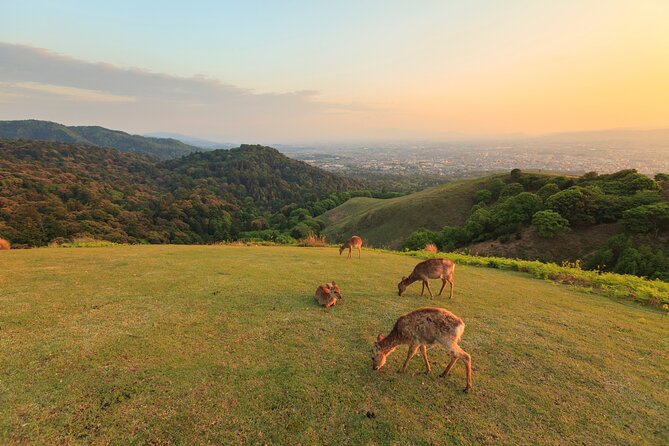
After Todai-ji, the itinerary includes a short “stretch your legs” view element tied to the Nara portion: a gentle grassy hill behind Nara Park (the tour calls it as a short hike-style view). The payoff is panoramic views over Nara City and major landmarks, including the great roof of Todai-ji. This is the kind of stop that feels small on paper but helps you understand the geography.
If you don’t want extra walking, you still get plenty from the main sites, but I’d personally treat this as your “bonus view” moment.
Route A (Mon/Wed/Fri): Uji stops and Fushimi Inari’s torii walk
On Mondays, Wednesdays, and Fridays, the tour runs the Kyoto & Nara + Fushimi Inari route. This variation is ideal if you want famous Kyoto vibes plus an extra dose of matcha culture.
Byodoin Temple: the Phoenix Hall viewpoint moment
You’ll visit Byodoin Temple for about 40 minutes. This is where the tour earns its repeat-photo reputation. Byodoin is known for the Phoenix Hall and for that widely recognized image associated with Japan’s 10-yen coin. You’ll also be able to see it reflecting over the pond, depending on how the view aligns at the time you’re there.
Main hall access here is optional and listed at 700 yen. If you’re trying to budget, decide before you arrive whether you want the extra interior viewing time. Either way, the exterior/passage perspective is part of the experience, but the optional entry is what turns it into the full “Phoenix Hall” moment.
Byodoin Omotesando: lunch on your own at Uji’s tea street
Then you head to Byodoin Omotesando, a traditional tea-house lined street. Expect about 50 minutes and the freedom to handle lunch at your own expense.
This is a good place to eat because it breaks up the “temple-to-temple” rhythm. Uji is especially known for matcha, and this is your window to try something without rushing. I’d come ready for a quick meal rather than expecting a long sit-down lunch.
Fushimi Inari Taisha: vermillion torii all the way up
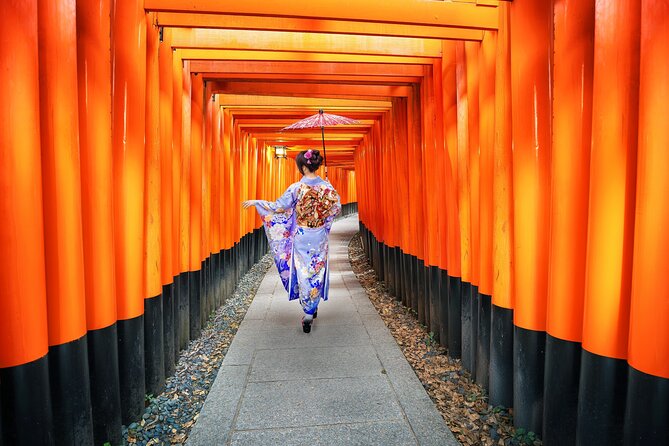
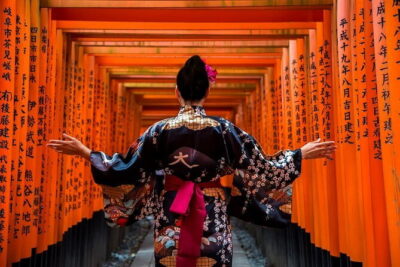
Finally on this route, you go to Fushimi Inari-taisha Shrine for about 50 minutes. This is the famous torii pathway where the gates climb Mount Inari in thousands of steps.
What I like about the timing is that it’s long enough for you to move beyond just the first photo area. The goal isn’t to “finish the entire climb” in one day. It’s to feel the rhythm of the torii as you walk, pause, and look back.
You’ll likely want a light plan: walk far enough to feel you’re truly inside the torii tunnel, then turn around while you still have energy for your next major Kyoto site.
Route B (Tue/Thu/Sat): Arashiyama bamboo, Nonomiya Shrine, and Togetsukyo
On Tuesdays, Thursdays, and Saturdays, you’ll get the Kyoto & Nara + Arashiyama route. This is the one to pick if you want that forest mood and some classic Kyoto scenery without needing extra museum time.
Arashiyama Bamboo Forest: the quick, magical walk
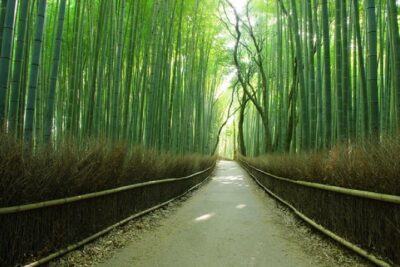
You’ll visit the Arashiyama Bamboo Forest for about 25 minutes. Admission is free. Even with limited time, this spot has a strong sense of atmosphere because of the towering stalks and the way light filters through the canopy.
If you’re a photo person, treat it like a photo session with purpose. Walk forward, pause at a viewpoint angle, take a few shots, and don’t get stuck waiting for the perfect crowd-free moment. On a day tour, the group movement matters.
Nonomiya Shrine: the quieter spiritual pause
Next is Nonomiya Shrine (about 30 minutes, free). This is a smaller, calmer stop tucked near the bamboo grove, with a history noted as more than a thousand years.
The value here is contrast. After the crowd magnet of bamboo, this gives you a slower feeling moment and a different texture of Kyoto. If you’re feeling rushed elsewhere, this is where you’ll likely exhale.
Togetsukyo Bridge: the Katsura River classic
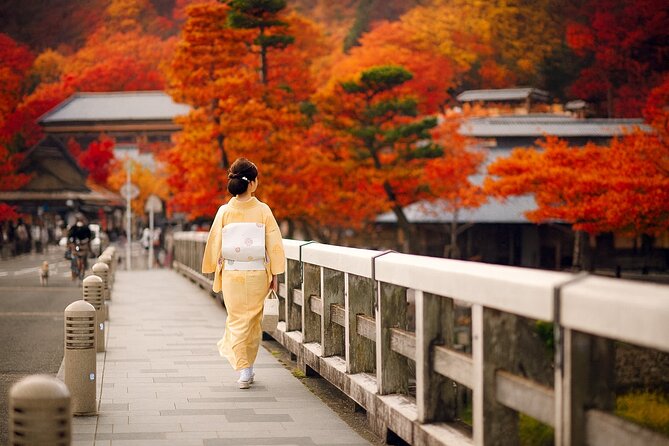
Then you reach Togetsukyo Bridge for about 25 minutes. This is the “Moon Crossing Bridge” over the Katsura River and is a major landmark in the Arashiyama area. The tour notes it was originally built in the Heian period and later reconstructed.
The bridge is a great “wrap-up” photo spot. You get the wide view and the river setting, and it’s also a good place to organize your day mentally before you head back into city energy.
Nishiki Market or Maruyama Park in cherry season
After Arashiyama, you’ll visit Nishiki Market Shopping District for about 1 hour. It’s known as Kyoto’s Kitchen, with many stalls selling snacks and local specialties.
Important seasonal adjustment: during the cherry blossom season, Nishiki Market is replaced by Maruyama Park, and the order of stops is adjusted. So if you’re traveling in spring, expect a slight re-shuffle, and be open to the park as the “food-and-walk” alternative.
Kiyomizu-dera: the Kyoto view everyone talks about
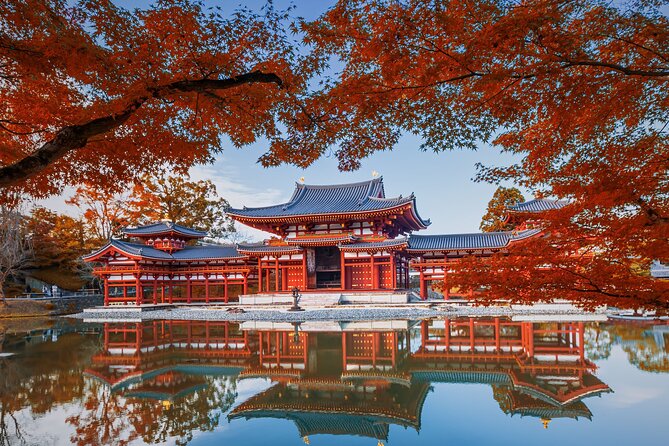
Whether you take Route A or Route B, you end with Kiyomizu-dera Temple.
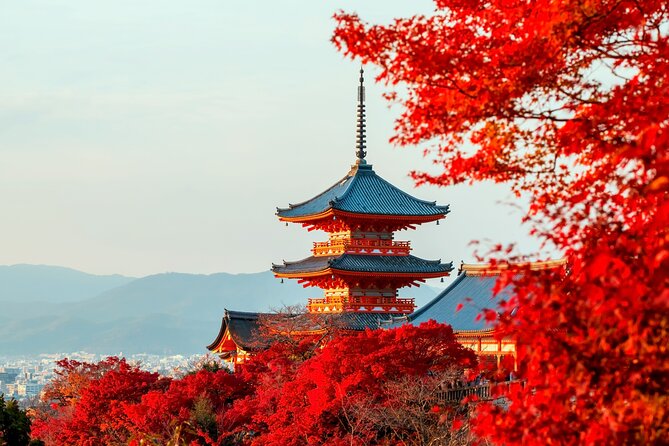
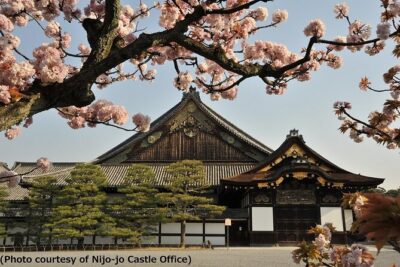
You’ll spend about 1 hour 20 minutes here, and it’s a UNESCO World Heritage site. The big draw is the temple’s grand stage and the panoramic views over Kyoto. The tour also specifically points out seasonal beauty, including cherry blossoms in spring and vibrant maple leaves in autumn.
The main hall admission is not included, and the optional ticket is listed as 500 yen. If you want the full “stand on the stage and take in the perspective” experience, it’s worth considering. If you’re budgeting, you can still get plenty from the surrounding areas, but you’ll need to decide what matters most: the view alone or the complete access.
With 1 hour 20 minutes, you’re not racing. Still, I’d aim to plan around the stairs and crowds. Wear something you can move in, and give yourself time to sit for a minute with your eyes up, not only through your camera.
Price and value: what $55.17 really covers
Let’s talk money in a way that helps you plan.
At $55.17 per person, you’re getting:
- Transportation for the whole day
- An English & Korean speaking guide
- The core visits listed across Nara and Kyoto highlights
- A mobile ticket
Meals are not included, and there are optional admissions for major hall areas:
- Todai-ji main hall: 800 yen
- Byodoin Temple main hall: 700 yen
- Kiyomizu-dera main hall: 500 yen
So the real budget question is simple: will you pay those optional entrances? If yes, your yen spending goes up, but you also get access to the main moments behind the iconic names.
The lunch part is similarly flexible. On the Uji portion, you’ll have a lunch window on your own at Byodoin Omotesando. That’s helpful because you can choose what fits your taste and appetite.
Bottom line: this tour is a good value if you want highlights without spending extra time planning trains and transfers. It’s less ideal if you want long, unhurried stays in only one or two places, because the structure is designed for coverage.
Timing tips that make this day feel easier
You’ll be happier on this tour if you plan for the “day tour reality,” meaning movement and waiting.
Here’s what I’d do:
- Start hydrated. You’ll begin early and it’s a long day.
- Wear shoes you’re comfortable walking in for multiple short bursts.
- Bring a small amount of cash for optional admissions and snacks.
- Keep your phone charged. You’ll want photos at Kasuga lanterns, the torii path, and Kiyomizu-dera views.
- If you have a stroller, tell the operator ahead of time so the plan can fit.
Also, remember that itinerary order can shift with traffic and weather, and time at stops can change by season. That’s normal. The best move is to stay flexible and treat the guide’s plan as the anchor.
Who should book this Kyoto and Nara highlights day tour
This is a strong fit if:
- You’re staying in Osaka and want a full day in Kyoto + Nara without extra planning
- You’re a first-timer who wants the headline sites like Fushimi Inari or Arashiyama Bamboo plus big temples
- You like guided explanations and want help getting meaning out of the sights
- You appreciate a group size that stays capped at 49 and (often) feels more intimate in practice
It might not fit if:
- You hate tight schedules
- You want deep time at only one area (like only Arashiyama, for example)
- You’re counting on every stop having included entry into major halls (optional tickets are a factor)
And one more note: the tour is labeled as having maximum participation for most travelers. If you’re traveling with a stroller, it’s specifically something you’re asked to mention in advance.
Should you book it?
Yes, if your goal is a well-guided, high-impact day that hits the famous Kyoto and Nara moments you’ll remember later. This tour works because it bundles transport and an explanation-driven itinerary, and the guide quality is a clear theme, including patient explanations and practical help with photos.
I’d book it particularly if you like having decisions taken off your plate: you get structured time at Kasuga Grand Shrine, Nara Park, Todai-ji, and then you choose between Fushimi Inari + Uji or Arashiyama bamboo + Nishiki/Maruyama. You’re still free to buy lunch and handle optional admissions, but you’re not doing all the planning yourself.
If you’re the type who gets cranky when time is short, you might prefer slower, point-to-point exploring. But if you want big highlights with a plan—and you’re okay with “enough time” rather than “forever”—this is a very sensible day trip.
FAQ
What time does the tour start and end?
The tour starts at 8:00 AM and returns to the meeting point around 6:00 PM. The first destination is reached at about 9:00 AM.
Where do I meet the tour?
The meeting point is Tsurutontan Soemoncho.
How long is the tour?
The duration is about 10 hours.
Are temple admission fees included?
Optional main hall admissions are not included. The tour lists: Byodoin Temple (700 yen), Kiyomizu-dera Temple (500 yen), and Todai-ji Temple (800 yen).
What destinations are covered?
The tour includes Nara stops like Kasuga Grand Shrine, Nara Park, and Todai-ji Temple, plus Kyoto highlights. Which Kyoto route you get depends on the day.
Is the itinerary the same every day?
No. There are two route options: Fushimi Inari + Uji on Mon/Wed/Fri, and Arashiyama on Tue/Thu/Sat. The order can also adjust for weather and traffic.
Will I get a mobile ticket?
Yes, you receive a mobile ticket.
More Tour Reviews in Osaka
- Osaka Go Karting Tour with Funny Costume★ 5.0 · 2,658 reviews
- Osaka Castle: Museum and Tower Entry Ticket★ 4.5 · 2,380 reviews
- Osaka: Shinsekai Food Tour with 13-15 Dishes at 5 Eateries★ 4.8 · 2,204 reviews
- Osaka Food Tour: 13 Dishes at 5 Local Eateries★ 5.0 · 2,149 reviews
- Hungry Osaka Street Food Tour:15 Tastings & 3 Drinks with a Local★ 5.0 · 1,727 reviews
A Day Among the Nara Deer
- Ancient Capital Tour: Kyoto and Nara Highlights from Kyoto/Osaka★ 4.5 · 332 reviews
- Kyoto and Nara Day Trip from Osaka★ 4.0 · 175 reviews
- Full Day Guided Tour to Kyoto and Nara from Osaka by Van★ 5.0 · 144 reviews
- Discover Himeji, Kobe and Nara from Osaka★ 5.0 · 101 reviews
- Kyoto & Nara Private customized tour with English speaking Guide★ 4.5 · 99 reviews
Kyoto, Just Up the Line
- Osaka/Kyoto: Hiroshima Miyajima Bus Tour & Shinkansen Ticket★ 4.7 · 919 reviews
- From Kyoto/Osaka: Kyoto Top Highlights 1-Day Guided Bus Tour★ 4.5 · 714 reviews
- Ancient Capital Tour: Kyoto and Nara Highlights from Kyoto/Osaka★ 4.5 · 332 reviews
- Osaka/Kyoto: Amanohashidate & Miyama Tour with Boat & Lunch★ 4.6 · 207 reviews
- Kyoto and Nara Day Trip from Osaka★ 4.0 · 175 reviews
The Newest Osaka Write-Ups
- Private Photoshoot in Osaka with a Professional Photographer
★ 5.0 · 3 reviews - Osaka Early Morning Osaka Castle Tour Avoid Crowds
★ 5.0 · 3 reviews - Nara Private Tour with Pick and Drop and English Speaking Driver
★ 3.5 · 3 reviews - Osaka: Modern Vegetarian Sushi Cooking Class
★ 5.0 · 3 reviews - Nara Day Trip from Osaka with a Licensed Guide
★ 5.0 · 3 reviews
Kyoto Day Trips from Osaka, compared.
 ★ 4.7Osaka/Kyoto: Hiroshima Miyajima Bus Tour & Shinkansen TicketFrom $277919 reviews
 ★ 4.5From Kyoto/Osaka: Kyoto Top Highlights 1-Day Guided Bus TourFrom $51714 reviews
 ★ 4.5Ancient Capital Tour: Kyoto and Nara Highlights from Kyoto/OsakaFrom $90332 reviews
 ★ 4.6Osaka/Kyoto: Amanohashidate & Miyama Tour with Boat & LunchFrom $71207 reviews
 ★ 4.0Kyoto and Nara Day Trip from OsakaFrom $198175 reviews
 ★ 4.5Sagano Romantic Train & Arashiyama, Kiyomizudera, Fushimi Inari Taisha Day TourFrom $82171 reviews
 ★ 5.0Full Day Guided Tour to Kyoto and Nara from Osaka by VanFrom $96144 reviews
 ★ 4.8Volleyball in Osaka, Kobe & Kyoto with locals!From $6131 reviews
Browse the lists this tour appears in