
Reviewed · OSAKA
2-Day Bus Tour to Shirakawago & Hida No Sato Winter Illumination
Winter lights in Gifu feel like magic, and this 2-day bus route strings together Hida no Sato illumination and UNESCO Shirakawa-go in one efficient plan. Between snow-dusted streets, glowing village scenes, and time to soak your legs after a cold day, it’s built for winter travel.
I especially like the hands-on meal moment plus the comfort stops. You get a sushi-making lunch in Sekigahara, and you also finish Day 1 with a hotel stay that includes a rooftop open-air hot spring with Alps views.
One consideration: the schedule is tight, and the big night event is about 45 minutes, so dress warm and don’t count on lingering for hours.
In This Review
- Key things that make this tour worth your time
- Winter Gifu: why this route works so well
- Day 1: Osaka to Shirakawa-go, then Hida no Sato lights
- Sekigahara-cho lunch and Omi beef sushi-making (a real activity)
- Shirakawa-go in winter: Gassho Zukuri Village
- Hida no Sato light-up festival: night walking with a glow focus
- Arrive at the Takayama-area hotel and unwind
- Day 2: Takayama’s morning market, Jinya, and old-town streets
- Takayama Jinya: Edo-era official buildings
- Sanmachi Suji old town: walking time plus lunch on your own
- Hida Bussankan: souvenirs with a focused local angle
- What you’re really paying for at $318.68
- Guide and driver: the difference between a trip and an experience
- Small schedule realities (so you’re not surprised)
- Who should book this winter illumination bus tour
- Should you book this 2-Day Shirakawa-go & Hida illumination tour?
- FAQ
- What’s included in the tour price?
- Is lunch included on Day 2?
- What meals are not included?
- Where do we meet in Osaka?
- How long is the bus ride from Osaka to the Gifu area?
- Are the winter illumination and Takayama Jinya tickets included?
- How much time do you get in Shirakawa-go?
- How much time do you get at Hida no Sato?
- Does the hotel include breakfast and a hot spring?
- What if the weather is poor?
Key things that make this tour worth your time
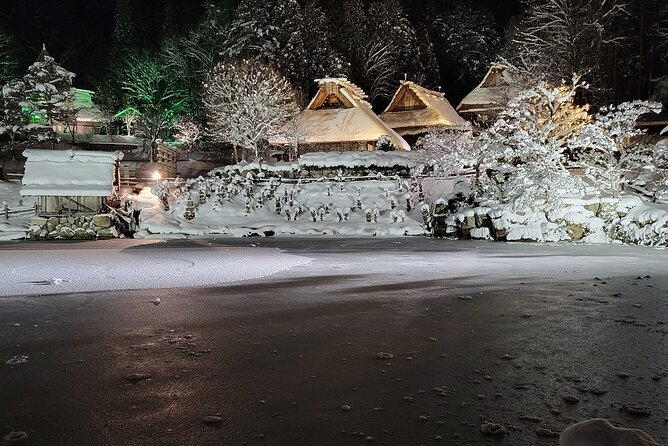
- Hida no Sato illumination: a dedicated stop for winter light-up magic at night
- Shirakawa-go in winter: UNESCO village scenery with distinctive thatched-roof houses
- Omi beef sushi-making lunch: a short, fun cooking lesson instead of a quick pass-through
- Rooftop open-air onsen at the hotel: Alps views to warm up after sightseeing
- Takayama morning market + old town strolling: classic morning finds and then time to wander
- Licensed guide support: the day runs smoothly, with help when small problems pop up
Put this one next to a few other Osaka options first:

Winter Gifu: why this route works so well
This is one of those winter Japan trips that feels efficient without feeling rushed into silence. You start in Osaka, then move into Gifu Prefecture for two iconic areas—Shirakawa-go and Takayama—with evening lights as the centerpiece.
The best part is how the tour balances “see it fast” sightseeing with “slow down” comfort. You get warm breaks, a proper hotel night, and a food experience that gives you something more than photos.
And yes, this is built for winter conditions. Expect cold air, short daylight, and the kind of winter light that turns streets and roofs into something extra.
Day 1: Osaka to Shirakawa-go, then Hida no Sato lights
Your day starts with a morning departure from Osaka. Meet at the Mainichi News Paper Building in Umeda (3-chōme-4-5), and plan to arrive about 15 minutes early—departure is 8:30 am.
Then you transfer by bus toward Gifu Prefecture. The ride is about 2.5 hours, so it’s a good time to settle in, snack if you need to, and get ready for the scenery shift as the countryside takes over.
Sekigahara-cho lunch and Omi beef sushi-making (a real activity)
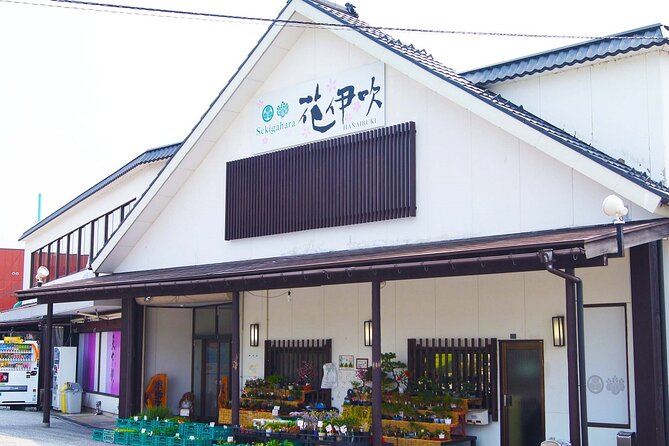
Lunch-time stops at Sekigahara Hanaibuki, where you don’t just eat—you make. The highlight here is the sushi-making experience, including a hands-on method and a meal that’s part of the tour package.
This is a good fit for people who hate feeling like tours are only “stand, look, repeat.” It also adds variety, since your other Day 1 stops are mostly walking and photo time.
Practical tip: dress in layers you can move in. You’ll likely be standing and learning, so comfortable winter clothing beats a perfect outfit.
Put this one next to a few other Osaka options first:
Shirakawa-go in winter: Gassho Zukuri Village
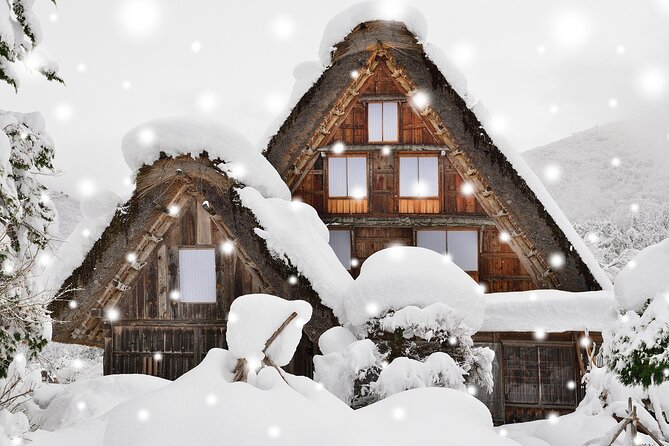
Next comes the big-name scenery: Shirakawa-go. You’ll step into the Gassho Zukuri Village, a UNESCO World Heritage Site known for the thatched-roof houses shaped like hands held together in prayer.
In winter, the village tends to feel quieter and more “set apart.” You’ll want a mix of wide shots and close details, because the texture of the roofs and the snow-light effect is what makes this place memorable.
Timing matters here. You’ll have about 1 hour 30 minutes, which is enough to cover the main areas without needing to speed-run every side lane.
Hida no Sato light-up festival: night walking with a glow focus
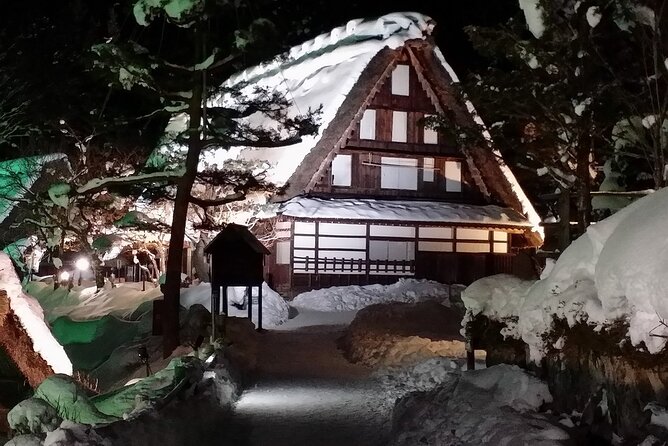
As night falls, the tour heads to Hida no Sato for the light-up event. This is a contrast stop: daytime villages and old-town streets turn into a luminous scene where shadows and light play together.
You’ll spend about 45 minutes here. That’s not long, but it’s enough to walk, look around, and take photos while the atmosphere is at its best.
Practical tip: bring warm gloves if you take photos. Your hands feel it first in winter night air, and you’ll want them steady for quick camera adjustments.
Arrive at the Takayama-area hotel and unwind
You reach the hotel around 19:15. The stop includes a relaxing setup with dinner-style kaiseki mention and a hot spring experience, and the hotel is about a 5-minute walk from JR Takayama Station.
Just keep expectations clear on meal inclusion. The tour notes say lunch is included and dinner is not included, so if you’re budgeting carefully, double-check what your specific package covers at the hotel.
After a day of cold-weather walking, the rooftop open-air onsen with views of the Alps is exactly the kind of payoff that makes the long travel day feel worth it.
Day 2: Takayama’s morning market, Jinya, and old-town streets
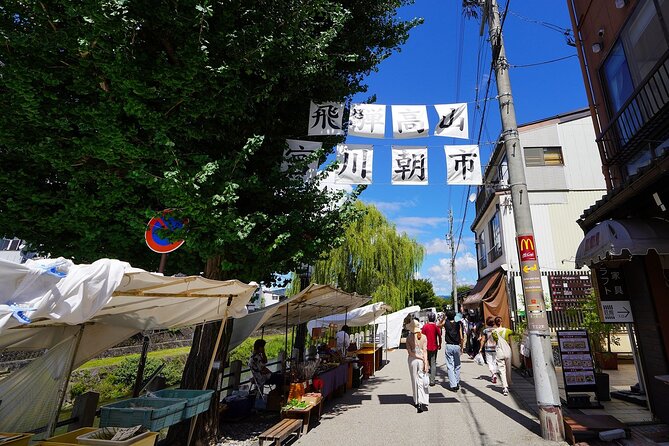
Day 2 starts with a departure at 9:00 am from the hotel. First stop is the Miyagawa morning market, where you stroll on foot for about 1 hour 15 minutes.
This is where you pick up small, practical souvenirs and local snacks. If you want the “real Takayama feel,” it’s usually strongest in the morning when shops and stalls are in motion.
Takayama Jinya: Edo-era official buildings
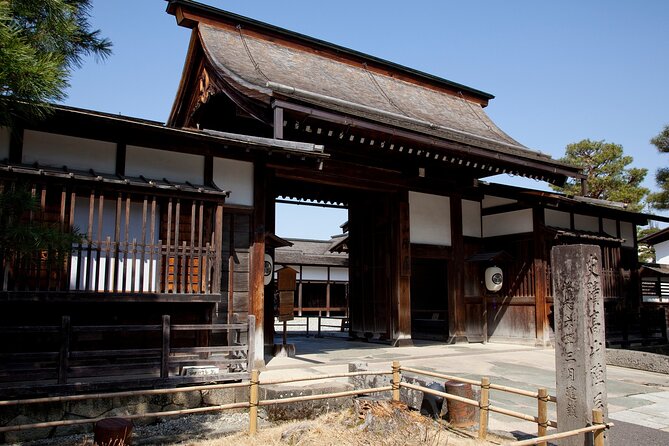
Next you visit Takayama Jinya, the provincial governor and magistrate’s office site where the main building still exists. You’ll have about 30 minutes, and the admission is included.
Even if you’re not a museum person, this kind of stop helps you understand the town beyond the postcard version. The building gives you a sense of how regional authority worked in the Edo period.
Practical tip: take a moment to slow down in the doorway areas. Winter light can make wooden interiors feel especially calm.
Sanmachi Suji old town: walking time plus lunch on your own
Then it’s Sanmachi Suji, Takayama’s old streets. You’ll have about 2 hours of strolling time, and lunch is on your own here.
This segment is for wandering without a strict checklist. You’ll see preserved streets and traditional storefronts, and the winter atmosphere tends to make the historic layout feel more “lived-in” than on a busy day.
Bring a plan for lunch that fits winter. If you’re cold, pick somewhere warm quickly rather than trying to win the “best option” contest with limited time.
Hida Bussankan: souvenirs with a focused local angle
Finally, you visit Hida Bussankan, a shop-and-museum type stop with quality products. You’ll have about 50 minutes, and it’s ideal for grabbing gifts that actually connect to the region.
This is a smart last stop because you can match souvenirs to what you’ve already seen. By now you’ve walked the old town, heard about the region, and shopped your way through the market, so the choices feel more intentional.
After the final stop, the tour returns you back to Osaka at the end of the experience.
What you’re really paying for at $318.68
At $318.68 per person, this tour isn’t just paying for seats on a bus. You’re paying for a package that includes transportation by air-conditioned vehicle, bottled water each day, a licensed guide, accommodation for one night, and multiple admissions.
You’re also paying for convenience in winter. Getting to Shirakawa-go and then continuing to Takayama in a tight winter window is where independent planning often gets annoying fast—buses, timing, and daylight are all working against you.
Value check: this price becomes more reasonable when you add up included items like the light-up admission and Takayama Jinya entry, plus the meals that are specified as included. The biggest “cost” you’ll still control is what you choose for lunch on Day 2 and dinner on both nights.
And yes, group size affects the feeling of the trip. This tour has a maximum of 40 travelers, which usually helps keep things from turning into a stampede.
In at least one run described, the group was small enough for a mini bus setup that felt roomy. Even if you don’t get that exact scenario, the overall structure is designed to keep the pacing manageable.
Guide and driver: the difference between a trip and an experience
If there’s one recurring theme with this kind of tour, it’s whether the guide keeps things smooth. Here, the focus is on friendliness and attention to the details, not just reading a script.
You may see guide names like Sir Julien or Tamy attached to this tour on certain dates. Both are the type who make sure the day stays understandable—when to be ready, where to stand, and how to handle small problems without stress.
A good driver matters too. Winter roads can make delays feel tense, and an on-time, careful driver reduces that stress. The vehicle also tends to feel comfortable, especially when the group runs on the smaller side.
Bottom line: if you want winter sightseeing without constantly thinking about logistics, this is where the guide earns their keep.
Small schedule realities (so you’re not surprised)
This tour is efficient, but it’s still sightseeing in winter. That means you should plan for cold waits at transfers and quick walking windows inside each stop.
The most “tight” moment is the night event—about 45 minutes at Hida no Sato. If your goal is long, slow drifting photos, this portion may feel short. If your goal is to see the lights and still enjoy dinner and warm-up time, it’s a good balance.
Also, Day 2 includes several planned segments with walking time, but lunch is not included. Bring a plan for where you want to eat in the old town area so you don’t end up freezing while deciding.
Who should book this winter illumination bus tour
This works especially well for:
- First-timers to Shirakawa-go and Takayama
- People who want winter scenery plus a warm onsen hotel night
- Anyone who prefers guided timing over figuring out transfers in winter
- Couples, solo travelers, and families who like a clear day structure
If you hate group travel, you might still find this okay because the stops are mostly walking and the schedule isn’t built around long, boring sit-down segments. Still, it is a shared format, capped at 40 people.
Should you book this 2-Day Shirakawa-go & Hida illumination tour?
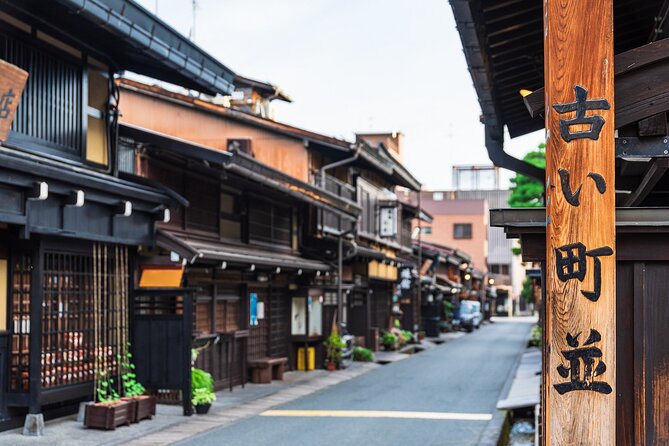
I’d book it if you want an organized winter highlight trip without the stress of planning transport, timing, and tickets. The combination of Shirakawa-go winter atmosphere, Hida no Sato illumination, and a hotel onsen payoff makes it feel like a true winter Japan sampler.
I’d think twice if your top priority is slow, lengthy time in one place. The night lights stop is meaningful, but it’s not long, and winter walking can be tiring if you’re dressed for convenience rather than warmth.
If your goal is a well-paced winter circuit with comfort built in, this is a strong choice.
FAQ
What’s included in the tour price?
The tour includes lunch, breakfast (at the accommodation), air-conditioned vehicle transportation, bottled water each day, accommodation for one night, admission fees for the Hida no Sato light-up festival and Takayama Jinya, plus a licensed tour guide.
Is lunch included on Day 2?
No. Lunch on Day 2 is not included, so you’ll need to plan your own meal during the Sanmachi Suji old-town time.
What meals are not included?
Dinner on Day 1 and dinner on Day 2 are listed as not included.
Where do we meet in Osaka?
You meet in front of the Mainichi News Paper Building (3-chōme-4-5 Umeda, Kita Ward, Osaka, 530-0001) at 8:30 am, and you should arrive about 15 minutes early.
How long is the bus ride from Osaka to the Gifu area?
The transfer from Osaka to Gifu Prefecture takes around 2 hours 30 minutes by tour bus.
Are the winter illumination and Takayama Jinya tickets included?
Yes. The tour includes the admission fee for the Hida no Sato light-up festival and the admission fee for Takayama Jinya.
How much time do you get in Shirakawa-go?
You’ll have about 1 hour 30 minutes at Shirakawa-go.
How much time do you get at Hida no Sato?
You’ll have about 45 minutes at Hida no Sato for the light-up event.
Does the hotel include breakfast and a hot spring?
Breakfast is included, and the hotel experience described includes access to a hot spring (with a rooftop open-air setup mentioned).
What if the weather is poor?
The tour requires good weather. If it’s canceled due to poor weather, you’ll be offered a different date or receive a full refund.
More 2-Day Experiences in Osaka
- Osaka-Nara: 2-Day Discovery Pass★ 3.1 · 10 reviews
More Winter Activities in Osaka
- Play with Snow Crab Buffet Lunch and Strawberry Picking Bus Tour★ 5.0 · 88 reviews
More Tour Reviews in Osaka
- Osaka Go Karting Tour with Funny Costume★ 5.0 · 2,658 reviews
- Osaka Castle: Museum and Tower Entry Ticket★ 4.5 · 2,380 reviews
- Osaka: Shinsekai Food Tour with 13-15 Dishes at 5 Eateries★ 4.8 · 2,204 reviews
- Osaka Food Tour: 13 Dishes at 5 Local Eateries★ 5.0 · 2,149 reviews
- Hungry Osaka Street Food Tour:15 Tastings & 3 Drinks with a Local★ 5.0 · 1,727 reviews
The Newest Osaka Write-Ups
- Private Photoshoot in Osaka with a Professional Photographer
★ 5.0 · 3 reviews - Osaka Early Morning Osaka Castle Tour Avoid Crowds
★ 5.0 · 3 reviews - Nara Private Tour with Pick and Drop and English Speaking Driver
★ 3.5 · 3 reviews - Osaka: Modern Vegetarian Sushi Cooking Class
★ 5.0 · 3 reviews - Nara Day Trip from Osaka with a Licensed Guide
★ 5.0 · 3 reviews