
Reviewed · OSAKA SUMO EXPERIENCES
Sumo Tournament Experience in Osaka
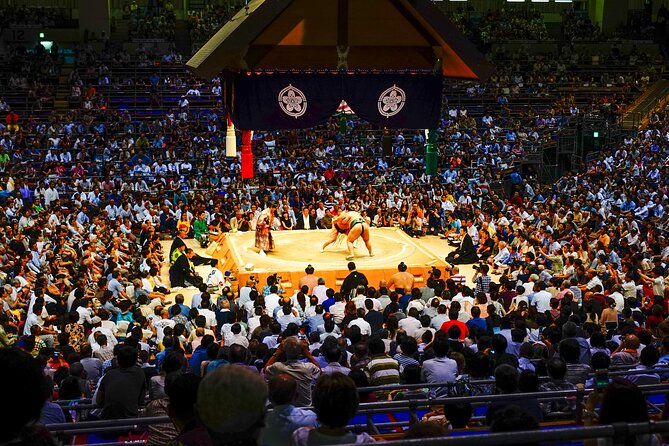
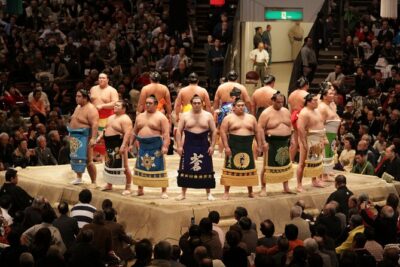
Sumo hits different when you’re in the ring. This Osaka experience is timed for the March Grand Sumo Tournament, so you get a real, once-a-year chance to see Japan’s top wrestlers in action while an English-speaking sumo expert helps you understand the rituals. I especially love the reserved seat categories (from D to front-row options), and I like that you get an audio headset so explanations stay clear even when the arena is loud. One thing to consider: there’s no hotel pick-up or drop-off, so you’ll need to get yourself to EDION Arena Osaka on time.
What makes it worth your attention is how the event is treated as more than a show. You’ll learn about how sumo works as a disciplined tradition, including ritual moments like salt purification, and you’ll be there for the pre-bout energy—cheering and seeing well-known wrestlers enter the stadium for their matches.
In This Review
- Key highlights to know before you go
- Why Osaka’s March sumo tournament is worth your limited time
- Getting to EDION Arena Osaka by 2:00 pm (and why timing matters)
- The pre-bout portion: salt rituals, rankings, and audio headsets
- Reserved seats at EDION Arena Osaka: D, B/C, or A/S
- Seeing wrestlers enter—and cheering with the flow of the crowd
- About the Sumo Museum area and arena logistics
- Optional chanko nabe dinner: what it is and how to order
- Price and value: what $142.40 really buys you
- Who this tour fits best (and who should think twice)
- Should you book the Sumo Tournament Experience in Osaka?
- FAQ
- When does the sumo tournament in Osaka happen?
- What time does the tour start, and where do I meet?
- Is an admission ticket included?
- What seating options are available?
- Do I get an audio headset and an English guide?
- Is dinner included, and can I choose chanko or sukiyaki?
- What is the cancellation policy?
Key highlights to know before you go
- Official March basho in Osaka: This is the annual tournament opportunity, not a scaled-down performance.
- Reserved viewing, with seat upgrades: Choose D, B/C, or front A/S options for different sightlines.
- English guidance plus audio headset: You’ll get context without straining to hear over the crowd.
- Banzuke-hyo rankings table included: Helps you follow who’s doing well and where they sit in the hierarchy.
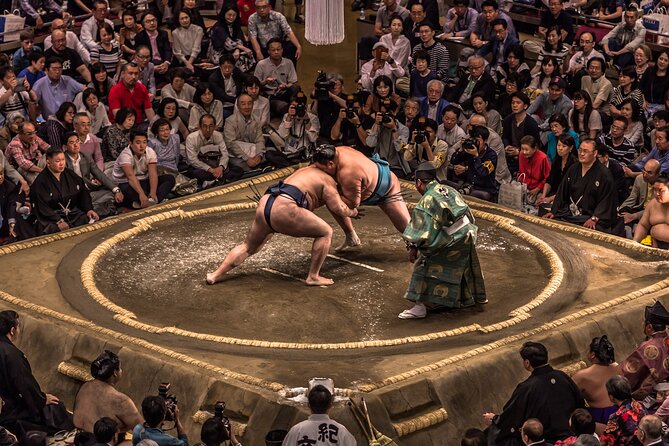
- Rituals explained at the right moment: Salt purification and other tradition pieces come alive as you watch.
- Optional chanko dinner available: Add the meal sumo wrestlers are known for, with sukiyaki or vegetarian on request.
More chances to get close to the ring
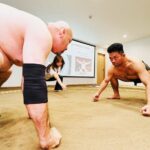
Why Osaka’s March sumo tournament is worth your limited time
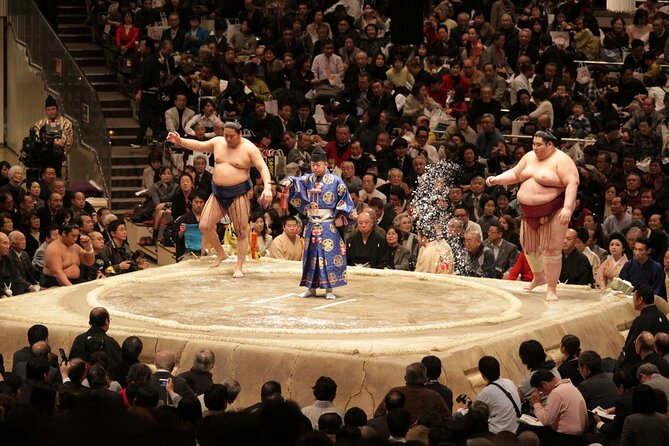
If you’re visiting Japan on the wrong month, sumo can feel like an “always later” idea. The big reason this tour matters is timing: the official Grand Sumo Tournament is held in Osaka only during March, and the full tournament runs for 15 days. This tour focuses on that window, so you’re not just learning about sumo in theory—you’re watching a live basho day.
I also like that the experience treats sumo as a sport with rules and ceremony, not just spectacle. You’ll hear how sumo is considered a Japanese martial art (gendai budo) with strict tradition. That context helps you appreciate why certain actions look formal, why wrestlers behave a certain way, and why the rituals are taken seriously.
Getting to EDION Arena Osaka by 2:00 pm (and why timing matters)
This tour starts at 2:00 pm, and the meeting point is near public transportation. You don’t get hotel pick-up, so you’ll want to plan transit with a little cushion. The group also asks that you arrive at least 10 minutes early, because the tour may not wait if you’re late.
Here’s the practical part: once you’re there, you should expect some waiting. The tour notes that seating can come after all sumo matches end before the group is allowed in. That’s not a problem specific to this tour—it’s how the venue flow works. The upside is that you’re going in when your time inside is organized and you’re not constantly hunting for the group.
The pre-bout portion: salt rituals, rankings, and audio headsets
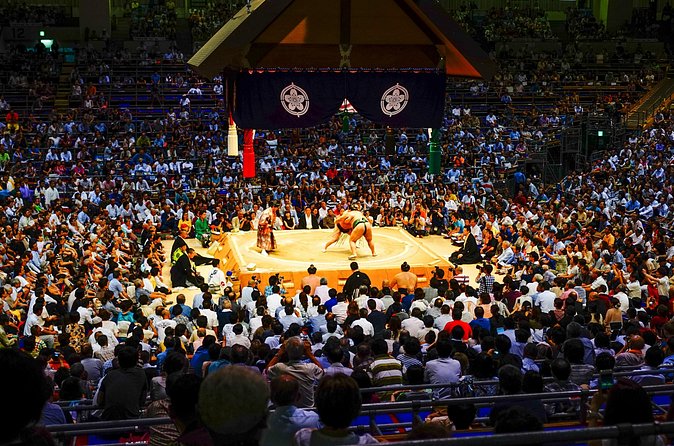
Even if you don’t know much sumo, this part can turn confusion into understanding fast. You’ll have an English-speaking local sumo expert, plus an audio headset. That matters because arenas are loud, and reading explanations off a phone usually fails the first time the crowd surges.
You’ll also receive a sumo information pamphlet and the banzuke-hyo, a table of rankings. The banzuke-hyo is one of those things that looks “paper-ish” at first, but it’s actually useful. It gives you a roadmap for what you’re seeing—who’s higher up, who has momentum, and how the tournament structure shapes expectations.
The tour also focuses on tradition points you can spot with your own eyes. Ritual elements like salt purification aren’t just trivia. When you understand what that moment represents, the sport feels more like a practiced discipline and less like a random throwdown.

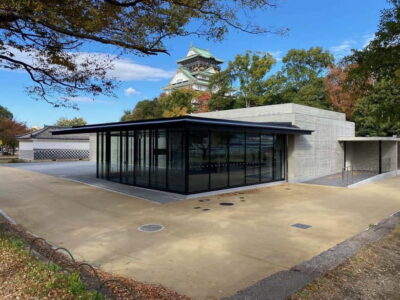

Reserved seats at EDION Arena Osaka: D, B/C, or A/S
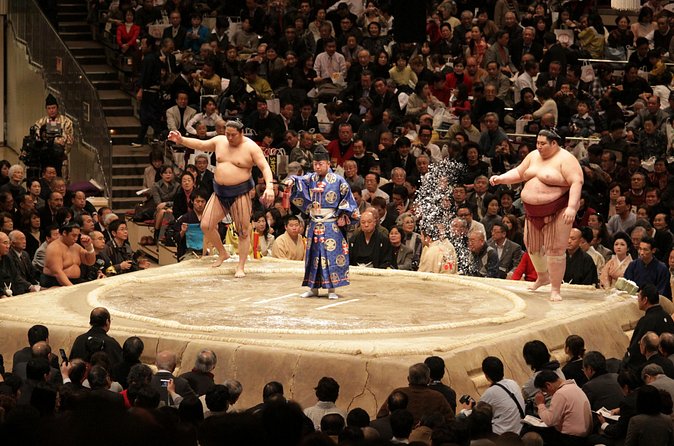
Seat choice is where you can control your enjoyment the most. This tour reserves seats in advance, and the category depends on what you select. Binoculars are recommended for closer viewing, especially if you’re farther up.
- Basic (D Seats): Upper corners of the arena. You’ll have a full view, but it’s distant. If you’re okay watching the full picture rather than details, D seats can still be fun.
- Standard (B/C Seats): Main arena chair seating with good ring visibility and a stronger sense of atmosphere. If you want the sweet spot for most people, this range is usually it.
- Premium (A/S Seats): Front arena section, closest to the ring. If you care about immersive viewing and want to feel like you’re right there during contact moments, this is the move.
One small tip: even with good seats, sumo is fast. You’ll watch for the decisive bursts, so being able to see clearly matters more than having the fanciest view angle.
Seeing wrestlers enter—and cheering with the flow of the crowd
A big energy moment comes before the bout really starts: you’ll get to cheer and greet famous sumo wrestlers as they enter the stadium for their matches. Even if you don’t know their names yet, you’ll feel the moment shift—people stand, the focus tightens, and the crowd noise changes.
That’s where the guide’s role pays off. The explanations are timed so you can connect the ceremony and the sport. With the headset, you can still hear what to look for while the arena does its thing.
I also like that the group size is capped at up to 24 people. That keeps it social without turning it into a chaotic stampede. The tour runs with a minimum group requirement of 15 people, so if you see it offered for your date, it’s a good sign it should operate as planned.
About the Sumo Museum area and arena logistics
There’s mention of the Sumo Museum area and the reality of crowding. The tour notes there may be congestion, and the guide may ask you to visit on your own because it’s hard to move a large group through tight spaces.
So my advice is simple: if you see time for it, don’t force it. If it feels packed, prioritize the match and the lead-up inside the arena. You’re here for the basho atmosphere, and that time is limited.
Also remember the basic venue rule: no outside food or drinks are allowed in the arena. Vendors are available inside, so plan to grab water or a snack there if you need it.
Optional chanko nabe dinner: what it is and how to order
You can add dinner if you choose the dinner option at checkout. If selected, the default meal is chanko hot pot (without drinks). Chanko nabe is the style of stew sumo wrestlers are known to eat, and it originated in the Ryokoku area. The broth is made with chicken stock, and the pot typically includes vegetables.
The tour also offers flexibility if you request it:
- Sukiyaki option (if selected)
- Vegetarian option (if requested at least one week in advance)
One note to plan around: the tour explains that traditional chanko broth is usually made with pork or chicken, and the restaurant may substitute for vegetarian needs. Also, once the dinner request is accepted, changes can’t be made within one week of the tour date—so decide early.
If you’re the kind of person who likes finishing a day with a food ritual that matches the sport you watched, this dinner is a strong add-on. If you’re already set on exploring Osaka dining on your own, you can skip it and keep your evening open.
Price and value: what $142.40 really buys you
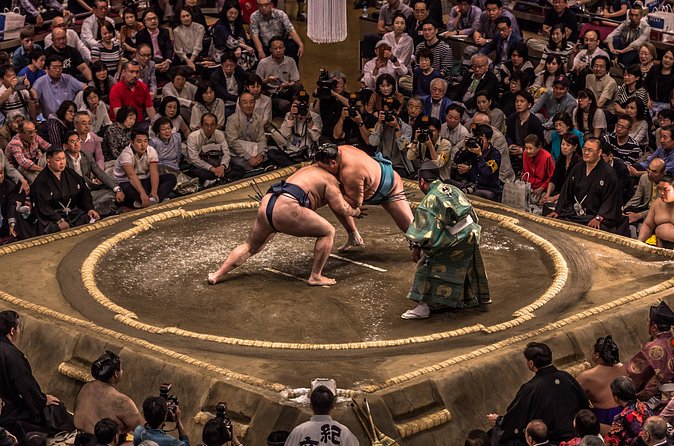
At $142.40 per person, you’re paying for more than a seat. This price package includes:
- An admission ticket to the official tournament event
- A local English-speaking guide with sumo expertise
- An audio headset
- A sumo pamphlet and the banzuke-hyo
- A reserved seat in advance, selected by the option you choose
That reservation piece is the real cost driver. Tickets to major sporting events (especially traditional ones) are rarely “quick and cheap” when you factor in what you’d otherwise need to sort out: seat selection, timing, and language support. This tour folds those problems into one organized afternoon, and it also benefits from group discounts.
Dinner, if you add it, is the extra value lever. The dinner isn’t automatically included, but if you want the sumo-food experience, it can make the day feel complete instead of ending with just the matches.
Who this tour fits best (and who should think twice)
This works best if you:
- Want a real basho day experience in Osaka during March
- Care about understanding the sport, not just filming it
- Appreciate English guidance that helps you follow what’s happening
- Like the idea of choosing a seat category based on how close you want to be
It’s less ideal if you:
- Need hotel pick-up and drop-off, since you’ll handle getting to EDION Arena Osaka yourself
- Hate waiting in general, since seating may happen after matches finish and the museum area can get crowded
- Want to bring outside drinks or snacks into the arena, because that’s not allowed
If you’re comfortable with basic public transit and timing, this is a very straightforward way to get into sumo without the guesswork.
Should you book the Sumo Tournament Experience in Osaka?
Yes—if your trip overlaps March and you want a front-row-feel day with real tournament access plus English guidance. The combination of reserved seating, audio headset explanations, and included rankings materials makes it easier to enjoy even if you’re new to sumo.
If you do book, choose your seat category intentionally. D seats can be fine for the full-view experience, but if you want to feel the action more, B/C or A/S is where your money starts showing up on your face—through your sightlines.
FAQ
When does the sumo tournament in Osaka happen?
The official basho takes place six times a year in different locations. The tournament in Osaka is held in March, and each basho lasts 15 days.
What time does the tour start, and where do I meet?
The tour starts at 2:00 pm. The meeting point is near public transportation, and the exact details are sent to your email at least one week before the tour date.
Is an admission ticket included?
Yes. The admission ticket for the official sumo tournament experience is included, along with the reserved seat.
What seating options are available?
You can choose Basic (D seats), Standard (B/C seats), or Premium (A/S seats). Seats are reserved in advance by the operator, and binoculars are recommended—especially if you’re in D seats.
Do I get an audio headset and an English guide?
Yes. The tour includes an English-speaking local sumo expert and an audio headset so you can hear explanations clearly during the event.
Is dinner included, and can I choose chanko or sukiyaki?
Dinner is optional. If you select it at checkout, you’ll get chanko nabe by default (with no drinks). Sukiyaki or vegetarian options are available if you request them at least one week in advance.
What is the cancellation policy?
This experience is non-refundable and cannot be changed for any reason. If it’s canceled because the minimum number of travelers isn’t met, you’ll be offered a different date/experience or a full refund.
More Tour Reviews in Osaka
- Osaka Go Karting Tour with Funny Costume★ 5.0 · 2,658 reviews
- Osaka Castle: Museum and Tower Entry Ticket★ 4.5 · 2,380 reviews
- Osaka: Shinsekai Food Tour with 13-15 Dishes at 5 Eateries★ 4.8 · 2,204 reviews
- Osaka Food Tour: 13 Dishes at 5 Local Eateries★ 5.0 · 2,149 reviews
- Hungry Osaka Street Food Tour:15 Tastings & 3 Drinks with a Local★ 5.0 · 1,727 reviews
Ringside in Osaka
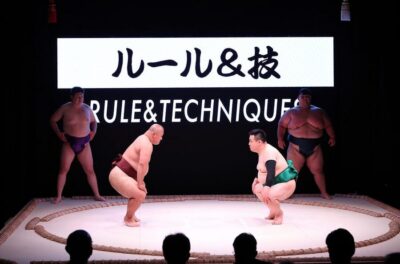
- Osaka: Sumo Show & Experience w/ Optional Kimono & Hot Pot★ 4.5 · 609 reviews
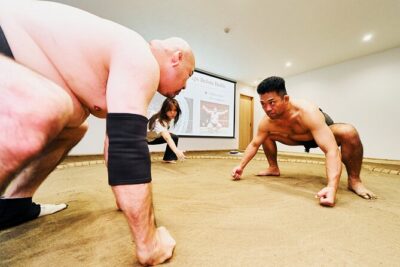
- Osaka: Sumo Stage Show with Bento or Snack + Fight & Photo★ 4.3 · 364 reviews
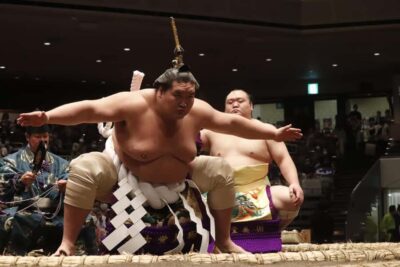
- Osaka Sumo Experience with Live Show and Audience Challenge★ 5.0 · 162 reviews
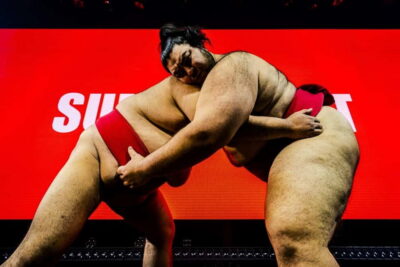
- Osaka: Sumo Wrestling Tournament with Chair Seat Tickets★ 4.7 · 102 reviews
- Osaka:SUMO BEATS SHOWCASE: Taiko Drum and Wagyu burger!★ 4.2 · 37 reviews
The Newest Osaka Write-Ups
- Private Photoshoot in Osaka with a Professional Photographer
★ 5.0 · 3 reviews - Osaka Early Morning Osaka Castle Tour Avoid Crowds
★ 5.0 · 3 reviews - Nara Private Tour with Pick and Drop and English Speaking Driver
★ 3.5 · 3 reviews - Osaka: Modern Vegetarian Sushi Cooking Class
★ 5.0 · 3 reviews - Nara Day Trip from Osaka with a Licensed Guide
★ 5.0 · 3 reviews
Osaka Sumo Experiences, compared.
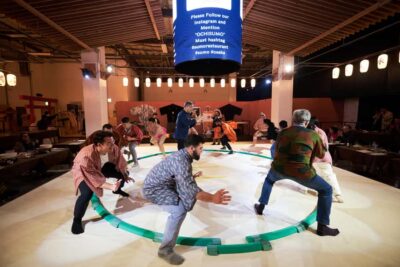 ★ 4.5Sumo Show & Experience w/ Optional Kimono & Hot PotFrom $77609 reviews
 ★ 4.3Sumo Stage Show with Bento or Snack + Fight & PhotoFrom $93364 reviews
 ★ 5.0Osaka Sumo Experience with Live Show and Audience ChallengeFrom $55162 reviews
 ★ 4.7Sumo Wrestling Tournament with Chair Seat TicketsFrom $122102 reviews
 ★ 4.2SUMO BEATS SHOWCASE: Taiko Drum and Wagyu burger!From $6737 reviews
 ★ 5.0SUMO BEATS SHOWCASE Clash of Power and SoundFrom $7013 reviews
 ★ 5.0Sumo Wrestling Tournament Chair Seats & Expert Guide | Osaka MarFrom $1823 reviews
Browse the lists this tour appears in