
Reviewed · OSAKA SUMO EXPERIENCES
Osaka: Sumo Wrestling Tournament with Chair Seat Tickets
Sumo looks simple until you sit down. Then it turns into fast, rule-based drama—and an English guide helps you actually follow what matters. I like how the tour gives you context before the bouts start, whether your guide is Tadashi Okumura with laminated notes or another passionate specialist who breaks down what you’re seeing.
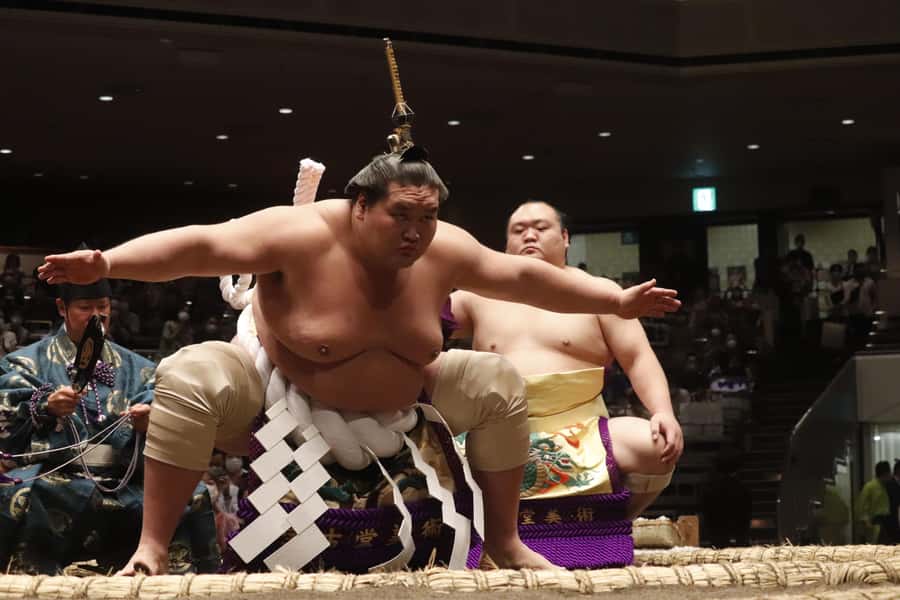
I also like that you don’t need to fight ticket-buying chaos. With chair-seat tickets included, you’re set for the tournament experience in Osaka, including key afternoon moments like the dohyo-iri ring-entering ceremony around 3:30 pm. And because matches can be quick with lots of short breaks, having someone pointing out storylines and wrestler rank adds a lot.
The main drawback to plan for is seating reality. You get 2F chair seats and can’t choose exact spots, so you might end up farther back in the arena, and the compact seating can feel tight during downtime.
In This Review
- Key Things You’ll Notice Right Away
- Why Sumo in Osaka Feels Different From Watching Anything Else
- From Namba to Edion Arena Osaka: Timing That Actually Helps
- What Your English Guide Does With the Matches (So You Don’t Get Lost)
- The Ritual Side: Purification, Respect, and the Shinto Connection
- Chair Seats and the Reality of 2F Views
- March in Osaka: The Tournament Schedule You’ll Feel in Your Body
- Ticket Included: Is $122 Good Value?
- Practical Notes That Affect Your Comfort
- Who This Sumo Experience Suits Best (And Who Should Skip)
- Should You Book This Osaka Sumo Chair-Seat Tour?
Key Things You’ll Notice Right Away
- A guide turns chaos into clarity: you get help with rules, ranking, and what to watch as matches change
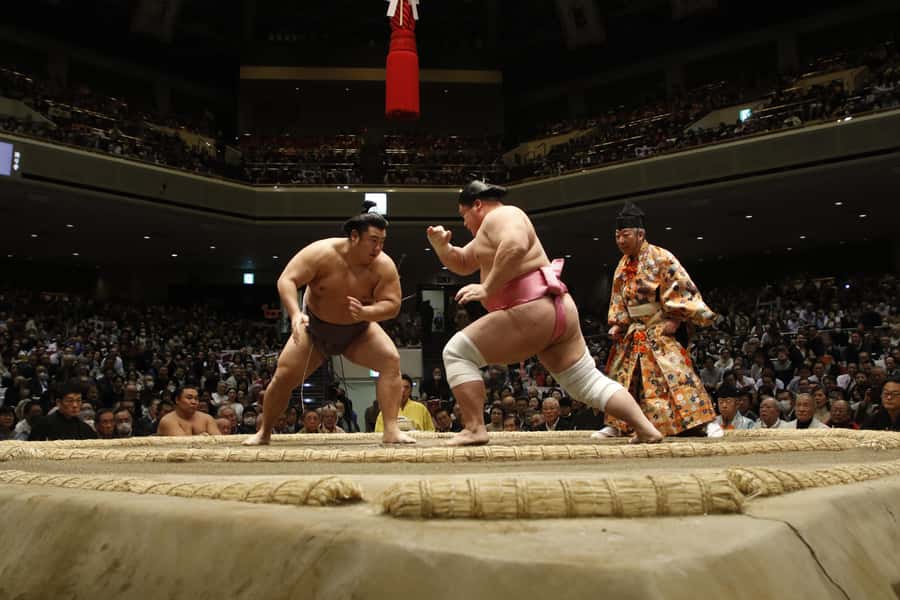
- You’re timed for the afternoon rituals: the ring-entering ceremony happens around 3:30 pm, with bouts before/after
- Tickets are handled for you: chair-seat access is included, which matters when tournaments sell out
- Chair seating is compact: you’ll likely sit on 2F chairs, with limited ability to pick a prime view
- Sumo is sport plus ceremony: salt purification and Shinto-linked traditions are explained, not glossed over
More chances to get close to the ring
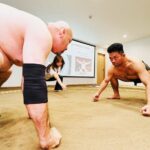
Why Sumo in Osaka Feels Different From Watching Anything Else
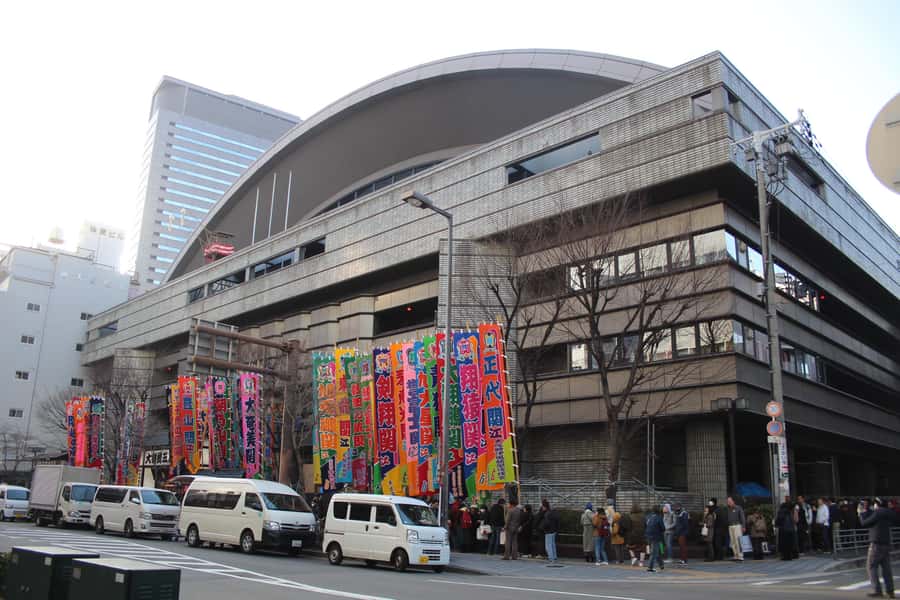
Osaka sumo has a way of making you pay attention. You’re not just watching two men collide on a ring. You’re watching a national sport wrapped in ritual—one that ties back to Shinto beliefs and old performance traditions.
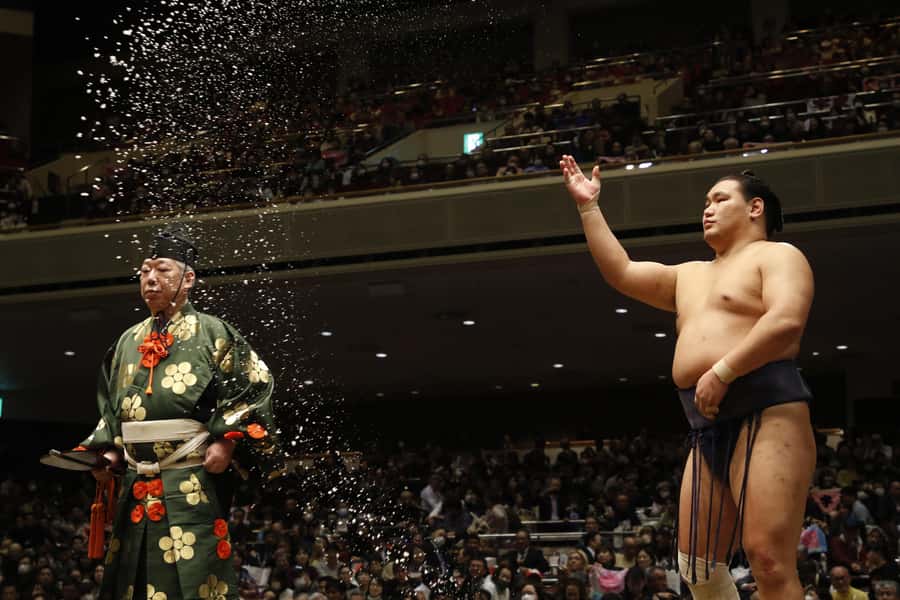
The stories you hear from your guide can change how you interpret the tiny details. For example, when the wrestlers purify the ring with salt, it isn’t background noise. It’s part of the sport’s sacred framing, a reminder that sumo wasn’t always only entertainment. In the Edo period (1603–1868), it also became mainstream crowd entertainment—so the modern arena still blends ceremony with competitive pressure.
And here’s the practical payoff for you: when you understand the “why,” the “what” sticks. You catch more than names. You start noticing patterns—style matchups, who’s rising, who’s in control, and why certain moments matter to fans.
From Namba to Edion Arena Osaka: Timing That Actually Helps
Your day centers on a mid-afternoon meetup. You meet your guide at 2:15 PM in front of Ōsaka Namba Post Office, with your guide holding a signboard for Japan Wonder Travel. The area is walkable from major subway exits—about a 1-minute walk from the Nankai Line 3rd-floor North Exit and about 2 minutes from Osaka Metro Exit 5—so you’re not stuck at a confusing dead end.
Then you spend about 3 hours on the guided portion with sightseeing before you head into the arena experience. The key timing detail is the tournament flow. Stronger wrestlers enter later, and the dohyo-iri ring-entering ceremony happens around 3:30 pm. Because you’re meeting at 2:15 pm, this tour is set up to have you in position for the most “big event” part of the afternoon rather than only the early opening bouts.
One note to keep you sane: you might not catch the earliest morning matches (those start around 8 am and involve lower-ranked wrestlers). That’s normal. The value of this tour is that it gets you in for the afternoon rhythm, when ceremony and recognizable names often take center stage.
What Your English Guide Does With the Matches (So You Don’t Get Lost)
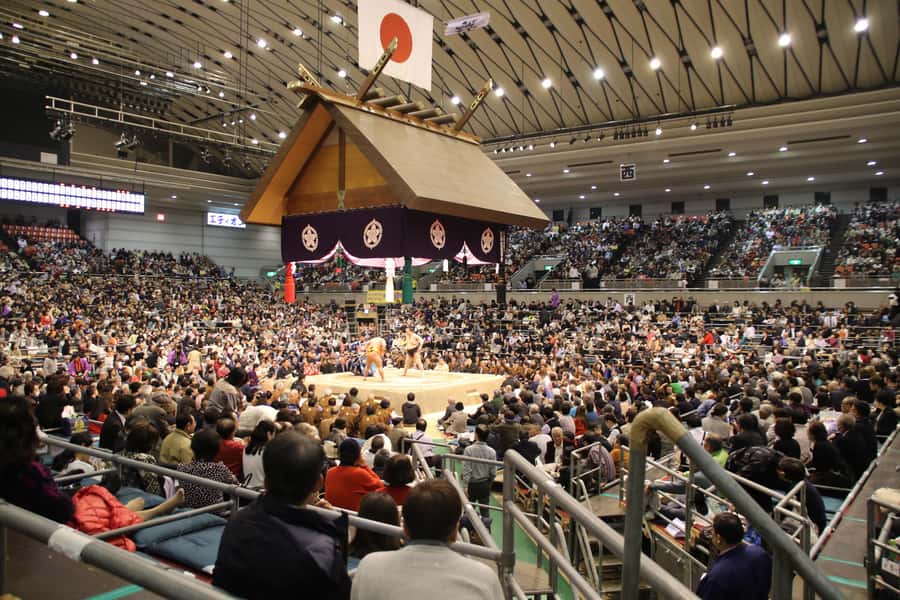
Here’s where this tour earns its price: the guide helps you understand the match structure while you’re sitting there. Sumo has a way of looking straightforward until you’re trying to track what’s happening, why a wrestler is famous, and what the ranking means.
I love the way the best guides come prepared. Some use practical materials like laminated sheets and quick reference info—things like top matches, wrestlers to watch, and even win/loss records (W/L) so you can follow momentum. Guides like Tadashi Okumura (featured by at least one booking) are the type who don’t just explain rules once. They keep the focus on what’s happening next.
Even if you know very little sumo going in, you should expect help with:
- how wrestlers advance through their tournament bouts
- what to look for during quick matches
- how rank and reputation affect the stakes of certain bouts
- why certain wrestlers get extra attention in the arena
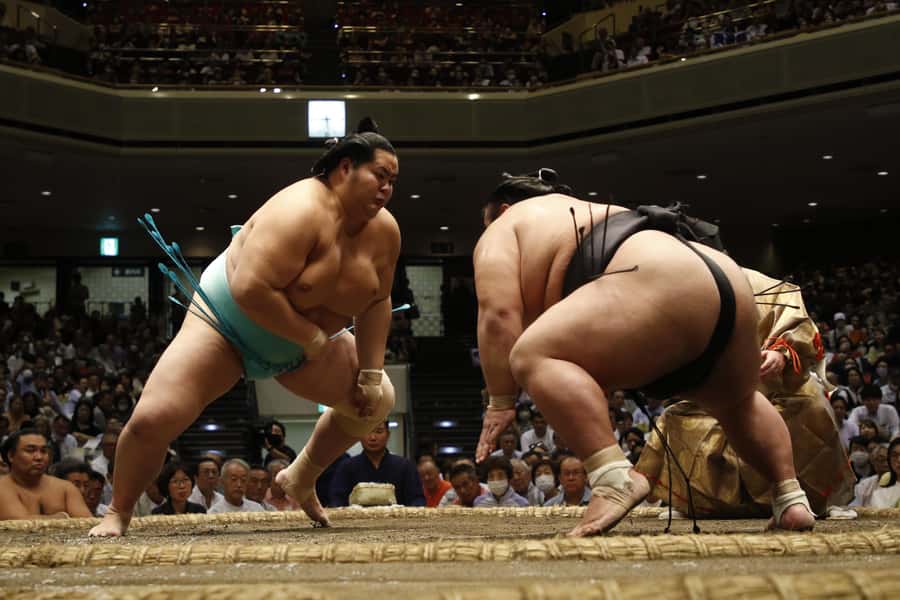
This matters because sumo matches can be very quick. People report that bouts can last under 1 minute, with plenty of short pauses between contests. Without context, that downtime can feel like waiting. With context, it becomes a chance to watch technique, follow matchups, and anticipate what comes next.
Put this one next to a few other Osaka options first:

The Ritual Side: Purification, Respect, and the Shinto Connection
Sumo doesn’t start like a normal sporting event. Before the competitive moments fully roll in, you’re seeing ceremony—an intentional mix of sport and shrine-like respect.
Your guide will explain the old roots. Sumo is believed to have started as a performance for Shinto deities, and legends say the gods practiced sumo before passing it to humans. Over time, sumo became tied to Shinto rituals—especially practices meant to support a good harvest.
In the Edo period, sumo became popular entertainment for the general public, so the modern tournament still carries both sides: athletic competition and sacred tradition.
What you’ll notice in the arena is the “symbolic” behavior—especially the ring purification with salt and the wrestlers’ respect gestures. This isn’t the kind of thing you can easily figure out from the seat by guessing. A guide gives you a simple explanation that makes those moments click instantly.
Chair Seats and the Reality of 2F Views
Let’s talk about the seat situation honestly. You’re buying chair-seat access with an allocated category (A, B, C, or D), but the tour info is clear that you’ll get 2F chair seats, and you can’t choose specific seats. Your guide hands you the ticket on the tour date.
Chair seats can be a great value for your first sumo event because they’re stable and easy to understand from. But compact seating is real. If you end up in the back rows, you may feel farther from the ring action—especially when you’re trying to catch body position during fast bouts.
A practical way to judge whether this bothers you: if you mainly want the experience and the ceremony plus context, chair seats work. If you want a close-up, “TV-like” view of every grip, you may feel shortchanged. One booking specifically noted ending up at the very back two rows despite paying for B seats, so seat placement can surprise you.
Still, for many first-timers, the bigger win is getting in the arena with zero ticket stress and having a guide translate what you’re seeing into something meaningful.
March in Osaka: The Tournament Schedule You’ll Feel in Your Body
The tournament happens six times a year, and Osaka hosts its event in March. That seasonal detail matters because Osaka’s summer tourism is one thing, but March has its own vibe—less “beach holiday,” more “Japan in real time.”
In terms of the day’s rhythm:
- the tournament begins earlier in the morning with bouts between lower-ranked wrestlers
- stronger wrestlers enter later in the afternoon
- dohyo-iri around 3:30 pm marks a high point of ceremony
So the tour’s mid-afternoon meeting makes sense. You’re not trying to drag yourself out at dawn for a long day. Instead, you’re showing up for the part where sumo feels most intense to watch, when the sport’s structure and personalities start to dominate the arena.
If you’re someone who likes “peak moments,” this timing is a good match.
Ticket Included: Is $122 Good Value?
At $122 per person, you’re paying for more than just admission. You’re paying for:
- a ticket that’s included (chair seating on 2F)
- a professional English guide
- guidance that helps you understand matches you’d otherwise struggle to follow
Sumo tournament tickets often sell out quickly. So even if official ticketing might be cheaper in some cases, buying late can leave you out. This tour’s value comes from reducing that stress and replacing it with structured explanations once you’re inside.
That said, you should go in with your expectations set. This isn’t the cheapest ticket you can possibly find. It’s the “I’d rather enjoy than stress” option—especially if you’re visiting during a peak season like March.
One more detail that affects value: seat category doesn’t guarantee the location you’d personally choose. Since you can’t select exact seats, you’re buying category access plus guidance, not a guaranteed front-row view.
Practical Notes That Affect Your Comfort
A few rules can matter once you arrive:
- Baby strollers aren’t allowed.
- Large luggage can’t be brought into the seating area.
- The tour isn’t suitable for wheelchair users.
None of these are dramatic, but they do change how you should pack. Keep bags small. If you’re coming from other sights in Osaka that day, plan to store luggage appropriately so you’re not wrestling with it when you need to enter the arena smoothly.
Also, wear footwear you can tolerate for an afternoon in a crowded transport + arena setting. The tournament is designed to move quickly once you’re inside, and you’ll likely stand and shuffle more than you expect while your guide explains things and helps the group get oriented.
Who This Sumo Experience Suits Best (And Who Should Skip)
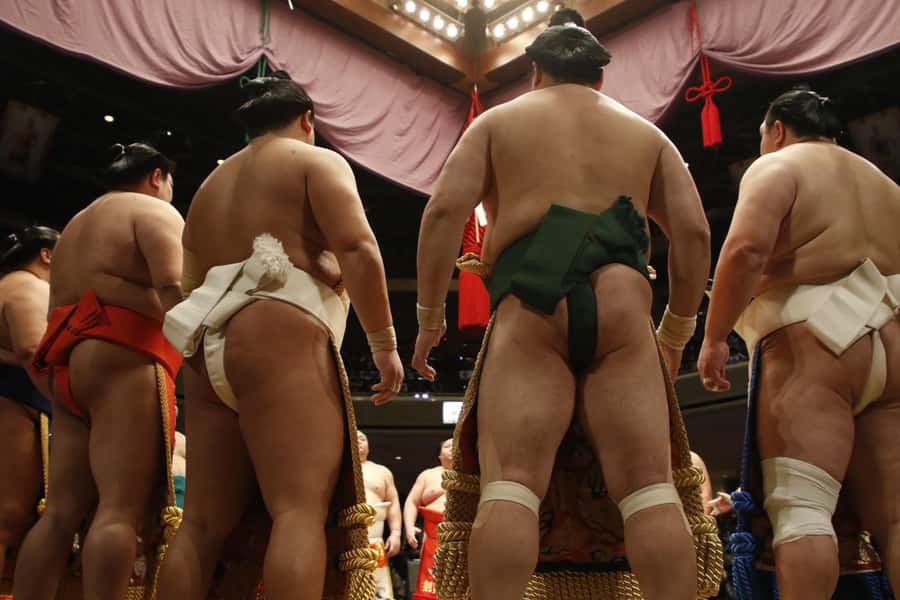
This is a great fit if you want:
- an easy entry into a complex sport
- an English guide who can explain what’s happening without making you work for it
- ceremony, tradition, and competition together
- a plan that handles tickets for you when they sell out
It’s also a nice option if you don’t know much sumo yet. The match duration can be short and the breaks can be noticeable. If you actually like sports and want to understand technique and outcomes, the rhythm becomes part of the fun.
It may not be ideal if you’re hoping for nonstop action. Matches are quick, and the arena has downtime between contests. If you’re mainly there for spectacle without caring about sport details, you may find the waiting frustrating.
Should You Book This Osaka Sumo Chair-Seat Tour?
I’d book it if you want your sumo day to feel guided, not confusing. The best reason is the combination of included tournament tickets plus an English guide who helps you interpret what you see. If you’re the type who enjoys learning the rules and then watching smarter, this tour is exactly that.
I’d think twice if you’re very view-sensitive. Since seats are 2F chair seats and you can’t choose exact placement, there’s a chance you’ll be farther from the ring than you imagined. If that matters a lot to you, you’ll want to weigh the tradeoff between guidance + ticket certainty versus the chance of a less-than-ideal seat location.
If you’re visiting Osaka in March and you want a true cultural sporting event without the ticket scramble, this is a solid, practical way to do it.
More Tickets in Osaka
- Osaka Castle: Museum and Tower Entry Ticket★ 4.5 · 2,380 reviews
- Osaka: Umeda Sky Building Official E-Ticket★ 4.6 · 1,131 reviews
- Osaka/Kyoto: Hiroshima Miyajima Bus Tour & Shinkansen Ticket★ 4.7 · 919 reviews
- Osaka: Expo 2025 Admission Ticket★ 3.6 · 251 reviews
- Meet Osaka local Friend & Fun Chat All We Can Drink Party Ticket★ 5.0 · 201 reviews
More Tour Reviews in Osaka
- Osaka Go Karting Tour with Funny Costume★ 5.0 · 2,658 reviews
- Osaka Castle: Museum and Tower Entry Ticket★ 4.5 · 2,380 reviews
- Osaka: Shinsekai Food Tour with 13-15 Dishes at 5 Eateries★ 4.8 · 2,204 reviews
- Osaka Food Tour: 13 Dishes at 5 Local Eateries★ 5.0 · 2,149 reviews
- Hungry Osaka Street Food Tour:15 Tastings & 3 Drinks with a Local★ 5.0 · 1,727 reviews
Ringside in Osaka
- Osaka: Sumo Show & Experience w/ Optional Kimono & Hot Pot★ 4.5 · 609 reviews
- Osaka: Sumo Stage Show with Bento or Snack + Fight & Photo★ 4.3 · 364 reviews
- Osaka Sumo Experience with Live Show and Audience Challenge★ 5.0 · 162 reviews
- Osaka:SUMO BEATS SHOWCASE: Taiko Drum and Wagyu burger!★ 4.2 · 37 reviews
- SUMO BEATS SHOWCASE Clash of Power and Sound★ 5.0 · 13 reviews
The Newest Osaka Write-Ups
- Private Photoshoot in Osaka with a Professional Photographer
★ 5.0 · 3 reviews - Osaka Early Morning Osaka Castle Tour Avoid Crowds
★ 5.0 · 3 reviews - Nara Private Tour with Pick and Drop and English Speaking Driver
★ 3.5 · 3 reviews - Osaka: Modern Vegetarian Sushi Cooking Class
★ 5.0 · 3 reviews - Nara Day Trip from Osaka with a Licensed Guide
★ 5.0 · 3 reviews
Osaka Sumo Experiences, compared.
 ★ 4.5Sumo Show & Experience w/ Optional Kimono & Hot PotFrom $77609 reviews
 ★ 4.3Sumo Stage Show with Bento or Snack + Fight & PhotoFrom $93364 reviews
 ★ 5.0Osaka Sumo Experience with Live Show and Audience ChallengeFrom $55162 reviews
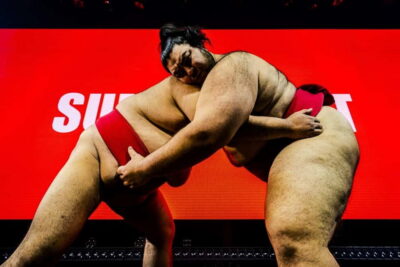 ★ 4.2SUMO BEATS SHOWCASE: Taiko Drum and Wagyu burger!From $6737 reviews
 ★ 5.0SUMO BEATS SHOWCASE Clash of Power and SoundFrom $7013 reviews
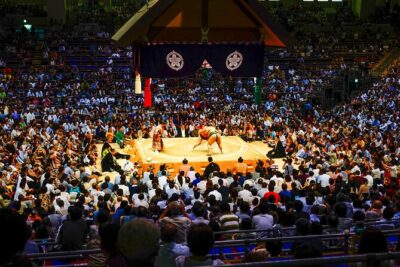 ★ 5.0Sumo Tournament Experience in OsakaFrom $14212 reviews
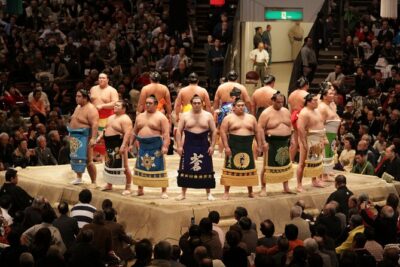 ★ 5.0Sumo Wrestling Tournament Chair Seats & Expert Guide | Osaka MarFrom $1823 reviews
Browse the lists this tour appears in