
Reviewed · OSAKA PRIVATE TOURS
Private tour of Osaka with a Spanish-speaking Guide
Osaka rewards you fast when you have a plan. This private 8-hour walking tour pairs a Spanish-speaking guide with the city’s biggest hits, from Hideyoshi Castle views to the neon-soaked streets of Dotonbori. I like that it’s built for small groups only—no wandering with strangers.
One more thing I love: you get a proper Osaka mix, not just shopping or just food. You’ll see iconic sights like the Tsutenkaku tower, plus the multi-story Nipponbashi shopping streets where anime and tech live side by side.
The main drawback to consider is simple: it’s still a walking day. Lunch isn’t included, and if you want heavy cultural storytelling (not just a smooth route), you’ll want to ask your guide how interactive they’ll be.
In This Review
- Key highlights to know
- Pricing and value: when $372 makes sense
- The 10:00 AM pickup and pacing across the city
- Hideyoshi Castle facade: a quick history hit with real skyline payoff
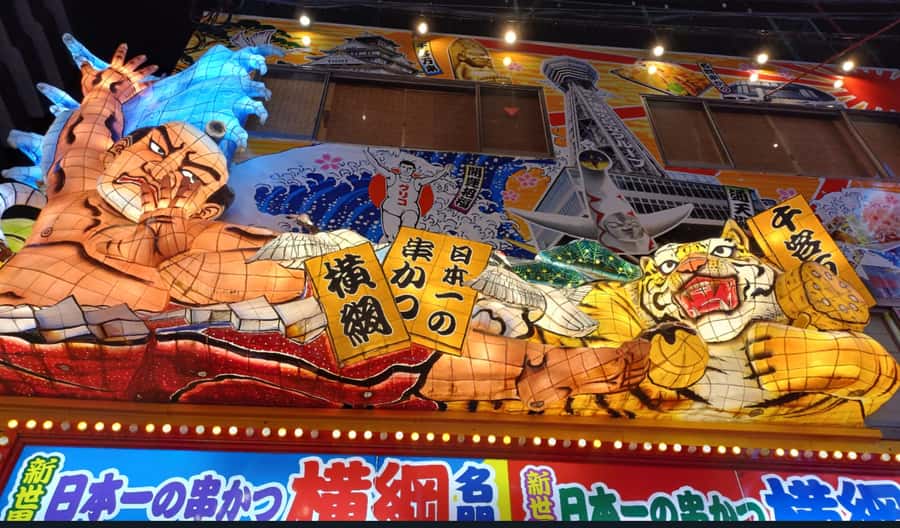
- Shinsekai and Tsutenkaku: street food culture in a classic Osaka zone
- Nipponbashi: manga, anime, and tech shopping without the confusion
- Namba to Dotonbori: the loud part of Osaka (and why it’s worth seeing)
- What’s included vs what you’ll pay for yourself
- Food time: kushi-katsu and how to make it fit your day
- Comfort and weather: the small stuff that saves your day
- Private tour basics: why “no strangers” changes the experience
- Who this tour suits (and who should rethink it)
- Quick reality check on rules and expectations
- Should you book this Osaka highlights tour?
- FAQ
- What time does the Osaka tour start?
- How long is the private tour?
- Is it really private, or will I share with other people?
- What language is the guide?
- Does the tour include lunch?
- Are admission tickets included?
- Do I need cash?
- Is hotel pickup and drop-off included?
- Is the tour suitable for wheelchair users or people with mobility impairments?
Key highlights to know
- Private group up to 5 with hotel pickup and drop-off in Osaka city center
- Hideyoshi Castle facade + skyline view to orient you early
- Shinsekai + Tsutenkaku for the classic Osaka street atmosphere
- Nipponbashi shopping lanes for manga, anime, and technology finds
- Dotonbori area walk through Osaka’s most colorful “main stage”
- Free time for snacks (kushi-katsu is a natural choice), with lunch not included
A guide to yourselves, more private days out

Pricing and value: when $372 makes sense
This tour costs $372 per group (up to 5 people) for an 8-hour private experience. That price can feel steep if you’re traveling solo, but it changes quickly once you split it.
- For 2 people, you’re roughly around $186 per person.
- For 5 people, you’re closer to $75 per person.
What makes it feel worth it is the “private + pickup + guided route” combo. You’re not just paying for someone to walk beside you—you’re paying for someone to pick a tight path through Osaka’s best known neighborhoods, plus handle the flow across multiple areas in a single day.
Also, the tour includes entry to places with free admission, and you get hotel pickup/drop-off (within the Osaka city-center zone). That cuts friction, especially if you’re not yet fully comfortable navigating trains and station-to-street transitions in Osaka.
The 10:00 AM pickup and pacing across the city
Your day starts with pickup from your Osaka hotel at 10:00 AM. If your hotel is not near the pickup zone (they mention around 10 km from central Osaka), the guide can pick you up at an Osaka station instead. You’ll communicate via the phone number provided in your booking.
The pacing is straightforward: you move in sequence through Osaka’s highlight neighborhoods—castle views first, then Shinsekai, then Nipponbashi, finishing around Namba and Dotonbori. That matters because these areas are very different in feel, and you’ll notice the shift as you go: from historic vibes to street food culture to pop-culture shopping to the loud, bright canal-side energy.
Keep your expectations grounded: this is a walking tour. Plan for a lot of steps, and don’t schedule a late night right after unless you enjoy walking off your dinner.
Hideyoshi Castle facade: a quick history hit with real skyline payoff
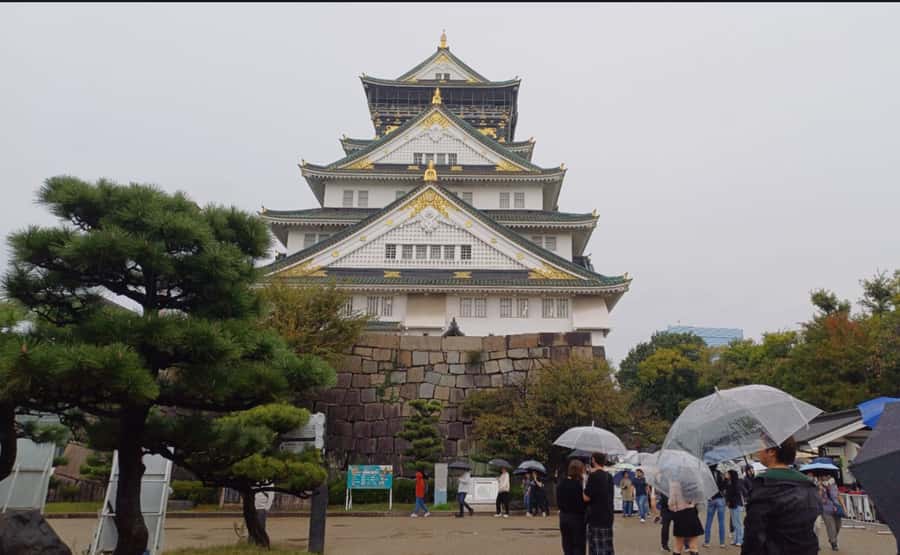
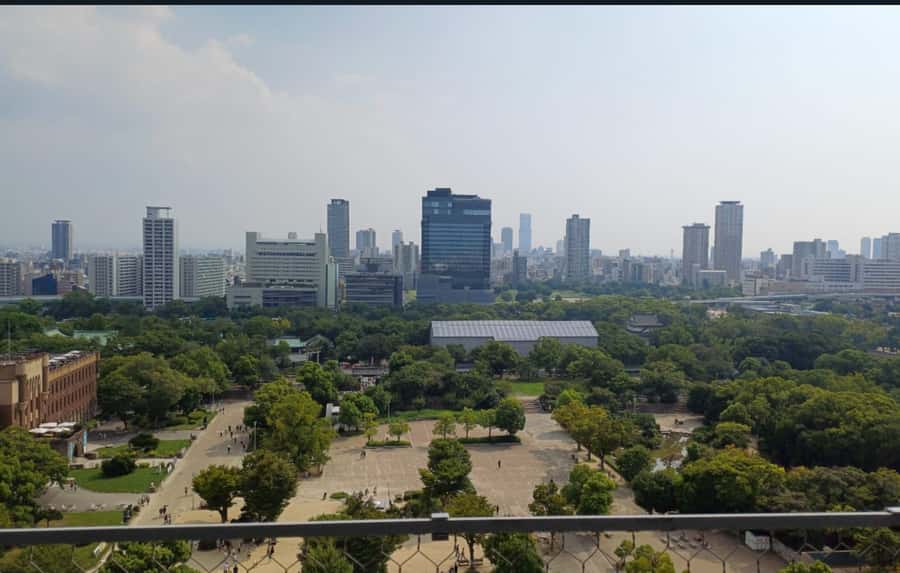
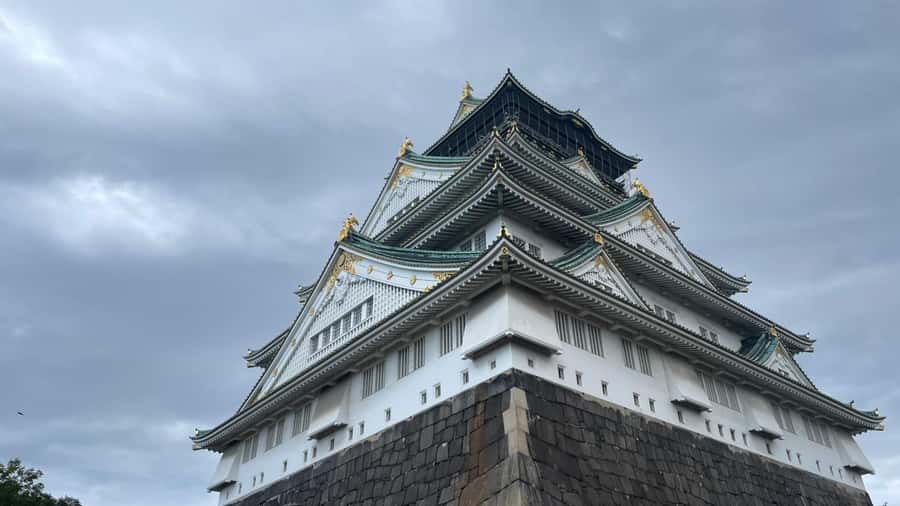
You’ll head to the Hideyoshi Castle area and look at the facade of the castle. The key detail here is that the original castle was built in the 16th century and the structure you see today had to be rebuilt after World War II. Even if you’re not a history person, this stop works because it gives you context.
What you should watch for is the view. From this spot, you can get one of the best city-perspective angles on the day. It’s an early “get your bearings fast” moment—one of those places where you can look out and understand how Osaka connects as a city, before you jump into neighborhood hopping.
Possible drawback: since you’re focusing on the facade and viewpoints, this isn’t the stop for people who want a deep museum-style experience with lots of indoor time. If you’re looking for tickets and exhibits, you’ll need to check what’s paid vs free on your specific route. The tour includes entry to places with free admission, while admission fees to attractions aren’t included.


Shinsekai and Tsutenkaku: street food culture in a classic Osaka zone
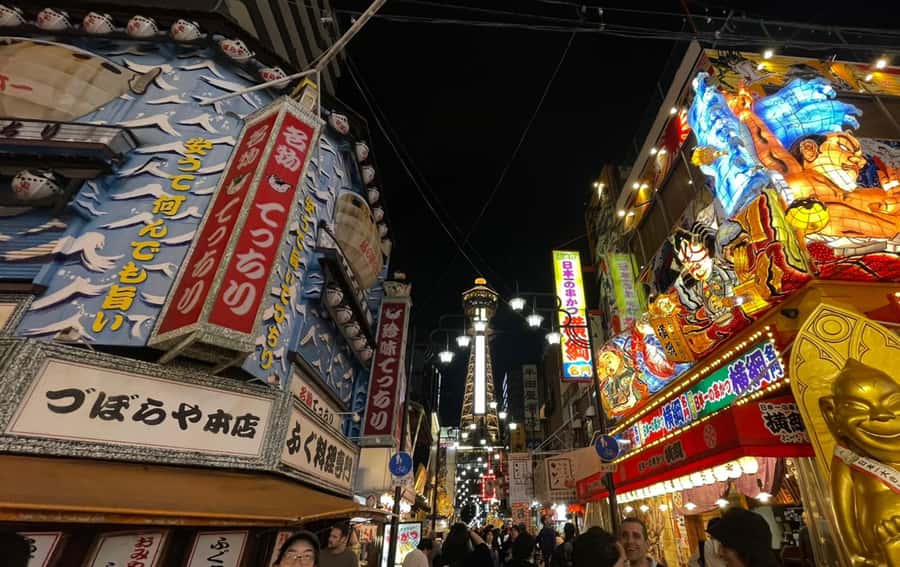
Next comes Shinsekai, one of Japan’s most famous old-school districts. Here, you’ll get the kind of street-scene Osaka is known for: typical food stalls and a very recognizable neighborhood layout.
The highlight is Tsutenkaku, the 103-meter tower. It’s hard to miss, and it works as a visual anchor for the area. When you see it in person, it helps you understand why Shinsekai has such a strong identity even today.
What to eat (and how to plan it)
You’ll also have free time to eat, and this is where kushi-katsu makes sense. Kushi-katsu are skewers of breaded and deep-fried meat (and sometimes other fillings), served with dipping sauce. Since lunch isn’t included, you’re basically using this gap to handle your own food without derailing the tour.
Practical tip: go in with comfortable expectations. If a food stall line is part of the experience (it often is in these areas), you’re the one deciding how long you want to wait. The tour gives you the time; it doesn’t force you into a set meal.
Nipponbashi: manga, anime, and tech shopping without the confusion
After Shinsekai, you’ll move to Nipponbashi, the well-known zone for otaku-style shopping. The big draw here is the multi-story store setup along the main avenue. Instead of hopping one small shop at a time, you can browse multiple floors and categories in one place.
You’ll find:
- manga and anime goods
- technology products
- lots of pop-culture crossovers
This is the segment where a guide can help even if you’re not shopping hard. Osaka store signage and product types can be easier to navigate when someone points out where you’ll likely find what you’re looking for (and where the “busy” areas are vs calmer lanes).
Small reality check: if you’re not interested in shopping, this might feel more time-consuming than you expect. But even then, it can be fun just for the density of pop culture—part of Osaka’s personality.
Namba to Dotonbori: the loud part of Osaka (and why it’s worth seeing)
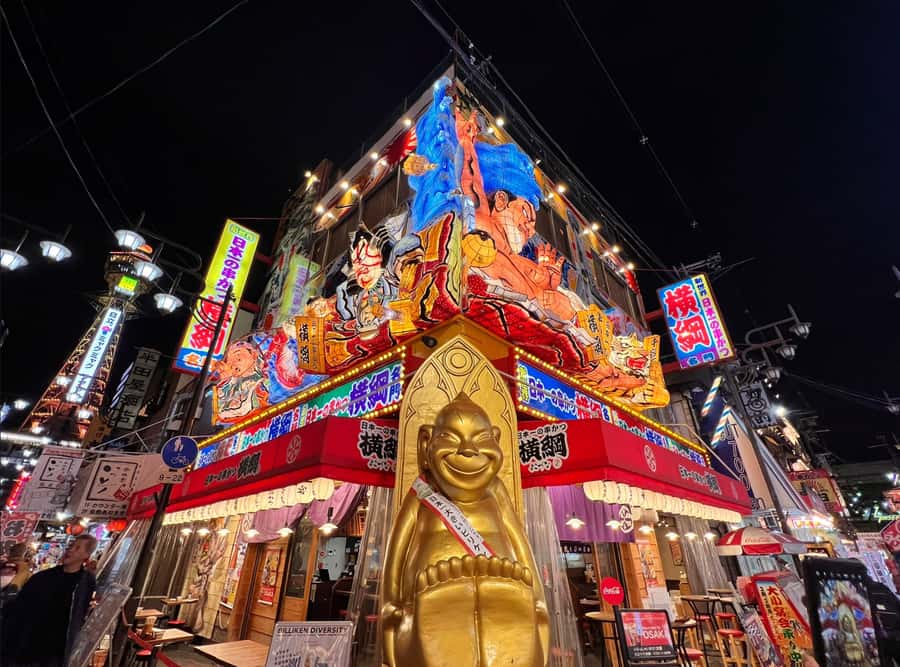
Then you’ll reach Namba, often described as the city’s nerve center, and finish by walking the Dotonbori area. This is where Osaka turns into a sensory overload—in a good way.
Dotonbori is the colorful, busy stretch you’ve probably seen in photos: bright storefronts, street energy, and a sense that the whole neighborhood is built around food, entertainment, and people-watching.
Why this works as a tour stop
If you arrive on your own, it’s easy to get turned around because it’s visually intense and constantly pulling your attention in different directions. Having a guide helps you:
- hit the most recognizable areas
- keep walking efficiently
- not miss the key lanes that make Dotonbori feel like Dotonbori
Also, because your day is already structured, you’re not spending your “best daylight hours” trying to decode the city map. You’ll be in the right places when the area feels most alive.
What’s included vs what you’ll pay for yourself
Here’s the practical breakdown:
Included
- Private tour (no other people in your group)
- Spanish-speaking guide (and the info also indicates English may be available depending on the booking)
- Entry to places with free admission
- Hotel pickup and drop-off in Osaka city center
- The planned route through the main neighborhoods listed
Not included
- Lunch (you’re expected to handle your own meal)
- Transport tickets (so if you use subways or buses during the day, you’ll pay)
- Admission fees to attractions (so paid sites are extra)
A note on cash
They recommend carrying cash in yen. That’s smart for street food and small shops. Even if you can pay with cards in some places, cash tends to be simpler for stalls and quick snack stops.
Food time: kushi-katsu and how to make it fit your day
Since lunch isn’t included, this tour works best if you think of food as an on-your-own snack mission. The route naturally includes Shinsekai free time, and kushi-katsu fits right there.
If you want an efficient strategy:
- Decide in advance whether you want a light snack or a full meal during the free time.
- Plan to drink water and keep moving. Osaka walking adds up fast.
Also, if you travel with someone who has strong dietary preferences, build in extra caution. The tour info doesn’t list dietary accommodations, so it’s on you to find stalls that match your needs during the free time.
Comfort and weather: the small stuff that saves your day
This is a walking-focused day, so your best investment is comfort:
- Wear comfortable shoes
- Carry water
- Bring a camera
- Be ready for weather changes (sunscreen or a hat if it’s sunny)
Osaka can go from dry and warm to muggy fast. Even if you’re only outside for a few hours total, you’re moving between neighborhoods and standing around for views at the castle area and Tsutenkaku zone.
If you don’t want to feel rushed, dress for standing and walking, not for a nice dinner look that gets uncomfortable by 1 PM.
Private tour basics: why “no strangers” changes the experience
Because this is private, you’re not sharing time or attention with other groups. That matters on a walking tour, where the guide’s rhythm can change based on who asks questions and how fast people want to move.
In one booking I took note of, the guide’s service stood out as friendly and professional—the kind of energy that makes a walking route feel less like logistics and more like a guided day out.
Still, here’s the balanced caution: one concern raised was that some travelers may want more cultural depth, not only “walk and point.” If cultural context is your top priority, ask your guide early what they can share beyond the route—why these neighborhoods matter, how daily life differs block to block, and what to pay attention to while you walk.
Who this tour suits (and who should rethink it)
Best fit
- You want a high-contrast Osaka day: history-view, classic district, pop-culture shopping, then Dotonbori
- You prefer the convenience of hotel pickup/drop-off
- You travel in a small group where the price makes sense per person
Not ideal
- People with mobility impairments or wheelchair users
- Visually impaired people
- Anyone who doesn’t like long walking days
- Families traveling with strollers or large luggage may find restrictions tough; the tour doesn’t allow baby strollers and limits large bags
If you’re traveling with limited mobility, the info is clear that this route isn’t built for that. In that case, you’d be better off looking for a tour designed around easier access.
Quick reality check on rules and expectations
This tour has standard activity rules:
- No pets (assistance dogs are allowed)
- No drones
- No smoking
- No weapons or sharp objects
- No oversize luggage and no large bags
It’s also not meant for intoxication and it lists other restrictions typical of city tours. The big takeaway is this: keep things light so you can move quickly between streets and shops.
Should you book this Osaka highlights tour?
You should book if you want a well-paced, private, Spanish-led walk through Osaka’s most recognizable neighborhoods in one day—especially if you’re splitting the cost across two to five people. The combo of Hideyoshi Castle views, Shinsekai + Tsutenkaku, Nipponbashi shopping lanes, and the walk through Dotonbori is exactly the kind of “first taste of Osaka” that helps you plan the rest of your trip.
Skip it (or reconsider) if:
- you hate walking and want lots of sitting
- you’re traveling solo and the price per person feels too high
- you’re expecting a deep, culture-heavy presentation at every stop—this tour is built around sights and neighborhood flow, with room for your own snack breaks
If you do book, come prepared with comfortable shoes and a clear sense of what you want most—views, street food, pop culture shopping, or the Dotonbori atmosphere. Then you’ll get far more out of those 8 hours.
FAQ
What time does the Osaka tour start?
The tour starts at 10:00 AM.
How long is the private tour?
It lasts 8 hours.
Is it really private, or will I share with other people?
It’s a private tour. Your group is exclusive, with no other people in the group except your partner, family, or friends.
What language is the guide?
The guide is listed as Spanish (and the overview also mentions English and/or Spanish depending on the setup).
Does the tour include lunch?
No. Lunch is not included, and if you want the guide to have lunch with you, you would handle the guide’s lunch expenses.
Are admission tickets included?
The tour includes entry to places with free admission, but admission fees to attractions are not included.
Do I need cash?
It’s recommended to carry cash in yen.
Is hotel pickup and drop-off included?
Yes, hotel pickup and hotel drop-off are included for Osaka city center. If your hotel is farther (around 10 km from the center), pickup can be at an Osaka station.
Is the tour suitable for wheelchair users or people with mobility impairments?
No. The tour is not suitable for people with mobility impairments or wheelchair users. It’s also not suitable for visually impaired people.
More Tour Reviews in Osaka
- Osaka Go Karting Tour with Funny Costume★ 5.0 · 2,658 reviews
- Osaka Castle: Museum and Tower Entry Ticket★ 4.5 · 2,380 reviews
- Osaka: Shinsekai Food Tour with 13-15 Dishes at 5 Eateries★ 4.8 · 2,204 reviews
- Osaka Food Tour: 13 Dishes at 5 Local Eateries★ 5.0 · 2,149 reviews
- Hungry Osaka Street Food Tour:15 Tastings & 3 Drinks with a Local★ 5.0 · 1,727 reviews
Your Osaka, at Your Pace
- Private Osaka Walking Tour: Highlights & Hidden Gems★ 5.0 · 569 reviews
- Osaka 4hr Private Tour with Government-Licensed Guide★ 5.0 · 314 reviews
- 3/4/5 Hours Private Tour in Osaka with Local Guide★ 5.0 · 189 reviews
- Osaka’s Best and Brightest: Private Full-Day Tour by Vehicle★ 5.0 · 147 reviews
- Kyoto & Nara Private customized tour with English speaking Guide★ 4.5 · 99 reviews
The Newest Osaka Write-Ups
- Private Photoshoot in Osaka with a Professional Photographer
★ 5.0 · 3 reviews - Osaka Early Morning Osaka Castle Tour Avoid Crowds
★ 5.0 · 3 reviews - Nara Private Tour with Pick and Drop and English Speaking Driver
★ 3.5 · 3 reviews - Osaka: Modern Vegetarian Sushi Cooking Class
★ 5.0 · 3 reviews - Nara Day Trip from Osaka with a Licensed Guide
★ 5.0 · 3 reviews
Osaka Private Tours, compared.
 ★ 5.0Private Osaka Walking Tour: Highlights & Hidden GemsFrom $81569 reviews
 ★ 5.0Osaka 4hr Private Tour with Government-Licensed GuideFrom $105314 reviews
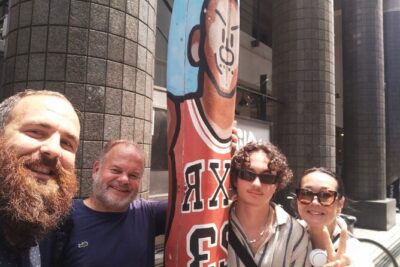 ★ 5.03/4/5 Hours Private Tour in Osaka with Local GuideFrom $95189 reviews
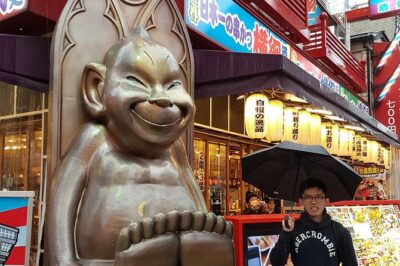 ★ 5.0Osaka’s Best and Brightest: Private Full-Day Tour by VehicleFrom $600147 reviews
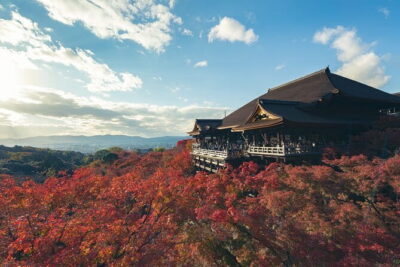 ★ 5.0Full Day Tour of Kyoto with Private TransportationFrom $247130 reviews
 ★ 4.5Kyoto & Nara Private customized tour with English speaking GuideFrom $54999 reviews
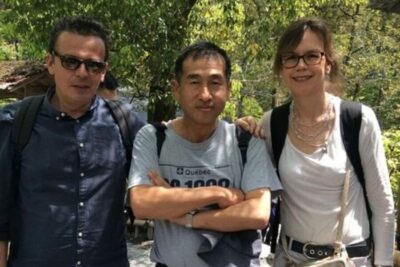 ★ 4.6Private Custom Walking Tour with a Local GuideFrom $6297 reviews
 ★ 4.93/4/5 Hours Private Tour With Local GuideFrom $11686 reviews
Browse the lists this tour appears in