
Reviewed · HIROSHIMA & MIYAJIMA FROM OSAKA
Hiroshima & Miyajima 1 Day Bus Tour with Bullet Train Tickets
One day. Two legends: Hiroshima and Miyajima. This tour is interesting because it bundles Shinkansen and ferry tickets with an English-speaking guide, so you spend less time planning and more time on the places that matter.
I love the included Hiroshima-style okonomiyaki lunch with clear choices (pork, vegetarian, or no-fish/no-eggs options), so you’re not stuck hunting for food mid-schedule. I also love the ferry approach to Miyajimaguchi, which gives you strong photo angles of the Great Torii from the sea before you even hit the shrine area.
The main consideration is pace. It’s a long day (about 12 hours) with tight stop times and a decent amount of walking, so you’ll want to be comfortable moving quickly—especially around the Peace Memorial Museum, which can feel crowded.
In This Review
- Key points I’d pin to your map
- Why This Hiroshima and Miyajima Day Trip Works (Even If You Hate Planning)
- Station Meeting Points, Shinkansen Timing, and the Real Logistics
- Atomic Bomb Dome and Peace Memorial Museum: How to Make the Time Count
- The Switch to Miyajima: Ferry Ride and Great Torii Photo Time
- Itsukushima Shrine and Omotesando: Time for the Icon and Time for You
- Okonomiyaki Lunch: What You’re Eating (and the Diet Options That Matter)
- Comfort on a Bus and the Group Reality You Should Expect
- Price and Value: What You’re Paying For (and When It’s Worth It)
- Should You Book This Hiroshima and Miyajima Tour?
- FAQ
- What does the tour include?
- Do I need to buy any attraction tickets?
- How long is the tour?
- Is okonomiyaki lunch included, and are there dietary options?
- What time do you leave from Osaka (Shin-Osaka Station)?
- Where do you meet the guide in Hiroshima Station?
- What happens if the Hiroshima Peace Memorial Museum is closed?
- Are earphones provided during the tour?
- Can I cancel for a full refund?
Key points I’d pin to your map
- Shinkansen tickets handled for you so you avoid platform stress
- Peace Memorial Museum + Dome with included admission and guided context
- Miyajima ferry ride for Torii photos from the water
- Itsukushima Shrine time + Omotesando browsing keeps the day balanced
- Okonomiyaki lunch with diet options (no pork/no fish powder/no eggs is offered)
- Packed schedule means limited wiggle room and fewer slow detours
Further down the Sanyo line to Hiroshima
Why This Hiroshima and Miyajima Day Trip Works (Even If You Hate Planning)
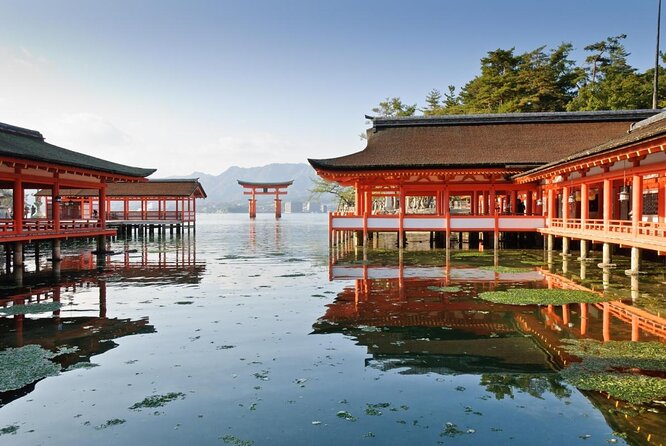
If you’re based in Osaka, Kyoto, or Fukuoka, this is one of the simplest ways to do Hiroshima and Miyajima in a single day. The best part isn’t just speed—it’s that you’re handed the big moving pieces (train seats, ferry ticket, key attraction fees) and guided step-by-step between them.
For your brain, it’s a big relief. You’re not comparing train times, rechecking ticket rules, or trying to figure out which gate number you’re supposed to stand under. You meet the guide at the station, get on the Shinkansen, then switch to a bus in Hiroshima for the rest of the day.
Also, this tour gives you two very different emotional tones in one trip. Hiroshima starts the morning with reflection at the Atomic Bomb Dome and museum. Miyajima shifts to a scenic, slightly whimsical island experience with deer roaming around and the Great Torii framed by water views.
Station Meeting Points, Shinkansen Timing, and the Real Logistics
Your day begins at the Shinkansen station in the morning, then runs on a tight schedule all the way back at night. From Osaka (Shin-Osaka Station), the meet point is Central Gate, 3rd Floor with departure around 8:18am. You’ll ride to Hiroshima Station by Shinkansen, and an assistant does not stay with you all the way to Hiroshima Station—but you’re guided to get on the correct train.
From Kyoto (Kyoto Station), the meet point is Shinkansen Central Gate, 2nd Floor with departure around 8:03am. From Fukuoka (Hakata Station), you meet at Chikushi Gate, in front of 3 Mailbox, with departure around 8:23am.
Once you arrive in Hiroshima, you meet your guide at Hiroshima Station Shinkansen Gate 2F (NORTH Exit). From there, the rest of the day is by tour bus, moving you between Hiroshima sights and the ferry pier.
On the return, the tour uses specific Nozomi/Sakura services:
- Osaka return: NOZOMI 56 from Hiroshima 18:43 to Shin-Osaka 20:04
- Kyoto return: NOZOMI 56 from Hiroshima 18:43 to Kyoto 20:19
- Fukuoka return: SAKURA 565 from Hiroshima 18:52 to Hakata 19:59
That fixed return time is part of the value—and part of the stress. You’re committing to being back at the station by the chosen train. If you’re the kind of traveler who likes lingering, you’ll need to treat this as a “highlights day,” not a slow cruise.
Atomic Bomb Dome and Peace Memorial Museum: How to Make the Time Count
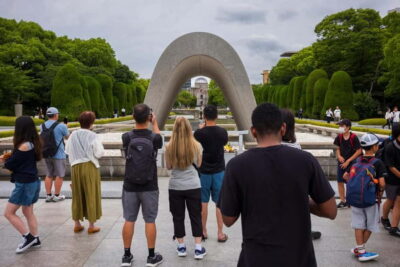
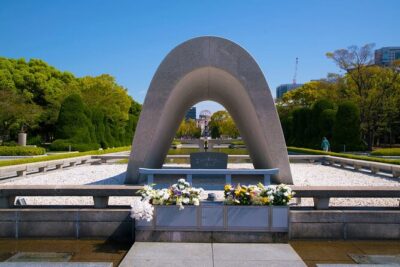
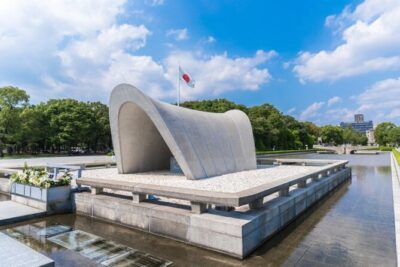
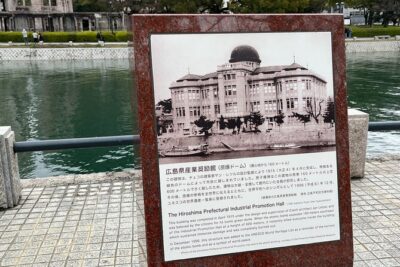
You get two stops that set the emotional tone: first the Atomic Bomb Dome (about 30 minutes), then the Hiroshima Peace Memorial Museum (about 60 minutes, admission included).
The Atomic Bomb Dome stop is short, but it works as a visual anchor. You see the building as a symbol first, then move into the museum for context. If you go in expecting a calm, easy walk-through, you’ll be surprised—this area is serious and many people visit in groups.
The museum is where you’ll likely feel the most impact. It can also be crowded, and the setup can feel a bit rushed because your schedule is timed. In practice, that means you should decide ahead of time what you want most: general understanding, specific exhibits, or a slower read of a smaller number of displays.
One very practical detail: the tour plans for museum closure. If the Hiroshima Peace Memorial Museum is closed, you’ll visit the Hiroshima National Peace Memorial Hall for the Atomic Bomb Victims instead. The listed closure days are Dec 30–31 and Feb 16–21.
If you’re traveling with a guide like Joe, Hiro, Kane, Tom, or Miyuki (I’ve seen these names in past groups), the pacing often depends on how they handle questions and emotional tone. Good guides keep things respectful while still moving the group. If your guide speaks more quietly or you miss a few points, you can still focus on the exhibits—you don’t need extra narration to understand the message.
Put this one next to a few other Osaka options first:

The Switch to Miyajima: Ferry Ride and Great Torii Photo Time
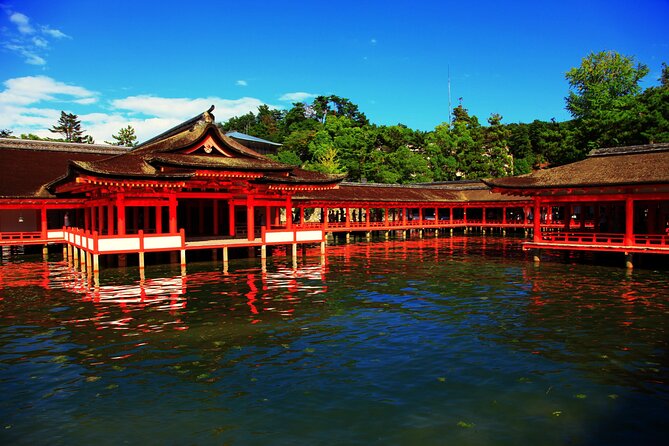
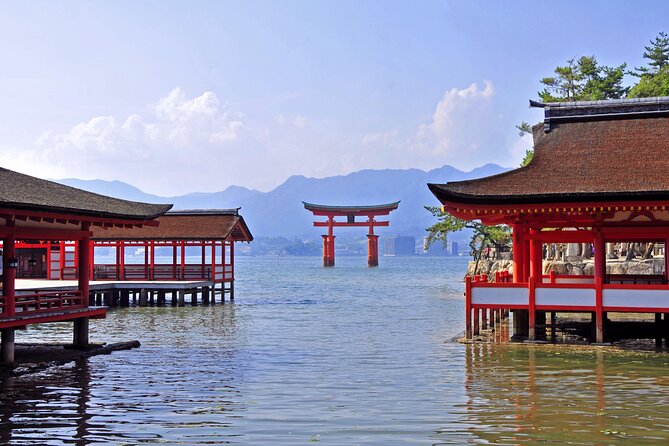
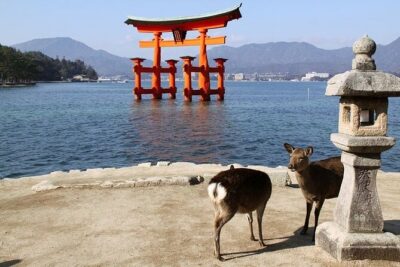
After the museum, the day turns toward Miyajima. Your next key stop is Miyajimaguchi, where you board a ferry described as the Great Torii ferry route, taking you closest to the Great Torii from the sea.
This is one of the highlights because it’s not just sightseeing—it’s the “aha” moment for the island. You’re approaching the shrine icon from water, so the Torii looks framed and complete, not like a distant postcard view. If weather is clear, this is where your photos usually come out best.
Expect the ferry ride to be part of the experience, not a boring transfer. It breaks up the intensity of Hiroshima with sea air and open sightlines. Even if you’re tired, you’ll likely feel a reset once the boat gets moving.
Itsukushima Shrine and Omotesando: Time for the Icon and Time for You
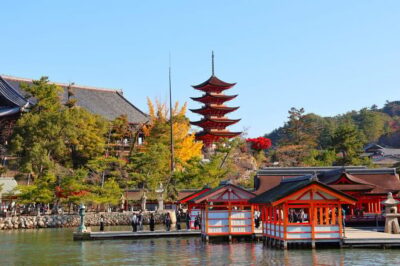
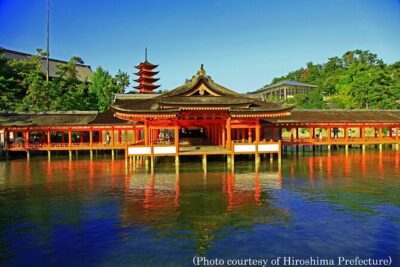
Once you reach the shrine area, you get about 60 minutes at Itsukushima Jinja (Itsukushima Shrine). This is enough time to take in the main views, walk the shoreline areas around the complex, and spot the details that make Miyajima feel special—like the interplay of water, architecture, and light.
One important planning reality: this isn’t a long wander. It’s scheduled time. If you want to stop for every photo angle, you’ll have to make trade-offs. A guide can help here by pointing out what to prioritize so you don’t burn your hour chasing every small side path.
Then you get free time at Miyajima Omotesandō Shopping Street for about 60 minutes. This is your chance to browse without a set agenda. Omotesandō is great for small snacks, souvenirs, and people-watching with less pressure than the big, guided sections of the day.
Miyajima also has deer. They tend to be less aggressive than the ones people talk about in Nara, but they will still try to get food. Keep your snacks controlled and don’t feed them unless you’re sure it’s allowed and safe.
Okonomiyaki Lunch: What You’re Eating (and the Diet Options That Matter)
Lunch is included, and it’s not just “a meal somewhere.” It’s Hiroshima-style okonomiyaki, served as pork, vegetarian, or no-fish/no-eggs options depending on what you request in advance.
The tour offers specific options:
- Regular okonomiyaki (with pork)
- No pork with eggs
- No pork, no fish powder, and no eggs
That matters if you’ve got dietary limits. Many tours offer one bland vegetarian plate; here you get a real menu pathway. You’ll need to inform the operator in advance about allergies and dietary restrictions because they can’t accommodate menu changes the day of the tour.
The described toppings for the Hiroshima-style version include pork, cabbage, bean sprouts, fish powder, noodles, and eggs. So even if you choose the “no pork” option, you might still get other elements like eggs, depending on the choice you made.
Also pay attention to the rule about food handling: you’re asked not to bring your own food or drinks into the restaurant. If you’re the type who carries emergency snacks, bring them for later, not for the lunch restaurant.
In reviews and feedback tied to this tour, people repeatedly call out that lunch feels like part of the experience—Hiroshima style, served at the right moment in the day, and actually filling enough to keep you going through the afternoon island walk.
Comfort on a Bus and the Group Reality You Should Expect
You travel by a comfortable air-conditioned tour bus after reaching Hiroshima. That’s huge in Japan summers when heat can sap your energy. You also get a driver and assistant support through the day, and groups are typically managed with set meeting points and short briefing moments.
The downside of bus tours is group rhythm. You’ll be with other people, and you’ll follow schedule priorities more than your own “one more stop” impulses. Some groups run on time; others get delayed when someone misses a meeting point. The better your group discipline, the smoother it feels.
You should also plan for limited “free-floating” time. Even at the shrine and shopping street, your windows are set. If you love slow travel, you may feel the clock. If you love hitting major sights efficiently, this format will feel like money well spent.
One small but real comfort detail: the tour provides earphone guides. You’re expected to handle them carefully and return them after use. If something is lost or damaged, replacement costs up to 18,000 yen are possible. It’s not just for convenience; it’s how you’ll catch the guide’s explanations, especially in crowded museum areas.
Price and Value: What You’re Paying For (and When It’s Worth It)
At $270.88 per person, this doesn’t feel cheap. But look at what’s bundled: round-trip Shinkansen, an air-conditioned bus, an English-speaking guide, included entrance fees for Itsukushima Shrine and the Hiroshima Peace Memorial Museum (or the alternative memorial hall), and the Miyajima ferry ticket. Lunch is also included.
One review point I found useful is the estimate that Shinkansen tickets alone can cost around $150 round trip. Even if your actual cost varies, that gives you a sense of why this tour price lands where it does: the train is the expensive core, and the operator is bundling it with everything else so you don’t do logistics hunting.
So who gets the best value?
- You want to avoid train-ticket stress and station navigation
- You want a guide to help interpret what you’re seeing in Hiroshima
- You like day trips that run on rails (fixed return time, fixed stops)
- You’re okay with limited time at each highlight
When it might not be worth it:
- You need lots of downtime built into your day
- You hate group pace and prefer private exploring
- You want deep museum reading time without crowds affecting you
- You’re sensitive to walking time and long stretches between breaks
Should You Book This Hiroshima and Miyajima Tour?
I’d book it if you want the best “first-timer” outline of Hiroshima plus the iconic island views of Miyajima, all without piecing together trains and tickets. The big win is that you get the essentials handled—Shinkansen access, ferry entry, shrine and museum admissions, and a Hiroshima-style okonomiyaki lunch that fits real dietary choices.
I wouldn’t book it if you’re the type who gets frustrated by tight schedules, crowded museums, or lots of moving parts in one day. This is a 12-hour highlights sprint. You can still have a meaningful experience—just go in knowing you won’t have endless time at each stop.
If you do book, I suggest you pack for walking and heat, and treat the museum visit as a “focus session,” not a casual stroll. With the right mindset, this tour gives you a powerful morning and a beautiful island afternoon in one shot.
FAQ
What does the tour include?
It includes round-trip Shinkansen (bullet train) tickets from Osaka, Kyoto, or Fukuoka; air-conditioned bus transportation; an English-speaking guide; lunch (Hiroshima-style okonomiyaki with options); entrance fees for Itsukushima Shrine and Hiroshima Peace Memorial Museum; and the Miyajima ferry ticket.
Do I need to buy any attraction tickets?
No. The tour includes entrance fees to the listed attractions, and the ferry and Shinkansen tickets are also included.
How long is the tour?
The duration is listed as about 12 hours.
Is okonomiyaki lunch included, and are there dietary options?
Yes. Lunch is included and you can choose options such as regular (pork), no pork with eggs, or no pork/no fish powder/no eggs. You need to inform the operator in advance about allergies and dietary restrictions.
What time do you leave from Osaka (Shin-Osaka Station)?
The meet time is 8:18am at Shin-Osaka Station Central gate, 3rd Floor.
Where do you meet the guide in Hiroshima Station?
You meet at Hiroshima Station Shinkansen gate 2F (NORTH Exit).
What happens if the Hiroshima Peace Memorial Museum is closed?
If it’s closed (listed closure days include Dec 30–31 and Feb 16–21), the tour visits Hiroshima National Peace Memorial Hall for the Atomic Bomb Victims instead.
Are earphones provided during the tour?
Yes. Earphone guides are provided, and you must return them after use. If they are lost or damaged, replacement fees up to 18,000 yen may apply.
Can I cancel for a full refund?
Yes, free cancellation is available. You can cancel up to 24 hours in advance for a full refund. Cancellation within 24 hours does not refund the amount paid.
More Tickets in Osaka
- Osaka Castle: Museum and Tower Entry Ticket★ 4.5 · 2,380 reviews
- Osaka: Umeda Sky Building Official E-Ticket★ 4.6 · 1,131 reviews
- Osaka/Kyoto: Hiroshima Miyajima Bus Tour & Shinkansen Ticket★ 4.7 · 919 reviews
- Osaka: Expo 2025 Admission Ticket★ 3.6 · 251 reviews
- Meet Osaka local Friend & Fun Chat All We Can Drink Party Ticket★ 5.0 · 201 reviews
More Tour Reviews in Osaka
- Osaka Go Karting Tour with Funny Costume★ 5.0 · 2,658 reviews
- Osaka Castle: Museum and Tower Entry Ticket★ 4.5 · 2,380 reviews
- Osaka: Shinsekai Food Tour with 13-15 Dishes at 5 Eateries★ 4.8 · 2,204 reviews
- Osaka Food Tour: 13 Dishes at 5 Local Eateries★ 5.0 · 2,149 reviews
- Hungry Osaka Street Food Tour:15 Tastings & 3 Drinks with a Local★ 5.0 · 1,727 reviews
The Hiroshima Run
- Osaka/Kyoto: Hiroshima Miyajima Bus Tour & Shinkansen Ticket★ 4.7 · 919 reviews
- Full Day Hiroshima and Miyajima Tour by Bullet Train from Osaka★ 4.5 · 117 reviews
- From Osaka: Hiroshima and Miyajima Day Trip by Bullet Train★ 4.6 · 83 reviews
- Hiroshima and Miyajima 1 Day Private Tour from Kyoto or Osaka★ 4.5 · 18 reviews
- Hiroshima and Miyajima Private Day Tour from Kyoto/Osaka★ 5.0 · 17 reviews
The Newest Osaka Write-Ups
- Private Photoshoot in Osaka with a Professional Photographer
★ 5.0 · 3 reviews - Osaka Early Morning Osaka Castle Tour Avoid Crowds
★ 5.0 · 3 reviews - Nara Private Tour with Pick and Drop and English Speaking Driver
★ 3.5 · 3 reviews - Osaka: Modern Vegetarian Sushi Cooking Class
★ 5.0 · 3 reviews - Nara Day Trip from Osaka with a Licensed Guide
★ 5.0 · 3 reviews
Hiroshima & Miyajima from Osaka, compared.
 ★ 4.7Osaka/Kyoto: Hiroshima Miyajima Bus Tour & Shinkansen TicketFrom $277919 reviews
 ★ 4.5Full Day Hiroshima and Miyajima Tour by Bullet Train from OsakaFrom $397117 reviews
 ★ 4.6From Osaka: Hiroshima and Miyajima Day Trip by Bullet TrainFrom $10483 reviews
 ★ 4.5Hiroshima and Miyajima 1 Day Private Tour from Kyoto or OsakaFrom $54318 reviews
 ★ 5.0Hiroshima and Miyajima Private Day Tour from Kyoto/OsakaFrom $89917 reviews
 ★ 3.5Hiroshima and Miyajima Private Tour with English Speaking DriverFrom $8529 reviews
 ★ 5.0Hiroshima Private Guided Tour from Osaka or KyotoFrom $3735 reviews
 ★ 3.0From Osaka/Kyoto: Hiroshima Miyajima Luxury Tour with GuideFrom $3914 reviews
Browse the lists this tour appears in