
Reviewed · OSAKA BIKE TOURS
Urban Canvas: Osaka Street Art Bike Tour
Osaka street art looks best on two wheels. This bike tour threads through Tenma, Juso, and Nakazaki-cho, where street art sits on walls, under bridges, and beside everyday life. You’ll cross the Yodo River, get guided commentary from a local resident, and roll through the city’s more industrial, off-radar neighborhoods.
I especially liked how the tour mixes real urban grit with art you can actually stop for and photograph. I also love the food rhythm: a break with pizza slices in a 100-year-old building, plus little stops that keep your energy steady.
One thing to consider: you’re out for 270 minutes riding, so wear comfortable shoes and be ready for a brisk pace. It’s not a fit for wheelchair users, and it’s not set up for mobility impairments.
In This Review
- Key Things I’d Prioritize on This Tour
- Tenma to Nakazaki-cho: Why This Tour Feels Like Real Osaka
- The Street Art Scene: What You’ll Actually Notice While Riding
- Tenma: Grit, Trains, and the Art That Lives in Plain Sight
- Over the Yodo River: A Quick Architecture Shift You Can Feel
- Juso: Underground-Life Commentary and Street Art With Edges
- Nakazaki-cho: The Hipster Enclave and the Pizza Slice Anchor
- The Bike, Timing, and Safety Stuff You Should Know
- Who This Osaka Street Art Bike Tour Is For
- Value: Is $87 a Good Deal for a 4.5-Hour Street Art Ride?
- Should You Book It?
- FAQ
- Where is the meeting point for the Osaka Street Art Bike Tour?
- How long is the tour, and is it a small group?
- What food and drinks are included?
- What happens if it rains during the tour?
- Is this tour suitable for children or for people with mobility issues?
- Can you smoke during the tour?
Key Things I’d Prioritize on This Tour
- Small group size (max 6): you ride together, ask questions, and still get time to photograph without feeling rushed.
- Guides who talk art and Osaka: English commentary focused on the work and the local street-life context.
- The Yodo River crossing into Juso: it’s a clear shift in mood, architecture, and street-energy.
- Street art across three neighborhoods: Tenma’s grittier feel, Juso’s urban edge, then Nakazaki-cho’s artsy, boutique vibe.
- A 100-year-old pizza stop: a simple meal that anchors the day in lived-in Osaka.
Keep pedalling, more of Osaka by bike
Tenma to Nakazaki-cho: Why This Tour Feels Like Real Osaka
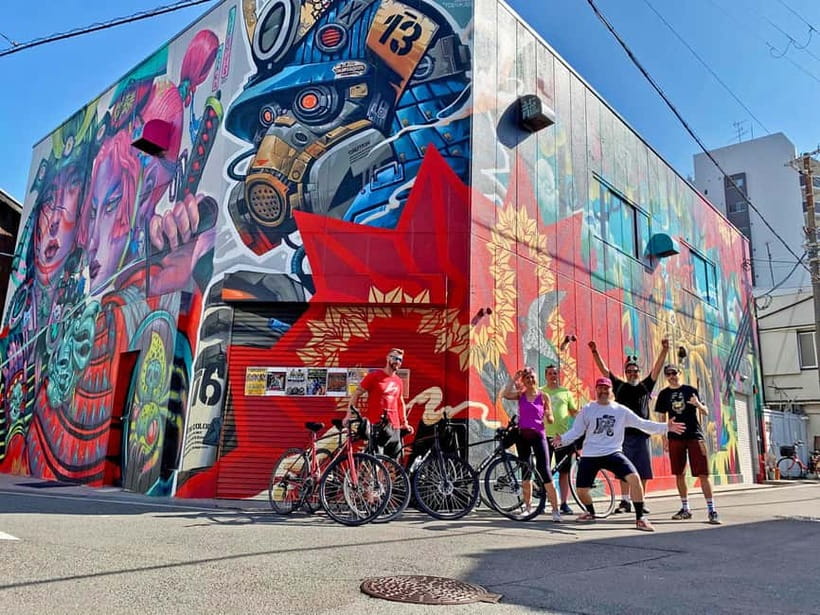
If you only see Osaka from big-name viewpoints, you miss the city’s visual “working room.” This tour is built for that gap. You ride through Tenma, then swing into Juso, and end in Nakazaki-cho. Each area has its own temperature: Tenma feels more worn-in and gritty, Juso has that dense, almost underground energy, and Nakazaki-cho is where art, shops, and galleries start feeling more curated—still very local, just more design-forward.
What makes it work is the pace and the format. You’re not doing a museum-style walk where you drift from sign to sign. Instead, you move through blocks at bike speed, then slow down when the art and the street life demand attention. That makes the visuals stick. A mural doesn’t feel like something you “saw.” It feels like part of the neighborhood you just rode through.
Another plus is the way the tour explains what you’re looking at. The guide isn’t only pointing at paint. You get context about Osaka’s underground life and how the local street art scene fits into everyday reality. In the same day, you’ll also notice urban architecture—bridges, train lines, rivers, and modern skylines—because you’ll be crossing them, not just viewing them from a distance.
The Street Art Scene: What You’ll Actually Notice While Riding
Osaka street art can be easy to underestimate until you’re close enough to read it with your eyes. On this tour, you’re close. You’ll see work from local and international artists, and you’ll be in the type of neighborhoods where street art isn’t just a weekend attraction. It’s integrated into the look of the streets.
The best part is the “how to look” angle. The guides (for example, Ruben and Eric have led this tour) seem to guide your attention. You learn what matters: style choices, placement, and how certain walls function like public bulletin boards. You’ll also have time to stop and photograph the pieces rather than being herded through.
A practical tip: bring your camera and take a few minutes to shoot from different angles. Since many works are positioned against textures—concrete, old storefront walls, and bridge-adjacent surfaces—angle matters. Straight-on shots look fine, but a slight tilt often shows layers you’d miss.
If you love collecting facts, here’s a small consideration. The tour gives you a lot of art details in real time. One helpful move for you: snap a quick photo of any “key point” the guide mentions, or jot 3–5 notes on your phone right after each stop. That way the details don’t fade before dinner.
Tenma: Grit, Trains, and the Art That Lives in Plain Sight
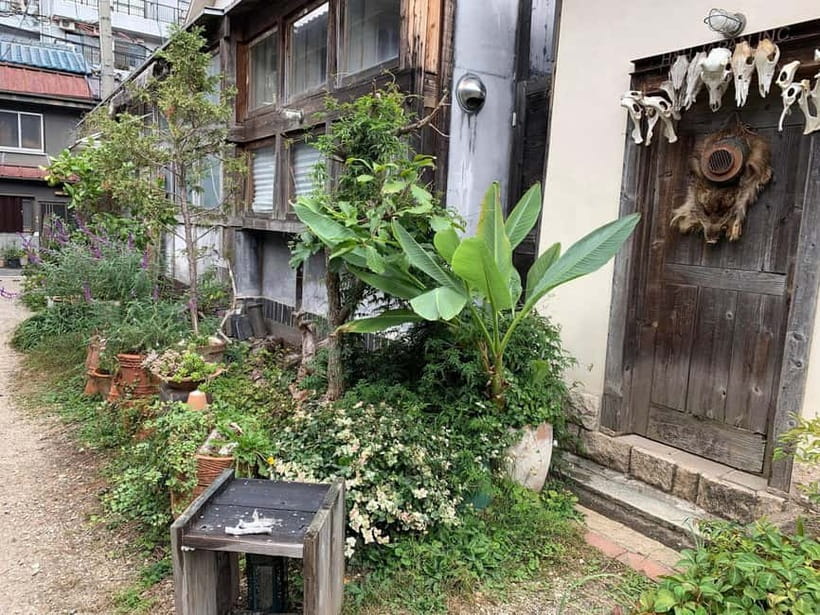
Your day starts in Tenma. This is the “workaday Osaka” side of town—less shiny, more lived-in. You’ll feel it immediately in the streetscape: tight blocks, practical buildings, and the kind of visual clutter that makes street art feel natural rather than staged.
During this first stretch, look for pieces that seem built for their surroundings. Some murals blend into the grime; others pop with color. Either way, you’ll start to see patterns: how artists use wall space, how they lean into the neighborhood’s rhythm, and how the city’s infrastructure (think rail lines and bridges) creates a background you can’t fake.
Tenma also sets you up well for the day’s main transition. After you’ve gotten your eyes trained, the ride toward the Yodo River feels like a moving curtain change—same city, different vibe.
More saddle time around Osaka
Over the Yodo River: A Quick Architecture Shift You Can Feel
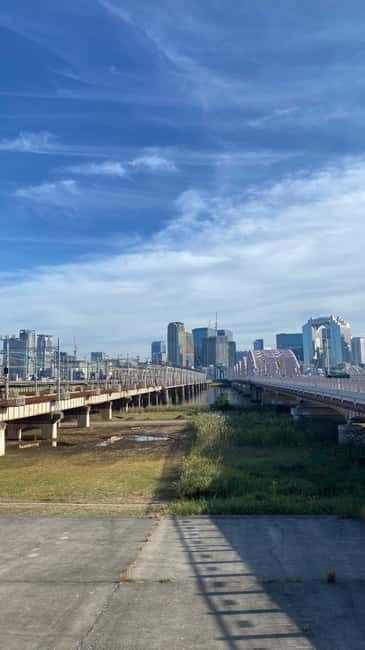
The tour’s big geographic moment is crossing the Yodo River into Juso. Even if you don’t care about architecture in the textbook sense, you’ll notice the change because the ride forces it on you. From the bike seat, you experience the scale—how wide the river looks from the bridge, how the view opens and closes, and how the neighborhood layouts shift on the other side.
You also pick up Osaka’s “in-between” structures. Bridges connect more than land. They connect identities. The moment you cross, the streets you roll into feel more layered—more alleys, more under-bridge visual energy, and more signs that the city runs on people who know the routes, not tourists who just came for a picture.
This is a great time to slow down with your camera. Stop when your guide tells you to, but also watch the edges of frames. Many street art pieces are placed so they’re most visible from specific angles—bridge approaches and corners seem to matter.
Juso: Underground-Life Commentary and Street Art With Edges
Juso is the neighborhood that gives this tour its personality. It’s also the part that feels least like a typical “must-see” day. The tour description focuses on local street art culture and underground life, and that theme lands as you ride through Juso’s more intense urban fabric.
You’ll get commentary from a local resident, which is a big deal. It turns street art from decoration into language. You start understanding what the neighborhood values, what people talk about, and why certain forms of expression show up where they do. Even if you’re not fluent in Japanese, you’ll still grasp the ideas because the guide connects the art to how people live here.
Expect lots of visual noise in the best way: graffiti, layered posters, and pieces that sit right next to everyday signage. That mix can be overwhelming if you’re walking alone. On a bike tour, it’s manageable—your guide helps you pick what matters and where to focus.
One more thing: Juso is often where you’ll feel the city’s after-hours logic even in daylight—less “clean museum” and more “Osaka keeps going.” That’s part of why it’s a standout segment.
Nakazaki-cho: The Hipster Enclave and the Pizza Slice Anchor
After the gritty intensity of Juso and Tenma, Nakazaki-cho feels like a change in styling. You’ll find boutique shops and galleries, plus a neighborhood flow that feels more arts-forward while still grounded in daily life.
This is where the tour’s food moment pays off. You visit a local institution serving pizza slices in a 100-year-old building. That detail matters more than it sounds. A modern meal in a historic container gives you a second layer to the day: street art outside the building, then a simple, local comfort inside.
The pizza stop is included, along with water. So you’re not trying to time your appetite around optional add-ons. It’s a smart setup for a 4.5-hour ride: calories, hydration, and a chance to cool your brain after hours of visual input.
Also, the guide includes stops that can involve coffee and an old-school standing bar feel. Since only pizza and water are explicitly listed as included, you should still plan to cover any extra drinks or snacks you choose. But the point of those pauses is clear: keep the day moving without frying your legs or your attention span.
The Bike, Timing, and Safety Stuff You Should Know
This is a small-group tour limited to 6 participants. That matters because it keeps the ride more relaxed and easier to manage. You’ll get a helmet and a bike, and you’ll ride with a live English guide.
The duration is 270 minutes. In plain terms, that’s long enough that you’ll want to pace yourself. One real-world note from the experience is that the ride can be around 23 km in almost 4 hours, depending on the pacing and photo stops. That’s not a casual stroll, but it’s also not an all-out training session. It’s “steady and scenic,” with breaks where you need them.
You should bring:
- Comfortable shoes (you’ll likely do some walking alongside the bike)
- A camera (you’ll want proof of the pieces you see)
- Comfortable clothes for weather and movement
You’ll also be asked to provide everyone’s heights and any dietary restrictions. That’s not busywork. It helps the operator get the bike fit right and handle meal needs smoothly.
Not allowed: smoking. So if you’re a smoker, plan accordingly before you start.
Rain is handled with a clear rule: if the chance of rain is higher than 60% during the tour time, the tour cancels and offers another date or a full refund. Make sure you can be reached.
Who This Osaka Street Art Bike Tour Is For
This tour is ideal if you:
- Like street art and want more than a few “Instagram murals”
- Enjoy getting context about neighborhoods, not just viewing buildings
- Prefer guided structure over wandering alone in complex areas
- Want to cover serious ground in one day without exhausting yourself
It’s also a good match if you’re comfortable riding a bike for a few hours. The tour is not suitable for wheelchair users, and it’s not designed for people with mobility impairments.
For kids, it’s not really a family tour. Children under 10 aren’t suitable, and children under 13 are not recommended. That’s partly because of the pace and partly because it’s easier to lose focus during long visual stops if you’re managing kid energy.
If you’re traveling solo or as a couple, the small group size keeps it social without turning into a bus tour.
Value: Is $87 a Good Deal for a 4.5-Hour Street Art Ride?
At $87 per person for a 270-minute tour, you’re paying for three things: time with a guide, bike logistics (bike + helmet), and a food inclusion (pizza slice plus water). For Osaka, that’s a fair structure for an experience that also covers multiple neighborhoods and a real photo-and-stop rhythm.
The “value” part is how it avoids the common pitfalls:
- You don’t spend the whole day transferring between distant sights.
- You get context about street art culture, not just surface visuals.
- You get one included meal anchor, which helps keep the day stress-free.
Could you DIY some street art with a map and a train pass? Sure. But it’s hard to replicate the combination of bike movement, local street-life commentary, and the pacing that gives you time to photograph.
Should You Book It?
I’d book this Osaka street art bike tour if you want the city’s less-touristy side, with street art that feels embedded in real neighborhoods. The Tenma-to-Juso energy shift is the main reason to choose it, and the Nakazaki-cho pizza stop in a 100-year-old building gives the day a memorable ending.
Skip it if you want mostly indoor, low-walking sightseeing, or if you’re not comfortable with 270 minutes of riding and movement. Also think twice if your plans can’t handle a possible rain cancelation, since the weather threshold is specific.
If you go, do two things: wear comfy shoes, and treat your camera like part of the itinerary, not an afterthought. You’ll come home with photos—and a better sense of how Osaka’s street art fits into everyday life.
FAQ
Where is the meeting point for the Osaka Street Art Bike Tour?
The meeting point is 10 minutes on foot from Tenmabashi station on the Osaka Metro/Keihan Line.
How long is the tour, and is it a small group?
The tour lasts 270 minutes and is limited to 6 participants, with a live English guide.
What food and drinks are included?
A pizza slice and water are included.
What happens if it rains during the tour?
If the chance of rain is higher than 60% during the tour time, the tour is canceled and you can choose a different date or receive a full refund.
Is this tour suitable for children or for people with mobility issues?
Children under 10 are not suitable, and children under 13 are not recommended. The tour is also not suitable for people with mobility impairments or wheelchair users.
Can you smoke during the tour?
No. Smoking is not allowed.
Two Wheels, More of Osaka
- 5-Hour Osaka Bike Tour to the Neighborhood of Osaka Castle★ 5.0 · 319 reviews
- One-Day Osaka Bike Adventure: 5–6 Hours★ 5.0 · 246 reviews
- Eat, Drink & Cycle: Osaka Foodie Bike Tour★ 5.0 · 224 reviews
- Osaka E-Bike Tour with a Local Guide★ 5.0 · 219 reviews
- 5-Hour Osaka Highlights Bike Tour with Lunch★ 4.8 · 146 reviews
More Tour Reviews in Osaka
- Osaka Go Karting Tour with Funny Costume★ 5.0 · 2,658 reviews
- Osaka Castle: Museum and Tower Entry Ticket★ 4.5 · 2,380 reviews
- Osaka: Shinsekai Food Tour with 13-15 Dishes at 5 Eateries★ 4.8 · 2,204 reviews
- Osaka Food Tour: 13 Dishes at 5 Local Eateries★ 5.0 · 2,149 reviews
- Hungry Osaka Street Food Tour:15 Tastings & 3 Drinks with a Local★ 5.0 · 1,727 reviews
Osaka From the Saddle
- 5-Hour Osaka Bike Tour to the Neighborhood of Osaka Castle★ 5.0 · 319 reviews
- One-Day Osaka Bike Adventure: 5–6 Hours★ 5.0 · 246 reviews
- Eat, Drink & Cycle: Osaka Foodie Bike Tour★ 5.0 · 224 reviews
- Osaka E-Bike Tour with a Local Guide★ 5.0 · 219 reviews
- 5-Hour Osaka Highlights Bike Tour with Lunch★ 4.8 · 146 reviews
The Newest Osaka Write-Ups
- Private Photoshoot in Osaka with a Professional Photographer
★ 5.0 · 3 reviews - Osaka Early Morning Osaka Castle Tour Avoid Crowds
★ 5.0 · 3 reviews - Nara Private Tour with Pick and Drop and English Speaking Driver
★ 3.5 · 3 reviews - Osaka: Modern Vegetarian Sushi Cooking Class
★ 5.0 · 3 reviews - Nara Day Trip from Osaka with a Licensed Guide
★ 5.0 · 3 reviews
Osaka Bike Tours, compared.
 ★ 5.05-Hour Osaka Bike Tour to the Neighborhood of Osaka CastleFrom $87319 reviews
 ★ 5.0One-Day Osaka Bike Adventure: 5–6 HoursFrom $106246 reviews
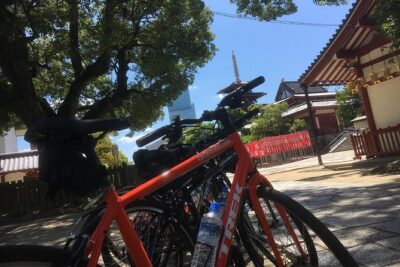 ★ 5.0Eat, Drink & Cycle: Osaka Foodie Bike TourFrom $99224 reviews
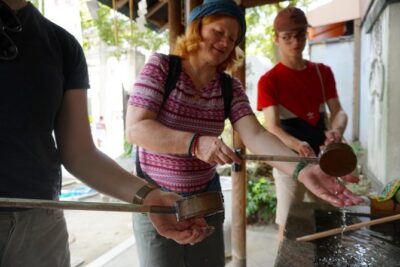 ★ 5.0Osaka E-Bike Tour with a Local GuideFrom $59219 reviews
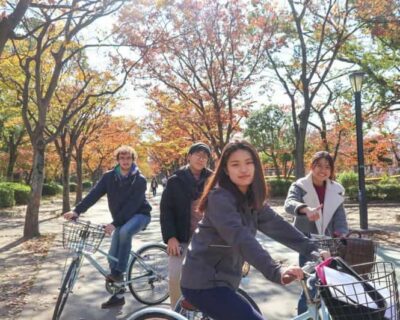 ★ 4.85-Hour Osaka Highlights Bike Tour with LunchFrom $85146 reviews
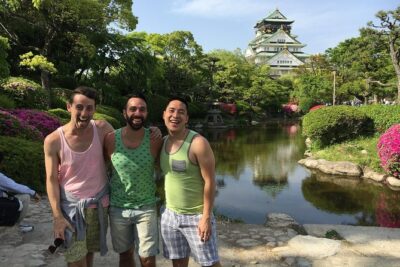 ★ 5.0Osaka in a Nutshell: Three hour bike tourFrom $72121 reviews
★ 4.7Osaka E-Bike Tour With A Local GuideFrom $5775 reviews
★ 5.0Osaka in a Nutshell: Three hour bike tourFrom $72121 reviews
★ 4.7Osaka E-Bike Tour With A Local GuideFrom $5775 reviews
 ★ 5.0Urban Canvas: Osaka Street Art Bike TourFrom $8947 reviews
Browse the lists this tour appears in