
Reviewed · OSAKA FOOD & TASTING TOURS
Umami Town Street Food Tour
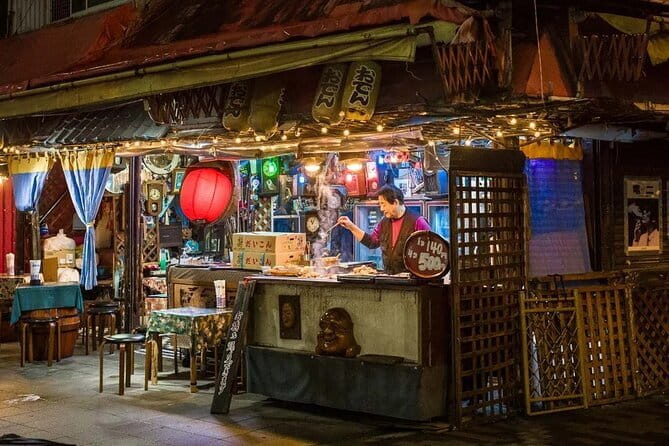
Osaka tastes better with a plan. This small-group Umami Town Street Food Tour turns a simple food crawl into a guided lesson on why Osaka favorites like takoyaki and okonomiyaki taste so good, with tastings spread across classic neighborhoods.
I really like the max 7 travelers setup because it keeps the day personal and lets you ask questions without feeling rushed. I also love that guides bring local logic to each stop, so you’re not just eating, you’re learning how to spot quality and order with confidence.
One possible drawback: the pace is active. You’re on your feet for about 5 hours, and the tour includes dinner, snacks, and alcoholic beverages, so come hungry (and be ready to walk).
In This Review
- Key things you’ll notice right away
- Entering the day from Minami-Morimachi: the start that sets the tone
- Tenmangu Shrine: a free cultural pause before the street food starts
- Kuromon Market: Osaka’s Kitchen and the fastest path to takoyaki-style confidence
- Dotonbori Tsuribori: neon power, okonomiyaki atmosphere, and the Osaka night-market feeling
- What the $175 price really buys in a 7-person group
- The included tastings: what to expect beyond takoyaki and okonomiyaki
- How the guides make or break this kind of tour
- Timing and logistics that actually matter while you’re hungry
- Who this tour suits best (and who might want a different plan)
- Should you book Umami Town Street Food Tour?
- FAQ
- How long is the Umami Town Street Food Tour?
- Where does the tour start and when?
- What stops are included?
- Is admission included for the shrine and market stops?
- What’s included in the price?
- Is free cancellation available?
Key things you’ll notice right away
- A guide-led day, not a free-for-all: you’ll be steered toward specific stalls and dishes, then helped with ordering and context.
- Umami is the theme: you’ll connect flavors to ingredients, not just “try this because it’s popular.”
- Three heavy-hitters in one outing: Tenmangu Shrine, Kuromon Market, and Dotonbori’s sign-and-neon street scene.
- Small group energy: up to 7 people means better back-and-forth, especially if your group has mixed food comfort levels.
- Included food and drinks: dinner, snacks, bottled water, plus alcoholic beverages are part of the price.
- Named guides with real care: reviews specifically highlight guides like Miyo, Miso, and Yuka for preparation and flexibility.
Come hungry: more eating your way through Osaka

Entering the day from Minami-Morimachi: the start that sets the tone
The tour starts at 10:00 am at Minami-Morimachi Station, address listed as 2 Chome-1 Minamimorimachi, Kita Ward, Osaka. Because you meet near public transportation, it’s easier to plug this into a real Osaka itinerary instead of trying to race across the city at the last minute.
What I like about this kind of start is how it reduces stress. You show up, you get oriented, and you’re off—no long pre-meeting speeches, no “good luck finding the food.” The tour also uses a mobile ticket, which helps if you’re juggling phones, transit, and cameras all day.
Tenmangu Shrine: a free cultural pause before the street food starts
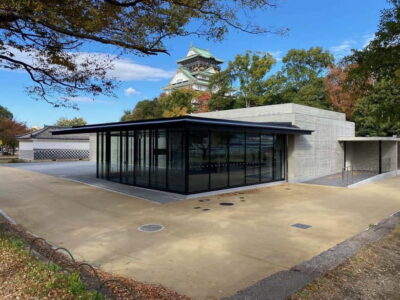
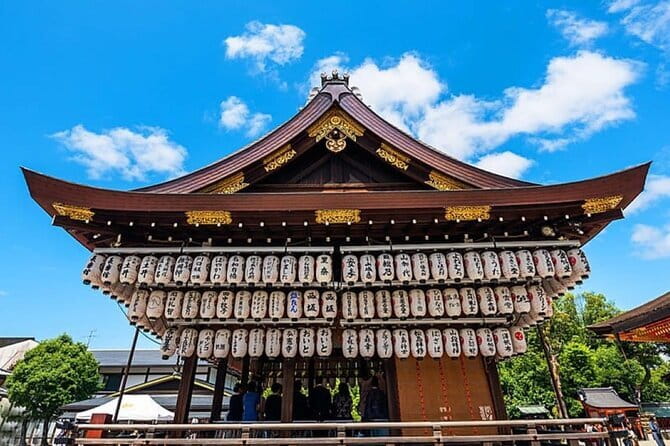
The first stop is Osaka Tenmangu Shrine, with admission listed as free. This shrine is dedicated to Sugawara no Michizane, deified as Tenjin, associated with learning and scholarship.
This first hour isn’t just sightseeing padding. It gives your brain a quick reset before you jump into sensory overload at markets and food streets. If you’re traveling with anyone who gets overwhelmed by crowded food areas, this early calm moment helps the day feel more balanced.
One thing to consider: a shrine stop means a bit of walking and standing in the morning. If you’re not into temple etiquette or quieter spaces, you might want to treat it as a short, respectful stop and then shift your focus to eating—because the real energy comes next.
Kuromon Market: Osaka’s Kitchen and the fastest path to takoyaki-style confidence
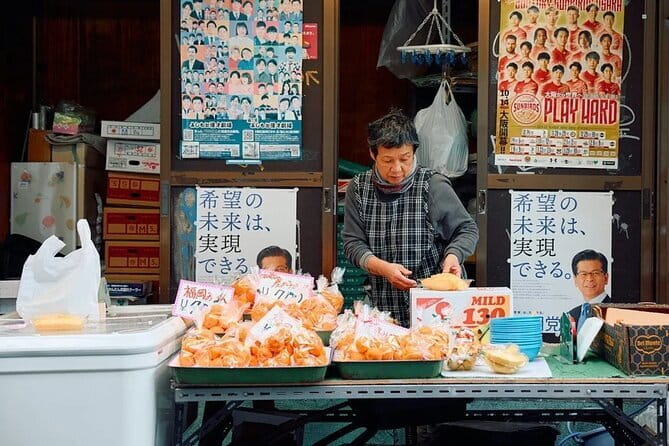
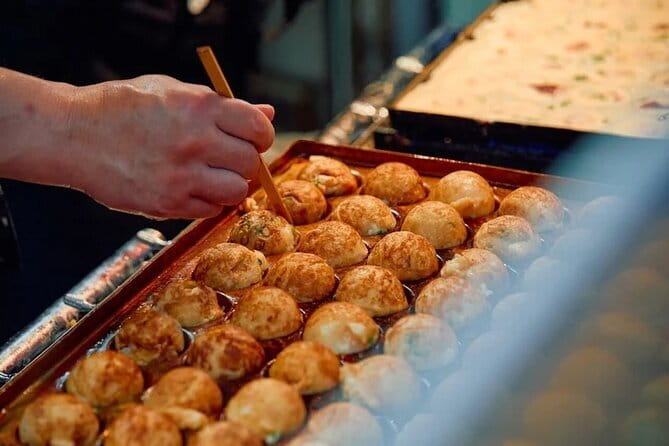
Next up is Kuromon Market, listed as about 30 minutes with admission also free. This is one of Osaka’s best-known street-food zones, famous for fresh seafood and meat, plus grab-and-go snacks like takoyaki and sushi.
In practical terms, Kuromon Market is where you learn how to move. You’re not trying to “figure it out” in your own head while crowds press in. Your guide’s job is to help you understand what you’re seeing and how to choose from what’s in front of you.
And this is where the umami theme starts making sense. You’ll learn about ingredients behind dishes such as takoyaki and okonomiyaki. That matters, because it turns what could be random eating into a set of repeatable skills: you begin to notice what makes one bite taste deeper than another.

Dotonbori Tsuribori: neon power, okonomiyaki atmosphere, and the Osaka night-market feeling
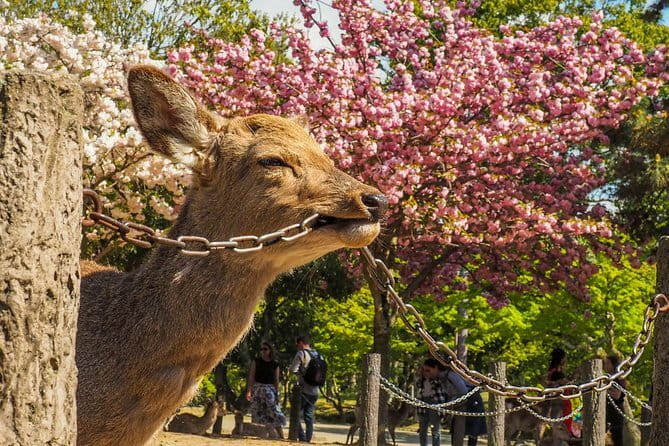
The final stop is Dotonbori Tsuribori, about 1 hour. This is Osaka’s entertainment district area known for neon lights, big signboards, and street food hits like takoyaki and okonomiyaki.
This part of the tour is what most people picture when they think of Osaka street life. Even if you’ve walked Dotonbori before, doing it with a food focus helps you slow down just enough to pick up flavors and ordering details you might miss while you’re hunting photos.
You’ll also get more context for the dishes you’re tasting. Okonomiyaki especially benefits from a guide, because it’s a dish where small differences in cooking style and toppings can change the whole experience.
A quick reality check: Dotonbori can be loud and busy. It’s fun, but it’s not the calm ending of the day. If you get overstimulated in big crowds, bring that in as a consideration and pace yourself—your guide can help you choose when to slow down for the tastings.
What the $175 price really buys in a 7-person group
At $175 per person for about 5 hours, you’re paying for more than food. You’re buying time-saving routing, ordering help, and a guide who can translate food culture on the spot.
Here’s what’s included: dinner, snacks, bottled water, and alcoholic beverages. That’s a big deal in Osaka, where a lot of “food tours” look cheap until you add your own drinks and meals. In this case, you can treat it like one planned meal plus extras rather than a collection of small purchases.
You’re also in a maximum of 7 travelers group. In practical terms, that helps the guide keep an eye on your pace, answer questions faster, and adjust based on how adventurous people feel.
One more value point: multiple reviews mention guides who went beyond the basic script. Miyo is singled out for warmth and flexibility, including changes to the final stop. Miso is highlighted for sharing extra facts—like hidden tunnels in the area—while also keeping the food portion high quality. Yuka is described as going above and beyond to make people comfortable, and at least one review mentions a guide standing in line ahead of time for a popular cheesecake.
You don’t have to know every technical term to enjoy that. What you feel is simple: better routing, better food choices, and fewer wasted minutes standing in the wrong place.
The included tastings: what to expect beyond takoyaki and okonomiyaki

The tour is built around Osaka street-food favorites, including takoyaki and okonomiyaki. But the bigger win is that you’re sampling a range during the walking loop instead of getting one big restaurant meal and calling it a day.
The tour description also frames Osaka as a major hub for street food, and the itinerary supports that with markets and street districts. Plus, the “alcoholic beverages” inclusion means this isn’t a dry, soda-only tasting experience. You can expect the guide to guide you toward pairings or at least keep drinks part of the flow.
From reviews, I’d also note that some tastings mentioned include fugu (not guaranteed in every group, but it shows the tour can include more than the usual carb-and-fried staples). If you’re adventurous, that’s a fun sign. If you’re not, you can still ask for guidance on what’s most comfortable for you.
How the guides make or break this kind of tour
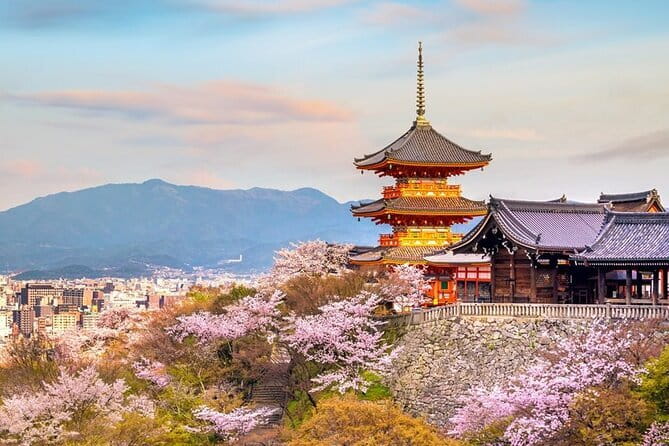
This tour lives and dies by the guide. The setup works because the food is dense and the choices can be overwhelming—especially if you don’t read Japanese menus easily or you’re unsure where to stand.
Reviews highlighted several named guides:
- Miyo is praised for making the day feel meaningful, including tailoring the route (and even switching the final stop).
- Miso is praised for adding on-the-street context, including interesting local details like hidden tunnels.
- Yuka is praised for making the group comfortable and for going extra steps to support the experience.
The practical takeaway for you: pick this tour if you want a guide to translate the city while you eat. If you’d rather roam freely with zero structure, you might find this feels less like discovery and more like following a plan. But if you like being taught while you taste, the guide role here is the point.
Timing and logistics that actually matter while you’re hungry
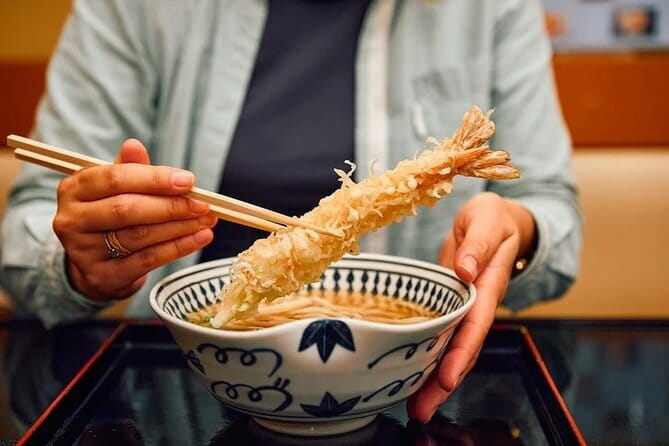
You’re out for about 5 hours starting at 10:00 am, and you return to the meeting point at the end of the experience. That timing matters because it fits well between morning sightseeing and evening plans.
Because the day includes dinner, snacks, bottled water, and alcohol, you’ll want to treat this like your main food event for the day. If you snack heavily beforehand, the last tastings in Dotonbori can feel like a chore instead of a highlight.
Also, plan your clothing for walking. Markets and street districts mean lots of moving, and you’ll likely stop often. Wear shoes you trust.
Who this tour suits best (and who might want a different plan)
This is ideal if you:
- want to eat classic Osaka street foods in one outing (not a series of solo detours)
- like learning about ingredients and flavor logic behind the dishes
- enjoy small groups where you can ask questions
- want your guide to suggest what to try and where to go next
It may be less ideal if you:
- want a private tour with no group pace
- need long sit-down restaurant time
- strongly prefer non-walking sightseeing days (because this is built as a walking food route)
Should you book Umami Town Street Food Tour?
Yes—if you want an Osaka food day that feels guided, efficient, and built around flavor understanding. The small-group size, included dinner and drinks, and the three big stops (Tenmangu Shrine, Kuromon Market, Dotonbori) make it a strong value proposition for a first-time Osaka visit.
Also, take the reviews seriously when they praise guides like Miyo, Miso, and Yuka for preparation and flexibility. That’s the difference between a basic tasting and a day that feels organized, thoughtful, and genuinely enjoyable.
If you’re someone who hates crowds or gets overwhelmed by noise, you can still enjoy it, but you’ll want to pace yourself during the Dotonbori portion.
FAQ
How long is the Umami Town Street Food Tour?
The tour lasts about 5 hours.
Where does the tour start and when?
It starts at Minami-Morimachi Station (2 Chome-1 Minamimorimachi, Kita Ward, Osaka) at 10:00 am, and it ends back at the meeting point.
What stops are included?
The itinerary includes Osaka Tenmangu Shrine, Kuromon Market, and Dotonbori Tsuribori.
Is admission included for the shrine and market stops?
Admission is listed as free for the stops shown, including the shrine and the market.
What’s included in the price?
Included are dinner, snacks, bottled water, and alcoholic beverages.
Is free cancellation available?
Yes. Free cancellation is available up to 24 hours in advance for a full refund.
More Tour Reviews in Osaka
- Osaka Go Karting Tour with Funny Costume★ 5.0 · 2,658 reviews
- Osaka Castle: Museum and Tower Entry Ticket★ 4.5 · 2,380 reviews
- Osaka: Shinsekai Food Tour with 13-15 Dishes at 5 Eateries★ 4.8 · 2,204 reviews
- Osaka Food Tour: 13 Dishes at 5 Local Eateries★ 5.0 · 2,149 reviews
- Hungry Osaka Street Food Tour:15 Tastings & 3 Drinks with a Local★ 5.0 · 1,727 reviews
The Kuidaore List: Eat More of Osaka
- Osaka: Shinsekai Food Tour with 13-15 Dishes at 5 Eateries★ 4.8 · 2,204 reviews
- Osaka Food Tour: 13 Dishes at 5 Local Eateries★ 5.0 · 2,149 reviews
- Hungry Osaka Street Food Tour:15 Tastings & 3 Drinks with a Local★ 5.0 · 1,727 reviews
- Deep Backstreet Osaka Tours (Option to add Dinner)★ 5.0 · 1,290 reviews
- Osaka Local Foodie Walking Tour in Dotonbori and Shinsekai★ 5.0 · 985 reviews
The Newest Osaka Write-Ups
- Private Photoshoot in Osaka with a Professional Photographer
★ 5.0 · 3 reviews - Osaka Early Morning Osaka Castle Tour Avoid Crowds
★ 5.0 · 3 reviews - Nara Private Tour with Pick and Drop and English Speaking Driver
★ 3.5 · 3 reviews - Osaka: Modern Vegetarian Sushi Cooking Class
★ 5.0 · 3 reviews - Nara Day Trip from Osaka with a Licensed Guide
★ 5.0 · 3 reviews
Osaka Food & Tasting Tours, compared.
 ★ 4.8Shinsekai Food Tour with 13-15 Dishes at 5 EateriesFrom $532,204 reviews
 ★ 5.0Osaka Food Tour: 13 Dishes at 5 Local EateriesFrom $732,149 reviews
 ★ 5.0Hungry Osaka Street Food Tour:15 Tastings & 3 Drinks with a LocalFrom $731,727 reviews
 ★ 5.0Deep Backstreet Osaka Tours (Option to add Dinner)From $531,290 reviews
 ★ 5.0Osaka Local Foodie Walking Tour in Dotonbori and ShinsekaiFrom $111985 reviews
 ★ 4.9Deep Backstreets Walking Tour with Dinner OptionFrom $40902 reviews
 ★ 4.9Hungry Osaka Street Food Tour: 15 Dishes & 3 DrinksFrom $79694 reviews
 ★ 5.0Kuromon Market Food Walking Tour in Osaka (6 stops, 6 tastes)From $50550 reviews
Browse the lists this tour appears in