
Reviewed · OSAKA
Osaka: Visit the must-see places.
Osaka hits hard on day one. I love the Spanish guide style, with Manuel Pérez guiding you through Osaka’s big stories, from Sengoku-era power at Osaka Castle to Buddhism’s roots at Shitennoji. I also love the food-and-photo payoff, from kushikatsu in Shinsekai to browsing Kuromon Market. The main catch: it’s a full day with a lot of walking, and it’s not set up for wheelchair users or baby carriages.
You start at Exit 3B Morinomiya subway station, hop around by subway with the guide, and end back near where you began. Transportation with the guide is included, but you’ll want comfortable shoes, some cash (or an IC card), and a flexible mood for a very packed itinerary that mixes temples, neighborhood culture, and nightlife-style neon.
In This Review
- Key things to know before you go
- Price and what you get for $73 in Osaka
- Subway logistics: cash is mandatory, even with a guide
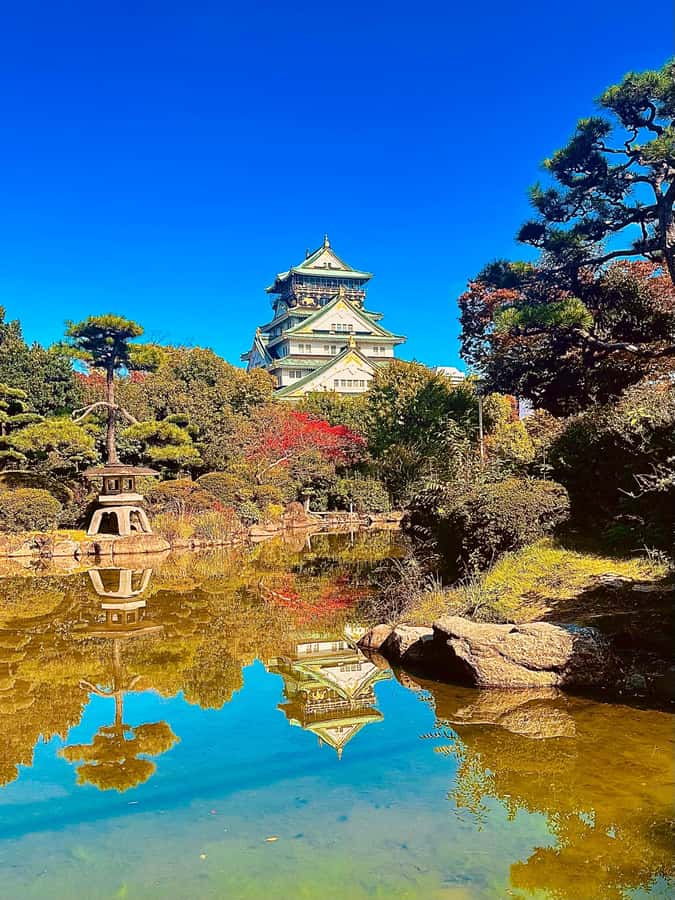
- Start at Osaka Castle: Toyotomi Hideyoshi’s 16th-century big moment
- Shitennoji Temple: oldest Buddhism in Japan and that five-story pagoda
- Isshin-ji Temple: the human-ashes statues tradition
- Shinsekai’s retro neon: Tsutenkaku and kushikatsu
- Kuromon Market: where Osaka eats and shop-hops
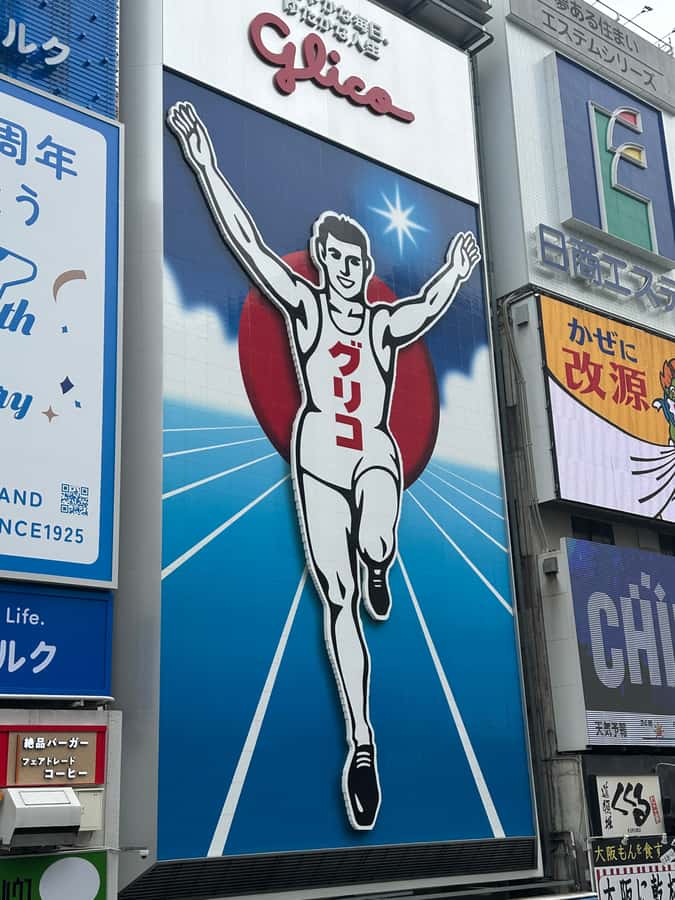
- Namba and Dotombori: Glico Man and the Kani Doraku crab
- The guide factor: why Manuel’s storytelling makes the day work
- Who should book this Osaka highlights tour
- Should you book? The quick decision guide
- FAQ
- What is included in the Osaka must-see places tour?
- How much does the tour cost?
- Where does the tour start?
- Where does the tour end?
- What language is the tour conducted in?
- Do I need cash for this tour?
- What should I bring?
- Are baby carriages allowed?
- Is the tour suitable for wheelchair users?
- What if I need to cancel?
- What places are included on the itinerary?
Key things to know before you go
- Manuel Pérez in Spanish keeps the history clear, detailed, and easy to follow.
- Osaka Castle + Sengoku context gives you a way to read the city beyond postcards.
- Shitennoji and Isshin-ji add real spiritual texture, including unique funeral customs at Isshin-ji.
- Shinsekai retro + kushikatsu is where Osaka stops being museum-only and becomes everyday street food culture.
- Kuromon Market is your practical stop for local bites and seafood shopping energy.
- Dotombori and Namba close with the famous Glico Man and Kani Doraku crab signs.
Not sold yet? See how this one holds up next to these Osaka picks.


Price and what you get for $73 in Osaka
At about $73 per person, this is priced like a full-day highlights tour where the guide handles logistics and context. What you’re paying for isn’t just “going places.” It’s the way the route stitches Osaka together: power and politics (Osaka Castle), early Buddhism (Shitennoji), a distinctive funeral tradition (Isshin-ji), then the city’s modern personality through Shinsekai, Kuromon Market, and the neon streets of Namba and Dotombori.
Because transportation by the tour guide is included, you’re not constantly figuring out subway transfers mid-day while trying to keep your place in a group. Meals and drinks aren’t included, so you still control what and where you eat—but your stops are chosen to make snack time easy and satisfying.
Just be honest with yourself about pacing. This is a lot of ground in one day. If you need lots of long sit-down breaks, you may feel it. If you’re the type who wants to see the “greatest hits” without missing the smaller cultural angles, this itinerary fits well.
Subway logistics: cash is mandatory, even with a guide
The tour travels by subway, and cash or an IC card is mandatory. The info spells out options like ICOCA, SUICA, or PASMO, and if you don’t have one, cash works. Either way, bring it before you head out.
Why this matters: temple stops and market stops don’t wait for anyone. If your transit payment is slow or missing, you’ll feel it quickly—especially in a tightly planned route. Also, the meeting point is specific: Exit 3B Morinomiya subway station. If you arrive late, you can miss the lead-in and the “start strong” rhythm that makes this tour work.
And yes, your shoes matter. You’ll move between parks, temple areas, and street neighborhoods. Comfortable, supportive footwear is the difference between enjoying the day and counting down your next rest stop.
Start at Osaka Castle: Toyotomi Hideyoshi’s 16th-century big moment
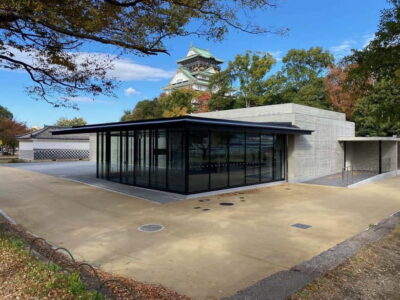
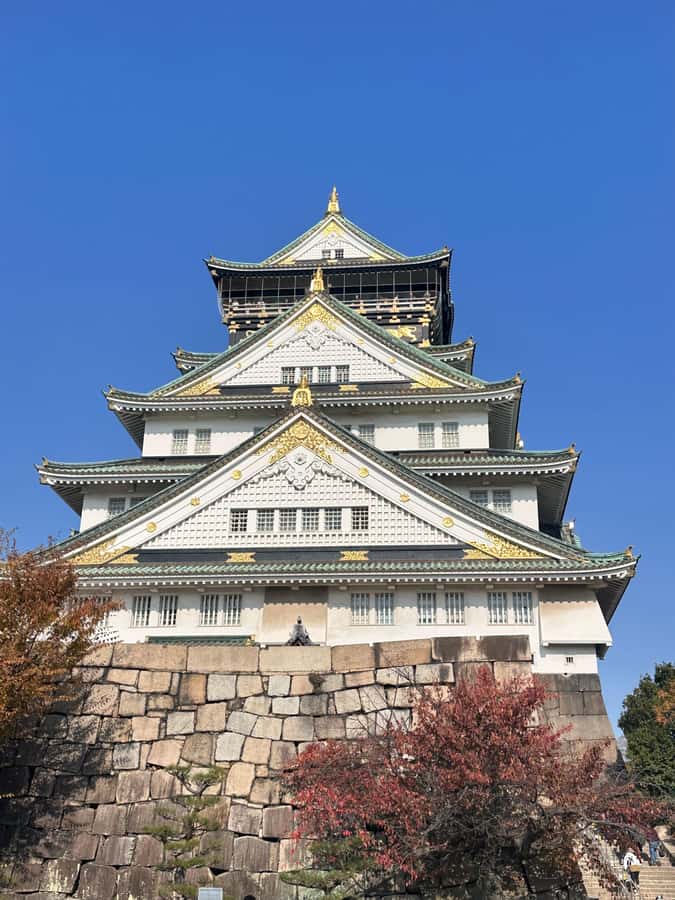
Osaka Castle is the kind of place that can feel like a history textbook—unless someone gives you the thread. This tour starts there for a reason: it anchors everything else.
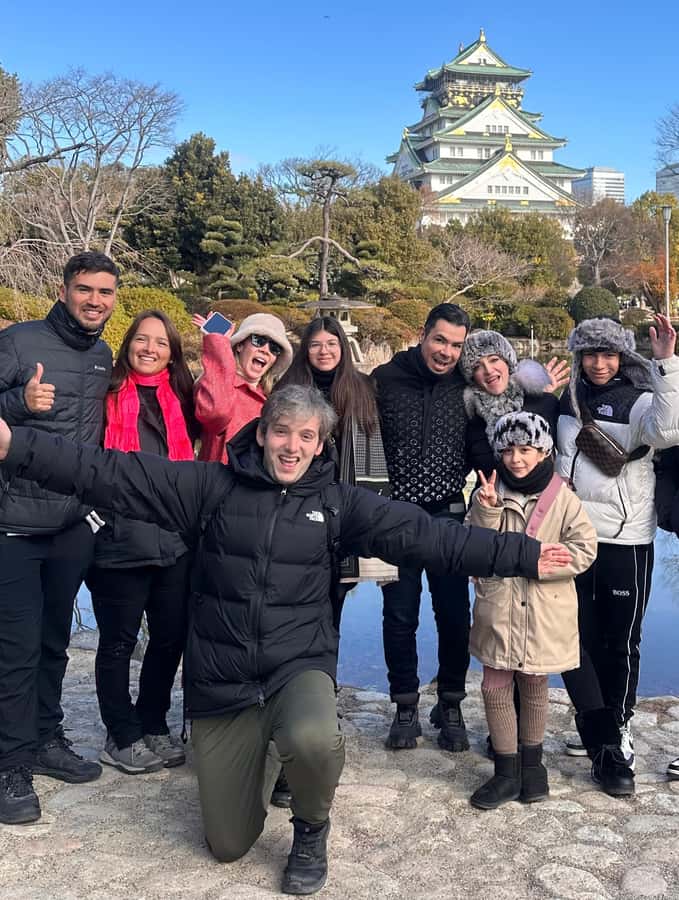
You’ll explore the castle’s surroundings and the park, with the guide explaining its story and its importance in the Sengoku period. The castle is tied to Toyotomi Hideyoshi, a key figure in Japan’s unification era, and that context helps you see Osaka not just as a food city, but as a power city.
What to watch for on-site: don’t treat it like only one building. The grounds and the broader area are part of the experience. The castle setting also gives you a strong mental map before you head toward older temple sites and then toward more casual neighborhoods later.
Possible consideration: if you’re expecting a totally relaxed pace, Osaka Castle can still feel like walking through a major visitor area. You’ll be fine if you go in ready to move.

Shitennoji Temple: oldest Buddhism in Japan and that five-story pagoda
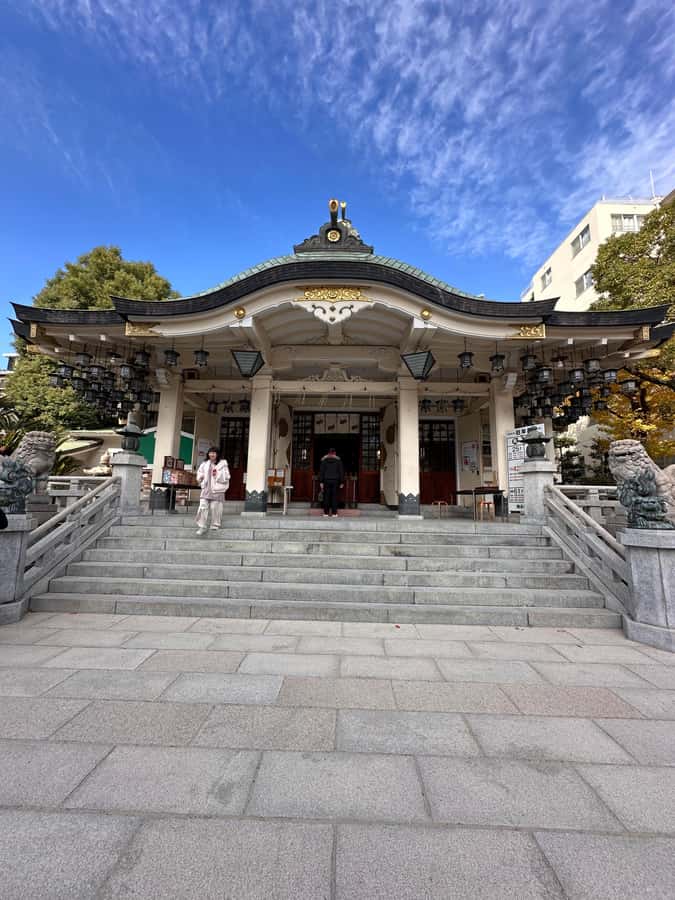
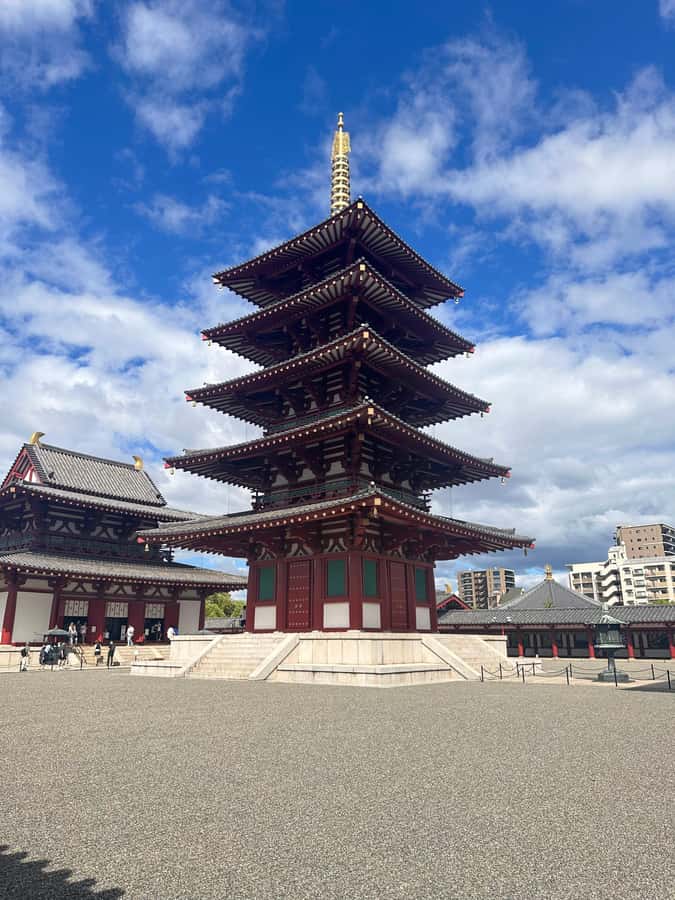
From Osaka Castle, the route shifts to Shitennoji Temple, described as the oldest Buddhist temple in Japan, founded in 593. This stop is where the tour earns its cultural weight.
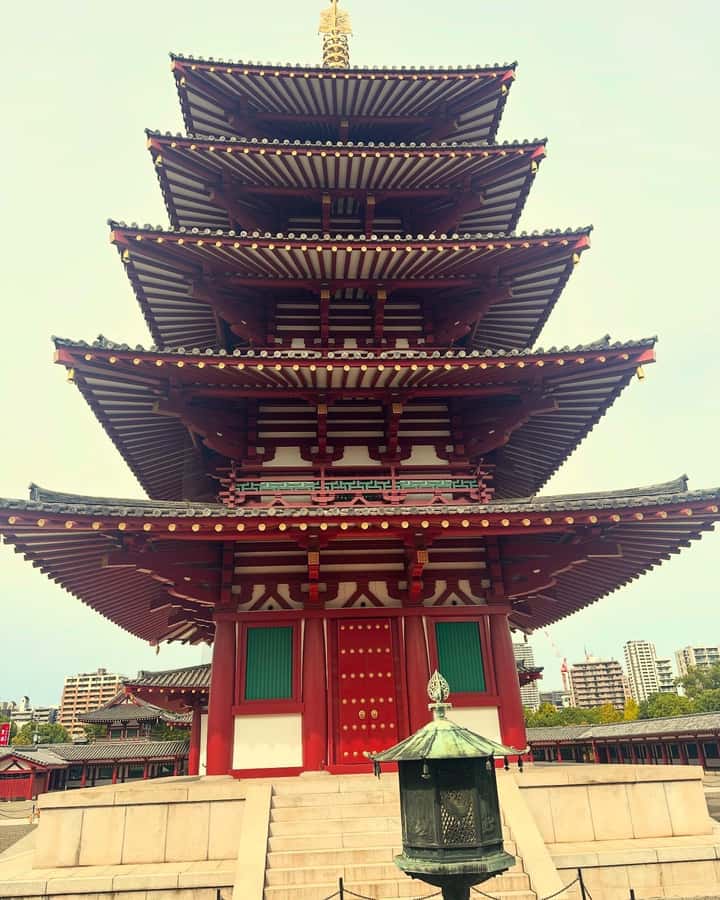
You’ll walk through a serene garden area and get the big visual moment: the imposing five-story pagoda. That pagoda isn’t just architecture trivia. It’s a way to understand how early Buddhism took root in Japan and developed a physical presence that still shapes the city.
Why this stop works for a one-day itinerary: it gives you a historical anchor before you move into the more unusual, emotionally intense theme at Isshin-ji. In other words, you get the “beginning” here, then the human side of religious practice next.
If you’re sensitive to sacred spaces: keep your voice low, dress respectfully, and let the calm parts of the garden slow you down for a bit.
Isshin-ji Temple: the human-ashes statues tradition
Next up is Isshin-ji Temple, one of the most distinctive stops on this route. It houses Buddhist statues made from human ashes, tied to a special tradition honoring the deceased.
This is a powerful and different kind of learning. It’s not just historical. It’s about how religion, memory, and funeral culture connect in Japan. Your guide’s job here is key: they’ll explain what you’re seeing so it doesn’t feel like random shock value.
Possible consideration: this stop can be emotionally heavy if you’re not expecting it. Going in with an open mind helps. You don’t need to feel anything intense on cue—you just need context so the site makes sense.
Shinsekai’s retro neon: Tsutenkaku and kushikatsu
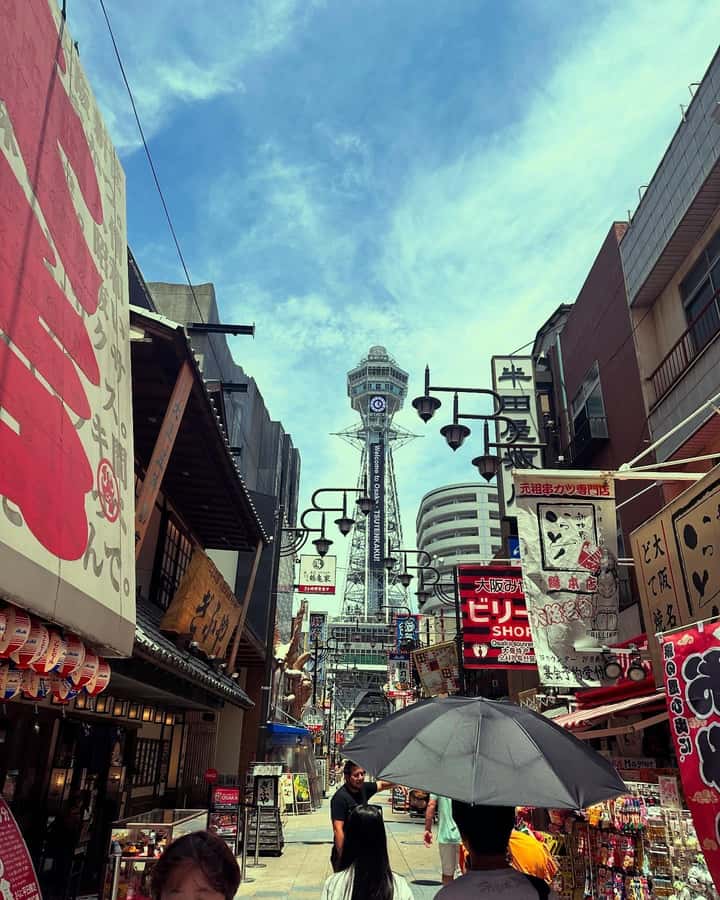
After temples, the tour moves into Shinsekai, a nostalgic neighborhood known for neon lights, traditional restaurants, and a retro atmosphere. This is the Osaka that feels lived-in rather than curated for tourists.
You’ll also visit Tsutenkaku Tower, a recognizable symbol of the area. Then comes one of the most fun parts: the chance to try kushikatsu—fried skewers, very much “street food as a ritual.”
A practical tip: kushikatsu is usually served in a way where you follow the local flow, not the fast-food habit. Your guide can help you understand what to expect, and you’ll likely pick up simple etiquette along the way.
Possible consideration: Shinsekai is more energetic than the temple areas. If you’re sensitive to crowds or noise, you might want to step back for a moment when the busiest parts hit. The upside is the atmosphere is exactly why Osaka feels like Osaka.
Kuromon Market: where Osaka eats and shop-hops
Then it’s time for the Kuromon Market, a key gastronomic destination. This stop is famous for variety—fresh produce and a mix of local specialties like sushi, seafood, and wagyu beef.
What I like about placing this here in the day: you’ve already learned how Osaka’s cultural identity works, and now you get the hands-on part. You can taste, compare, and watch how vendors and shoppers move through the space.
Important practical reality: meals aren’t included, so your market spending is on you. That’s actually a good thing. You can go small (a couple of bites) or go more substantial, depending on appetite and budget.
What to look for: don’t just hunt for the biggest menu. The real value is wandering slowly and letting the guide point out what’s locally relevant. Market energy changes hour to hour, so being with a guide helps you hit the sweet spot instead of arriving at the wrong moment.
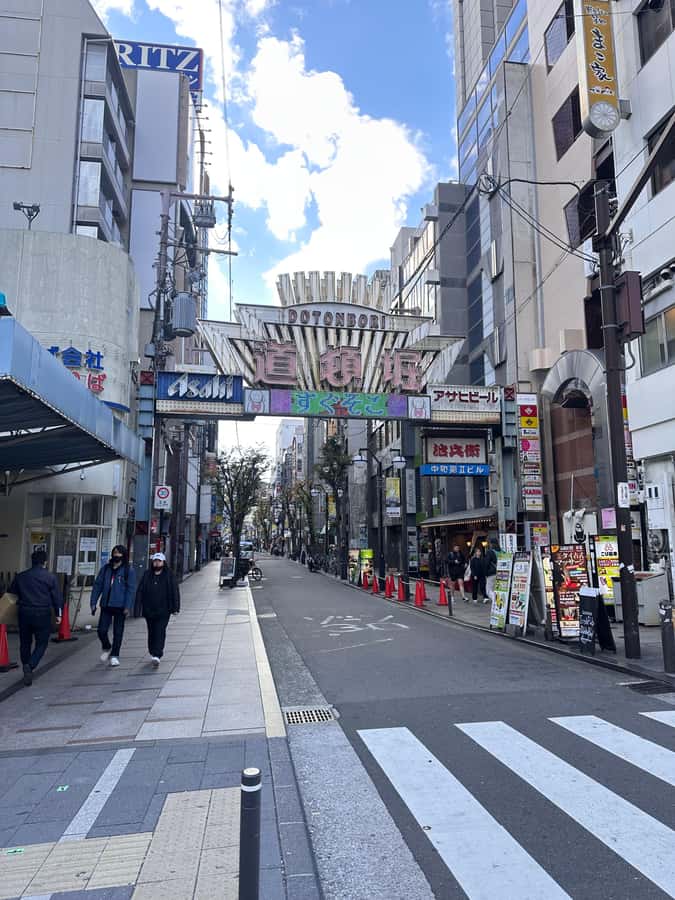
Namba and Dotombori: Glico Man and the Kani Doraku crab
The tour ends in Namba and Dotombori, the bright heart of the city. This is where signage becomes a photo mission and the streets feel like a moving festival.
You’ll stop in front of the iconic Glico Man and the famous animated crab of Kani Doraku. Those images are everywhere online, but seeing them in person hits different because you’re also in the middle of the city’s nighttime-style energy.
Why this stop matters in a highlights tour: it’s the payoff after all the solemn temple learning and market browsing. It’s also practical for planning your next evening. Even if you don’t eat on the spot, you’ll now know where to return.
Possible consideration: this area can get crowded and loud. If you want calmer photos, go a bit slower and let the group pass through the busiest angles first—your guide can help you time it.
The guide factor: why Manuel’s storytelling makes the day work
A tour like this lives or dies by the guide. Here, the big recurring theme is Manuel’s ability to explain history clearly and keep everyone looked after.
In Spanish, Manuel makes the context feel usable, not like a lecture. You can ask recommendations for what to eat, and the day has that “check-in” feeling where the guide notices if you need a moment, water, or help catching up.
I also like that the tour doesn’t feel like a one-way conveyor belt. People had time to enter some shops and still keep the plan moving. One group even noted the chance to see a misa during the day, which shows how real life can overlap with your itinerary.
If you care about culture but hate vague sightseeing, this guide style is a strong match.
Who should book this Osaka highlights tour
This tour is a strong fit if you:
- Want a one-day hits-and-context route that covers Osaka Castle, major temples, and street-life neighborhoods
- Prefer learning in Spanish with clear, story-driven explanations
- Like food stops that actually connect to the areas you’re walking through
- Are comfortable with a long day and lots of steps between stops
It’s not a great fit if you:
- Need wheelchair accessibility (the tour is not suitable for wheelchair users)
- Need baby carriages (not allowed)
- Can’t handle a busy itinerary where the subway and walking keep things moving
Should you book? The quick decision guide
Book it if you want Osaka in one shot, with a Spanish guide who adds meaning to the sights and gives practical food guidance. The value at around $73 comes from the combination of major destinations plus real cultural framing, not just transportation.
Skip it if you’d rather travel at a slower pace, spend more time in fewer places, or you need accessibility accommodations the tour can’t support.
If your goal is to come away with the big Osaka story—power, belief, street culture, and neon—this tour hits that goal without making you manage the details alone.
FAQ
What is included in the Osaka must-see places tour?
Transportation is included with the tour guide. Meals, drinks, and personal expenses are not included.
How much does the tour cost?
The price is $73 per person.
Where does the tour start?
The tour starts at Exit 3B Morinomiya subway station.
Where does the tour end?
The tour ends back at the meeting point.
What language is the tour conducted in?
The tour is conducted in Spanish.
Do I need cash for this tour?
Yes. You travel by subway during the tour, so you must bring cash or a transportation card such as ICOCA, SUICA, or PASMO.
What should I bring?
Bring comfortable shoes, comfortable clothes, and cash.
Are baby carriages allowed?
No, baby carriages are not allowed.
Is the tour suitable for wheelchair users?
No, it is not suitable for wheelchair users.
What if I need to cancel?
You can cancel up to 24 hours in advance for a full refund.
What places are included on the itinerary?
You’ll visit Osaka Castle, Shitennoji Temple, Isshin-ji Temple, Shinsekai, Kuromon Market, Namba, and Dotombori (including stops in front of the Glico Man and Kani Doraku signs).
More Tour Reviews in Osaka
- Osaka Go Karting Tour with Funny Costume★ 5.0 · 2,658 reviews
- Osaka Castle: Museum and Tower Entry Ticket★ 4.5 · 2,380 reviews
- Osaka: Shinsekai Food Tour with 13-15 Dishes at 5 Eateries★ 4.8 · 2,204 reviews
- Osaka Food Tour: 13 Dishes at 5 Local Eateries★ 5.0 · 2,149 reviews
- Hungry Osaka Street Food Tour:15 Tastings & 3 Drinks with a Local★ 5.0 · 1,727 reviews
The Newest Osaka Write-Ups
- Private Photoshoot in Osaka with a Professional Photographer
★ 5.0 · 3 reviews - Osaka Early Morning Osaka Castle Tour Avoid Crowds
★ 5.0 · 3 reviews - Nara Private Tour with Pick and Drop and English Speaking Driver
★ 3.5 · 3 reviews - Osaka: Modern Vegetarian Sushi Cooking Class
★ 5.0 · 3 reviews - Nara Day Trip from Osaka with a Licensed Guide
★ 5.0 · 3 reviews