
Reviewed · OSAKA FOOD & TASTING TOURS
Osaka Street Food Adventure: Taste Local Flavors with Guide
Osaka tastes best on foot. This 3-hour street-food walk with Cooking Sun takes you through Shinsekai and Dotonbori with a small group, hitting classics like takoyaki and kushikatsu in the places locals actually choose. I like that you get 6 to 10 tastings plus a drink, without having to hunt down menus or queues. I also like the rhythm of the route: famous landmarks for photos, then side streets for flavor. One drawback to consider: this experience is not suitable for people with food allergies.
What makes it work is the guide. You start at Ebisucho Station (Exit 3) and head into retro neighborhoods and lively food zones with someone who knows where to stand, what to order, and how to keep the pace fun. Expect lots of walking, so comfortable shoes matter, and you should double-check ingredients if you have dietary limits.
In This Review
- Key Points to Know Before You Go
- Getting the Most Out of Osaka Street Food in Only 3 Hours
- Meeting at Ebisucho Station and the Simple Logistics That Matter
- Shinsekai: Croquettes, Wagashi, and Why This District Feels Like Osaka’s Attic
- Tsutenkaku Tower: A Quick Landmark Stop That Sets the Tone
- Dotonbori Food Time: Takoyaki, Skewers, and the Fun of Eating With a Plan
- Namba Depachika: Department Store Food Halls Without the Confusion
- Hozenji Yokocho: Lantern-Lit Alleys and the Cozy Side of Osaka
- What’s Included in the Tastings (and How to Think About Ingredients)
- Price and Value: Does $83 for 3 Hours Make Sense?
- Who This Osaka Street Food Walk Is Best For
- Should You Book This Osaka Street Food Tour?
Key Points to Know Before You Go
- Small group (up to 8) keeps the food stops friendly and question-friendly
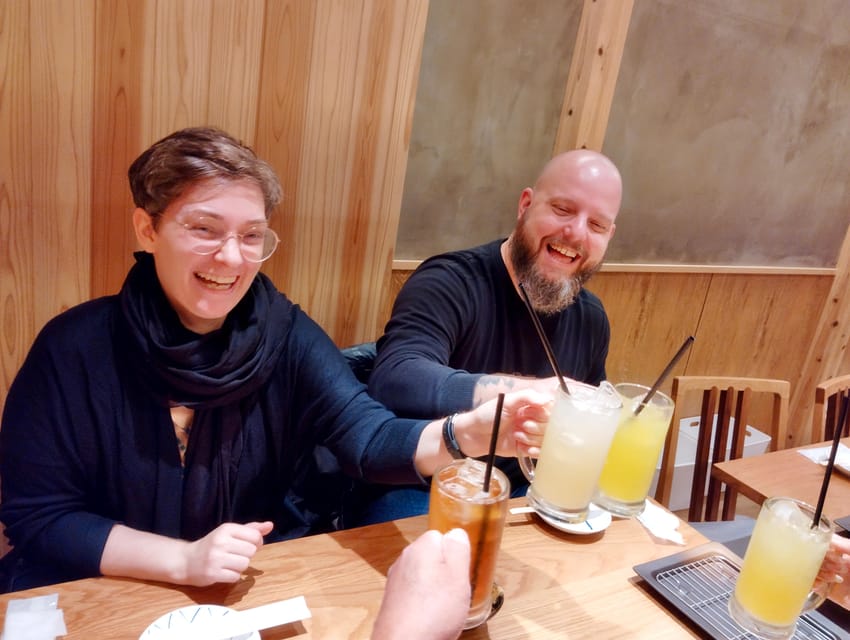
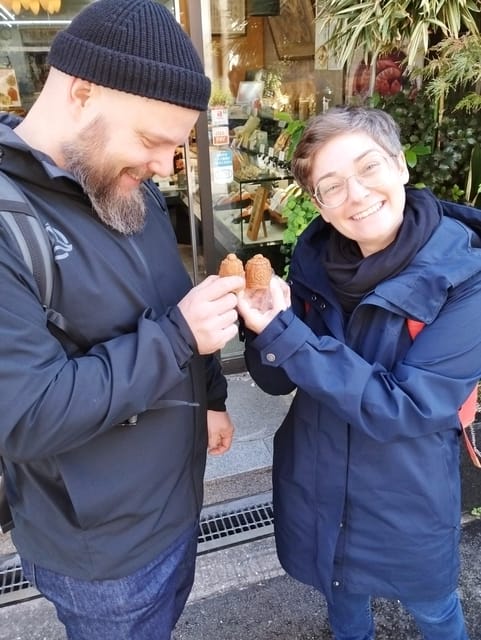
- 6 to 10 tastings plus one drink means you snack like a local, not like a tourist
- You hit Shinsekai, Tsutenkaku, Dotonbori, Namba depachika, and Hozenji Yokocho in one clean loop
- The guide adds context, including what these neighborhoods became famous for
- You’ll likely use Osaka’s subway once, with the 190 yen fare extra
Come hungry: more eating your way through Osaka

Getting the Most Out of Osaka Street Food in Only 3 Hours
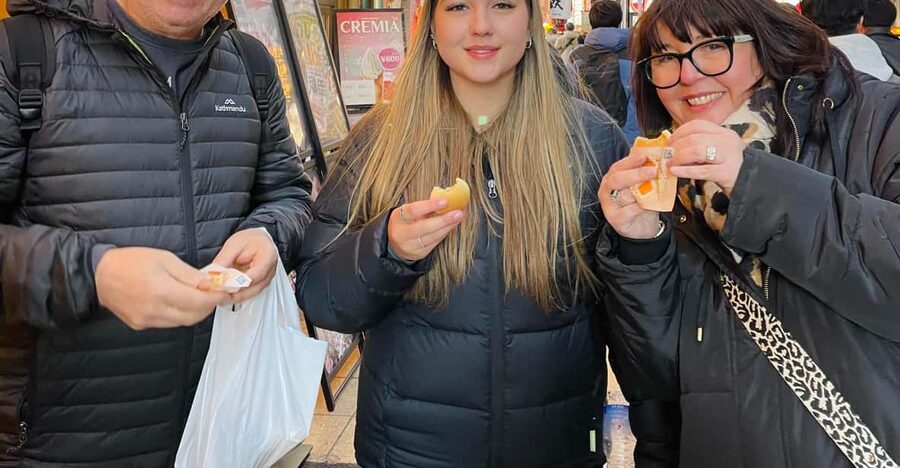
Street food tours can be hit-or-miss. Some are just a fast parade of shops where you don’t learn much. This one is built to slow you down just enough. You eat, you walk, and you understand why each neighborhood has its own personality.
I like the structure: you get a start in Shinsekai’s nostalgia, a quick stop at Tsutenkaku Tower for Osaka’s street-food stage lighting, and then you finish in Dotonbori near the Glico sign for that unmistakable photo moment. You also get a mix that’s not only fried items. You might see sweets like wagashi, and there’s at least one stop where you relax with a drink rather than sprinting from one counter to the next.
One more thing I appreciate: the tour is explicitly small-group. With a maximum of 8 people, the guide can steer you through busier areas without turning the walk into a human pinball match.
Meeting at Ebisucho Station and the Simple Logistics That Matter
You meet at 11:00am at Exit 3 of Ebisucho Station, ground level. The meeting point is in front of a restaurant called Osho. If you’re lining up your day in Osaka, build in a little buffer for station navigation. Ebisucho is straightforward, but 11:00am starts mean you want to arrive early.
Comfort matters here. You’ll want comfortable shoes because the route includes multiple neighborhoods and several outdoor stretches. Also, no smoking is allowed, which is standard for most food-focused experiences and helps keep the stops pleasant.
One practical cost note: the subway fare is not included. It’s listed as 190 yen from the Shinsekai area to Namba. So budget a small extra amount for that one hop.
Shinsekai: Croquettes, Wagashi, and Why This District Feels Like Osaka’s Attic
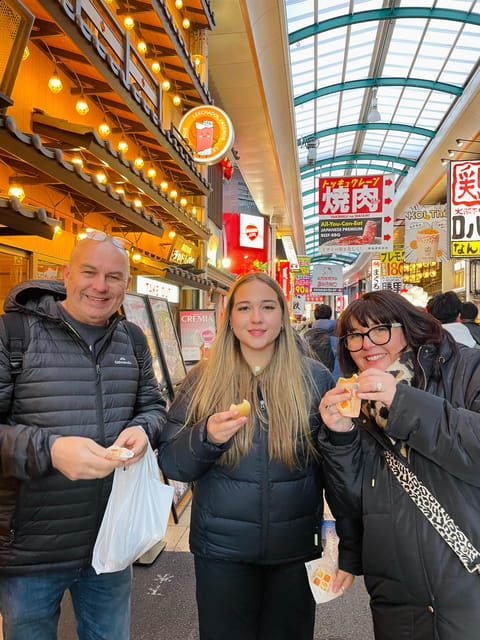
Shinsekai is where you go to feel Osaka’s showman energy. It’s retro, a little theatrical, and totally food-focused. The tour begins there, so you get that atmosphere immediately instead of saving it for the end.
During the Shinsekai segment (about an hour), the guide focuses on classic bites and the little stories that explain why the area became a street-food magnet. Expect tastings like fresh croquettes from a historic butcher shop, and traditional wagashi from a longstanding confectionery. That pairing matters. It shows how Osaka street food isn’t only about fried snacks—it also has a sweet side with real craft behind it.
You’ll also learn how places in Shinsekai link to local habits and how the neighborhood’s identity ties into today’s food culture. Even if you only care about what’s on the stick, the context helps you taste with intention.
A tip for you: pace yourself at the start. Croquettes and fried snacks are easy to overdo early, and you’ll still want room later for takoyaki and other favorites.

Tsutenkaku Tower: A Quick Landmark Stop That Sets the Tone
Tsutenkaku Tower is the kind of Osaka landmark that instantly signals street-food and snack culture. Your time here is short (about 10 minutes), so don’t expect a long museum-style stop. Think of it as a visual reset button and a way to anchor the next stretch of tastings.
This stop also helps you understand the tour’s theme. The guide uses the tower and nearby sights as a way to explain how the area’s food scene grew around social gathering—people eating out, sharing tables, and building routines around neighborhood favorites.
If you’re trying to see Osaka fast, this kind of stop is smart. You get the icon for your photos without sacrificing too much eating time.
Dotonbori Food Time: Takoyaki, Skewers, and the Fun of Eating With a Plan
Dotonbori is where Osaka goes loud. Neon signs, packed sidewalks, and the sense that food is the main event. The tour keeps you moving here with about an hour of tasting and exploring around the district’s iconic streets.
This is a highlight zone for takoyaki, including takoyaki from the city’s oldest takoyaki shop. You also get traditional Osaka street-food staples like kushikatsu—deep-fried skewers that locals order with confidence. The tour’s guidance helps here because kushikatsu culture has its own etiquette, and having a guide means you don’t have to guess.
You may also encounter steamed meat buns during this part of the day. That’s a good balance if you’re trying to keep fried foods from taking over your whole stomach.
And you’re not just eating on the move. At a local restaurant, there’s a meal-like moment: you relax with a curated selection of specialties and a refreshing drink. That pause is valuable. It breaks the walking rhythm and lets you slow down long enough to enjoy flavors instead of just chasing them.
If you like food tours that treat eating as an experience (not a checklist), this restaurant stop is a big reason the tour works.
Namba Depachika: Department Store Food Halls Without the Confusion
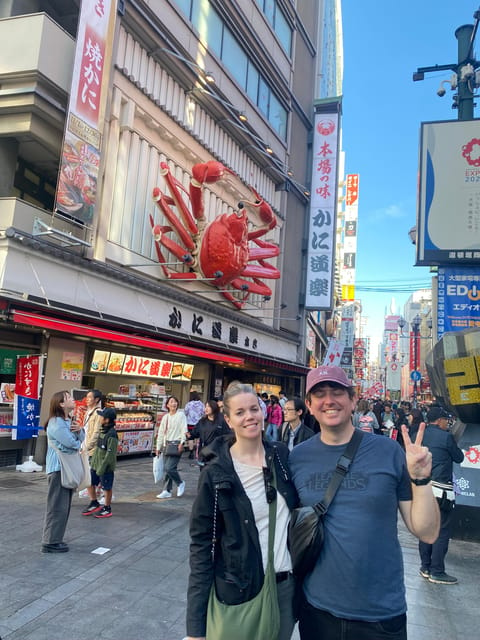
After Dotonbori, you take the subway with your guide to Namba. This is where you see a different side of eating out: the depachika, a department store food hall that’s basically a local powerhouse for premium snacks and everyday treats.
This section is great for two reasons. First, it’s a controlled environment for sampling, so you can try more variety without having to track down exact stores. Second, depachika food often shows the next step up from street snacks—nicer packaging, more “giftable” items, and sometimes a wider range of flavors in one place.
You’ll browse and sample while soaking up the lively atmosphere. Even if you’re not trying to buy souvenirs, depachika stops are worth it because they show what Osaka considers special enough to package and share.
One practical takeaway for you: if you want to add snacks for later, this is a good place to do it. You’ll be surrounded by options and you’ll already be in a sampling mood.
Hozenji Yokocho: Lantern-Lit Alleys and the Cozy Side of Osaka
Hozenji Yokocho is short and story-heavy. It’s a lantern-lit alleyway full of old-world charm, and the tour gives you about an hour here. This stop feels like a reset after the louder street scenes.
The value of this segment isn’t only the scenery. It’s the shift in pace. Hozenji Yokocho makes you slow down and pay attention to the smaller food rhythm: short walks between tiny places, conversation with the group, and time for the guide to keep explaining how Osaka’s food culture developed and why certain flavors stuck.
If you’re a planner, this is a nice part of the day because it offers a different vibe from the iconic photo zones. You get a quieter taste of how locals enjoy evenings and casual meals.
What’s Included in the Tastings (and How to Think About Ingredients)
The tour includes 6 to 10 curated food tastings (seasonal variations are possible) plus one drink at a local restaurant. The exact mix changes with availability, so don’t expect a single fixed menu.
That said, you can reasonably expect staples from the Osaka street-food world, including:
- Takoyaki (octopus balls), including from a long-running shop
- Kushikatsu (deep-fried skewers)
- Steamed meat buns
- Croquettes from a historic butcher shop
- Wagashi from an older confectionery
A recent run with a guide named Hiroko is a good example of how flexible the experience can be. That booking included extra fun items and stops such as a small tea shop in Shinsekai, sushi train, fried skewers with Asahi beer, and even old-school pachinko. The same guide also added time for extra sights like a fish market stop and fluffy cheesecake near Dotonbori. In other words: the tour isn’t only about the headline foods. A good guide can weave in extra local flavor while still keeping the route manageable.
Ingredient reality check: the tour notes that tastings may include meat, seafood, wheat, and dairy. If you have dietary restrictions or allergies, contact the provider in advance and get clarity. And remember, the tour is explicitly marked as not suitable for people with food allergies.
Price and Value: Does $83 for 3 Hours Make Sense?
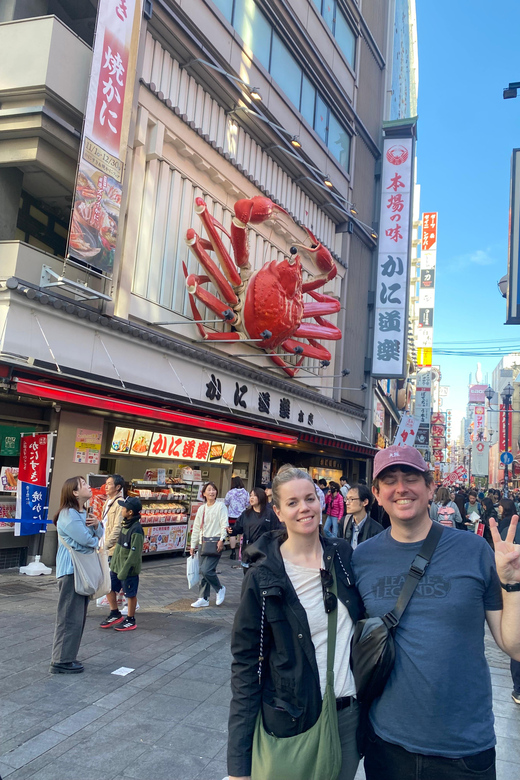
At $83 per person, this tour sits in the “worth it if you’ll actually use it” category. Here’s why.
First, you’re paying for a guide plus multiple tasting stops. Six to ten tastings is not a small number for a three-hour walk. You’re also getting one drink, which is usually where food tours quietly cut corners—this one doesn’t.
Second, you’re paying for problem-solving. Osaka street food can be simple if you speak the language, and harder if you don’t. Having a guide helps you order with confidence and understand what to expect at each place. You also save time figuring out where to go next.
Third, small group size (up to 8) matters. At this group size, you’re more likely to get personal help with ordering and etiquette, rather than just following behind a big crowd.
The only extra you should plan for is the 190 yen subway fare. It’s minor, but it’s still a cost to remember so it doesn’t feel like a surprise.
Who This Osaka Street Food Walk Is Best For
This tour fits you if you want Osaka to feel local, not scripted. You’ll probably enjoy it most if:
- You like street food classics like takoyaki and kushikatsu
- You want a guide to explain the neighborhoods, not just hand you samples
- You enjoy walking and can handle a few hours of city strolling
- You appreciate both iconic sights (Tsutenkaku, Glico sign) and smaller alley atmosphere (Hozenji Yokocho)
It’s not a great fit if you have food allergies. Ingredient risk is part of the street-food deal, and this tour doesn’t pretend otherwise. If you’re sensitive to certain ingredients, contact the provider before booking.
Should You Book This Osaka Street Food Tour?
If you’re trying to get real Osaka flavor in one afternoon, I’d say yes—with one big condition. Go if you’re comfortable with street-food ingredients and you’re happy to walk.
You should book this tour if you want a smart mix of:
- Famous bites you can taste in context
- Neighborhood variety from Shinsekai to depachika to lantern alleys
- A small-group guide who can keep the day from feeling like a noisy checklist
Skip it if allergies are an issue, or if you’d rather DIY every stop without paying for guidance.
If your goal is: eat well, learn a little, and see the iconic sights without wasting time, this is a strong way to do it in 3 hours.
More Tour Reviews in Osaka
- Osaka Go Karting Tour with Funny Costume★ 5.0 · 2,658 reviews
- Osaka Castle: Museum and Tower Entry Ticket★ 4.5 · 2,380 reviews
- Osaka: Shinsekai Food Tour with 13-15 Dishes at 5 Eateries★ 4.8 · 2,204 reviews
- Osaka Food Tour: 13 Dishes at 5 Local Eateries★ 5.0 · 2,149 reviews
- Hungry Osaka Street Food Tour:15 Tastings & 3 Drinks with a Local★ 5.0 · 1,727 reviews
The Kuidaore List: Eat More of Osaka
- Osaka: Shinsekai Food Tour with 13-15 Dishes at 5 Eateries★ 4.8 · 2,204 reviews
- Osaka Food Tour: 13 Dishes at 5 Local Eateries★ 5.0 · 2,149 reviews
- Hungry Osaka Street Food Tour:15 Tastings & 3 Drinks with a Local★ 5.0 · 1,727 reviews
- Deep Backstreet Osaka Tours (Option to add Dinner)★ 5.0 · 1,290 reviews
- Osaka Local Foodie Walking Tour in Dotonbori and Shinsekai★ 5.0 · 985 reviews
The Newest Osaka Write-Ups
- Private Photoshoot in Osaka with a Professional Photographer
★ 5.0 · 3 reviews - Osaka Early Morning Osaka Castle Tour Avoid Crowds
★ 5.0 · 3 reviews - Nara Private Tour with Pick and Drop and English Speaking Driver
★ 3.5 · 3 reviews - Osaka: Modern Vegetarian Sushi Cooking Class
★ 5.0 · 3 reviews - Nara Day Trip from Osaka with a Licensed Guide
★ 5.0 · 3 reviews
Osaka Food & Tasting Tours, compared.
 ★ 4.8Shinsekai Food Tour with 13-15 Dishes at 5 EateriesFrom $532,204 reviews
 ★ 5.0Osaka Food Tour: 13 Dishes at 5 Local EateriesFrom $732,149 reviews
 ★ 5.0Hungry Osaka Street Food Tour:15 Tastings & 3 Drinks with a LocalFrom $731,727 reviews
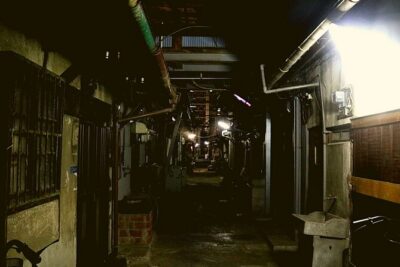 ★ 5.0Deep Backstreet Osaka Tours (Option to add Dinner)From $531,290 reviews
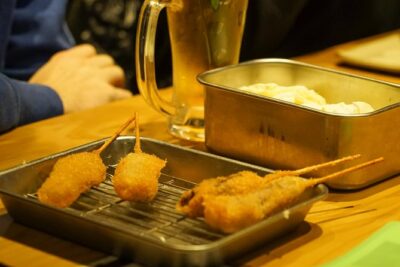 ★ 5.0Osaka Local Foodie Walking Tour in Dotonbori and ShinsekaiFrom $111985 reviews
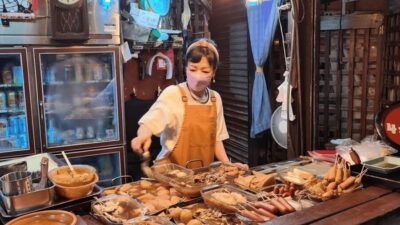 ★ 4.9Deep Backstreets Walking Tour with Dinner OptionFrom $40902 reviews
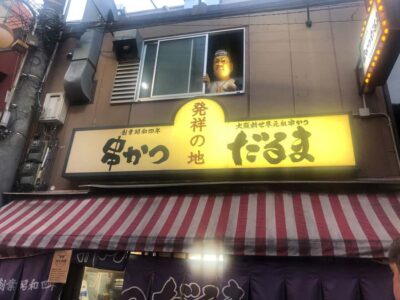 ★ 4.9Hungry Osaka Street Food Tour: 15 Dishes & 3 DrinksFrom $79694 reviews
 ★ 5.0Kuromon Market Food Walking Tour in Osaka (6 stops, 6 tastes)From $50550 reviews
Browse the lists this tour appears in