
Reviewed · OSAKA
Osaka: Small Group, Big Flavors & Hidden Local Secrets Tour
Osaka gets real after dark. On this small-group night tour, I love that you sample 15+ dishes across Tenma and Kyobashi while a fluent guide explains what locals actually care about. And I really like the max-6 guests setup, which keeps the evening relaxed and easy to talk through.
One thing to consider: this is a lively nightlife-style outing meant for ages 13+ with mild adult topics, and restaurant customers may be drinking even though the stops aren’t bars.
In This Review
- Key Highlights Before You Go
- A 3-Hour Osaka Night Out Centered on Tenma and Kyobashi
- Starting at McDonald’s Temma Station: The Easiest Way In
- Tenma’s Nostalgic Alleys (and Why They Matter for Food)
- Restaurant Stop One: Beer, Cocktails, and the First Round of Local Culture
- Restaurant Stop Two: Beer, Spirits, and Tea as Osaka Rituals
- The Short Train Hop to Kyobashi: Switching Osaka Modes Fast
- Kyobashi Walking Time: What You Learn on the Streets
- Final Restaurant Stop: One More Round, One More Flavor Story
- What 15+ Dishes Really Feels Like (Not Just a Number)
- Drinks Included, Alcohol Rules Included Too
- Price and Value: Is $94 Worth It in Osaka?
- Who This Tour Fits Best (and Who Might Want a Different Plan)
- Should You Book This Osaka Food Tour?
- FAQ
- Where does the tour meet?
- How many restaurant stops are included?
- How much food and drink is included?
- How long is the tour?
- Can dietary restrictions be accommodated?
- What drinks are included, and what if I want more?
- Who can participate, and is it wheelchair accessible?
Key Highlights Before You Go
- Tenma first, then Kyobashi: two very different Osaka neighborhoods in one night
- 15+ tastings across three restaurant stops: enough to feel like a full dinner
- Up to three drinks included: one at each place, alcoholic or non-alcoholic
- Small group of 6: you can ask questions and actually connect with the guide
- Short local train hop: quick switch in atmosphere without losing momentum
Not sold yet? See how this one holds up next to these Osaka picks.


A 3-Hour Osaka Night Out Centered on Tenma and Kyobashi
Osaka after dark isn’t just neon lights. This tour steers you toward the lived-in parts of town where people line up, argue politely about best spots, and eat what tastes right to them that night.
The big win here is contrast. Tenma feels nostalgic and practical, built on narrow lanes and older storefronts. Kyobashi shifts gears into an after-work zone where conversations spill outward and the food counters glow with regular energy.
You get the most value if you like walking, eating a lot of small plates, and learning how locals interpret flavors. It’s not a show where you just follow along. It’s more like getting invited into someone’s favorite circles for a few hours.
Starting at McDonald’s Temma Station: The Easiest Way In
The meeting point is straightforward: meet in front of McDonald’s at Temma Station. It’s explicitly not part of the tour, but using a big, easy landmark helps you avoid the classic Osaka problem of meeting at some tiny street corner that’s hard to spot.
Once you gather, you’ll head into Tenma on foot. Since you’re walking between neighborhoods and inside narrow lanes, comfortable shoes matter more than you’d think. This is a night tour, so you’ll also want to keep your pace steady and your questions ready.
From the start, the guide sets expectations well: this is about Osaka’s everyday dining culture, not tourist spectacle. That’s what makes the night feel different from doing a couple of random izakayas on your own.
Tenma’s Nostalgic Alleys (and Why They Matter for Food)
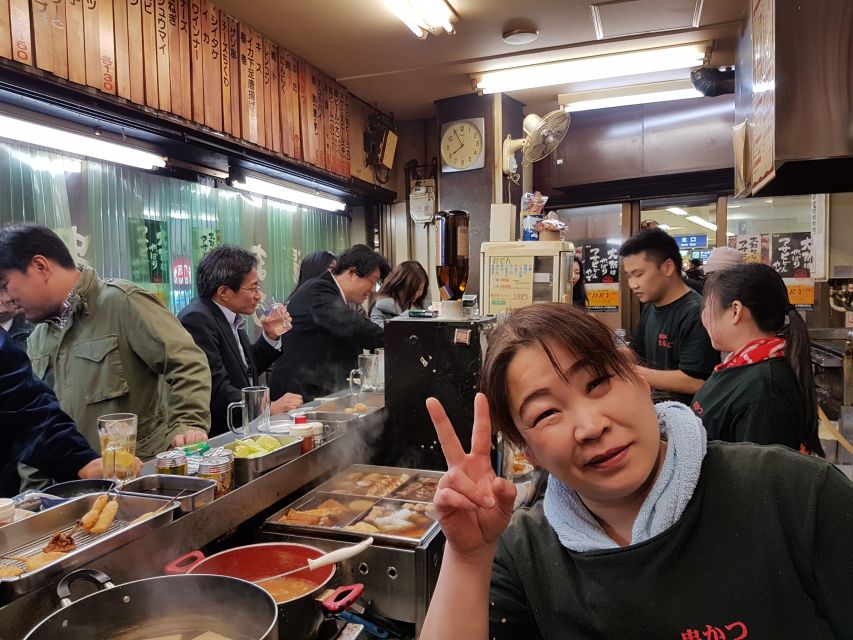
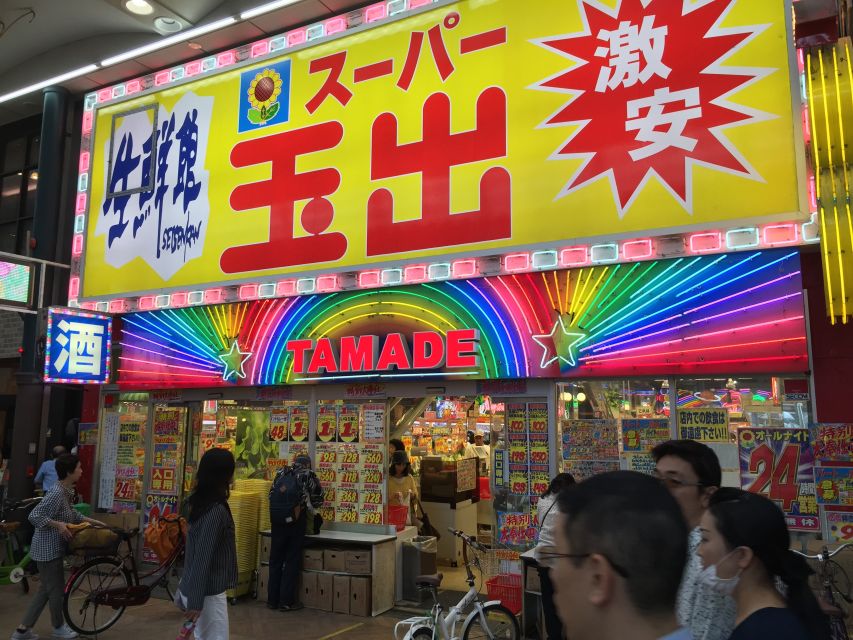
Tenma is the kind of neighborhood where the streets look like they’ve been doing their job for decades. Expect narrow lanes, old storefronts, and that slightly unpolished feel that locals seem to love even when tourists would call it messy.
This is where you start tasting in a more tradition-forward Osaka mood. The guide uses the area itself as a lens—how long-standing habits shape what ends up on tables, and why some dishes keep showing up even after new trends appear.
You also get a walking portion here (about 45 minutes). That time isn’t filler. It helps you understand what you’re seeing: where people linger, what kind of shops survive, and how the neighborhood rhythm changes block by block.
If you want the most out of Tenma, go open-minded. The food choices are meant to show meaning, not just flavor, and the guide will connect those dots as you go.

Restaurant Stop One: Beer, Cocktails, and the First Round of Local Culture
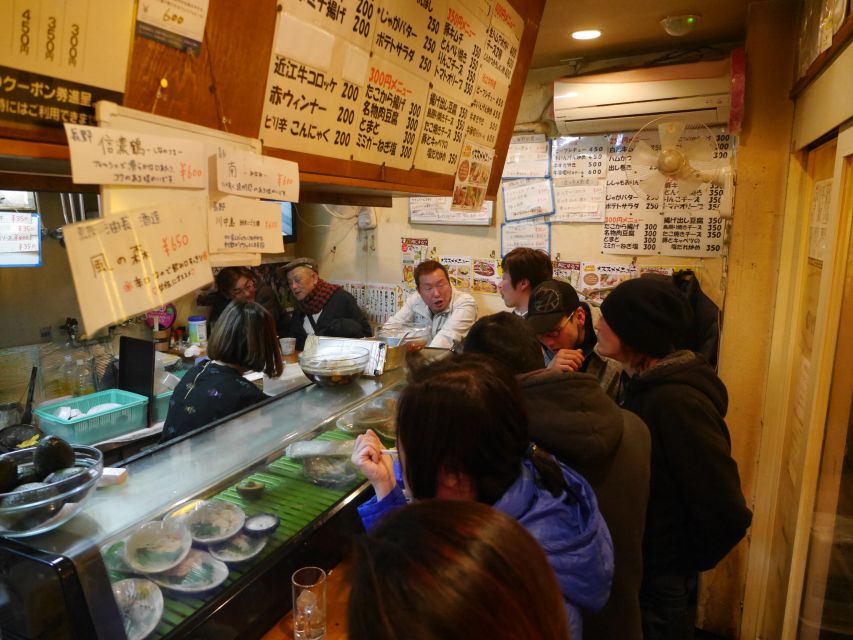
The first restaurant stop is one of the key moments of the night because it sets the pace. You’ll sit down and start with a drink that’s included—one per stop—either alcoholic or non-alcoholic.
This stop lasts about 30 minutes. That means you get enough time to eat at a comfortable tempo, but you’re not trapped for an hour waiting for a full course menu. Expect small, shareable plates that let the guide steer you toward the story behind each bite.
One practical tip: treat this stop like your warm-up. If there’s anything you know you like—fish, beef, vegetables, tea flavors—signal it early. Many guides on this tour are good at adjusting orders, and the smaller group format makes it easier.
In the guide stories you might hear—names you could meet include Ferdinand, Kevin, and Damian—you’ll often get an explanation of why Osaka jokes, habits, and daily life show up in food choices. It’s not lecturing. It’s context that makes the meal make sense.
Restaurant Stop Two: Beer, Spirits, and Tea as Osaka Rituals
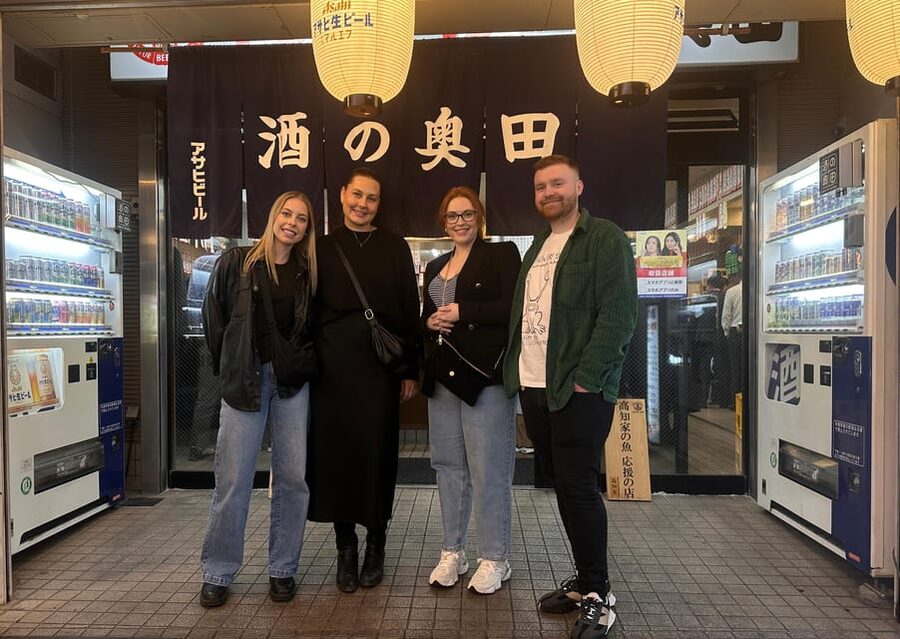
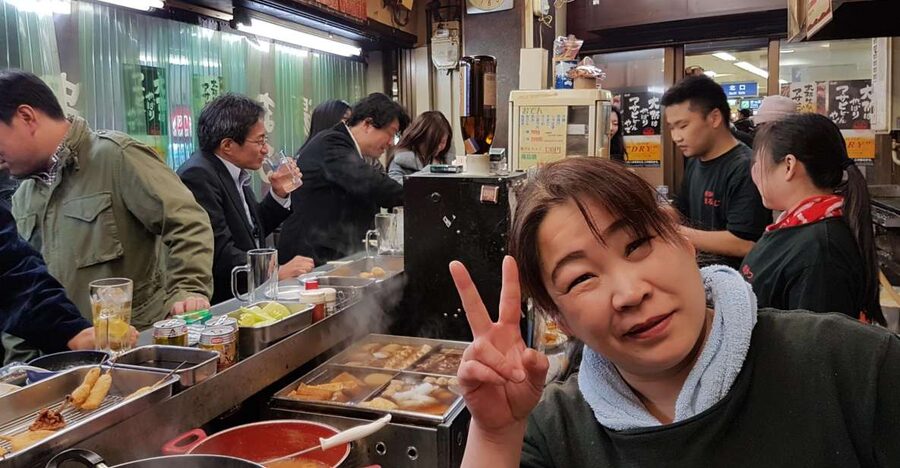
The second stop is where the tour often feels most like a real night out. Again, you get up to one included drink here. Options listed include beer, spirits, and tea, which is a nice reminder that Japanese drinking culture isn’t only about alcohol.
This stop is also around 30 minutes. The tasting style continues, and the range of what you might try depends on seasonal availability and the guide’s plan. The important part is that you’re building a map of flavor types—salty-sweet balance, umami depth, and the way different textures show up in Osaka dishes.
If you have dietary needs, this is the moment to bring them up if you haven’t already. The tour data says dietary restrictions can be accommodated if you notify the provider in advance, and the guide will usually make substitutions while keeping the neighborhood and dish logic intact.
As a vibe check: even though the stops aren’t bars, you’ll be in restaurants where other customers may be drinking. That can be fun energy if you’re comfortable with a lively room. If you want a quiet, kid-friendly atmosphere, this may feel like more adult nightlife than you were expecting.
The Short Train Hop to Kyobashi: Switching Osaka Modes Fast
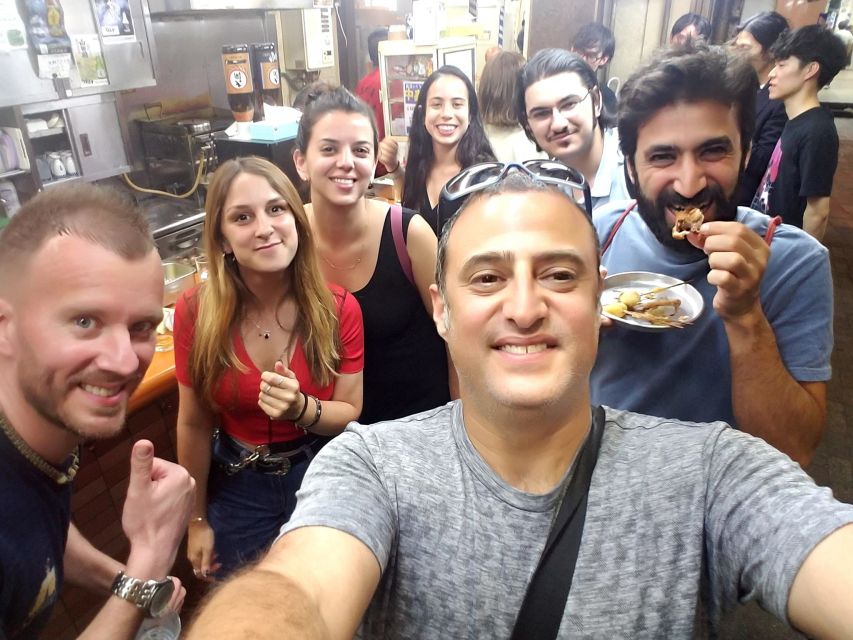
After Tenma, you take a short ride by local train—listed as about a 3–4 minute hop, with transfer time that fits the overall pacing. That quick move matters. You’re not losing the night to logistics, and you get an actual atmosphere change.
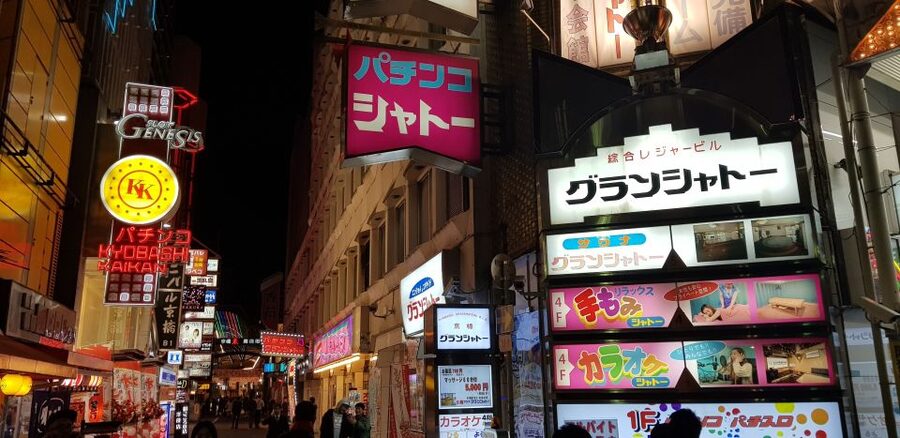
Kyobashi feels different right away. If Tenma is nostalgic and slightly rough-around-the-edges, Kyobashi is lively and eclectic—an after-work zone where small counters and street conversations create energy you can feel.
This is also the psychological reset point. Your appetite is built from the first tastings, but you’re not stuffed. You can still enjoy the next set because the tour is paced for conversation, not just consumption.
And because the group is small, the transfer stays orderly. You’re not herding through stations with a crowd.
Kyobashi Walking Time: What You Learn on the Streets
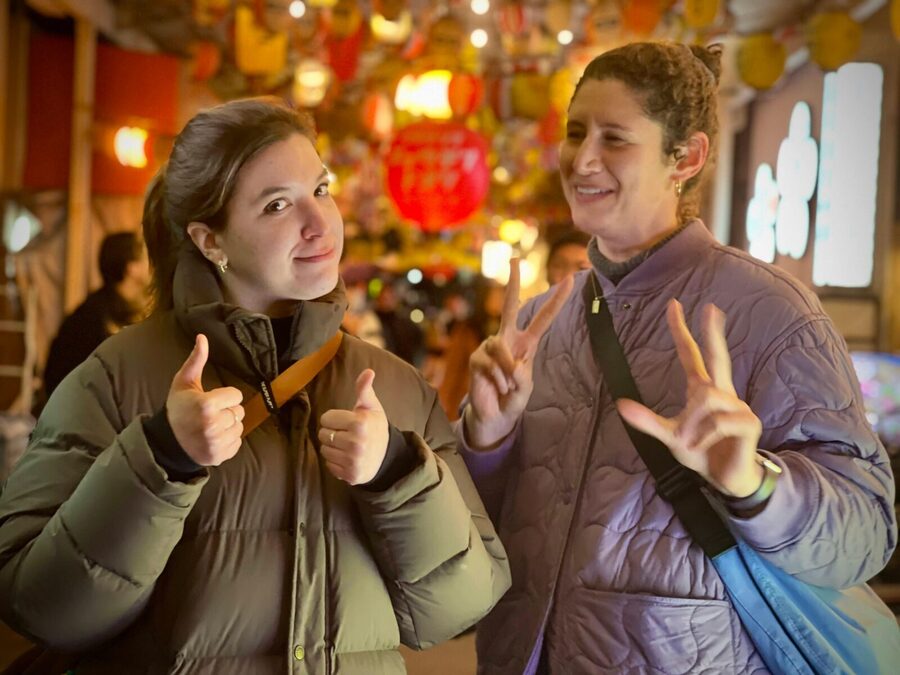
In Kyobashi, there’s a shorter guided walk (about 20 minutes). The point isn’t sightseeing for postcard photos. It’s to help you read the neighborhood like a local: how people move through the street at night, what kinds of storefronts thrive, and why certain food choices fit this kind of life.
Your guide adds neighborhood context here. Expect stories about how locals defend their favorites with real seriousness, and how Osaka’s reputation for comfort food comes with attitude—food that’s satisfying but never dull.
Guides you might meet on this tour include Ichiro, Bryan, Laura, Oisín, and Jamie, and many of them lean into history and anthropology-style explanation. You’ll likely learn why Osaka does what it does, not just what it sells.
Kyobashi is a great place for people-watching too. You’ll see the blend of regulars, office workers, and late-night eaters that makes this area feel like a living part of the city.
Final Restaurant Stop: One More Round, One More Flavor Story
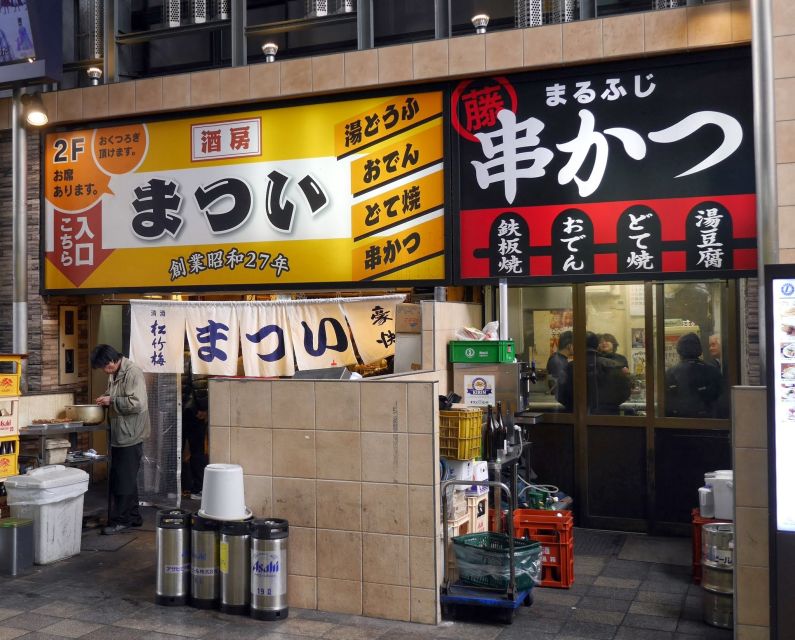
The last restaurant stop brings you back into a seated tasting. You’ll get another included drink—again, one at this stop—with options listed as beer, cocktails, or spirits.
This stop is about 30 minutes, and it’s designed to feel like the satisfying finish of a full dinner. By now, you’ll probably notice patterns: what your taste preferences are, which textures you enjoyed, and which flavor styles you want to seek out later on your own.
This is also a good moment to ask the guide for practical follow-ups. If you’re enjoying the tour’s approach, ask what dish you should order next time you’re in Osaka, or what neighborhood is worth exploring earlier in the day.
From the tour comments you might pick up on the walk, many guides encourage adventurous ordering. One person mentioned trying raw horse and said they did it because the tour made it feel doable. Your exact menu can change, but the takeaway is clear: the guide is there to help you try things you might not pick for yourself.
What 15+ Dishes Really Feels Like (Not Just a Number)
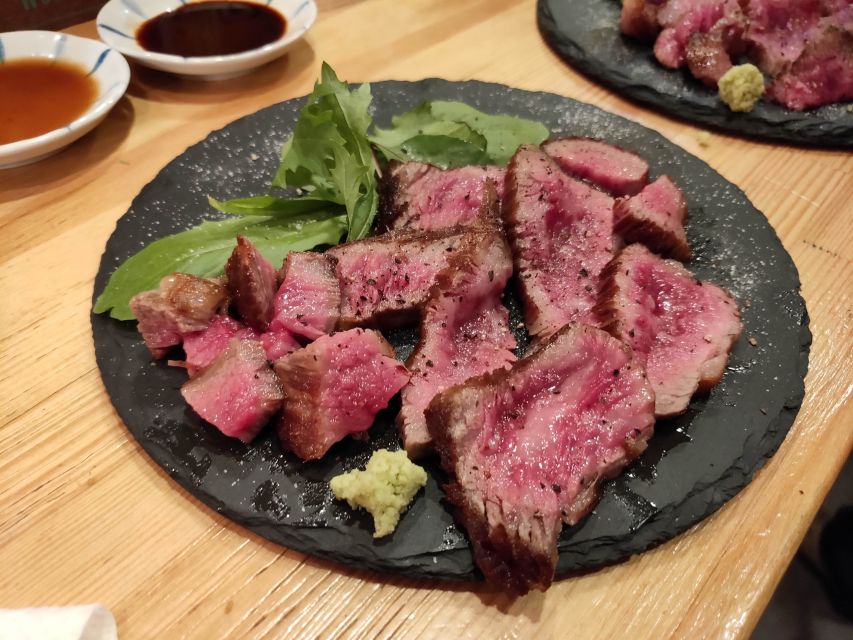
The tour’s headline is 15+ dishes, but what you feel matters more than the count. You’re not getting one huge bowl. You’re getting small plates that let you try a variety of flavors in a short, enjoyable window.
That style is especially smart if you like food variety without the decision fatigue of choosing menus in Japanese. The guide handles ordering strategy, and your job is basically to show up hungry and willing.
Also, the dishes are meant to tell you something. The tour focuses on why certain tastes endure in Osaka. You’ll hear about habits and humor around eating—how a dish can become part of local identity, not just a recipe.
If you’re a big eater, you can still get full. Even though it’s several tasting portions, the tour is designed as a full dinner’s worth of food. Just don’t expect a single course meal where you can predict exactly what you’ll get.
Drinks Included, Alcohol Rules Included Too
You get up to three drinks included total: one at each restaurant stop. Each included drink can be alcoholic or non-alcoholic.
After that, you can pay for additional drinks directly at the restaurants, and the typical extra charge mentioned is around 500 yen per drink. So if you love cocktails or highballs, plan your budget for the add-on drinks.
Japan’s minimum drinking age is 20. That matters because some included options are alcoholic, and you’ll want to be sure you’re sticking to the rules. If you’re under 20, you can still participate with the included non-alcoholic drinks.
The vibe is also worth noting: even though the stops aren’t bars, you’ll likely be eating near customers who are drinking. If you prefer a super calm environment, you may not love that noise level. If you like a real nightlife mood without the chaos, it can be perfect.
Price and Value: Is $94 Worth It in Osaka?
At $94 per person for about 3 hours, you’re paying for three things: guided ordering, neighborhood context, and the practical logistics that are hard to DIY.
A big part of the value is the all-in structure. You get food that equals a full dinner’s worth, plus up to three included drinks, and train fare for the short hop between neighborhoods. Even if you eat and drink casually on your own, it’s hard to match that combination while also finding places that feel local and not staged.
The small group also boosts value. With up to 6 guests, you aren’t just consuming. You’re getting explanations tied to what you’re eating, and you can ask questions without waiting your turn for a microphone.
There’s also the quality signal in the guide approach. Many names mentioned by guests—Ferdinand, Kevin, Damian, Bryan, Laura, Ichiro—suggest consistent hosting style: friendly, story-driven, and attentive to keeping the evening moving.
If you’re the type who plans food carefully, this tour still works because it gives you a baseline map. If you tend to wing it, it’s even more useful, because you’ll avoid wandering into the wrong kind of touristy spot at the wrong time.
Who This Tour Fits Best (and Who Might Want a Different Plan)
This tour is aimed at teenagers and adults, and it discusses mildly adult topics. That makes it a solid choice for couples, friends, and solo travelers who want an evening with an authentic edge.
It’s not suitable for children under 13, and it’s not suitable for wheelchair users. If mobility is a concern, you’ll want to evaluate the walking and narrow-lane environment.
It’s a strong fit if you:
- want a small-group Osaka night food experience
- like learning cultural context along with eating
- enjoy walking short distances between neighborhoods
- want help ordering in restaurants you wouldn’t find on your own
If your top goal is quiet temple time or a kid-friendly early dinner, you may feel the nighttime tone isn’t what you want. This tour is built for evening life.
Solo travelers are also considered. The tour aims not to charge a solo supplement, but if the minimum group size isn’t met for your date, you may be offered an alternate date, a 3000 yen solo supplement, or a full refund. That’s worth knowing so you can choose confidently.
Should You Book This Osaka Food Tour?
If you want one planned night that shows you how Osaka eats after dark, I’d book it. The Tenma-to-Kyobashi contrast is the real selling point, and the tasting format makes it easier to enjoy without getting overwhelmed by decisions.
Book it especially if you’re curious about local food culture and you like conversation. With a max-6 group and guides like Ferdinand, Kevin, Damian, Bryan, Laura, and Ichiro, you’re set up for an evening that feels personal rather than assembly-line.
Skip it if you need a super quiet outing, if you’re not comfortable with restaurant nightlife energy, or if you have mobility constraints that make walking hard.
If you do book, come with comfortable shoes and a good appetite. And at the start of the night, tell the guide how adventurous you want to be. This is the kind of tour where that one conversation can steer the whole evening.
FAQ
Where does the tour meet?
Meet in front of the McDonald’s at Temma Station (4-chōme-12-1 Tenjinbashi, Kita-ku, Osaka, 530-0041, Japan). The McDonald’s is just the meeting landmark.
How many restaurant stops are included?
You’ll visit three restaurant stops during the tour.
How much food and drink is included?
The tour includes a full dinner’s worth of food and up to three drinks total, with one drink included at each restaurant stop (alcoholic or non-alcoholic). Train fare between neighborhoods is included too.
How long is the tour?
The experience lasts 3 hours.
Can dietary restrictions be accommodated?
Yes, dietary restrictions can be accommodated if you notify the activity provider in advance.
What drinks are included, and what if I want more?
You get one included drink at each restaurant stop. Drinks beyond that are paid directly to the restaurant, and additional drinks are typically around 500 yen each.
Who can participate, and is it wheelchair accessible?
Participants must be 13+; it’s not suitable for children under 13. Wheelchair users are not included. Also, the minimum drinking age in Japan is 20.
More Tour Reviews in Osaka
- Osaka Go Karting Tour with Funny Costume★ 5.0 · 2,658 reviews
- Osaka Castle: Museum and Tower Entry Ticket★ 4.5 · 2,380 reviews
- Osaka: Shinsekai Food Tour with 13-15 Dishes at 5 Eateries★ 4.8 · 2,204 reviews
- Osaka Food Tour: 13 Dishes at 5 Local Eateries★ 5.0 · 2,149 reviews
- Hungry Osaka Street Food Tour:15 Tastings & 3 Drinks with a Local★ 5.0 · 1,727 reviews
The Newest Osaka Write-Ups
- Private Photoshoot in Osaka with a Professional Photographer
★ 5.0 · 3 reviews - Osaka Early Morning Osaka Castle Tour Avoid Crowds
★ 5.0 · 3 reviews - Nara Private Tour with Pick and Drop and English Speaking Driver
★ 3.5 · 3 reviews - Osaka: Modern Vegetarian Sushi Cooking Class
★ 5.0 · 3 reviews - Nara Day Trip from Osaka with a Licensed Guide
★ 5.0 · 3 reviews