
Reviewed · OSAKA
Osaka Kickstart: Hotspots & Hidden Gems Tour
Osaka gets loud fast, and this tour helps you read the city from street level. You’ll bounce from classic postcard spots to side streets like Hozenji Yokocho, with a guide who keeps the pace fun and practical. I like how it feels unforced: fewer “stand here for a photo” moments and more follow-the-story walking.
Two things I really like are the flexible tour length (3, 4, 5, or 7 hours) and the way guides tailor the day, including food tips that can match real needs. One drawback to plan for: it’s walking-heavy, so good shoes matter, and the longer options add extra hops between neighborhoods and sights.
In This Review
- Key points before you book
- A Start in Osaka That Feels Like a Local Walk
- Meeting at Namba and Getting Around Without Stress
- Hozenji Yokocho: Cobblestones, Narrow Lanes, and Osaka Personality
- Dotonbori, Shinsaibashi-suji, and Ebisubashi: Neon Energy With Structure
- Amerikamura: Osaka’s Version of America (and the Humor in It)
- Kuromon Market and the Cosplay/Game Side Lanes
- Shinsekai for 4, 5, and 7 Hours: Retro Fun and Old-Game Shops
- Tower Knives Osaka: A Short Lesson That Makes You Watch Your Food Differently
- Abeno Harukas on 5- and 7-Hour Tours: Osaka From High Up
- Shitennoji and Osaka Castle: When Big Sights Meet Local Explanation
- Ukiyoe and Old-Town Osaka in the 7-Hour Option
- What’s Included, What You’ll Pay For, and How to Plan Meals
- Which Duration Fits Your Trip Pace
- Should You Book Osaka Kickstart?
- FAQ
- How long is the Osaka Kickstart tour?
- Is it a private tour or a group tour?
- What is included in the price besides the walking tour?
- Where is the meeting point?
- Are entrance tickets included for Osaka Castle, Shitennoji, or other attractions?
- Which stops require longer tour durations?
- Can the tour include pickup or help with transit?
Key points before you book
- Namba starting point keeps it easy to launch day-one exploring
- Off-the-main-street lanes like Hozenji Yokocho give Osaka personality fast
- Dotonbori + Shinsaibashi-suji + Ebisubashi cover the core sights without overdoing one area
- Kuromon Market is built into the route, with time to peek inside seafood shops
- Longer private tours can add Shinsekai, Tower Knives, Osaka Castle, and more major stops
- In-person guidance gets praised for humor, pace, and restaurant/shop recommendations
Not sold yet? See how this one holds up next to these Osaka picks.


A Start in Osaka That Feels Like a Local Walk
If it’s your first time in Osaka, you want two things: orientation and good instincts for where to go next. This tour is built for that. It strings together Namba-area landmarks, shopping streets, and food neighborhoods into a single, easy-to-follow arc—so you leave knowing how Osaka “flows” on foot.
I also like the guide approach. In reviews, names like Rahat, Knox, Meryem, Louis, and Bryan come up for one reason: they don’t just recite facts. They make the day feel like a conversation, with humor and clear explanations that help you understand why places look the way they do.
The guide-led format matters for value too. At $31.84 per person, you’re not paying for an all-you-can-eat plan. You’re paying for time with a person who points out the Osaka you’d otherwise miss, plus a snack and drink along the way.
Meeting at Namba and Getting Around Without Stress
The tour starts back at the meeting point in Namba (Chuo Ward) and ends there too, which makes it easier to plan the rest of your day. It’s also near public transportation, so you’re not dependent on getting a taxi immediately after booking.
You should expect moderate walking. The experience lists a moderate physical fitness level and durations from 3 to about 7 hours, depending on which option you choose. If you’re traveling with kids (reviews mention an 8-year-old and a 7-year-old having a great time), I’d still plan for breaks and slower moments when needed—your guide can often adjust the pace.
Transport is flexible. The tour includes walking with optional train or taxi use if you request it, but transport costs are not automatically included. In other words: you can save energy, but you’ll want to budget a little if your route needs extra rides.
Hozenji Yokocho: Cobblestones, Narrow Lanes, and Osaka Personality
Hozenji Yokocho is the kind of place you’d never “accidentally” find. It’s a tight, winding alley area with cobblestones and a strong sense of tradition. The route gives you about 20 minutes, which is just enough time to slow down, look up, and get the feel of the neighborhood without rushing through it.
The best part here is how the guide frames it. You’ll also spot walls painted with Osaka’s history, so you’re not just looking at scenery—you’re learning how this area fits into the bigger Osaka story.
Practical note: alley entrances can be easy to miss in a busy area. Wear shoes you can move comfortably in, and keep an eye on your guide when you hit intersections. This stop rewards people who enjoy small scenes.

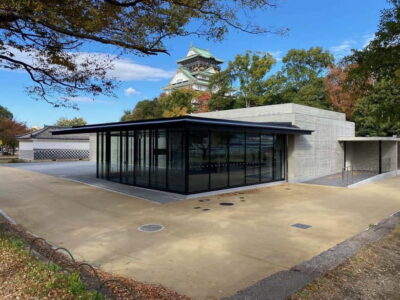


Dotonbori, Shinsaibashi-suji, and Ebisubashi: Neon Energy With Structure
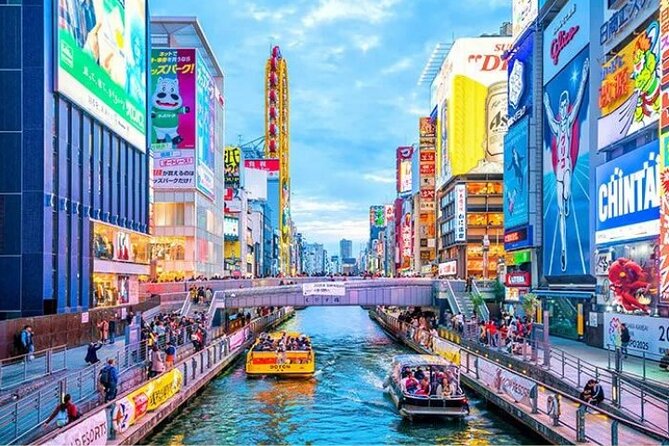
After Hozenji, the route steps into the Osaka most people recognize. Dotonbori (river area) is scheduled for about 45 minutes, and it’s a major highlight for good reason. The river scene plus the dense mix of shops makes it easy to see why Dotonbori is Osaka’s “hangout map.”
Right around that zone, the tour also includes Shinsaibashi-suji, Osaka’s lively shopping street (about 20 minutes). This is where you’ll see the day-to-day Osaka shopping rhythm—fashion, quirky gadgets, and a lot of local energy.
Then you’ll visit New Ebisubashi, a bridge known as a local meeting spot (about 15 minutes). The interesting detail here is the bridge’s origin: the older bridge was wood-made in the 1600s, and now the structure is iron. Even if you’re not into architecture, that timeline gives you a sharper lens for why this place looks the way it does.
One consideration: this stretch is visually intense. If you get overstimulated in crowds, pace yourself. Take a moment at quieter lanes and let your guide steer you to the places worth stopping, not just what’s loudest.
Amerikamura: Osaka’s Version of America (and the Humor in It)
Amerikamura is where the tour leans into quirk. You get around 15 minutes in the area, with guidance to smaller streets where the theme is basically Japan’s take on what America looks like.
A fun detail the tour highlights: you can even spot a Statue of Liberty positioned on top of a building. That’s the kind of “only Osaka” detail that makes guided walking feel worth it—because you’d pass it without context if you were wandering solo.
If you like street style, offbeat storefronts, thrift corners, and people-watching, this is a good stop. If you only want traditional sights, Amerikamura might feel like a break in the sightseeing rhythm—but it still helps you understand Osaka’s playful side.
Kuromon Market and the Cosplay/Game Side Lanes
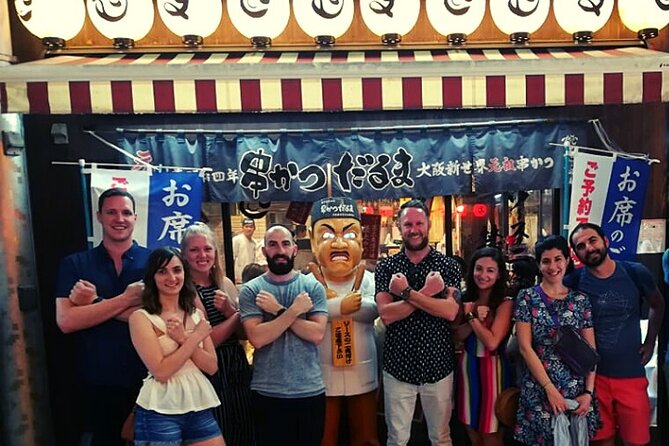
Next up is Kuromon Market—scheduled for about 15 minutes. You’ll walk into seafood shops that look plain from the outside but reveal “seafood heaven” once you’re inside. Even with the short time, this stop gives you that Osaka food-market feeling: quick, colorful, and full of choices.
This is also one of the most practical stops for first-day learning. After Kuromon, you’ll have a better sense of how to spot food counters that are more than just tourist facades.
Right after that, the tour includes a tricky navigation moment through tucked-away quirky stores, including time in a gaming and cosplay zone. It’s scheduled so you can reach it almost always on shorter tours, though timing can depend on how quickly your group walks.
Practical advice: Kuromon and the side lanes can be tight. If you’re traveling with a stroller or have mobility limits, plan to slow down early and ask your guide about the easiest route through any bottlenecks.
Shinsekai for 4, 5, and 7 Hours: Retro Fun and Old-Game Shops
For longer private tour options (4, 5, or 7 hours), you may also get Shinsekai for about 30 minutes. This is Osaka’s retro neighborhood, with fishing restaurants, vintage game arcades, board game shops, and old vinyl stores.
I like Shinsekai because it adds contrast. After shopping streets and markets, you get an older-feeling Osaka where leisure looks different—more about playful local culture than big-brand storefronts.
The only catch is simple: this stop only appears on specific tour lengths. If Shinsekai is high on your list, choose a duration that includes it, not a fast 3-hour option.
Tower Knives Osaka: A Short Lesson That Makes You Watch Your Food Differently
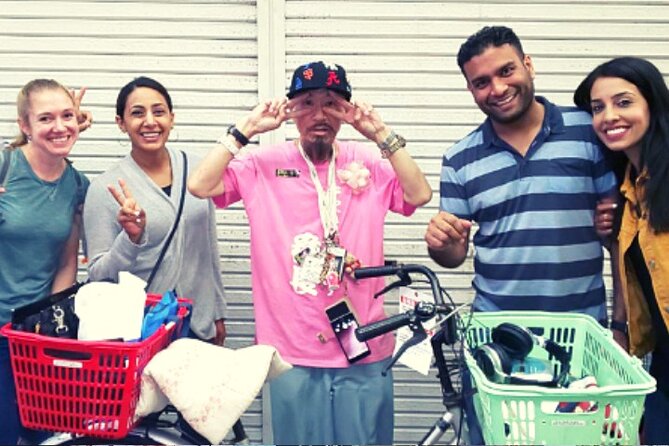
On 4- or 5-hour private tours, you’ll stop at Tower Knives Osaka for a 15-minute knife lesson. You’ll learn how knives are made—crafted at the rear of the building—and you’ll also get a chance to experience cutting.
This is a great “brain + hands” stop. Even if you’re not buying anything, you’ll come away seeing tools behind everyday life in Japan. It’s also one of the few parts of the day where you’re not just looking—you’re doing something small, guided, and memorable.
Just note: this is only available on certain tour lengths, so check your schedule choice if you care about hands-on experiences.
Abeno Harukas on 5- and 7-Hour Tours: Osaka From High Up
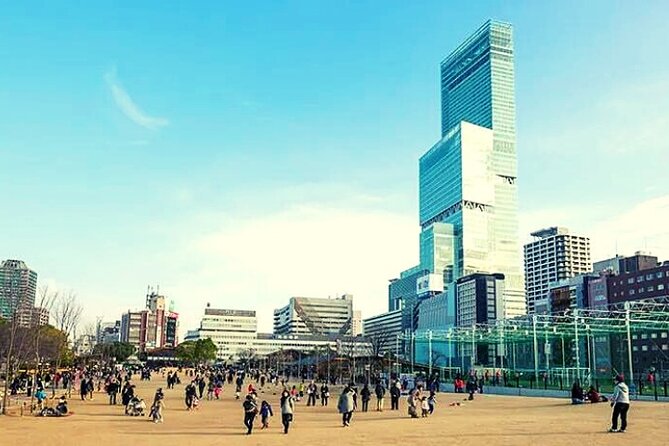
On 5- or 7-hour private tours, the route includes Abeno Harukas, a towering landmark at about 300 meters. You’ll have around 20 minutes there. The tour description makes a point of its height distinction, so it’s not just a random skyline view.
Abeno Harukas adds a different kind of context: from above, you start to see how Namba and the surrounding areas connect. It’s especially useful if you want to plan your remaining days after this tour.
This stop is not included on the shortest options. If you want one “big view” moment without committing to a full day, the 5-hour option is a sweet spot.
Shitennoji and Osaka Castle: When Big Sights Meet Local Explanation
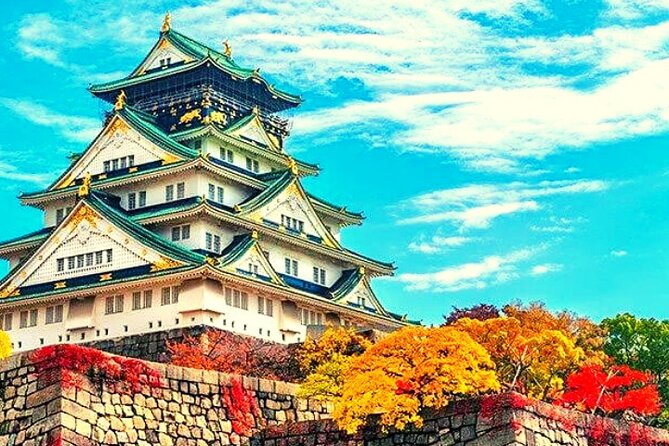
On 5- or 7-hour options, you’ll get Shitennoji and Osaka Castle.
Shitennoji is about 30 minutes and is described as the first Buddhist and the oldest officially administered temple in Japan. Even if you’re not religious, the tour frames it as a place with real spirituality—softening the day’s pace after busy streets.
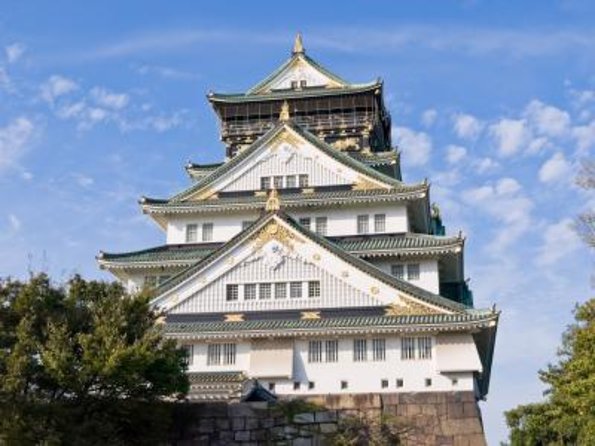
Then there’s Osaka Castle, scheduled for about 1 hour 10 minutes. The tour emphasizes the castle’s role in Japan’s unification years ago, so you’re not just strolling grounds—you’re learning how the site fits into national history.
Important planning note: entry fees for these sights are listed as not included. So you’ll want to budget for tickets if your tour length includes them.
Also, longer walks plus castle time means you’ll want to hydrate and take breaks. On days with heat or rain, the experience notes a good-weather requirement.
Ukiyoe and Old-Town Osaka in the 7-Hour Option
The 7-hour private tour includes two quieter, culture-forward stops: Osaka Ukiyoe Museum and the Osaka Museum of Housing and Living.
The Ukiyoe museum stop is about 15 minutes and includes admission. It focuses on ukiyo-e print tradition, with a mix of older works from the Edo period and newer pieces. It’s small, welcoming, and designed to fit into a day that also includes city streets and major landmarks.
The Osaka Museum of Housing and Living is about 45 minutes and is not listed as including admission. The highlight is a reconstruction of an ancient Osaka town with houses, stores, and homes—so you get a sense of daily layout, not just a static exhibit.
If you already know you like history and everyday-life museums, the 7-hour option makes sense. If you’re more about food and street energy, you might prefer stopping at 4 or 5 hours.
What’s Included, What You’ll Pay For, and How to Plan Meals
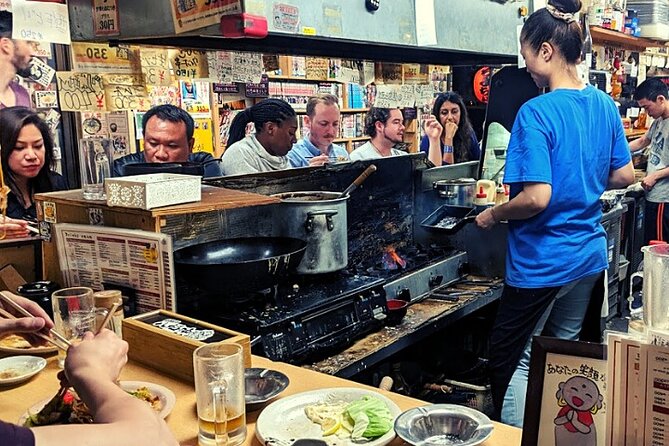
The tour includes 1 drink and 1 small side dish (usually a takoyaki ball). That’s not meant to replace a meal, but it gives you a taste while you’re walking and helps you avoid going hungry at the most crowded points of the day.
Everything else beyond the snack is up to you. The plan notes that entry fees are not included for attractions, and transport costs are not included unless your route needs special taxi/train requests and you pay those separately.
One detail I appreciate from the guide approach in reviews: your guide may help you find places to eat based on your preferences. For example, a review mentions a vegetarian request being handled with restaurant suggestions. So if you have dietary needs, say it early and ask for recommendations at the start.
Food strategy for your day: treat the tour’s snack as your “token,” then plan a proper meal right after. This keeps your day from turning into constant eating or decision fatigue.
Which Duration Fits Your Trip Pace
Here’s the practical way to choose:
- 3-hour option: Best if you want a fast, first-day orientation through the core streets and food neighborhoods. You’ll get the Namba-to-Dotonbori flow plus market time, and you may still get some of the side-lane exploring.
- 4-hour option: Adds an extra layer of Osaka flavor, including Tower Knives Osaka. This is a good “short but memorable” upgrade.
- 5-hour option: This is the most well-rounded choice for first-timers: it can include Shinsekai, Abeno Harukas, and major sights like Shitennoji or Osaka Castle depending on the exact route and timing.
- 7-hour option: Choose this if you want both big landmarks and slower culture stops. You’re more likely to include Osaka Ukiyoe Museum and the Housing and Living museum for a deeper look at tradition and daily Osaka life.
If your goal is to set up your remaining days, the 5-hour option often gives the best payoff without turning into a full-day endurance test.
Should You Book Osaka Kickstart?
I’d book this tour if you want a high-value introduction to Osaka that doesn’t feel like a factory line. The consistently praised guides—people like Rahat, Knox, Louis, and Brian—show up because they make the city easier to understand fast, and they’re good at tailoring the experience to what your group actually wants to do.
I would hesitate if you’re not into walking or you want purely big-ticket sights with minimal street scenes. This tour’s strength is the street-level Osaka blend—alleys, markets, bridges, and neighborhoods—so comfort on foot is part of the bargain.
If you’re doing Osaka as a first stop in Japan, this is also a smart move. You’ll finish with better navigation instincts, plus a clear sense of where you’ll want to return for dinner, shopping, or a second look.
FAQ
How long is the Osaka Kickstart tour?
The experience offers flexible durations of about 3, 4, 5, or 7 hours, depending on the option you book.
Is it a private tour or a group tour?
You can choose a private personalized tour or a group tour option. The activity notes that it is private so only your group participates.
What is included in the price besides the walking tour?
You get 1 drink and 1 small side dish (usually a takoyaki ball). Some stops also include admissions or specific lessons depending on the tour length.
Where is the meeting point?
The meeting point is 2-chōme-2-8 Namba, Chuo Ward, Osaka, 542-0076, Japan, and the tour ends back at that meeting point.
Are entrance tickets included for Osaka Castle, Shitennoji, or other attractions?
Entry fees are listed as not included. Some museums or specific activities are marked as included for certain tour lengths, but major sights like Osaka Castle are not included.
Which stops require longer tour durations?
Stops like Shinsekai are available on 4, 5, or 7-hour private tours. Tower Knives Osaka is only on the 4- or 5-hour private tour. Abeno Harukas and Shitennoji are on 5- or 7-hour tours, while the Ukiyoe Museum and Osaka Museum of Housing and Living are only on the 7-hour tour.
Can the tour include pickup or help with transit?
Pickup is offered, and the tour also includes walking with optional train or taxi use if requested. Transport costs are not included unless they’re part of the requested route you pay for.
More Tour Reviews in Osaka
- Osaka Go Karting Tour with Funny Costume★ 5.0 · 2,658 reviews
- Osaka Castle: Museum and Tower Entry Ticket★ 4.5 · 2,380 reviews
- Osaka: Shinsekai Food Tour with 13-15 Dishes at 5 Eateries★ 4.8 · 2,204 reviews
- Osaka Food Tour: 13 Dishes at 5 Local Eateries★ 5.0 · 2,149 reviews
- Hungry Osaka Street Food Tour:15 Tastings & 3 Drinks with a Local★ 5.0 · 1,727 reviews
The Newest Osaka Write-Ups
- Private Photoshoot in Osaka with a Professional Photographer
★ 5.0 · 3 reviews - Osaka Early Morning Osaka Castle Tour Avoid Crowds
★ 5.0 · 3 reviews - Nara Private Tour with Pick and Drop and English Speaking Driver
★ 3.5 · 3 reviews - Osaka: Modern Vegetarian Sushi Cooking Class
★ 5.0 · 3 reviews - Nara Day Trip from Osaka with a Licensed Guide
★ 5.0 · 3 reviews