
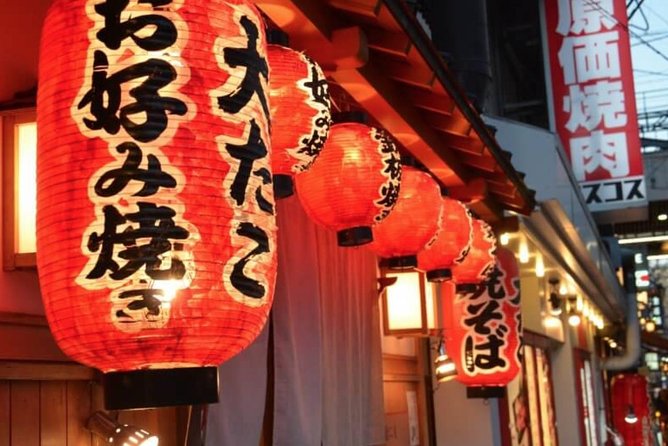
Reviewed · OSAKA FOOD & TASTING TOURS
Absolute Osaka Food Tour
Street food in Osaka makes sense with a guide. This 3-hour evening walk pairs classic bites like takoyaki and kushikatsu with smart detours into quieter alleys and a secret shrine away from the heaviest crowds. I especially like how the route ties food to the city’s everyday stories, from the famous Dotombori scene to side streets you’d probably miss on your own. One consideration: it’s not recommended for gluten-free, so plan accordingly if you have that dietary need.
You also get a calm format for such a lively area: a local English-speaking guide, a small group capped at 10, and a route designed to keep moving without feeling chaotic. I like that it starts at 5:00 pm when neon and crowds are real, but the tour pacing stays manageable (with moderate walking). You’ll finish in the Sennichimae area, which is convenient if you want to keep exploring after, but it does mean you should plan your next stop near there.
The included food is the main event: 4 food stops, plus a drink and a traditional Japanese dessert. With strong overall ratings (4.8, 309 reviews) and guides such as Asli, Melissa, and Marie showing up in real experiences, this feels less like a tasting checklist and more like a guided evening meal plan.
In This Review
- Key things I’d plan around
- First stop: Dotombori and the Glico man story you’ll remember
- How the guide keeps you from getting stuck in the loudest lines
- Takoyaki, kushikatsu, and the logic of Osaka street eating
- The one included drink that changes your pace
- Hozenji Yokocho and Kuromon Market: where Osaka smells like Osaka
- Hozenji Yokocho
- Kuromon Market
- Sennichimae Doguyasuji Shotengai and Misono Building: the arcade detour that feels local
- Why arcades matter for a food tour
- The secret shrine stop: quiet, short, and unexpectedly memorable
- Price and value: what $231 really covers
- Logistics you should plan for before you go
- Dietary needs: what’s covered and what you should double-check
- Who should book this Osaka food tour
- Should you book Absolute Osaka Food Tour?
- FAQ
- FAQ
- How long is the Absolute Osaka Food Tour?
- What time does the tour start?
- Where does the tour meet and where does it end?
- How many food stops are included?
- Is a drink included in the price?
- What dessert is included?
- Does the tour work for vegetarians or pescetarians?
- Is the tour suitable for gluten-free travelers?
- How big is the group?
- Is hotel pickup included?
Key things I’d plan around
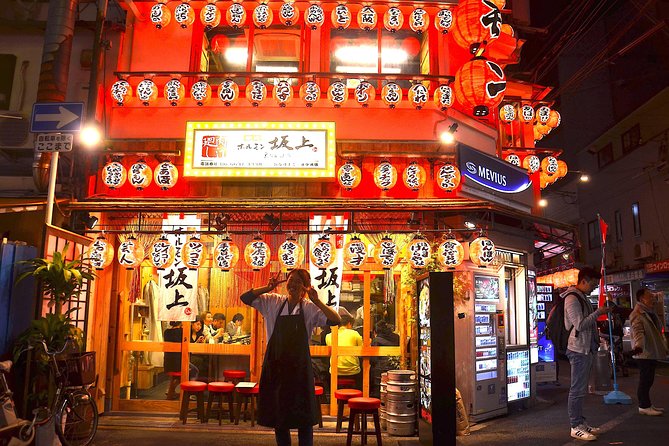
- Dotombori Glico Sign origin story: you’ll hear the backstory behind the Glico man and the Filipino sprinter Fortunato Catalon.
- Alley detours that cut the noise: the route is designed to avoid the worst tourist bottlenecks.
- A “market + arcades” mix: Hozenji Yokocho, Kuromon Market, Sennichimae Doguyasuji Shotengai, and more fit together well in one loop.
- Food, drink, and dessert are built in: you won’t need to constantly calculate costs while you’re eating.
- Small group (max 10): easier conversation with your guide and quicker help finding your next bite.
Come hungry: more eating your way through Osaka


First stop: Dotombori and the Glico man story you’ll remember
Most people land in Dotombori and get pulled toward the most obvious lights and storefronts. This tour starts right at the Dotombori Glico Sign, where the guide explains the meaning behind the Glico man image. The detail that sticks is how the story connects to a Filipino sprinter, Fortunato Catalon, and how that inspiration carried into branding. Even if you’re not a sports-history person, it helps you look past the neon and see why the place is famous.
This also sets the tone for the whole tour. It’s not just eat-and-go. You’re learning why certain streets feel like Osaka’s stage, then using that context to find better food stops a little farther off the main drag.
How the guide keeps you from getting stuck in the loudest lines
Dotombori and Namba are easy to navigate, but they’re also easy to overdo. The tour explicitly acknowledges that the area can tempt you into overly commercial restaurants and long queues. The value here is the guide’s ability to steer you toward spots that work better for a group tasting format.
In practical terms, that means:
- You get direction at each turn, so you’re not constantly re-checking maps while hungry.
- You’re more likely to eat what you actually came for instead of spending half the night waiting for the most photographed menu.
- The walking route is paced for a ~3-hour experience rather than an all-night food crawl.
I also like that the guide shares local traditions along the way. In Osaka, food culture is social and visual. Knowing the why behind what you’re eating makes the whole thing feel more authentic, not like a scripted snack show.
Takoyaki, kushikatsu, and the logic of Osaka street eating
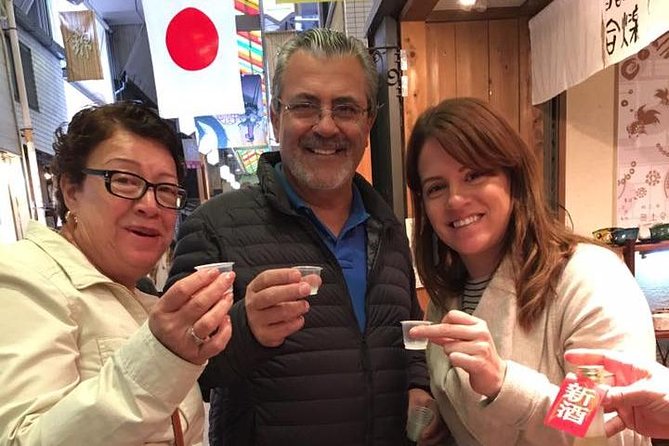
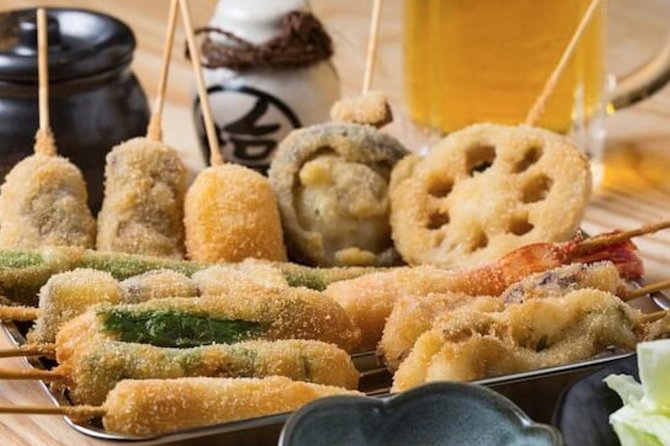
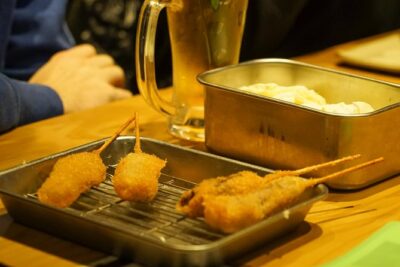
The headline promise is simple: taste Osaka’s best street foods on a 3-hour route. The food list you’re most likely to recognize includes takoyaki and kushikatsu skewers, and those are the right choices for an opening “Osaka 101” evening because they’re iconic and easy to compare across places.
Why these work so well on a tour:
- You get a range of textures and flavors in a short time.
- You can learn small ordering and etiquette cues without feeling awkward doing it alone.
- You build confidence. After four tastings, you’ll know what you want to repeat later on your own.
You’ll hit the Minami (Namba) area next, which is where street food energy is most obvious. Expect that the tour will stay focused on eating opportunities rather than turning into a “look at shops” walk. The time blocks are short at each stop, which helps you stay in snack mode instead of full meal mode.

The one included drink that changes your pace
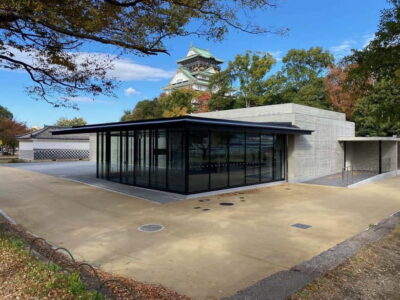
You also get 1 drink included. The tour notes a minimum drinking age of 21, which matters if you’re traveling with teens or if you’re booking for a mixed-age group. Even if you don’t drink much, having one beverage built into the price makes the tour feel more complete—and it helps you slow down right when the route might otherwise blur together.
Hozenji Yokocho and Kuromon Market: where Osaka smells like Osaka
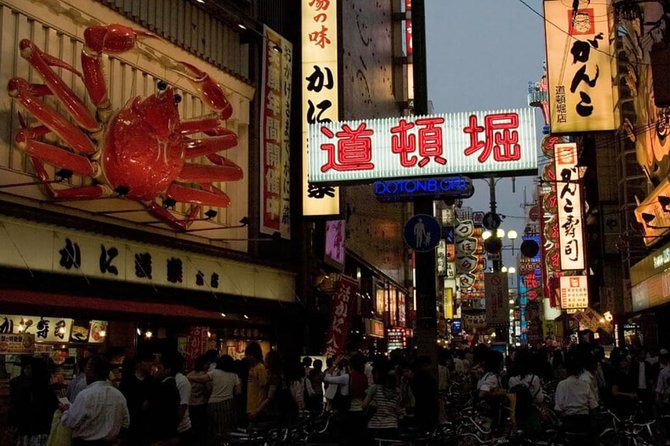
One of the smartest parts of this tour is that it mixes street-alley atmosphere with a major food-focused hub.
Hozenji Yokocho
Hozenji Yokocho is the kind of narrow alley you can walk past if you’re not paying attention. In an area as bright and crowded as this part of Osaka, that switch—down a quieter side passage—feels like a reset button. It’s also likely where you’ll get that “away from the crowds” vibe the tour promises.
The practical benefit is mental, too. After you’ve absorbed neon and signage, a smaller alley feels calmer, and you can taste more clearly. You’re not competing with a wall of noise while you’re trying to understand flavors.
Kuromon Market
Then you’ll move into Kuromon Market, which is the kind of place where your senses work overtime: stalls, seafood and produce displays, and constant activity. The tour framing here matters. Instead of treating it like a free-for-all shopping spree, you approach it as a planned tasting stop.
If you’re trying to understand Osaka’s food geography, this is the “map lesson.” You start to see how different parts of the city serve different styles of eating—street bites versus market eating versus arcade wandering.
Sennichimae Doguyasuji Shotengai and Misono Building: the arcade detour that feels local
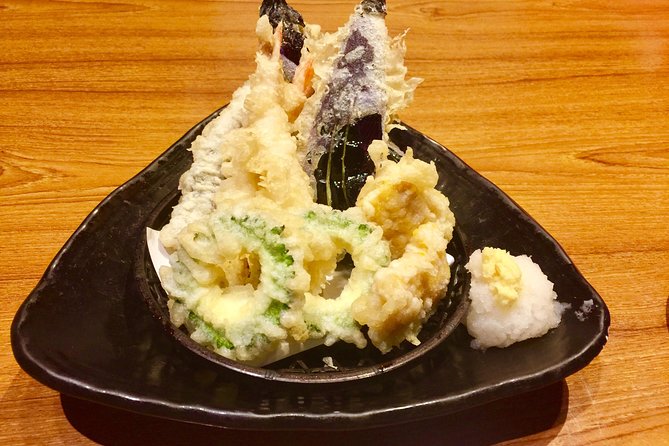
A lot of food tours keep you on the biggest streets. This one adds time in places that feel more daily-life than theme park.
You’ll pass through Sennichimae Doguyasuji Shotengai, a shopping arcade area, and also include the Misono Building in the experience. These spots help you connect the dots between Osaka food culture and Osaka commerce—where food and everyday shopping share the same walkways.
Why arcades matter for a food tour
Even if you’re not buying anything, arcades do two useful things:
- They slow you down and force you to look around, not just at menus.
- They give you a smoother route between food stops, which keeps the evening from feeling like you’re sprinting across the city.
This is also where the small-group size helps. With a max of 10 people, you’re less likely to lose track of your guide in a maze of signs.
The secret shrine stop: quiet, short, and unexpectedly memorable

The tour includes a secret shrine tucked away from the bustling streets. Even without assuming where it sits relative to the other labeled stops, the purpose is clear: it breaks up the nonstop food focus with a cultural pause.
That matters because it changes your mental soundtrack. When you’re only eating and walking, it’s easy to feel like you’re consuming Osaka. A short shrine moment reminds you this is still a living neighborhood, not a festival set.
If you want to get good photos, don’t treat it like a photo-only stop. Walk in, look around, then get back into your food rhythm. The value is in the shift of pace.
Price and value: what $231 really covers
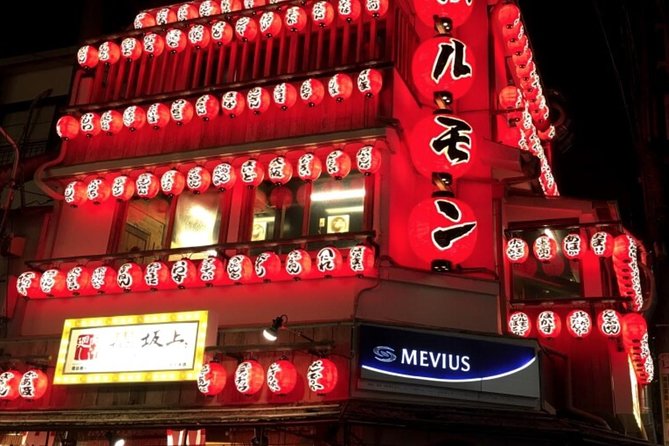
At $231 per person, you’re paying for more than snacks. Based on what’s included, the pricing makes sense if you value convenience and guidance more than you value trying to bargain your own way through.
Here’s what’s in the package:
- 4 food stops
- 1 drink included
- Traditional Japanese dessert
- Local English-speaking guide
- Mobile ticket
For me, the best value piece is the combination of guide + route control + multiple stops. You’re not just eating; you’re getting helped with timing, ordering, and knowing where a food experience works best.
Could you DIY this route? Yes, Osaka is walkable and food is everywhere. But DIY usually turns into some mix of wasted time, missed alley stops, and decision fatigue. This tour cuts through that, especially if it’s your first time in the city.
Logistics you should plan for before you go
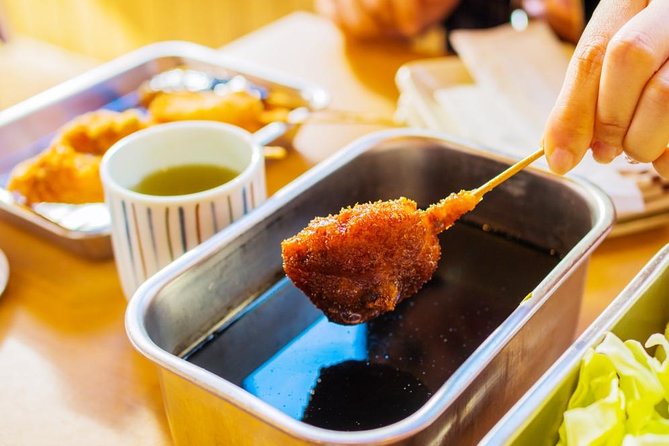
- Start time: 5:00 pm. That’s ideal for night lights and easier for street-food vibes to show up at their best.
- Meeting point: Dōtonbori area, near the Dotombori building address on the Dotonbori strip.
- End point: Sennichimae area, so plan your next activity nearby rather than far away.
- Transportation: not included, and there’s no hotel pickup listed. You’ll want to arrive on your own using public transit.
- Mobile ticket: helpful if you don’t want to print anything.
- Weather: it requires good weather. If it’s canceled due to poor conditions, you’ll be offered a different date or a full refund.
Also, the tour asks for moderate physical fitness. You’re walking and moving between stops, and even at a relaxed pace, Osaka evening surfaces are busy.
Dietary needs: what’s covered and what you should double-check
This tour is vegetarian and pescetarian friendly, which is a big plus. Guides like Melissa have reportedly found vegetarian options at each stop in real experiences, so this isn’t an afterthought.
But there’s a clear boundary:
- Not recommended for gluten-free.
If gluten is a serious medical issue, don’t assume the tour can handle it safely. If you’re vegetarian/pescetarian, you’ll still want to mention your preferences clearly at the start so the guide can steer you toward the right choices.
Who should book this Osaka food tour
This works best if:
- You want a guided evening in Osaka’s food center without planning four separate tastings.
- You like learning small cultural context while you eat.
- You’re traveling solo, since it accepts single travelers and keeps a small-group feel.
- You want an itinerary that includes both street food and food-focused public spaces like Kuromon Market.
It may not be for you if:
- You need gluten-free accommodations.
- You prefer daytime tours only, since this one is anchored in the 5 pm start.
- You want a fully flexible, stop-anywhere format. This route has a structure.
Should you book Absolute Osaka Food Tour?
I’d book it if you want a smart, low-stress way to experience Osaka’s street-food culture in one night. The mix of classic bites, market and arcade stops, and that secret shrine moment gives you more than just food samples—you leave with a clearer sense of how Osaka eats, shops, and gathers.
If gluten-free is your priority, skip this specific tour and look for a stricter gluten-free option. Otherwise, for most people, this is a solid value: multiple tastings, dessert, and a drink, guided by people who can keep the evening moving and help you get the best of the city without getting trapped in the longest lines.
FAQ
FAQ
How long is the Absolute Osaka Food Tour?
It runs for about 3 hours.
What time does the tour start?
The start time is 5:00 pm.
Where does the tour meet and where does it end?
It starts in the Dōtonbori area (Chuo Ward) and ends in the Sennichimae area (Chuo Ward).
How many food stops are included?
You’ll have 4 food stops.
Is a drink included in the price?
Yes. The tour includes 1 drink.
What dessert is included?
A traditional Japanese dessert is included.
Does the tour work for vegetarians or pescetarians?
Yes. Vegetarian and pescetarian options are supported.
Is the tour suitable for gluten-free travelers?
It is not recommended for gluten-free.
How big is the group?
The maximum group size is 10 travelers.
Is hotel pickup included?
No. Hotel pickup is not included, though you may be able to arrange it for an additional charge.
More Tour Reviews in Osaka
- Osaka Go Karting Tour with Funny Costume★ 5.0 · 2,658 reviews
- Osaka Castle: Museum and Tower Entry Ticket★ 4.5 · 2,380 reviews
- Osaka: Shinsekai Food Tour with 13-15 Dishes at 5 Eateries★ 4.8 · 2,204 reviews
- Osaka Food Tour: 13 Dishes at 5 Local Eateries★ 5.0 · 2,149 reviews
- Hungry Osaka Street Food Tour:15 Tastings & 3 Drinks with a Local★ 5.0 · 1,727 reviews
The Kuidaore List: Eat More of Osaka
- Osaka: Shinsekai Food Tour with 13-15 Dishes at 5 Eateries★ 4.8 · 2,204 reviews
- Osaka Food Tour: 13 Dishes at 5 Local Eateries★ 5.0 · 2,149 reviews
- Hungry Osaka Street Food Tour:15 Tastings & 3 Drinks with a Local★ 5.0 · 1,727 reviews
- Deep Backstreet Osaka Tours (Option to add Dinner)★ 5.0 · 1,290 reviews
- Osaka Local Foodie Walking Tour in Dotonbori and Shinsekai★ 5.0 · 985 reviews
The Newest Osaka Write-Ups
- Private Photoshoot in Osaka with a Professional Photographer
★ 5.0 · 3 reviews - Osaka Early Morning Osaka Castle Tour Avoid Crowds
★ 5.0 · 3 reviews - Nara Private Tour with Pick and Drop and English Speaking Driver
★ 3.5 · 3 reviews - Osaka: Modern Vegetarian Sushi Cooking Class
★ 5.0 · 3 reviews - Nara Day Trip from Osaka with a Licensed Guide
★ 5.0 · 3 reviews
Osaka Food & Tasting Tours, compared.
 ★ 4.8Shinsekai Food Tour with 13-15 Dishes at 5 EateriesFrom $532,204 reviews
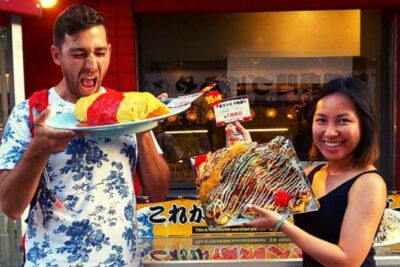 ★ 5.0Osaka Food Tour: 13 Dishes at 5 Local EateriesFrom $732,149 reviews
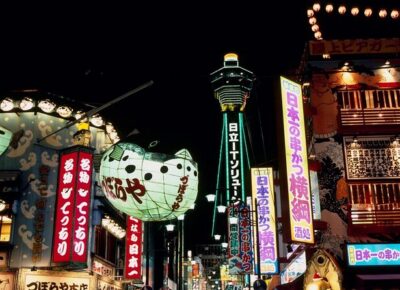 ★ 5.0Hungry Osaka Street Food Tour:15 Tastings & 3 Drinks with a LocalFrom $731,727 reviews
 ★ 5.0Deep Backstreet Osaka Tours (Option to add Dinner)From $531,290 reviews
 ★ 5.0Osaka Local Foodie Walking Tour in Dotonbori and ShinsekaiFrom $111985 reviews
 ★ 4.9Deep Backstreets Walking Tour with Dinner OptionFrom $40902 reviews
 ★ 4.9Hungry Osaka Street Food Tour: 15 Dishes & 3 DrinksFrom $79694 reviews
 ★ 5.0Kuromon Market Food Walking Tour in Osaka (6 stops, 6 tastes)From $50550 reviews
Browse the lists this tour appears in